
Projects…
In this section you can browse a selection of the projects we have been involved in over the past nine years.
The Climate Collage Collection
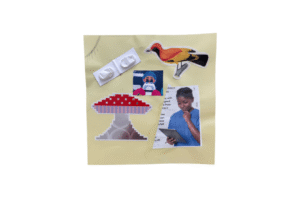
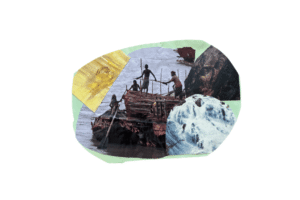
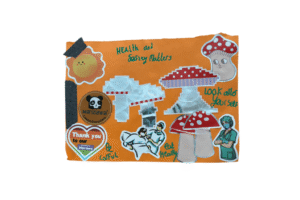
What do you think of when you picture climate change and health? This is the question that we asked festival-goers last week at Africa Oyé in Liverpool. We worked with our colleagues at the Liverpool School of Tropical Medicine (LSTM) on their stand and talked to people, young and old, local and from afar.
Using creative communication methods is a great way to foster public engagement in science. These methods offer a new way of interacting with data and evidence which doesn’t rely on reading. Furthermore they enable interaction and interpretation as the maker engages the viewer with their piece of work.
Techniques like collage have a ‘low bar to entry’ meaning that as long as you can choose images and paste them you can get involved, regardless of artistic skill levels. This made it a great choice for an event like Africa Oyé where people are of all ages and backgrounds and have limited time to engage.
But collage also enables sophisticated argumentation and the animation of viewpoints. The act of layering, placing pieces near or far from one another, using the size of images to signify importance, opting for incongruent, contrasting or complementary types of images and choosing colour schemes all allow for storytelling which may not be immediately obvious. Making a moment when the audience can take time to think and process is vitally important to the communication of research.

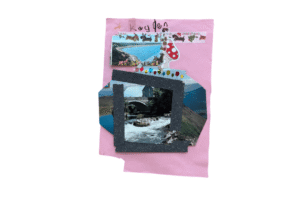
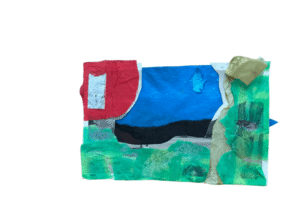



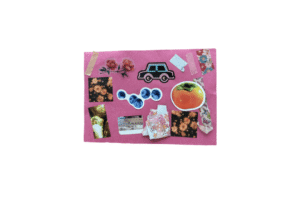
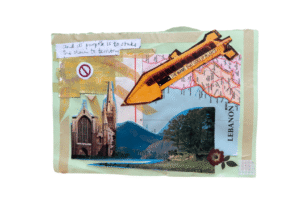
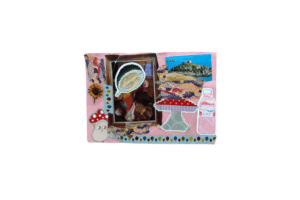
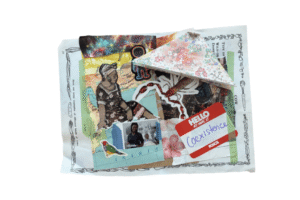
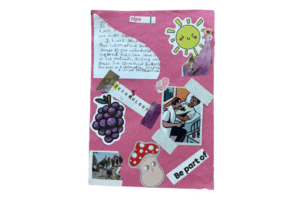

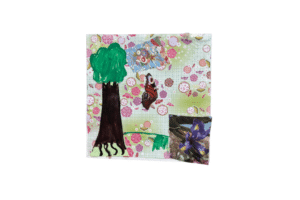

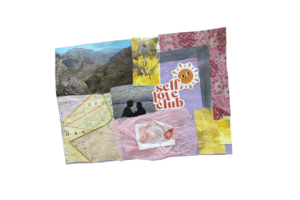
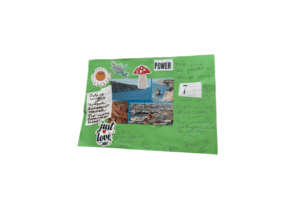
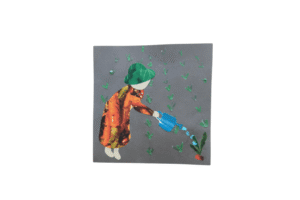


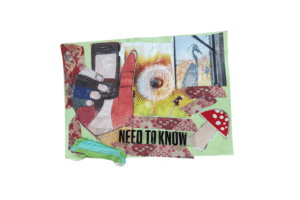

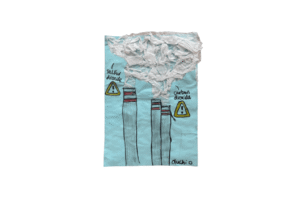
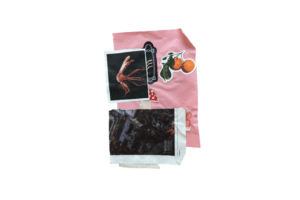
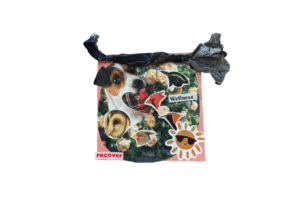
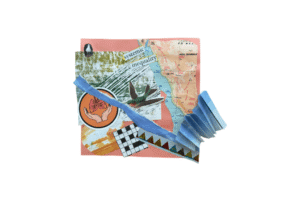

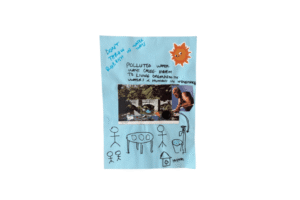

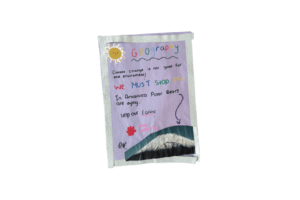

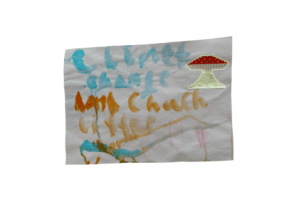
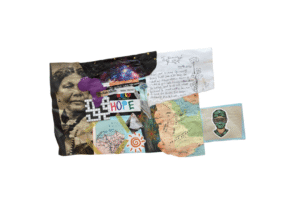
During our interaction with the public we drew on knowledge and lessons from research at LSTM – like the Urban SHADE project – which is working with communities in cities and towns in Kenya, Sierra Leone and India to help them respond to extreme weather events. The urban poor often live in informal settlements. They live on hillsides that experience landslides after heavy rain, or in coastal and riverside locations that flood. They are exposed to heat waves due to the ‘urban heat island effect’ and work outdoors in the sun. Their settlements have poor-quality housing, a lack of piped water and drainage systems and they find it hard to access emergency care from the health system when extreme weather hits.
The festival was a chance to talk about these communities and the shared crisis of climate change. It was also a chance to learn about festival-goers views on the topic and the issues that they held dear.



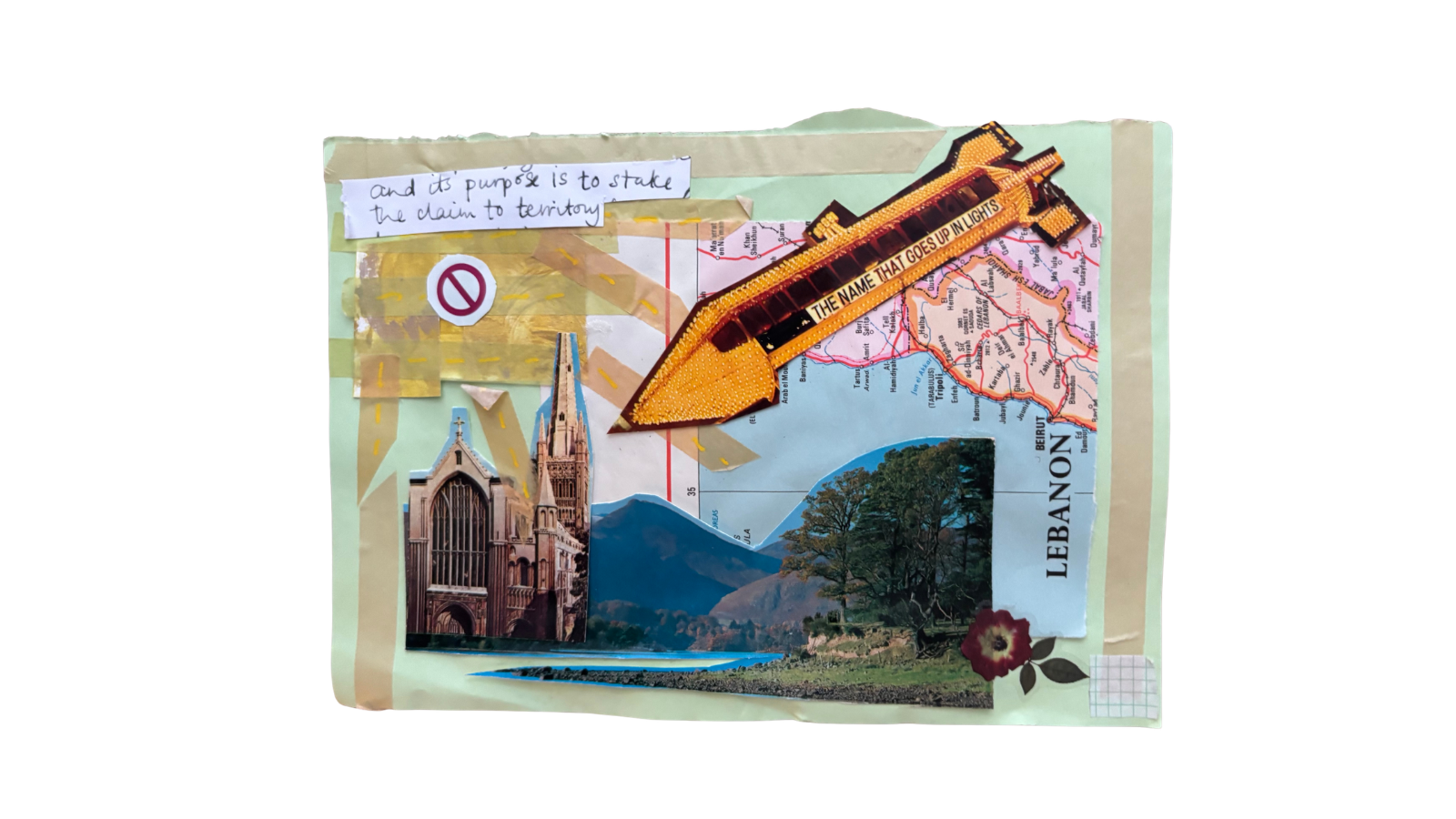
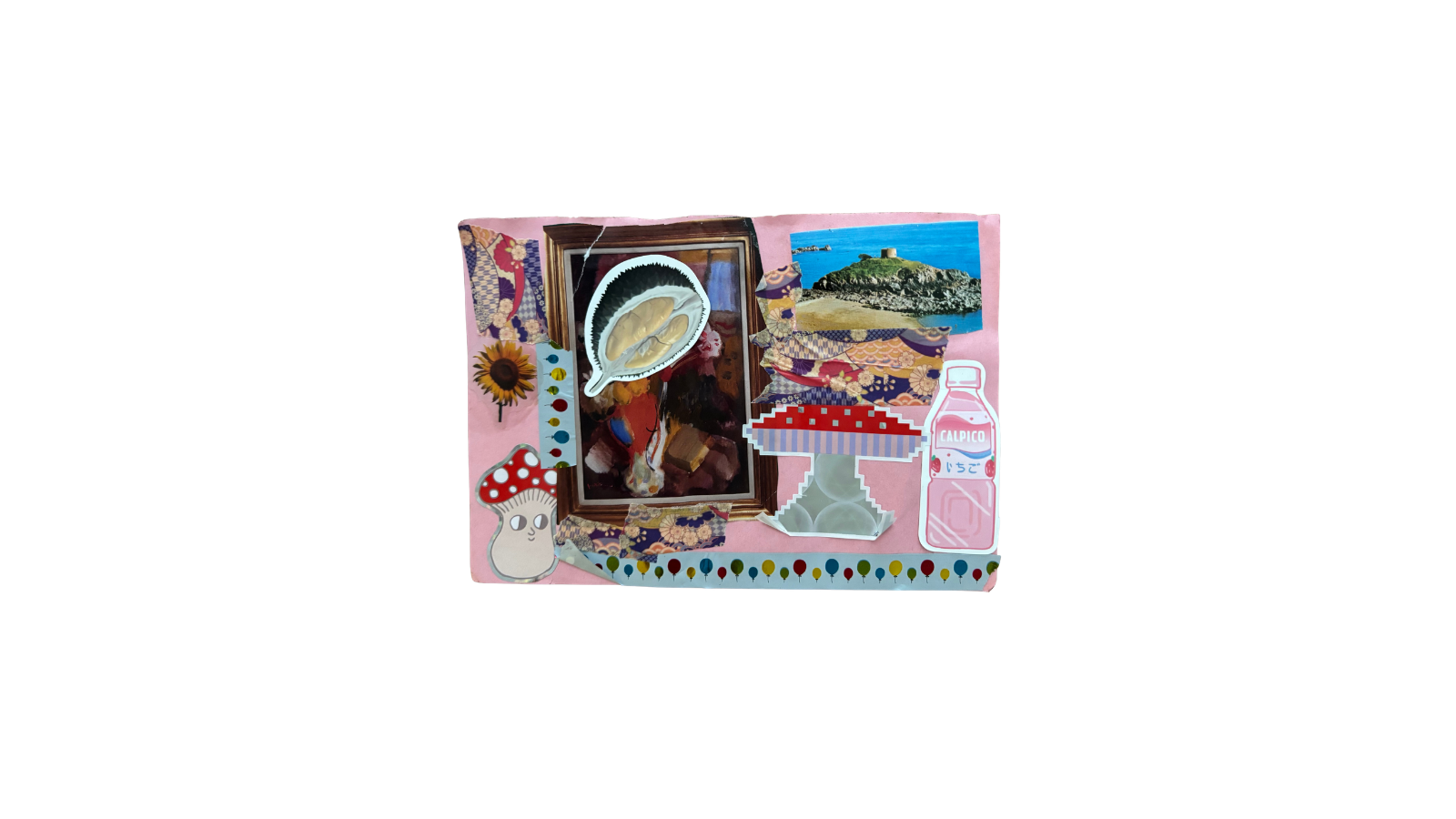
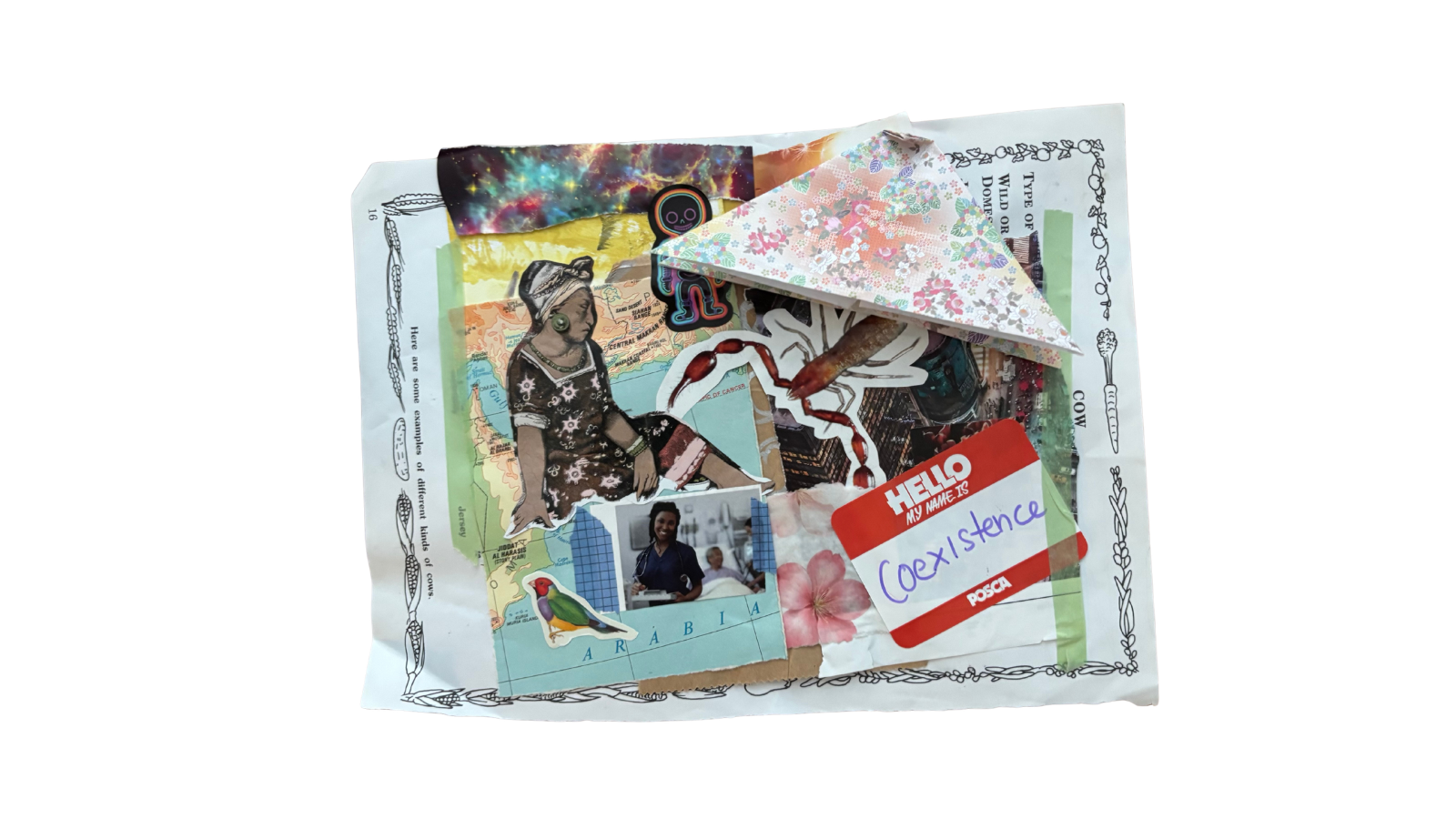
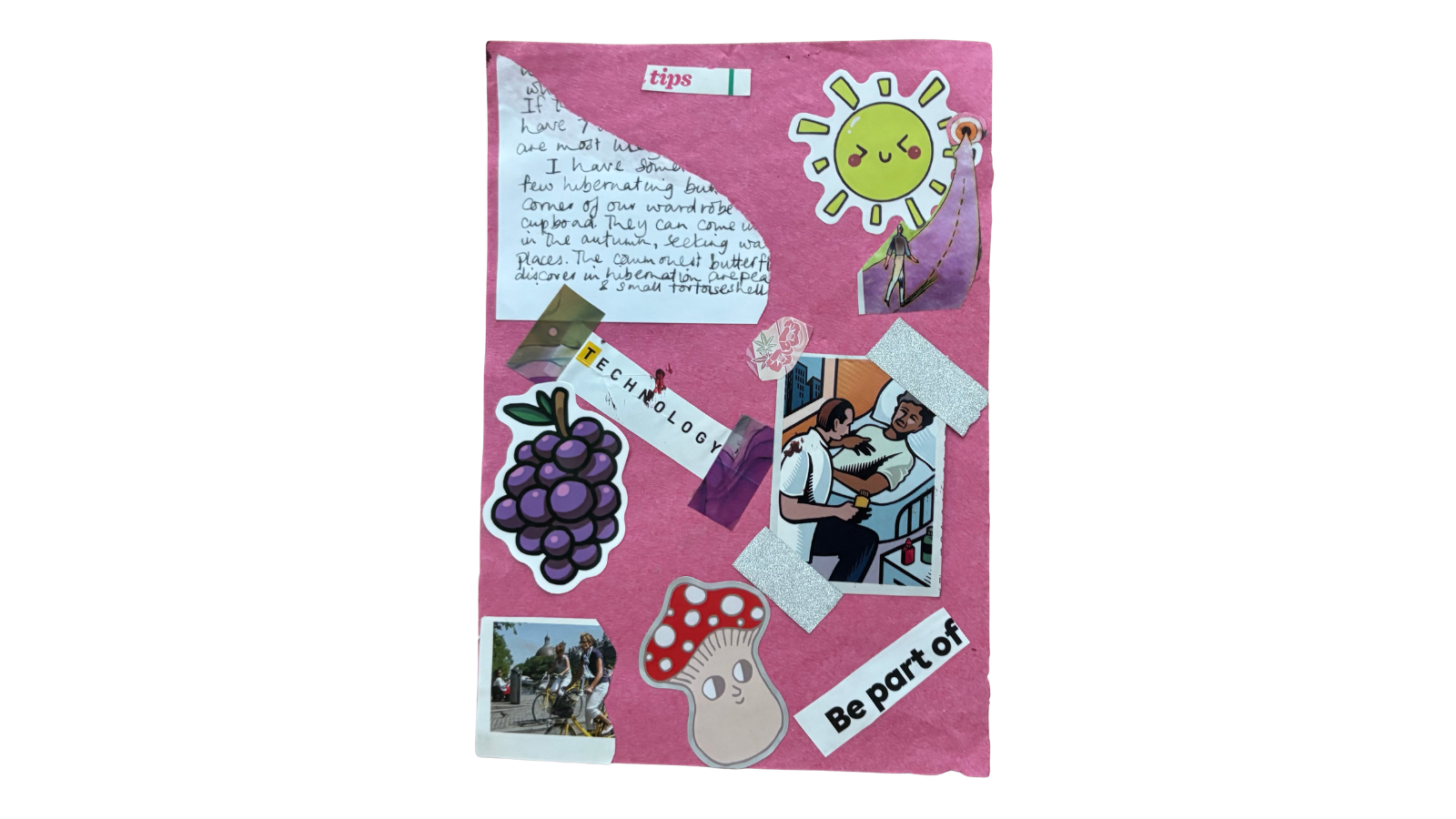

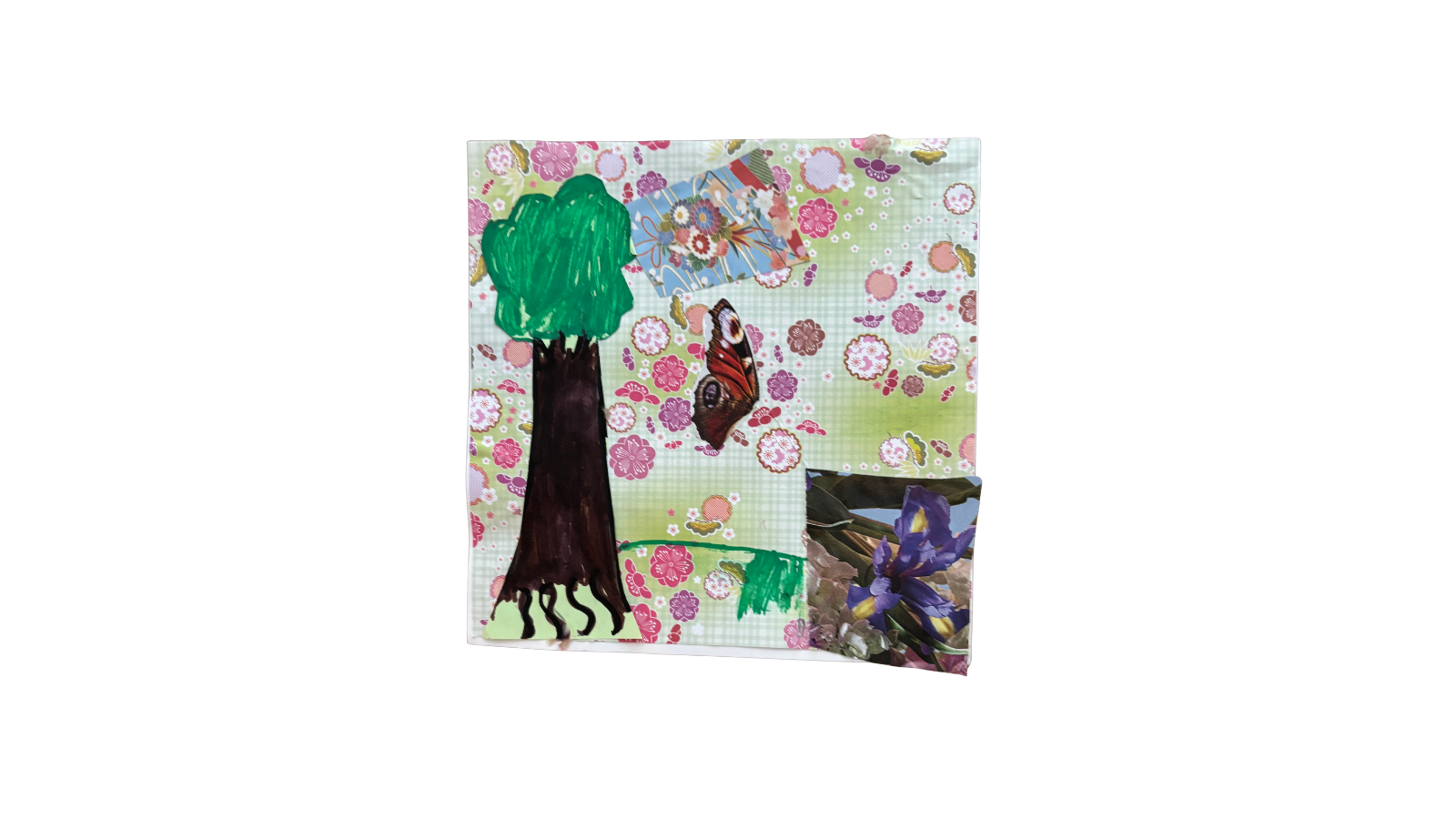

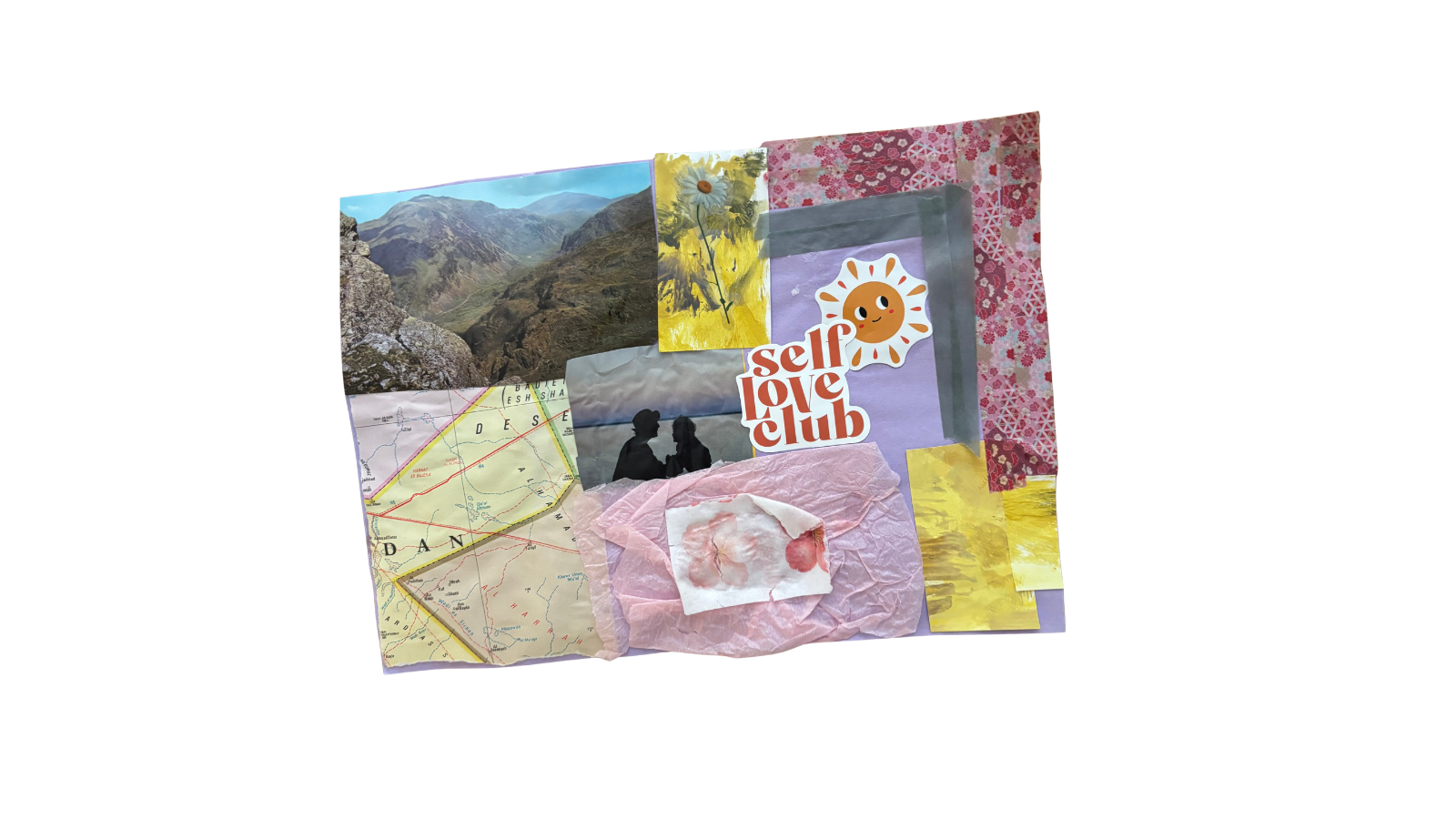
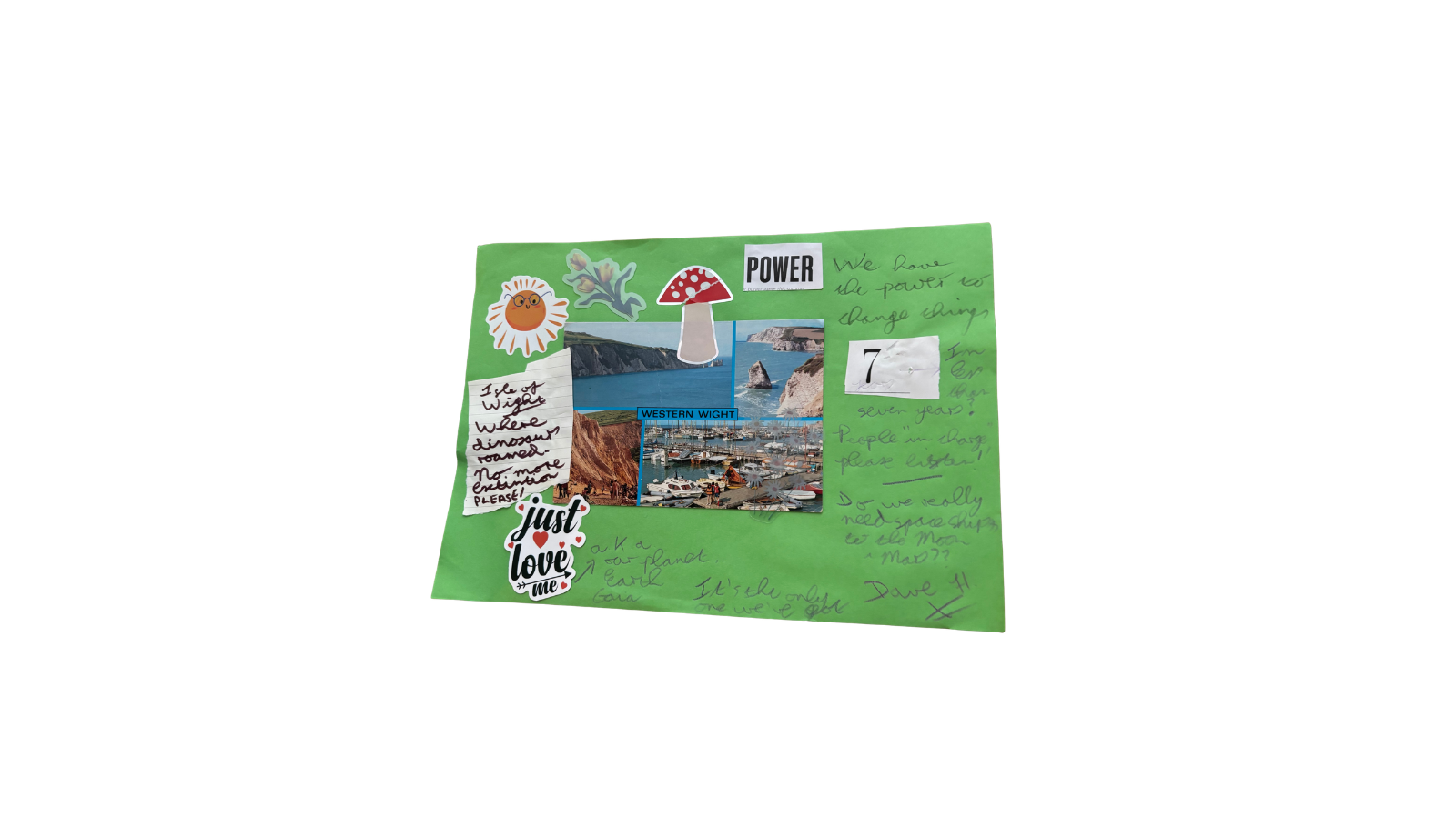
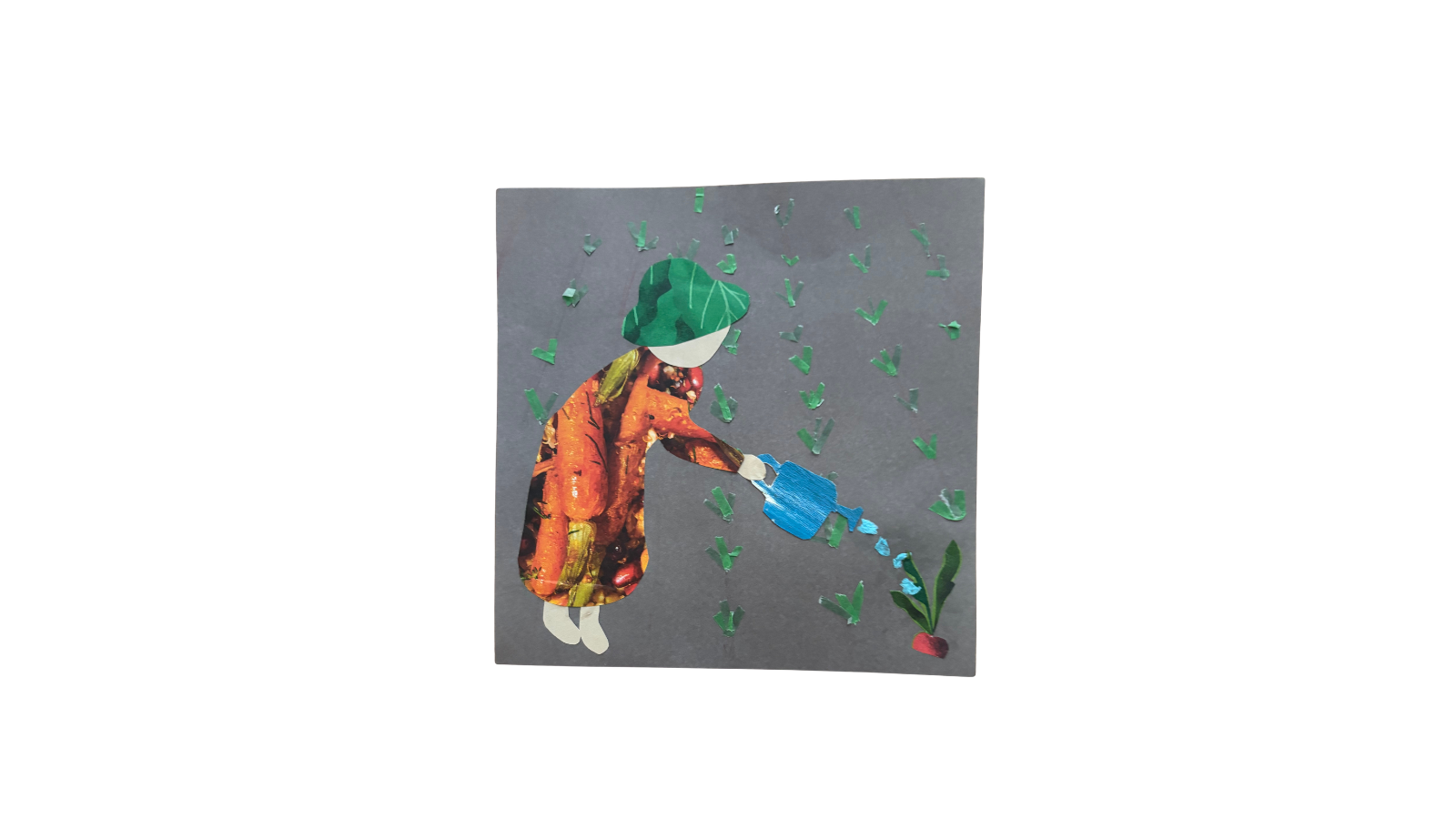


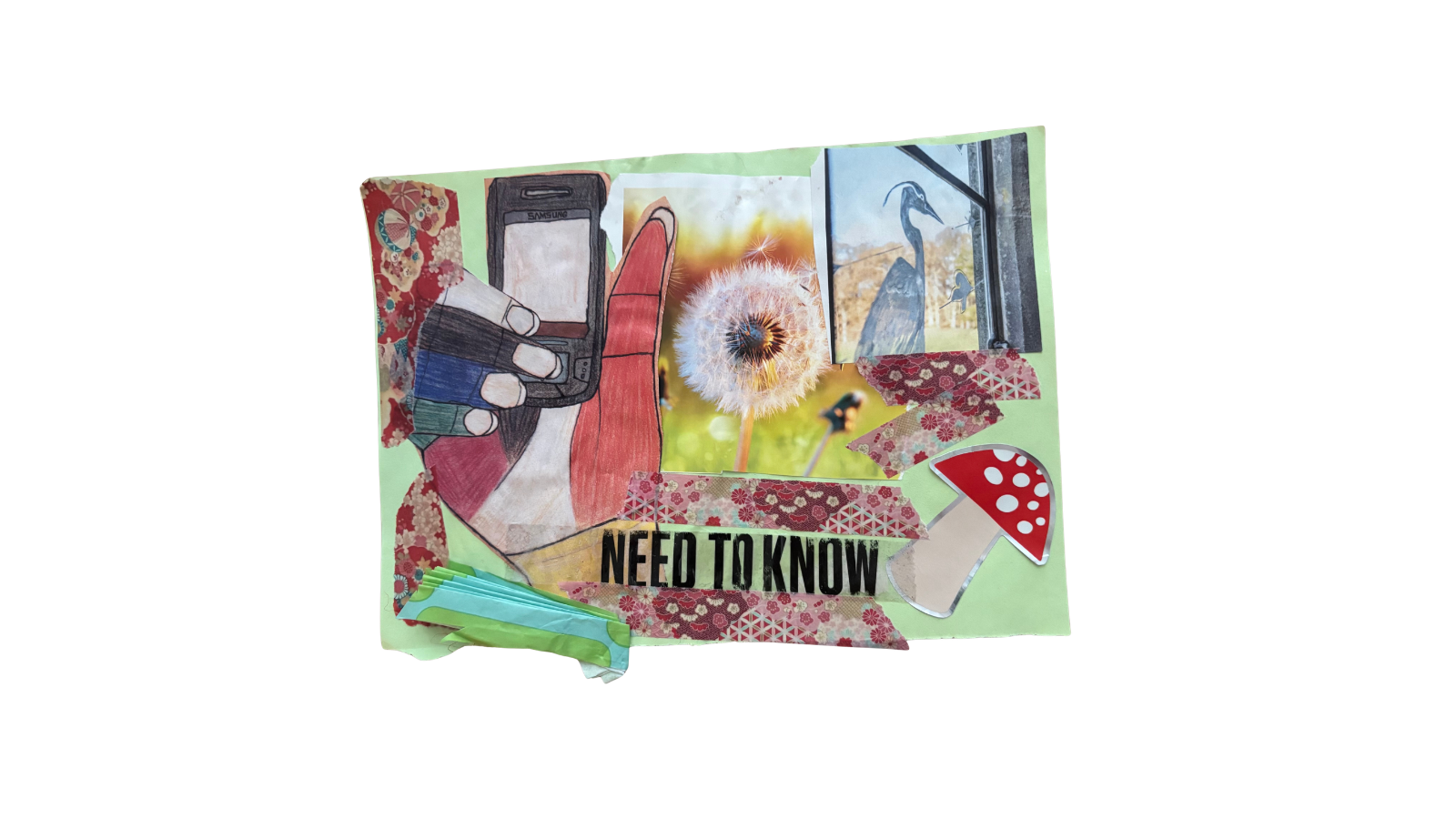
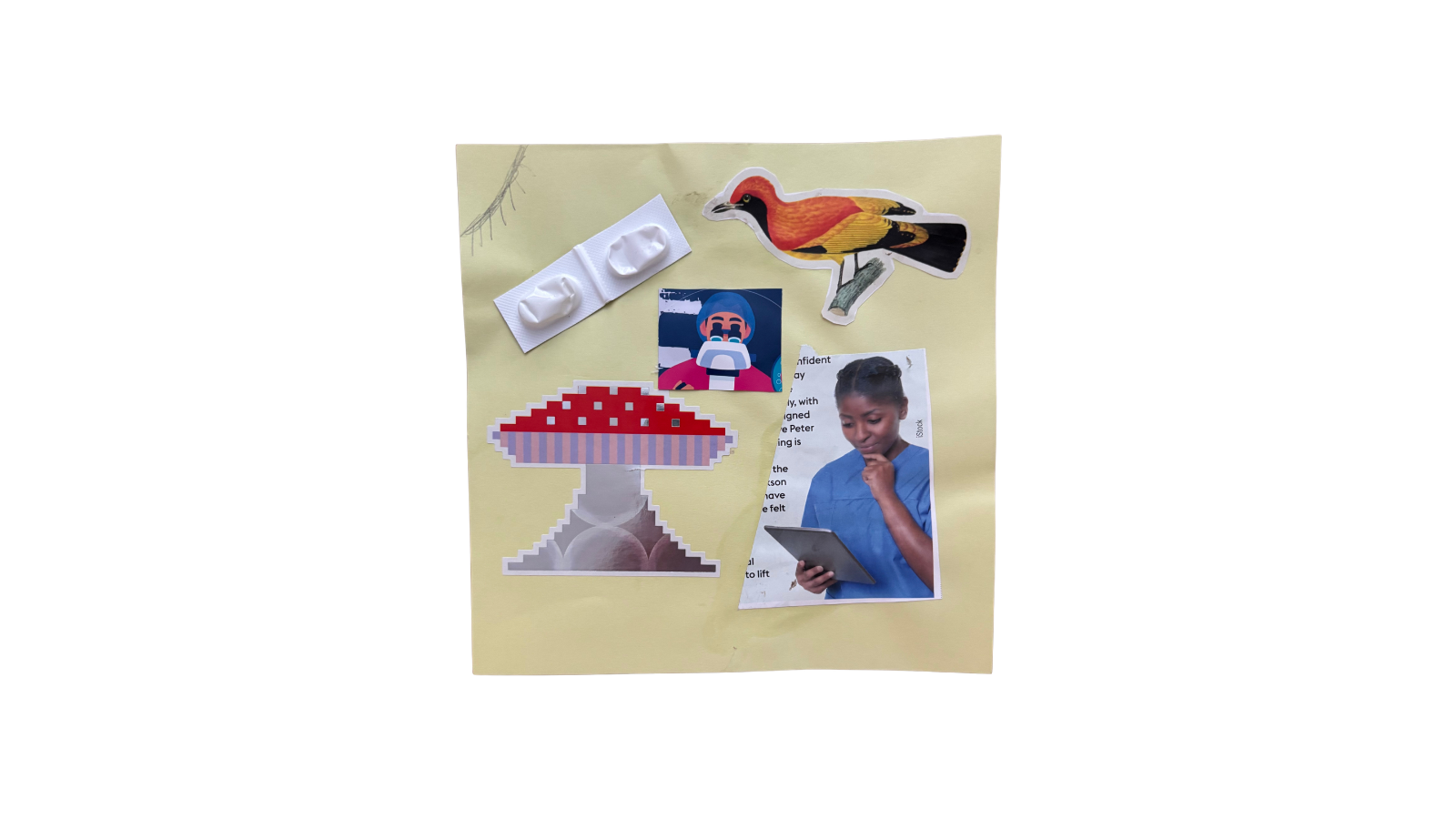
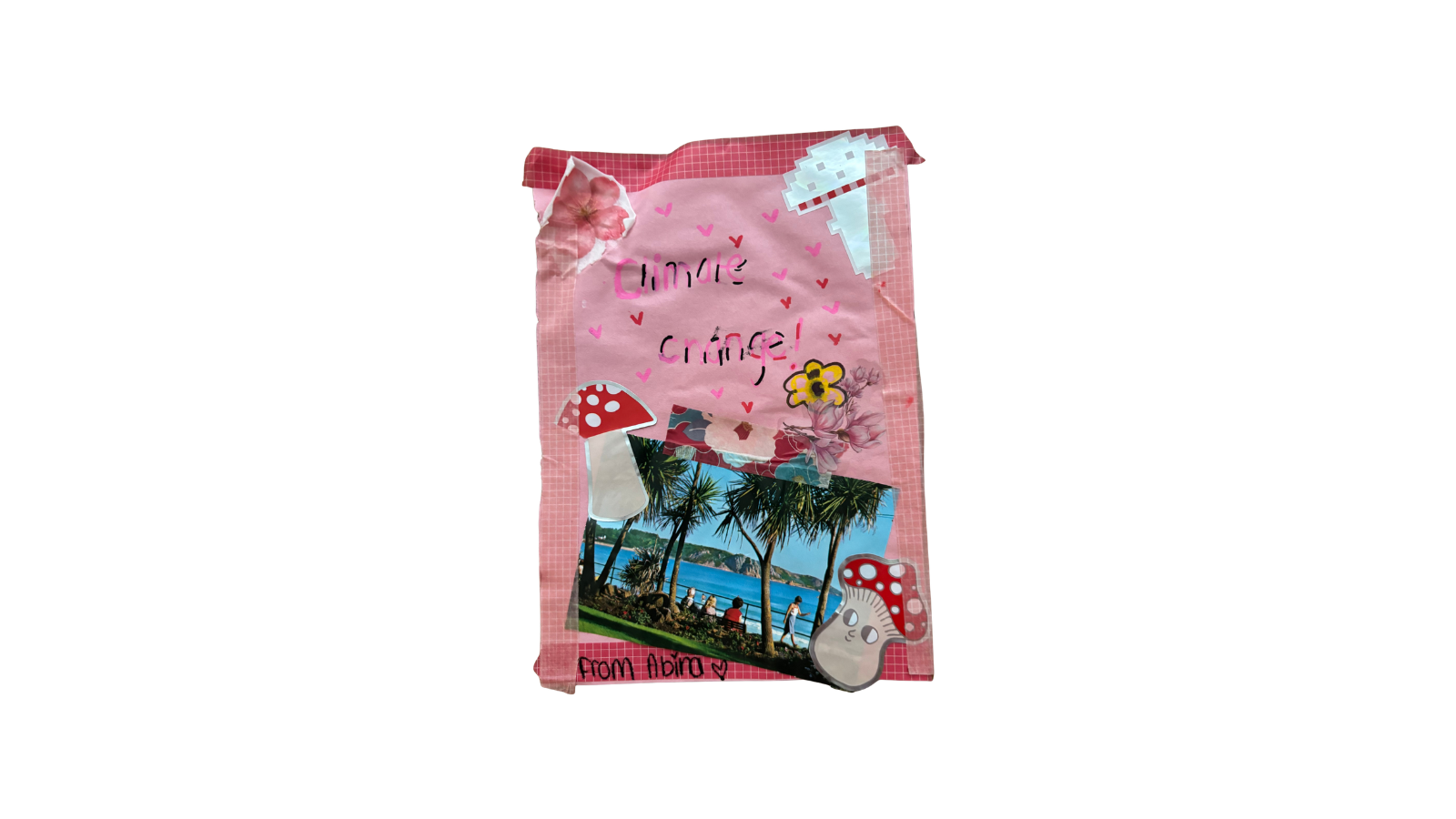
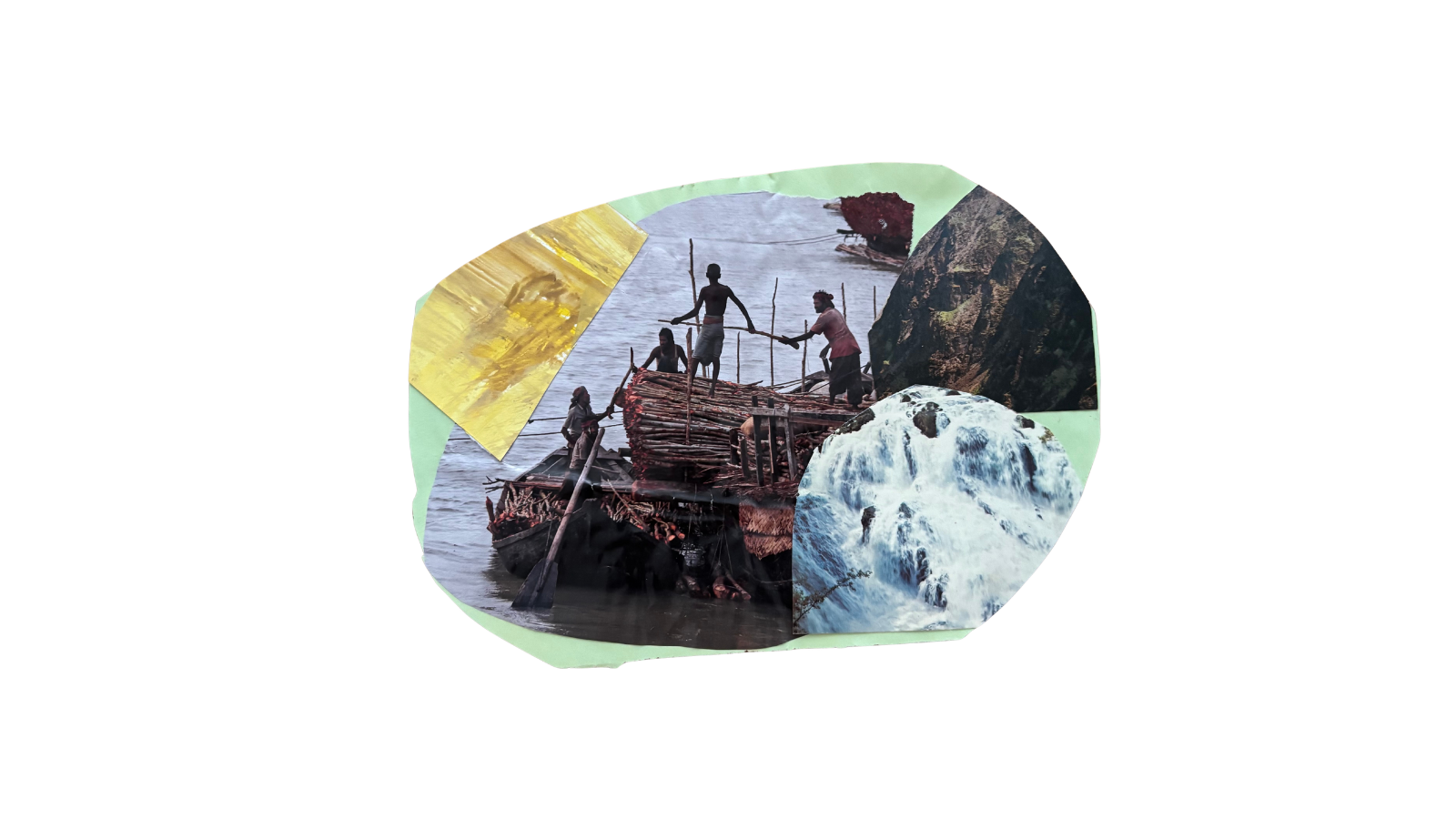
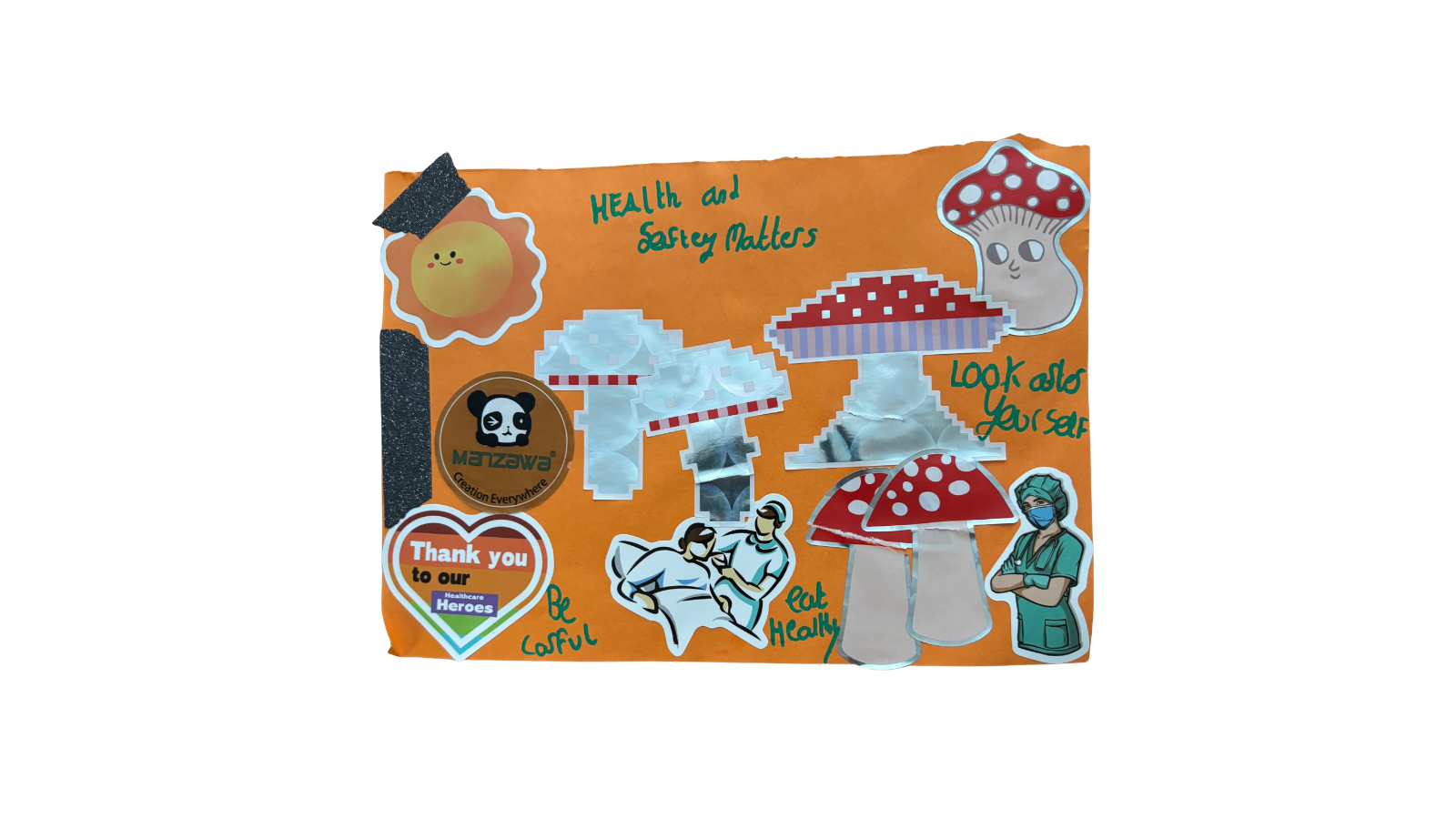
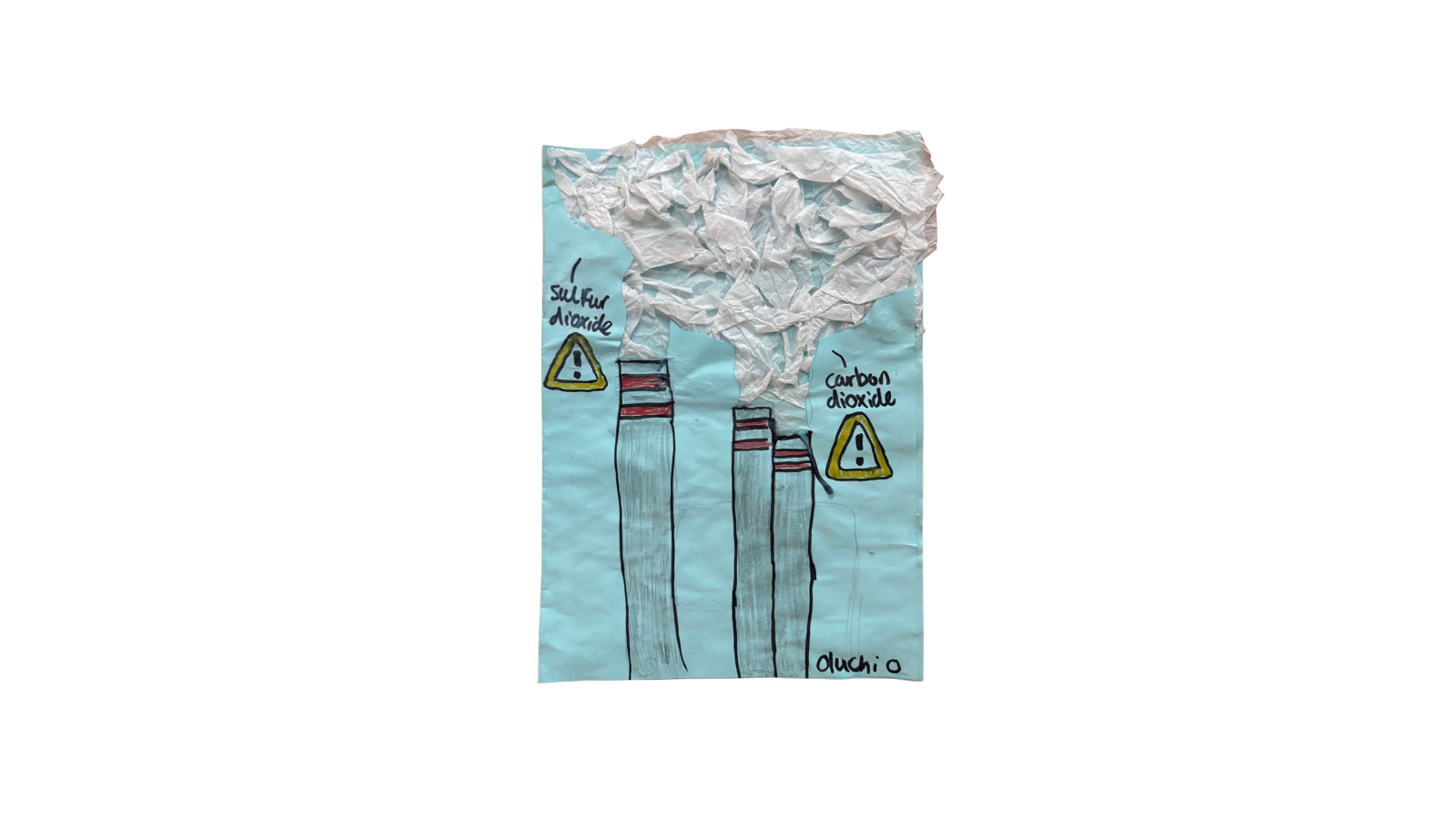

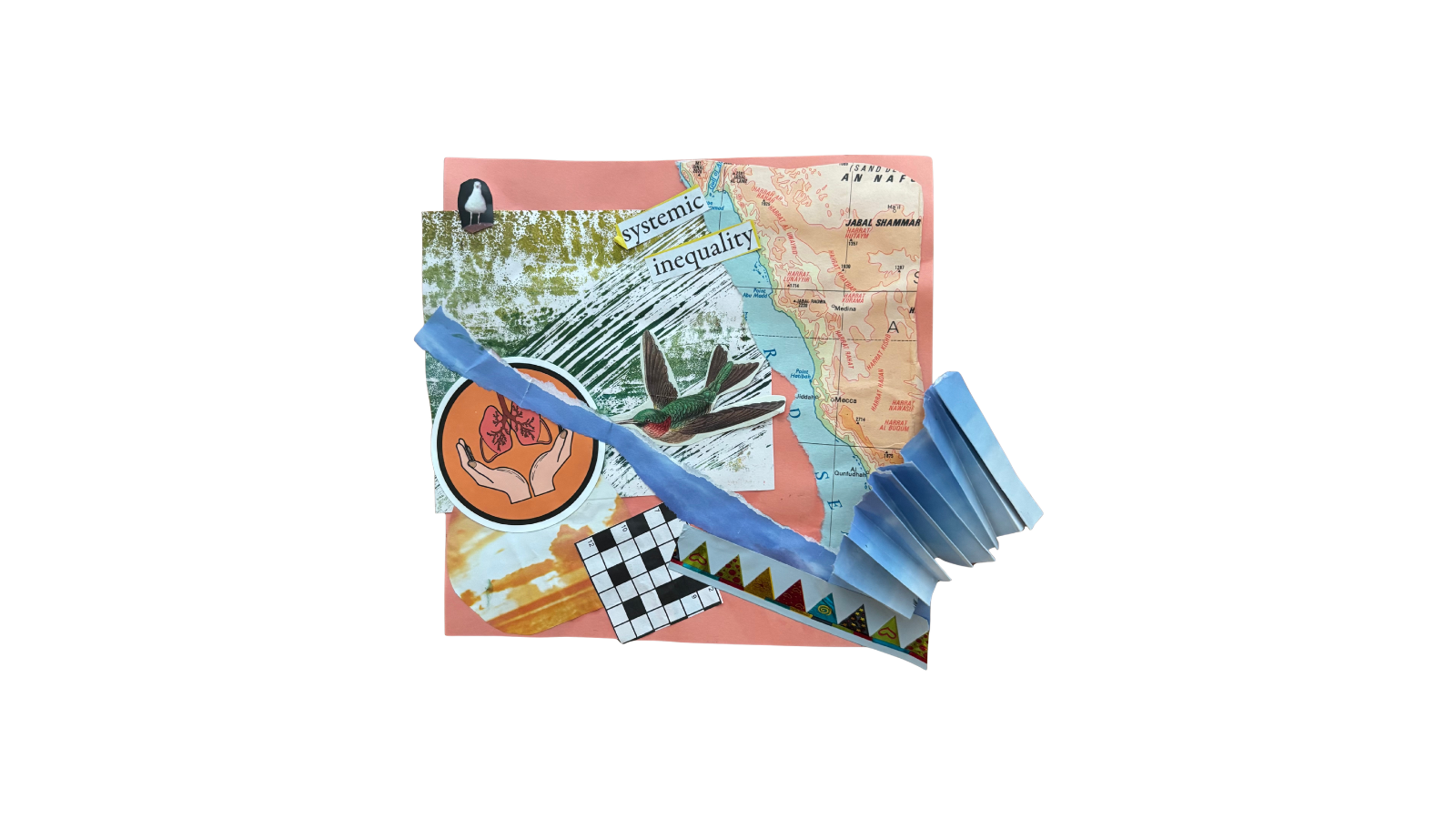
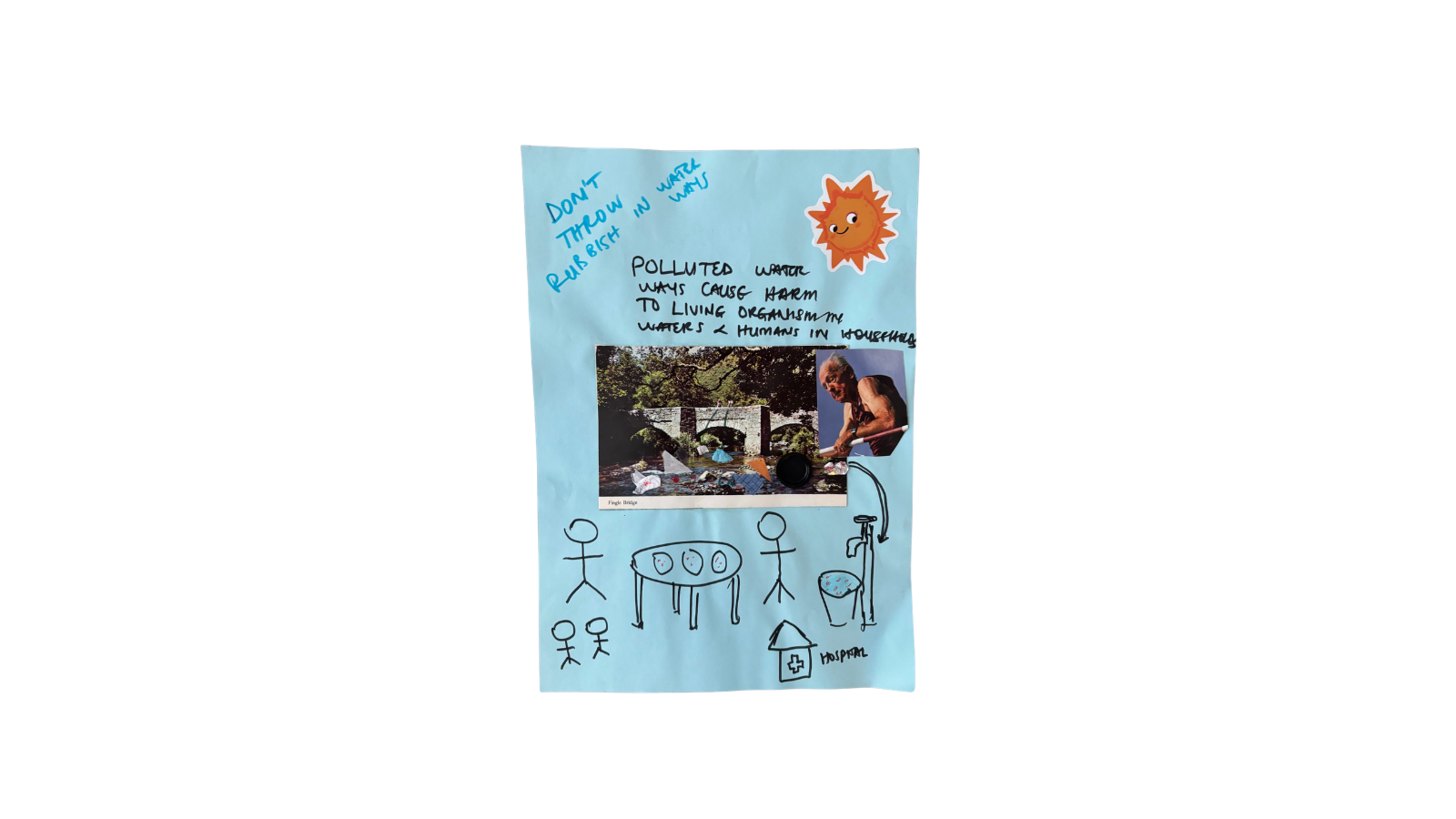

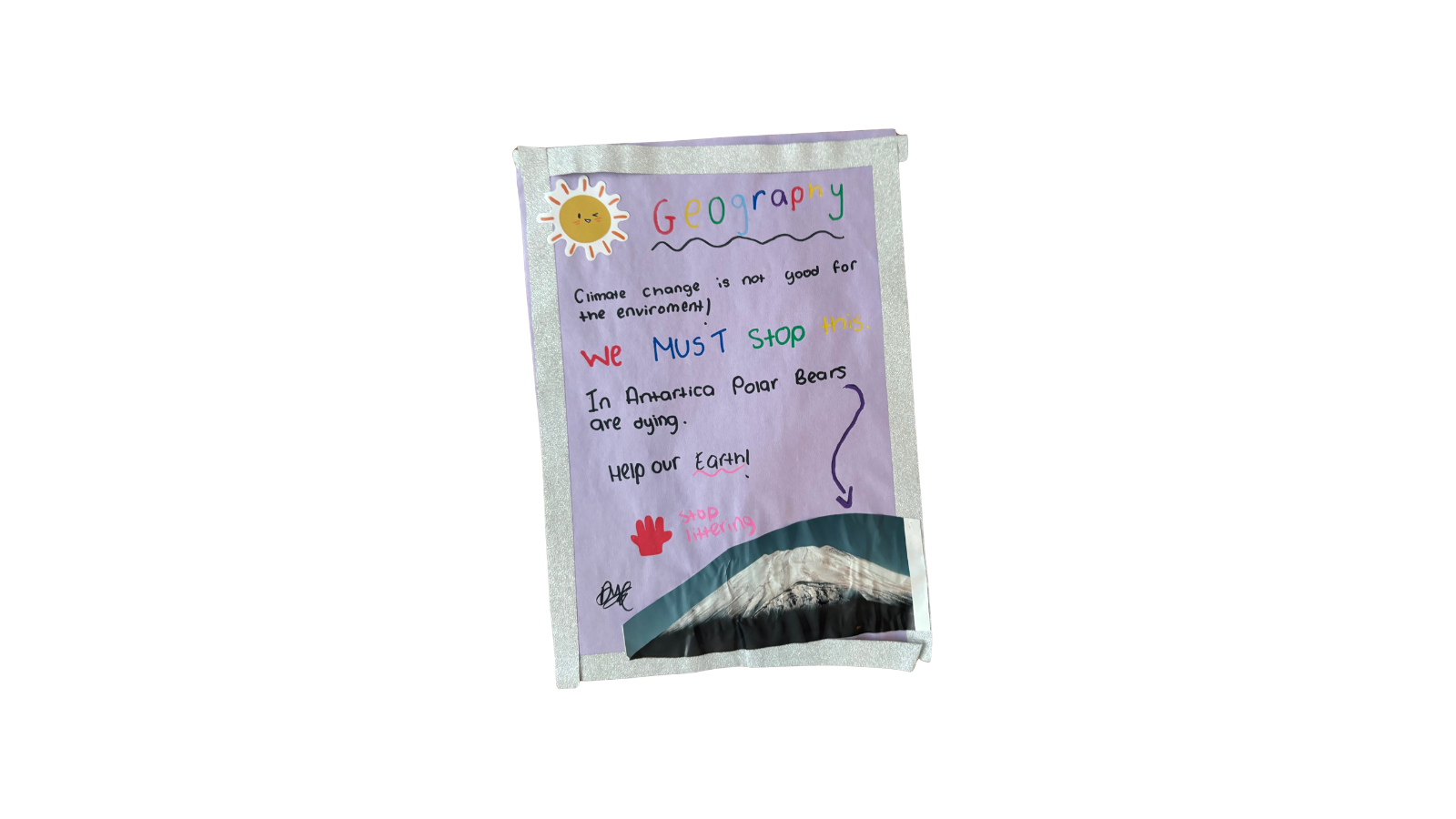

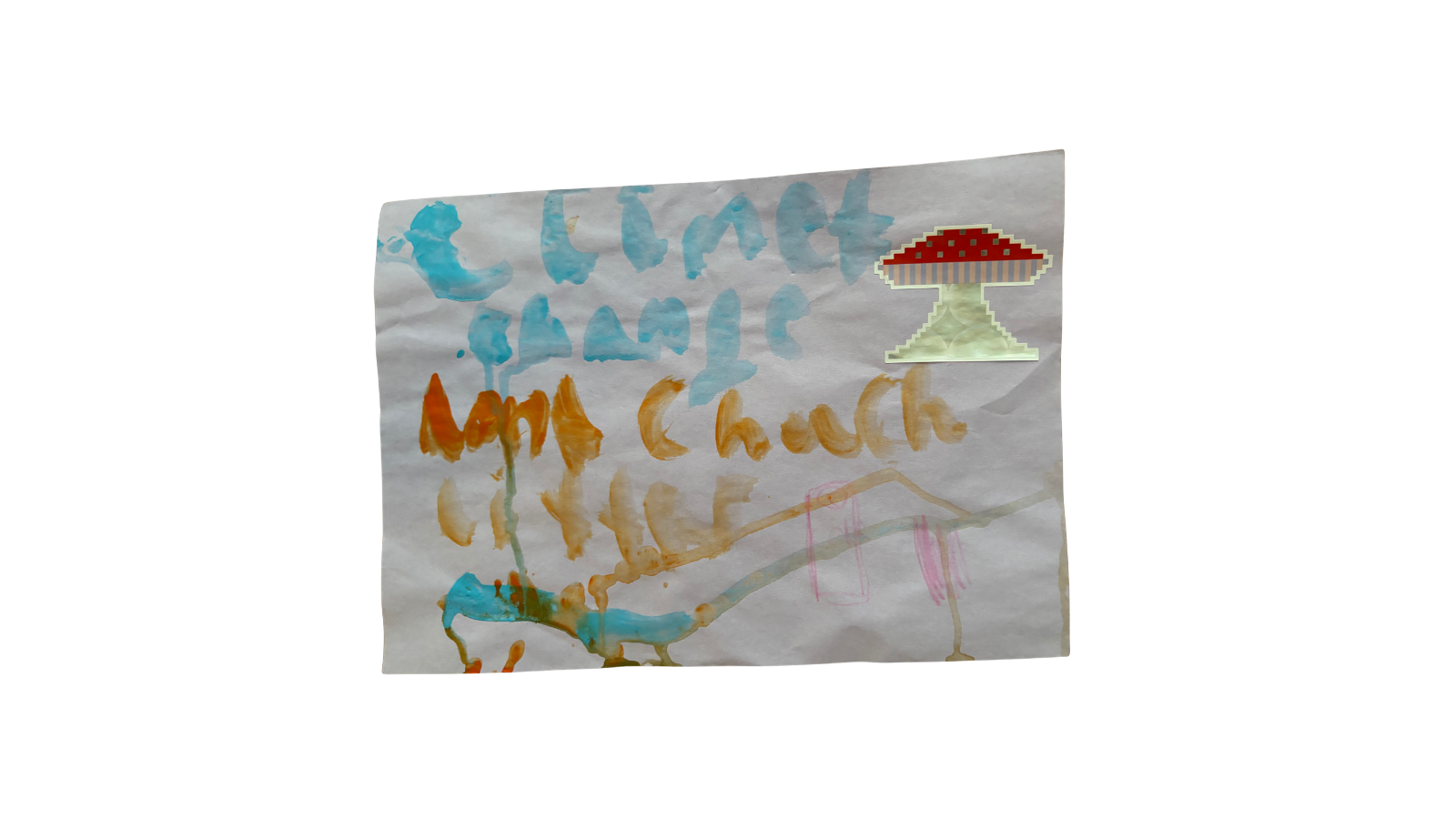
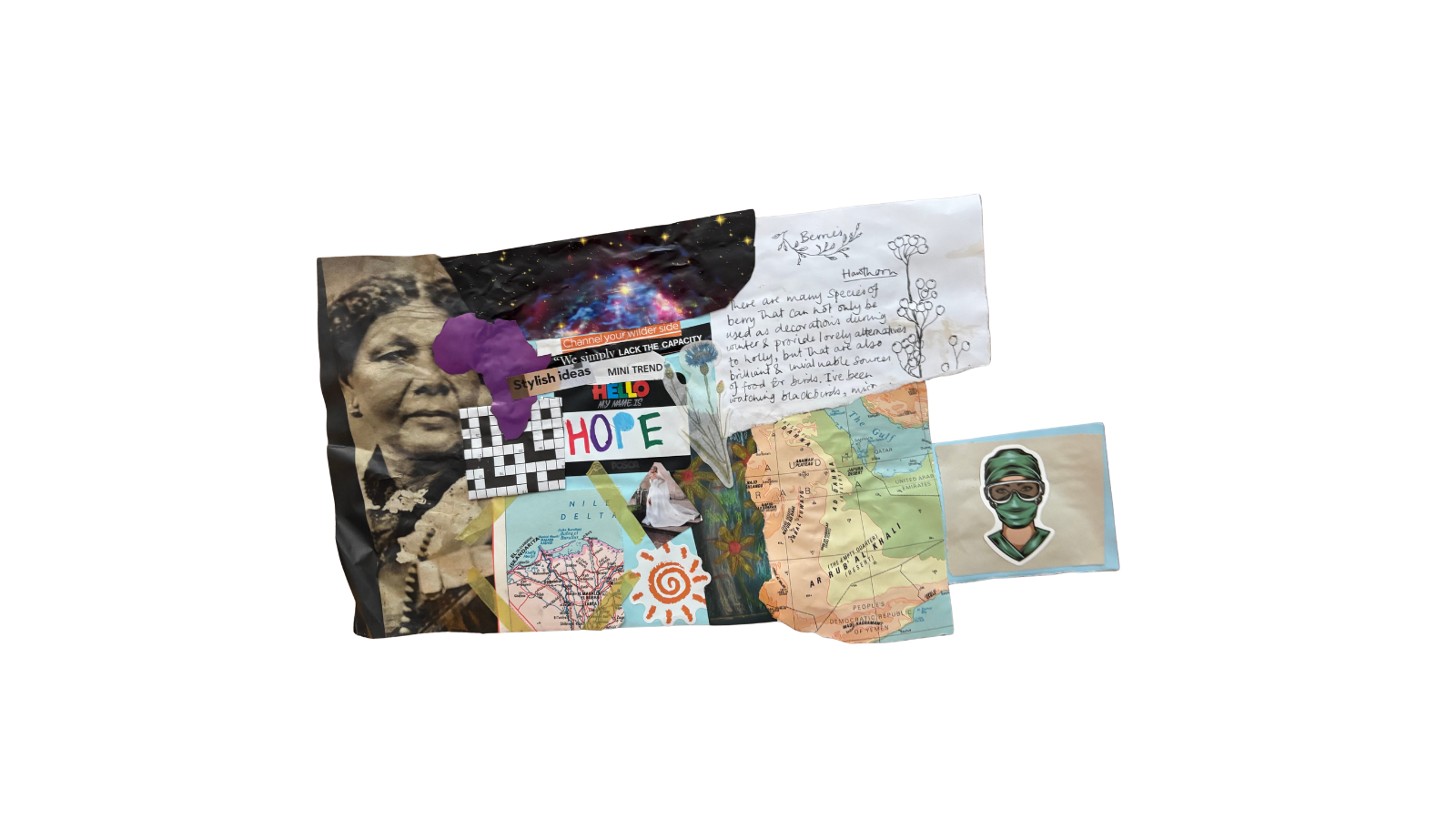
We hope you enjoy the art that was created, just as much as we enjoyed the conversations with everyone we met. We wish a huge thanks to all our artists.
Can we ReBUILD for Resilience? Learning for health systems in crisis and shock
Kate Hawkins (Pamoja Communications), Thazin La (Burnett Institute Myanmar), Mariele Horncastle (Queen Margaret University), Rouham Yamout (American University of Beirut), Joanna Khalil (American University of Beirut), Karen Miller (LSTM)
“Respect for international humanitarian law is not there anymore,” began Elhadj As Sy, humanitarian and global health leader.
The LSTM Chancellor’s message at the opening of ReBUILD for Resilience’s final meeting explored what health systems research might look like in a new world where the old rules no longer apply and civilians, researchers, and health workers face ongoing and unprecedented danger. He stressed the need for partnerships and communities to care for one another and protect ourselves and health facilities in solidarity.
ReBUILD for Resilience has been conducting research in fragile and shock-prone settings for many years. These fragile states are home to 2.1 billion people and 72% of the world’s extreme poor. In many ways, ReBUILD has acted as a supportive mechanism to help researchers – from Myanmar, Sierra Leone, Lebanon and Nepal – to develop new knowledge in the face of extreme challenges. Their mission was to focus on practical application to build the capacities of health systems to flex in the face of shocks and stresses.
This final meeting was a chance to distil the learning from this large programme, which has worked through pandemics, wars, earthquakes, financial collapse, aid cuts, and geopolitical chaos.
What is health system resilience?
People tend to think of resilience as bouncing back after a disaster, rather than keeping going through the everyday challenge of living in a poly-crisis. For example, in Lebanon, we have worked through an economic crisis, COVID-19, the port explosion and two wars – there has been no normality.
At the meeting we heard that there’s a difference between tolerating a weak system for a long time and building health systems resilience. Adaptation happens in both the formal and informal realm, and yet the informal innovations are not always recognised and built upon in practice. The health systems that have found ways to sustain innovations, and particularly those that have actively involved more actors and communities and have learned from previous experiences were able to act faster to meet local priorities. These are also the systems that have been able to sustain changes for longer, which is why the measurement of changing capacities is so important, particularly at the local level. Sometimes, the local experience has even provided the blueprint for national policy.
“What came across is how dynamic fragility, displacement and crisis are – Rebuild for Resilience has found creative ways to work with and learn from this constant change in fragile contexts” – Katy Davis (LSTM)
Community and the health workforce
The health system begins in the household and community, and very often the labour at this level is unpaid and falls on women and girls. There is a danger that resilience is built on the backs of communities and health workers – what our colleagues in Bangladesh have called the privatisation of resilience. These are often the most vulnerable people in our societies and recognising and mitigating against the propensity for them to be used and exploited by the health system is important. Health workers need support, they are not immune to the shocks and crises, but are often required to keep delivering services. The health system cannot rely on unpaid labour, health worker sacrifice or family support. Health workers require a package of support including fair compensation, recognition, safe conditions, training, psychosocial support and supervision.
Gender and disability
Precarity, feminisation and informalisation of the workforce are all exacerbated by conflict and shock and so understanding how they are managed and supported is key. Much of ReBUILD’s work on the health workforce explicitly took a gendered approach – charting women’s experience of the double burden of domestic responsibilities alongside paid work, their underpayment and lack of recognition. Participatory action research in Lebanon led to the creation of women’s groups among informal refuse women workers – advocating for workers’ rights, providing peer-led childcare and taking part in a film to tell their story to an international audience.
We heard from ReBUILD experts that the work on gender equity and disability inclusion in the consortium showed positive progress; however, these areas could have been better integrated as cross-cutting themes across all consortium activities. Our work on disability in Myanmar was very progressive, but this was not spread equally across the consortium.
Gender and inclusion should not be treated as standalone components, but rather embedded across all areas of work, at least at a basic conceptual and operational level, and properly documented. Overall, there are still gaps in applying gender intersectionality and disability inclusion across our country-level work, beyond specific targeted activities. The session also highlighted the importance of having a clear framework that defines what gender, equity, and justice mean in relation to our work, as these concepts may differ depending on project context, resources, and constraints. This would also help in developing clear indicators to measure progress effectively.
Governance
In fragile and poly-crisis settings, resilient health systems depend on governance that is locally grounded, inclusive and adaptive. ReBUILD’s learning site experience showed that strengthening existing community structures, such as Municipal Health Committees, community health volunteers, and informal health workers, can improve coordination, responsiveness, and sustainability by embedding new practices within established local systems. Continuous mentoring, dialogue, and participatory engagement helped build stakeholder capacity, foster trust, and support evidence-informed planning, while collaborative multi-level approaches strengthened links between communities and institutions. A central lesson is that governance is most effective when it builds on community strengths, prioritizes local ownership, and moves beyond recognizing equity and inclusion to fully integrating them into practice.
Communications and research uptake
Fostering the uptake and use of new knowledge has been central to the ReBUILD approach. But this has not been without challenges. It has been difficult to continuous learning, adaptation, and decision-support processes during uncertainty and shocks. Health systems fragility often creates competing priorities and limited absorptive capacity. Furthermore, timeliness often matters more than perfection in terms of communication in emergencies; the creaky and glacial process of academic publishing often does not meet this need. As a result ReBUILD balanced more traditional research outputs with briefs, blogs, toolkits and other grey literature.
“I was struck by the sheer scale and depth of the ReBUILD for Resilience programme, it was a privilege to be in the same room with so many people who have carried out incredible work in some of the most challenging contexts. I was inspired by the creative outputs shared – from participatory videos with female health workers in Lebanon and Nepal, to colouring books created with people with disabilities in Myanmar. Amidst crises and shocks, creativity emerged alongside resilience, showing how people and systems continue to adapt, respond and imagine new possibilities.” -Shahreen Chowdhury (LSTM)
Concluding words
ReBUILD Director, Joanna Raven, rounds off this blog, reflecting on the many years of work that ReBUILD has contributed to the sector:
“Our collaboration, solidarity, research expertise, and embedded insights have ensured that our research has contributed to developing resilient health systems in fragile settings.”
You can read more on this mini site that houses the ReBUILD final report
Check out our new Special Issue of Social Science and Medicine-Health Systems
Five key takeaways from the WHO launch of the Global Research Agenda on Knowledge Translation and Evidence-informed Policy-making
In this blog Hayley Stewart reports back on the World Health Organisation (WHO) launch of the Global Research Agenda on Knowledge Translation and Evidence-informed Policy-making. This milestone marked the culmination of two years of collaboration involving over 130 experts from more than 40 countries. The agenda is a collective roadmap to strengthen how evidence informs policy decisions worldwide. Below we’ve pulled out five key takeaways from the event to keep you up to date!
1. A global call to strengthen the science–policy interface
Opening the session, current WHO Chief Scientist Jeremy Farrar emphasised that embedding evidence-informed decision-making across the WHO and beyond is a critical shift:
“We need science-informed policymakers, and we also need policy-informed scientists. This work must be truly embedded across the organisation—this is not optional.”
Farrar underscored the importance of breaking down silos within and beyond institutions to ensure research is linked effectively with action, particularly during health crises.
2. A collaborative and inclusive process
Bastien Kolt, Technical Officer from WHO’s Research for Health Department, outlined how the agenda was developed:
“We engaged over 130 experts from 40+ countries through Delphi surveys and consultations to refine and prioritise 19 top research areas. The result is a shared, inclusive blueprint for global, regional and local efforts.”
He noted that the agenda addresses gaps, reduces research waste, and aligns stakeholders around common goals in knowledge translation and evidence-informed policymaking.
3. Five research priorities to guide the field
The agenda’s research areas fall into three domains—interventions, barriers and facilitators, and methods/metrics. From institutionalising evidence use to exploring the role of AI in knowledge translation, the priorities are intended to guide funders, researchers and policymakers alike.
Kathryn Oliver, Professor at the London School of Hygiene and Tropical Medicine, commented:
“We already know a lot—now we must do better at sharing what we’ve learned. Let’s build on what exists to avoid duplication and drive smarter, more coordinated research.”
4. Bridging the gap between research and practice
The panel discussion focused on how to translate the agenda into action. Several speakers offered practical approaches:
Rose Oronje, Director of Public Policy and Knowledge Translation at the African Institute for Development Policy, Kenya said:
“Take advantage of existing platforms and spaces—don’t reinvent the wheel. Embed the agenda into the programs you already run and contextualise it to your region.”
Walid Ammar, Director at the Saint Joseph University of Beirut, and former Director General of the Lebanese Ministry of Public Health, emphasised institutional approaches:
“Embedded research units within Ministries of Health can be powerful. They bring together researchers and policymakers to co-produce actionable evidence.”
And Tikki Pang, Visiting Professor at Yong Loo Lin School of Medicine, National University of Singapore, reminded us:
“Asian philanthropies are an untapped source of support. We must foster new partnerships, especially in regions where traditional research funding is limited.”
5. Commitment to future action and investment
As part of the launch, Robert Terry from WHO’s TDR announced a funding opportunity for low- and middle-income country researchers:
“This is a live call to support research aligned with the agenda’s priorities. We’re looking for collaborations that translate evidence into impact.”
The session closed with a call to action from Tanja Kuchenmüller, Head of WHO’s Research for Health Department:
“This agenda is not just a document—it’s a shared vision to guide us forward. Now the work begins to implement, monitor, and adapt it together.”
The Global Research Agenda is more than a policy tool—it is a call to action for researchers, practitioners, and decision-makers to align efforts and make evidence count where it matters most. For more information, visit WHO’s EVIPNet page.
Webinar report – Practical Pathways for Change: Learning how to integrate a gender and equity lens in AMR research projects
In this blog Hayley Stewart reports back on the recent Practical Pathways for Change webinar, introducing a new resource aiming to incorporate gender and equity considerations into Antimicrobial Resistance innovation, intervention, and implementation research.
Gender, among other social, cultural, and biological factors, can have an impact on susceptibility to antimicrobial resistance and adversely impact the effectiveness of mitigation strategies within a community. Earlier this month the International Centre for Antimicrobial Resistance Solutions (ICARS), in collaboration with the International Development Research Centre (IDRC), Human Sciences Research Council (HSRC), Mahidol Oxford Tropical Medicine Research Unit (MORU), and Jive Media Africa, released a new resource aiming to incorporate gender and equity considerations into AMR innovation, intervention, and implementation research. Here we tell you about what we learned at their recent webinar to introduce the tool.
Erica Westwood from ICARS opened the webinar talking about the importance of considering gender in the context of an emergency like AMR, taking lessons on the necessity of applying a gender lens in crises like COVID-19 and climate change. She outlined how ignoring social and contextual factors risked deepening inequalities. However, gender analysis still remains a weak point in AMR research, with a distinct lack of sex disaggregated data. She then went on to explain how women can be key to understanding AMR, particularly as in rural areas they frequently will be the ones tending to sick animals, collecting water, preparing food, and caring for the sick and the elderly. In this collaborative project, the partners worked together to create a tool that helps us find and create sustainable solutions to AMR that are gender sensitive. And these solutions need to be contextually relevant, locally driven, and enhance equity.
Bhensri Naemiratch from MORU talked though the development of the tool, beginning with a systematic scoping review, looking at journal articles from 2017 to 2022 that discussed gender and equity consideration in AMR, focussing on human and animal health in LIMCs. The team engaged with 17 researchers from Sub-Saharan Africa and South East Asia, undertaking a participatory process through online consultation workshops. They then went through a co-creation process with seven researchers to develop the toolkit.
Dr Ingrid Lynch from HSRC in South Africa then took participants through some of the key features of the tool:
Part one provides an overview of key concepts and the relevance of gender, equity and intersectional analysis in AMR. It synthesises research that does exist around the linkages between gender and AMR.
Part two is structured around the research cycle to illustrate how a gender and equity lens can be integrated into research. This is illustrated through the toolkit by two case studies. This section helps with problem identification and proposal development.
The guide includes a user-friendly tool, built on the vast array already available in this area, to guide researchers through a gender analysis at the beginning of their work, with a matrix to help them understand how gender considerations interact with their study topic. The authors see researchers coming back to the tool over and over again, helping them to build context and apply findings.
In stage one the guide helps with problem identification – including a checklist to prompt reflection and a systematic approach. Stage two cover proposal development and integrating gender and equity into study design, while stage three looks at implementation and data collection, including sampling and gender sensitive training for data collectors. Stage four examines data analysis, and outlines some of the common pitfalls when incorporating gender and equity considerations in data analysis. Stage five covers reporting and dissemination, including the use of gender sensitive and inclusive language and representation. Find out more about the resource and download it on the ICARS website.
10 Key Messages from the Webinar on Gendered Approaches to Monitoring and Evaluation in Health
On the 19 October 2023 the MAGE project convened a stellar panel of experts to explore and advocate for gender-responsive monitoring and evaluation of health programmes. In this blog our Director, Kate Hawkins, has synthesised ten key points from the webinar for health systems researchers to consider.
- A gendered approach encompasses needs, rights, and preferences, as well as gender power relations and systems. It is crucial to recognise that gender extends beyond just biological differences and beyond the gender binary of men and women.
- Women, who often suffer from inequitable power relations and systemic disadvantages, are often a primary focus of gender-responsive monitoring and evaluation in health. An intersectional lens should be adopted to address issues like class, age, race, ethnicity, and geographical location, recognising that gender intersects with multiple aspects of identity.
- Indicators should be sex-specific, sex-disaggregated, and related to gendered power relations and systems, enabling a better understanding of gender dynamics.
- Power imbalances disproportionately disadvantage women and girls and affect their health outcomes, posing a threat to achieving universal health coverage. Sexual and reproductive health plays a significant role in empowering women and girls to make choices about their lives, and it is heavily influenced by gender norms. Controlling women’s bodies, sexuality, and reproductive choices is a significant contributor to gender inequality, making it crucial to understand these power dynamics to improve health outcomes in these areas. Health directly affects access to education, economic opportunities, and participation in social and political life, impacting women and girls’ ability to attain gender equity.
- Programmatic priorities should have a gender lens from the outset, enabling the creation of indicators to monitor progress on gender-related issues. Equitable participation and representation of diverse groups in interventions are essential for promoting gender equality.
- Gendered aspects of health in outcomes and determinants must be measured to prioritise these issues in the analysis and emphasise their importance. Striving for improvement in research and programs is vital while also being vigilant to prevent unintentional gendered harms.
- Gender-focused interventions often target women, men, and communities to change gender norms and roles in family planning, but the health systems supporting these communities are often overlooked. Identifying gaps and measuring inequalities within the health system is essential, requiring gender-responsive monitoring and evaluation.
- Addressing practical issues, such as inadequate facilities in health centers, lack of access to health insurance, and gender disparities in the health workforce, is crucial alongside normative processes.
- Progress should be tracked in real time, and responsive actions must address the specific challenges faced by women and girls.
- National health information systems may not capture all necessary gender-related data, and integrating information from other sources, like primary research, may be necessary to fill these gaps. Considerable capacity development may be needed at multiple levels of the health system to introduce and strengthen this approach, including improving political will in this area.
The workshop speakers emphasised that “We measure what we treasure, and we treasure what we measure.” The time for measuring gender in health is now.
MAGE is a partnership between Johns Hopkins University (JHU) and the Global Financing Facility for Women, Children and Adolescents (GFF), a multi-stakeholder partnership housed at the World Bank that is committed to ensuring women, adolescents, and children can survive and thrive. They do this through the advancement and strengthening of gender- and equity-intentional monitoring and evaluation.
Speakers at the webinar included: Anju Malhotra, PhD, Professor of the Practice, International Health, Johns Hopkins Bloomberg School of Public Health, Senior Gender and M&E Advisor, GFF, The World Bank • Choolwe Jacobs, PhD, Head of Department of Epidemiology and Biostatistics at the School of Public Health, University of Zambia, Country Lead, Women in Global Health, Zambia • Rosemary Morgan, PhD, Associate Scientist, Johns Hopkins Bloomberg School of Public Health, USA • Asha George, PhD, South African Research Chair in Health Systems, Complexity and Social Change, School of Public Health, University of the Western Cape, South Africa
‘We did our best’ – Resilience in the local health system in response to COVID-19
In this blog post by Kate Hawkins, Saugat Pratap KC, Shreeman Sharma, Sophie Witter, Karen Miller, Jo Raven and Shophika Regmi, we report from the HERDi learning site in Kapilvastu, Nepal where ReBUILD for Resilience is implementing embedded health systems research.
“Nobody could have imagined the impact that COVID-19 created. I have been working as a paramedic for 25 years – I have seen floods and outbreaks. We did have small disaster management plans, but we were not prepared for the pandemic.”
Siddhartha Kaji Bajracharya, Health Post in-charge
A recent visit to Kapilvastu, one of the districts in Lumbini Province of Nepal was an opportunity to hear from municipal elected officials of Kapilvastu Municipality (including mayor, deputy mayor and ward chairs) and health workers on their experiences during the early months of the COVID-19 outbreak in 2020. Their stories demonstrate the resilience of a local health system under strain, as well as the challenges of emergency planning, especially in a decentralised context, and important recommendations for institutional and structural changes.

When the pandemic hit, Kapilvastu, along with many local government authorities all over the world, found itself unprepared – in terms of human resources, medicines and supplies, infrastructure and information systems, with no obvious mechanism to generate the types of evidence that could help guide the emergency response.
Initially there was little federal guidance on how to respond. In this liminal space, local people had to make quick decisions about how to manage the crisis – innovating and adapting as COVID-19 unfolded.
Governance and communication
At the start of the pandemic there were no official updates through the usual federal government channels. In the absence of formal guidance, health workers and managers found information online, through Facebook and other global sites. While there is the potential for this type of source to broadcast dis- and misinformation, health workers were struggling with how to respond and counsel their constituencies. It was through online sources that they learned about aerosol transmission and isolating people suspected of having COVID-19.
They described chaos in their decision making in a context of rapid threat and information and resource gaps. To overcome this, local-level decisions had to be made by elected representatives as the situation evolved. Some of these decisions may not have been strictly compliant with the federal level but local actors were trying to avoid ‘unmanageable human catastrophe’, and this was made more challenging by the open border with India.
Kapilvastu Municipality formed two Rapid Response Teams that each comprise five team members. One was led by a health facility in-charge having a large catchment area, and another was led by a municipal health coordinator. The other team members included a nurse, a lab technician, a health assistant and an auxiliary nurse midwife who worked closely with the ward chair. Kapilvastu Municipality has 12 wards. The ward chair is the chair of the Health Facility Operation and Management Committee (HFOMC) in each health facility at ward level, and the Health facility in-charge is the member secretary of HFOMC, and together they quickly mobilized the Female Community Health Volunteers (FCHV). Municipality and ward offices, in coordination with local health facilities, enforced COVID-19 strategies at the local level. For health communication, FCHVs were mobilized, having the support of their communities and particularly close relationships with women and children given their work on maternal health and immunization.

Medicine and supplies
Sourcing test kits and PPE during the initial stages of the pandemic was challenging. Local stakeholders didn’t even have masks at first, and were conducting house visits while frightened of potential infection and the possibility of harming their own families. They described attending patients without even a thermometer to assist with diagnosis. When test kits finally did come through, the PCR results were processed in Kathmandu and took 30 days to come through and this long timeframe hindered planning and action. When PPE did arrive it wasn’t fit for purpose. Health workers described taking 300-400 swabs a day in 35 degree heat inside stifling PPE that couldn’t be removed until the day was over.
Infrastructure
Local-level decision-makers were tasked with opening quarantine centres for people who they suspected were infected with COVID-19. But this was easier said than done as they had no existing infrastructure to use and they were unsure how to isolate people. In the end, they used the school buildings that were closed due to lockdown and quarantined more than 5,000 people in 12 wards. When the weather allowed, people from the isolation centre could stay in the fields outside, but when the heat and rains came there was a serious lack of space inside the building. They also had to run toilet facilities where none had previously existed plus the schools were not accessible for people with disabilities. Caring for Nepali migrant returnees from India was also a challenge as they didn’t have family members to bring them food every day, or had care takers who lived far from Kapilvastu. This problem was compounded by food shortages at that time. The health workers were also impacted by this and had to work throughout the day fuelled just by fruit, with most shops closed during the lockdown.

On the Nepali-Indian border the arrival of people from India was also an issue. Potentially infected Nepali people were returning home and needed to be tested and cared for, so a new border health check was created at Krishnagar border. At the peak of the pandemic, staff (who themselves fell ill) tested around 300 returnees each day, issuing each infected person with care information. Unfortunately, the majority probably got straight on to public transport, spreading the infection further. This testing facility continues to run, supported by international NGOs, the EU and Kapilvastu Kids, however the nearby new quarantine facility remains unopened due to a lack of funds. (Another problem was migrant returnees entering Nepal via unofficial, unregulated transit points and not being tested.) The border health desks still test for COVID-19, TB, malaria and HIV but on a purely self-referral basis, and samples still need to be sent to Kapilvastu for screening, raising questions over patient and contact tracing and treatment.
Human resources for health
The COVID-19 response relied heavily on the health workforce; a workforce already understaffed and under strain. When these health workers themselves got infected with COVID-19 this was a significant challenge. In one of the health posts all of the staff were infected and it had to be shut down altogether.
The Nepal Police helped with the response, managing the food provided in the quarantine centre and how funds were allocated for this. There was adaptation in the absence of guidance to try and ensure that the poorest were targeted, but because of the lockdown it wasn’t possible to launch a multi-sectoral approach and NGO staff stayed at home until much later in the pandemic.
Local health facilities struggle to provide routine health services on a good day and this was further aggravated when there is an emergency. For instance, Kapilvastu Municipality has five primary health centers, but not all sanctioned positions have been filled. Also, around 40% of the municipality’s population live in just four of twelve wards, and with just two health workers to deal with around 9,000 people in each ward the situation is very challenging. Furthermore, Kapilvastu is prone to disease outbreaks due to several socio-economic and geographic issues. During shocks like COVID-19, local health systems have trouble meeting routine health demands with such emergencies exacerbating the issue. Therefore, the resilience of the local health system is a pressing issue in Kapilvastu Municipality.
Looking to the future
The health system was heavily impacted by the pandemic. Immunisation, family planning and nutrition services – the foundations of primary health care – were all put on hold for more than three months. Data collection ceased. When services did resume they took time to get up to speed. In rebuilding the health system, lessons from the outbreak have been incorporated into practice and longer term aspirations:
- Communication during the pandemic cemented the importance of mobile phones. Now the health posts have access to the internet which was not a priority before. Better communications are a key priority for the future.
- In terms of infrastructure and medical supplies, the first stage of the emergency highlighted the need for greater testing and lab capacity, and the scarcity of oxygen in the second phase taught the importance of strengthening hospital care.
- The pandemic highlighted how health emergency decisions by federal governments, such as the decision to impose a lockdown, may have hampered local level coordination and action. Stay-at-home orders prevented a truly multi-sectoral approach and led to a reliance on the police and army where other sectors might have been more appropriate. Restrictive measures based on the local context may be more appropriate.
- During the emergency, the mayors had informal conversations and there was a formal inter- and intra-municipal sharing process. However, there were no mechanisms for sharing lessons learned across municipalities and communicating these stories of adaptation from one local level to another local level and from local level up to the provincial and federal governments. This is still lacking.
- Most of the local level health budget is conditional and this potentially restricts decision making space which is vital in emergencies (although there was a pot of flexible emergency funding that could be used in emergencies). Progressive flexibility could be considered in times of extreme hardship.
ReBUILD with HERD International will continue to document the lessons from the COVID-19 experience, working with municipal partners to identify ways to strengthen the resilience of the local health system, building on the capacities identified and the gaps (for example, around communication), and to share those lessons with other areas and with the district, provincial and national authorities.
Originally published at https://www.rebuildconsortium.com/resilience-local-health-system-covid-19/
Increase the impact of online events with our new superscribe service
We know that researchers put a lot of precious time, effort, and expertise into running informative online events such as workshops and webinars. But what happens to all that work after the event has passed?
Why recording online events isn’t enough
Since 2020 there has been an explosion of online workshops and webinars as the research sector transitioned to remote working. Virtual events have many benefits – increasing the reach and improving access to conferences and seminars and supporting international collaborations. They have, to some extent, made academic spaces more accessible – increasing the diversity of the audience in these conversations and exchanges. Many organizers will record their workshop or webinar, meaning those who couldn’t attend, are able to catch up in their own time. But data shows that engagement rates plummet after the event has passed. After 30 days, your recording is only likely to only get 2 – 6% in views. We think your event and the work you put in deserves more.
Our new superscribe service
We are expanding our current range of services and launching a new superscribe service to help you extend the reach and expand the outcome of your online events. Superscribing your workshop or webinar ensures your hard work doesn’t go to waste after your event has past, while also creating more products to help get your message out and increase impact.
How will superscribing work?
We can send a communications expert to record your online event and turn these notes into other text-based outputs including blogs, social media posts/tweets, social media cards, white papers and other text-based products. These can then be used to promote your message and also reach different segments of your audience.
At Pamoja Communications, we have extensive experience in the international development and global health field and are working collaboratively for a range of happy clients. But don’t just take our word for it: check out the testimonials at the footer of our website for a better insight.
Interested in finding out more about this service? Get in touch with the team today and learn how superscribing can revolutionize the impact of your online events!
How to build and maintain trust in International Research
Trust is the bedrock of all relationships and is a key ingredient to establishing effective relationships between different players, be it researchers, communities, countries, policymakers or scientists. In this blog Lynda Keeru shares a discussion between Prof Doris Schroeder, Lauren Paremoer and Ethan Greenwood in the Trust, Trustworthiness and the COVID-19 pandemic webinar, organized by the Global Health Network. The blog captures lessons, best practices and processes in build and maintaining trust in international research particularly in the face of epidemics.
Doris defined trust, trustworthiness and explained to the webinar participants on the difference between the two. Trust is given while trustworthiness needs to be earned. Public health authorities and governments need to earn trust of the population they serve and the population/citizens on the other hand should give trust.
Community engagement and various other exercises should be included in research processes to increase trust in international research. Doris noted that it is not often that the trustworthiness is examined and emphasized and that this should be done regularly. She reflected on the key things that should be done to strengthen trust and identified fairness, respect, care and honesty as key values. They are not only ethical values, but also personal characteristics. To this end, you can assess whether a person acts with fairness, respect, care and honesty; or whether they act out of the opposite which is self-interest, manipulation, hypocrisy and dishonesty. During the COVID-19 pandemic, significant distrust was observed among countries during the pandemic. Unfortunately, it requires a lot of courage to point out when leaders are operating from a point of self-interest. A closer relationship between ethicists and psychologists would help pinpoint particular topics and issues; like manipulation in social media that hampers COVID-19 efforts.
Doris shared best practices from a project she was involved in that aimed to build trust in international research despite significant resource differentials. She indicated that a majority of leaders were from low- and middle-income countries (LMICs) and the majority of team leaders were women. They had two communities from Kenya and South Africa involved from the start who gave input on exploitation risks. They documented 88 such risks. They then analyzed and mapped them out into ethical value. All of them zeroed into fairness, respect, care and honesty. This work has been translated into a practical framework for others to use.
Lauren’s presentation focused on social citizenship and the idea that states have an obligation to realize the welfare of citizens. This could mean their health but also their welfare in other dimensions including education. States are positioned differently in the global political economy in terms of ability to realize this obligation. Historically, LMICs have struggled to realize the social rights of their citizens and one of the key drivers of this has been the lack of access to public monies and resources in order to deliver on the promises of social inclusion.
A long view by political scientists locates this lack in historical dynamics, particularly colonial dynamics. The incorporation in the global political economy has led to developing states focusing more on extractivist modes of production, to prioritize their foreign obligations more that their social obligations towards citizens. For this reason, even with COVID-19, many citizens have felt abandoned by their states and having abandoned prioritization of their wellbeing in the service of growing the economy and serving needs of global capital. On a concrete level, this is reflected in disinvestment of systems, particularly public health systems and the increasing privatization of care. These are some of the structural issues that made it hard for citizens to access care during the pandemic; and this was experienced both in the global north and south.
In LMICs, problems with trust are not necessarily only with the state, but also with the global political economy. A concrete example of this is that in November 2021, South African scientists undertook excellent surveillance on COVID-19 mutations and they identified the Omicron variant and were transparent in their communication. They said that it was highly contagious and because of where South Africa is positioned in the global political economy, they received a lot of blows including border closures and stigmatization. Owing to this, when we think of trust, we should not think of it only in terms of government versus citizens.
Ethan shared a presentation with a focus in the context of the pandemic. Just when the pandemic had begun and lockdowns were in full swing, trust in scientists across the world increased in every region except for Sub-Saharan Africa, Russia and Central Asia. Trust generally increased in all types of institutions including doctors and governments. One explanation for this might be since all people were in this crisis, they had no choice but to trust what they were told. People interviewed stated that they trusted doctors and nurses the most, then health organizations, closely followed by governments. Despite the high trust in scientists, only a quarter of people felt that their governments valued scientific advice.
Trust in what science creates in terms of trust in vaccines is very much linked to trust in scientists but it is not a black and white issue and it varies. In France for instance, trust in scientists is high and distrust in vaccines is also quite low. The correlation generally does stand. In LMIC’s, trust tends to be high and whether or not there was trust for vaccines, it did not make a difference.
In order to increase trust, scientists must and should listen and understand the needs of the public. Trust among the public really does vary within countries. In about 80% of countries where people said that they were living comfortably, they were more likely to trust scientists than those who said that they did not were just getting by or struggling. It is important for governments and other partners to be perceived as competent and reliable. Consistent communication is also crucial.
CONTRIBUTORS
Prof. Doris Schroeder
Dr. Lauren Paremoer
Ethan Greenwood
Moderator:
Prof. Michael Parker
The first of its kind: Book on women and global health leadership
Lynda Keeru reports back on the book launch for Women and global health leadership: Power and transformation.
This book could not have been launched on a more befitting day, International Women’s day 2022. The authors and editors of the book are a bunch of brilliant, erudite women, well versed in global health matters. The book is a rallying call to arms to redress gender inequality and celebrate the many ways in which women are taking the lead in supporting the health in their communities. The launch was a very timely, as it presented an opportunity to celebrate women taking lead in supporting the health in their communities and their historic contribution.
This book is a first of its kind as it fills the gap in the literature. At a time when women are experts in global health but their professional experience and diverse perspectives are not valued sufficiently to guarantee them an equal place in leadership, the launch of this book is incredibly apt. Women held only 25% of leadership roles in health before the pandemic and women from the global south are further under-represented yet they make up 70% of the workforce. The frontline response of the pandemic was 90% women.
The establishment of root drivers of inequality and driving systems’ change are some of the key themes in the book. The book is inspired by partners, movements, organizations and communities that have been working to advance gender equality and spotlight women’s leadership.
A lot of ground has been lost with the onset of the pandemic and since this book went into production. A look at WHO’S Executive Board, the percentage of number of women that hold these seats went from 30% in early 2020, to 6% in January 2022. This is a reflection of where power is being shifted. This book highlights the many forms of leadership and demystifies social norms that reinforce the myths that men are natural leaders and women are destined to be followers.
Women in Global Health propose a four-point framework for change to support women’s leadership. First, governments must build the foundation for equality. Secondly, addressing social norms and stereotypes that drive gendered segregation. Third, is the need to address systemic inequalities and bias in work places and culture that favors men for leadership roles. Finally, enabling women to apply for leadership positions equally and on merit.
The book compiles research evidence examining barriers and facilitators to women’s global health leadership. It showcases personal, professional and political journeys to leadership of women across global health sectors. It additionally offers pragmatic solutions to increasing women’s representation in global health at different levels. It is a labor of love consisting of contributors and interviewees from 17 countries and six regions; hence providing a diversity of voices globally.
The book was inspired by a question that sought to find out:
“Why despite women representing the majority of people working to improve health outcomes in communities, non-governmental and multilateral organizations both as paid and unpaid health and social care workers, the existing governance system privileges men and what can be done to redress the imbalance?”
It takes its readers on an exploration of leadership roles that women currently play in global health and teases out the routes that women have taken to leadership. It also explores the challenges that these women have faced and things that have facilitated their journeys.
It brings to the fore stories of women on the frontlines of this struggle from around the world highlighting and complimenting these stories. It buttresses this with theoretical and analytical explorations of the structures and systems that help or hinder the process. The authors engaged ministers of health, policy makers, practitioners, academicians, students, researchers, healthcare workers, health service managers and members of multilateral organizations.
By highlighting key barriers and facilitators to women and global health leadership, the writers hope that organizations will use this book to help inform the development of institutional policies and procedures to support women in leadership positions across academic, health workforce and global health governance systems.
The editors too had a heartfelt word for their readers:
“We hope that within the pages of this book you will find information, inspiration and hope for how you can play a part in changing systems that no longer serve us well: information about women’s leadership experiences, inspiration from women leaders themselves, and hope for leadership systems and structures which are more equitable and just-leadership which places the most marginalized at the center and purposefully works towards positive change.”
Check the book out. It will be worth your time!!
COVID-19 and Health Inequalities
The International Conference on COVID-19 2022 was hosted by BRAC James P Grant School of Public Health (JPGSPH) and the Bangladesh Health Watch (BHW). This was an opportunity to discuss, debate and document experiences of the COVID-19 pandemic across low-and middle-income countries. Lynda Keeru and Kate Hawkins report back.
The conference covered:
- Evidence and lessons learned from the pandemic, which populations were impacted the most, livelihood and health vulnerabilities
- The response of governments and health systems to containment and vaccine delivery
- The effects of risk communication and the efficacy of local and national level data systems to aid and guide government decision-making
In the opening speech, Matshidiso Moeti, WHO Regional Director for Africa painted a very clear picture of the current situation:
“There have now been more than 10.4 million, that is almost 10 and a half million cases, of COVID-19 and over 234 000 lives sadly lost in Africa due to the pandemic. Vaccination remains our best defense against severe illness, death and overwhelmed health systems, along with other WHO-approved prevention measures, such as wearing masks consistently and correctly, as well as handwashing. So long as the virus continues to circulate, further pandemic waves are inevitable. Africa must not only broaden vaccinations, but also gain increased and equitable access to critical COVID-19 therapeutics to save lives and effectively combat this pandemic. African countries face major impediments in accessing a full range of COVID-19 treatment, due to limited availability and high costs. The deep inequity that left Africa at the back of the queue for vaccines must not be repeated with these life-saving treatments. Universal access to diagnostics, vaccines and therapeutics will pave the shortest path to the end of this pandemic.”
Speakers captured the situation in different contexts and offered recommendations from their divergent experiences. A selection of these presentations are highlighted below.
Caroline Kabaria: COVID-19, A driver of marginality in Nairobi’s informal settlements
Caroline presented work under the ARISE project. In Kenya research is being conducted in Korogocho, Viwandani and Mathare informal settlements. Slum statistics are often invisible/usually hidden in usual statistical sources such as the census. They are often lumped together with the general urban population in the data. This makes it hard to understand the actual situation of the urban poor who live within communities in the city. This can imply that slum communities are doing better than they really are.
There is a lot of danger in misrepresenting slum statistics by averaging with the regular urban statistics. For example, coverage of vaccination of children can appear as very high within urban areas, but within the same city in the slums, it is quite low. Providing municipalities, city managers, countries, NGOS, donors and policymakers with more granular data, helps them to prioritize interventions and investments.
Slum dwellers really depend on pharmacists and private providers with less utilization of public facilities. Most of the population spends out of pocket for consultation, medicines and other medical expenses. COVID-19 had a big impact on this population because majority of residents rely on the informal economy and staying at home meant losing their jobs and sources of livelihood. The pandemic disrupted this community’s access to healthcare and the lack of appropriate information on COVID-19 only made the situation worse. Many of the slum dwellers are illiterate and they reported difficulties in interpreting the COVID-19 messaging.
Recommendations:
There is a need for financial and risk protection innovations due to high out-of-pocket expenditure. It is also necessary for health systems and practitioners to collaborate with other sectors. More bottom up leadership approaches are needed. It is very important to empower communities to demand accountability from their leaders and service providers. The quality of primary health care and its linkages with allied and tertiary services is of utmost importance. Disaggregation of the deprivation of slum residents makes it easier to highlight issues of importance for people who live in slums and focus attention on these issues for policy makers. Caroline reiterated that investments in policies, programs and research requires slum-specific data systems.
Brunah Schall: Sexual and reproductive health during the COVID-19 pandemic in Brazil
Brunah’s presentation focused on sexual and reproductive health during the pandemic in Brazil. The neoliberal reforms introduced in 2016 reduced investments in the national public healthcare system. There was an uncoordinated response with the federal government pursuing heard immunity as a strategy and invested in an ‘early treatment kit’ that has no scientific basis. Preliminary results of research indicate reduced and closed sexual and reproductive health services, high attrition of sexual and reproductive health professionals, interruption of (infertility, breast and cervical cancer) treatment and investigation and difficulty in accessing pre-natal services among others.
Recommendations:
The study illuminates the importance of real-time data in order for policy makers to act. Circulation of correct information is key to avoid misinformation and the damage it causes.
Lilian Otiso: How Kenya’s health system adapted to COVID-19
The Kenyan government response, like many other countries, included national curfews, restricted movement in some counties, closure of (schools, bars and restaurants), fewer people on public transport, compulsory wearing of masks and people being asked to stay at home. Albeit with a few challenges, the health system’s response to the pandemic was quite efficient. It took a multisectoral approach with the coordination led by the government. There was a lot of community involvement, particularly by bringing on board community health workers who bridged the gap between communities and the health system.
The country ran major information campaigns with centralized real time data that recognized the needs of the vulnerable. The pandemic provided an opportunity and many innovations were coined such as digital technology (e-learning, remote working, online meetings, tele-consultations, tele-counseling), local manufacturing (PPE, beds, ventilators), courier services to deliver drugs and multi-month prescription for chronic diseases.
Even with the many impressive innovations, there were challenges. The poor, vulnerable and marginalized were left worse off. There was limited access to other health services, misinformation about the pandemic that spread, mistrust of the government by the citizens, increase in gender based violence and teenage pregnancies and a rise in mental health challenges. Noteworthy, most of these challenges were addressed by involving community members in the response.
Recommendations:
Successful efficient health systems responses to pandemics require public health responses with government coordination and multi-sectoral engagement. Community engagement is critical to address trust and misinformation in order to reach the vulnerable and encourage accountability. Health systems must encourage and nurture innovation as a means to remaining adaptive and resilient.
Sushil Baral: Rethinking primary healthcare after the pandemic
Health is a fundamental human right and Universal Health Coverage (UHC) is critical to achieving this right. Strong primary health care is the foundation of quality health systems that lead to UHC. UHC aspires to achieve good quality healthcare for everyone without them incurring financial hardship. Primary health care is important in bringing this goal to life because it is the first level of contact for individuals, families and communities with healthcare. It is an integral part of a country’s health system as it focusses on the health and wellbeing of its people including their social and economic development. It is important for quality healthcare to be available and at a cost that the community and country can afford to maintain at every stage. It should be practical, scientifically and technologically sound, socially acceptable and accessible to individuals and families.
Strengthening primary health care is a ‘hard grind’ task that involves multiple sectors and requires strong leadership. Adaptations that were made in health systems during the pandemic are unlikely to last if basics are not addressed. Continuity should remain a priority. Finally, the health workforce and community are the most fundamental elements to primary health care robustness and a lot of investment must be pumped into them.
If a paradigm shift is not taken, there is a real danger that COVID-19 will increase inequalities.
Recommendations:
The pandemic’s response to this crisis must be designed to mitigate this by taking account of the ways in which some people bear the brunt of multiple impacts. Those hardest hit by the pandemic tend to be those already most disadvantaged. In order to recover, policy must also take a long-term view and consider the long-standing impacts of the pandemic.
Achieving Universal Health Coverage – webinar report back
To mark UHC Day 2021, THET joined forces with Action for Global Health and Students for Global Health to call for Health Equity for All on this webinar ‘HEAL: Together for UHC’. Lynda Keeru and Kate Hawkins from Pamoja Communications reflect on what was said.
Ben Simms kicked off the webinar by reflecting on 2021, the second year of the pandemic. He said that COVID-19 exposed many existing inequalities, such as the harrowing ongoing vaccine inequality. There is a silver lining to this as it brings to light some of the inequalities people were not aware of, which he said was a useful thing, because by naming it, the journey to address it can begin. The pandemic has torn apart the world in so many ways, threatening decades of development progress. He challenged the webinar participants to think about how to find optimism that is so necessary in order to move forward. The greatest ray of hope is health workers and their commitment; as seen in how much they have stretched and worked so hard; not just in their day jobs but reaching across borders to express solidarity with each other.
The pandemic has forced people to have a much broader notion of who a health worker is, as people came to the realization that a huge coalition of people is needed to advance Universal Health Coverage (UHC). The HEAL Campaign brings together health workers prepared to speak out and make their views heard.
Power in partnership: Sonia Akrimi noted that the lessons learned are opportunities for progress; and that it is important to make sure that these lessons lead the actions taken and help develop strategies going forward. There’s need for a united response for this; all governments, policy makers and all healthcare systems and workers must be working together internationally to move the global situation forward. There is a lot of power in partnerships and how they can adapt and enforce meaningful change.
Overcoming inequality: The inequalities revealed and brought about by the pandemic have seriously hampered progress made towards achieving UHC as highlighted by Jose Manuel Barroso. About 8 billion doses of vaccines have been administered so far worldwide; enough to protect everyone in the planet, yet that’s not what has transpired. The vast majority of those vaccines have been administered in the world’s wealthiest nations. So while 70% of the population have been vaccinated, only 6-7% of the population in low-and middle-income countries have received their first shot. This inequality is not only morally wrong, but it is also preventing effective management of the pandemic. Ensuring that people all over the world have equitable access to vaccines and that countries have the capacity to distribute them, is the fastest way to end the crisis and set our economies on the road to recovery.
A focus on gender: Roopa Dhatt argued that gender equality must be hard wired into UHC. UHC will only be universal when it reaches everyone. Women face multiple barriers to accessing health services and for this reason, health services under UHC should be allocated according to health needs to address the distinct needs of women, adolescents and girls. UHC must be gender responsive and address gendered determinants of health and the root drivers of gender inequities. This includes ensuring gender equality in the health workforce.
Dealing with fragility: Sally Theobald reiterated that UHC would not be achieved unless there’s a focus on fragility. Fragile contexts are critical and are growing and we must concentrate our efforts there if we are serious about gender, equity and justice.
As we begin 2022, the priority has to be on redoubling efforts to make up for lost ground and building back better. This will bring the world closer to achieving the Sustainable Development Goals.
Supporting adolescent mothers in Nairobi’s informal settlements
This blog by Lynda Keeru and Kate Hawkins (Pamoja Communications) reports back on the recent webinar – ‘Empowering urban adolescent mothers using digital tools’ – which was organized by the USAID Urban Health Community of Practice. The webinar on urban adolescents showcased implementation research to ensure rapid knowledge and learning from evidence. It featured speakers from theKiboresha Afya Mitaani Project and LVCT Health, both based in Kenya.
The scale of the issue
Teenage pregnancies continue to be a pervasive phenomenon in Kenya – over 50% of all maternal deaths from unsafe abortions in Nairobi are young women aged between 15 and 24 years of age. Forty-one percent of adolescent pregnancies in Kenya’s informal settlements are unintended – either mistimed or unwanted.
Dr. Lilian Otiso, Director of LVCT reiterated that teenage pregnancies are a key concern, so much so that during the recently celebrated World AIDS Day, part of Kenya’s priority areas and focus were the link between teenage pregnancies and HIV. This came from the recognition that the highest number of new HIV infections are among the population. The President of Kenya restated the need to find strategies to solve these issues together because they undermine socio-economic growth and negate the progress made to end AIDS.
Addressing mother’s needs and challenges
‘Kuboresha Afya Mitaani’, a USAID-supported implementation research project, came to life with an aim of contributing to better maternal, newborn and child health (MNCH) outcomes for 60,000 of Nairobi’s most vulnerable women and children. They focus on improving understanding of the drivers of poor health and testing innovative solutions that catalyze political interest and produce replicable models for other urban contexts.
This involves getting a better understanding of the unique and contextual needs of the individuals and communities in order to develop context-specific human-centered solutions that put at the core the voices of mothers and their support systems. The process also includes generating evidence to catalyze government interest in the adoption, implementation and scale up of the interventions. They use implementation research to establish a participatory forum of multiple stakeholders to own these interventions and ensure future sustainability.
The co-created, demand-driven data collected by the project revealed three areas of need for adolescent mothers:
- Informational: Lack of information hinders care seeking, lack of knowledge about pregnancy itself
- Emotional: Stressors on young mothers, isolation, stigma, violence and abuse and financial challenges
- Care based: Disrespect in health care settings, lack of knowledge of entitlements, poor facility settings
Dr. Sathy Rajasekharan, Co-Executive Director, Jacaranda Health, explained how the project is using digital mechanisms, such as a free text messaging service to provide pregnancy information and field questions about pregnancy, birth and the post-partum period. They receive up to 3500 messages a day from across the country and includes a million mothers. It ensures that women with clinical questions are referred to health facilities.
The picture in informal settlements
Dr. Otiso explained how adolescent pregnancies are worse in informal urban settlements than in the rest of the country. The ARISE consortium focuses on accountability within informal urban settlements and the factors that affect the health and wellbeing of people in these spaces. Policy makers often have low levels of data from these settings and so the community’s needs are often invisible in policy and programming. Lilian explained that informal settlement dwellers are commonly left out of financing options and in programs like the rollout of UHC.
Solutions need to combine different elements of programming – community based interventions and digital technologies – to address the challenges of adolescent pregnancies and the need to care for girls in informal settlement settings and other hard to reach places. Communities must be empowered to use accountability mechanism to get redress from facilities or the state. These systems need to acknowledge that some groups within informal settlements – such as young people – are more marginalized than others.
She argued that it is sensible to combine some social accountability mechanisms like community scorecards, participatory action research cycles, and work improvement teams at community level with data that is being generated through the digital platforms to feedback to the community as well as health workers and planners.
Future directions
It is crucial to form partnerships to implement these projects and to scale up. There is a host of diverse research on informal settlements that can be brought to bear in our mutual challenge to produce and share knowledge that is critical for policy and for scale up. It is also important to strengthen policy at national and county level to support adolescent mothers and their newborns and children. The webinar also highlighted that embedded implementation research is demonstrating its ability to uncover critical information to affect change in hard-to-reach populations (i.e. adolescent girls living in informal settlements). The findings have numerous potential implications for other urban areas in Kenya and across the region.
Moderator:
Dr Cudjoe Bennett, USAID
Contributors:
Dr Sathy Rajasekharan, Kiboresha Afya Mitaani Project Director, Jacaranda Health
Dr Lilian Otiso, Executive Director, LVCT Health
Supporting community health workers in fragile settings requires a gendered approach
Experts at the recent ‘Close-to-community providers in fragile settings and vulnerable communities during crisis: Gender and COVID-19’ webinar discussed evidence from Brazil, Lebanon and Nepal. Participants also got an overview of the global situation for these vital workers. Lynda Keeru of Pamoja Communications Ltd reports back.
Close-to-community health workers play a vital role in supporting their local health systems in providing care and support to their communities. They often reach the most marginalized of people. Their roles can be particularly critical in fragile and shock-prone settings and during times of crisis such as the current COVID-19 pandemic.
Health systems are not gender neutral and gender shapes every bit of our world. Rosemary Morgan explained that women health care workers really are the drivers of health as they make up 70% of the 200 million workers who contribute to the health and social sector. They also deliver care to about 5 billion people worldwide and contribute to $3 trillion annually, half in the form of unpaid work.
Who are close-to-community providers?
Health workers play different roles and have different designations in the communities they serve, with community health workers constituting a large group. Close-to-community providers often have a lower socioeconomic status, educational level and are often women. They occupy the bottom of the health system hierarchy and are subject to the structural power relations which shape the health sector and their societies.
They are usually the first point of contact to the health system for community members and provide promotional, preventive and/or curative health services. The direct contact with communities enables them to expand access to services and hence contribute to improved health outcomes. They play a central role in times like the COVID-19 pandemic, where health systems are overwhelmed and there are shortages in health workers and health supplies.
Brazil
Brunah Schall pointed out that Brazil is one of the epicenters of the pandemic. In her presentation, Brunah indicated that the President of Brazil is openly against gender-related discourse, and it is no wonder that 80% of all pregnant women who have died from COVID-19 around the world are from Brazil. The community health workers model in Brazil goes way back to the 1970s. Brazil’s community health workers face many challenges. Owing to the fact that CHWs in Brazil are not considered to be health professionals, access to personal protective equipment is a struggle. There were no COVID-19 standards rolled out to guide community health workers in their job and they have frequently faced threats and aggression in some territories during the pandemic. Community Health Workers in Brazil are most essential to the “Quilombolas” who are the remaining communities created by slave descendants. These communities face a host of challenges that have an impact on the Community Health Workers that serve them. These include: transport challenges, domestic violence issues, lack of training, water shortages that made the virus spread a lot faster.
Nepal
Abriti Arjyal explained that Nepal is in its early years of federalization. Owing to this, power has devolved to local governments, who are responsible for providing basic health services and other public health programmes. The close-to-community providers in Nepal are Female Community Health Volunteers (FCHVs); and they are about 52,000 of them at a ratio of (1: per 120HH). They bridge the gap between communities and government health services, consequently reaching the unreached. They engage in community-based preventive and educational activities which are very useful in the progress of many key health indicators. To this end, FCHVS form a critical linkage for prevention and control of COVID-19. Some of their roles include: raising awareness about the virus, distribution of hygiene kits, tracking, screening, registering, doing follow ups and referrals for people with COVID-19 among others. The experiences of this cadre of health workers during COVID-19 has been highly influenced by norms and values. These include fear and discrimination from the community because of concerns about infection, planning and decision-making processes that are not gender sensitive and inadequate supportive behavior, particularly from men. They also often had to deal with lack of support from both family members and their health systems.
Lebanon
As ably presented by Rouham Yamout – Lebanon, which was once a high middle-income country – has been in a multi-crisis since October 2019 and could be termed a failed state. This has had dreadful implications on the health system: there has been a tremendous decrease in income of health workers, a massive exodus of health workers and too much service demand on surviving facilities. The practice of outreach and employment of volunteer close-to-community providers in Lebanon developed with the influx of Syrian refugees starting from 2012. The refugees live in settlements far from population centers and transportation, with a lot of restriction imposed on their movement because of the illegality associated with their status. Many can’t afford the co-payment health services subsidized by UNHCR and so they do not go to healthcare facilities. Close-to-community providers in Lebanon comprise of auxiliary nurses employed in local civil sector health facilities, social workers, UN and NGO outreach workers, ambulances drivers, mental health workers and midwives. Many of these are women with the multi-crisis conditions pushing female refugees to enter the job market as voluntary close-to-community providers. These close-to-community providefrs took charge of most COVID-19 related tasks and were in some regions, the sole healthcare providers to Syrian refugees. They provided continuation of health services while the entire health sector was going through financial turmoil. Due to the desperate need for paid work, many close-to-community providers, particularly women, accepted deplorable working conditions.
The COVID-19 pandemic, besides magnifying and exacerbating existing inequalities, is a catastrophe in fragile and vulnerable settings. This translates to dreadful working conditions for the close-to-community providers who sit at the bottom of the health system. Ergo, it is important that the negative impacts of COVID-19 are addressed for the wellbeing and sustainability of the health workforce.
Presenters
Rosemary Morgan, Johns Hopkins School of Public Health, USA
Brunah Schall, Rene Rachou research Institute, Fiocruz Minus, Brazil
Rouham Yamout, American University of Beirut, Lebanon
Abriti Arjyal, HERD International, Nepal
Photo credit – A health professional from the Special Indigenous Health District (DSEI) prepares a dose of the Coronavac vaccine by International Monetary Fund is licensed under CC BY-NC-ND 2.0
Uncovering the voices of the most vulnerable in health systems is important
The President’s Lecture 2021 webinar hosted by RSTMH brought about some thought provoking conversation and presentations from Professor Sally Theobald and her colleagues, Abriti Arjyal, Bachera Aktar and Zeela Zaizay.
The webinar was a great opportunity to share learning on analysing and addressing intersecting inequities in global health across different contexts, projects and health issues. The presentations demonstrated the power and the potential of social science, participatory process and co-production processes for change.
The event highlighted three different projects that focus on three different types of neglected areas. These are neglected countries: particularly fragile and shock prone contexts, neglected communities in urban informal settlements and neglected health issues or conditions like neglected tropical diseases and stigmatising skin conditions.
Metaphors exert a powerful influence on our daily lives and Sally used a very significant one as she launched her speech. We are all in the same storm, but we are not all in the same boat. COVID-19 has demonstrated that we live in an interconnected but unequal world. We are differentially positioned in terms of our vulnerabilities to the pandemic. COVID-19 has been seen as a spotlight that amplifies the existing inequalities; exposing and often exacerbating these inequities.
In the UK, black and minority ethnic groups and people living in cramped conditions have been particularly adversely affected. The pandemic has also impacted and exacerbated how inequalities play out on a global stage.
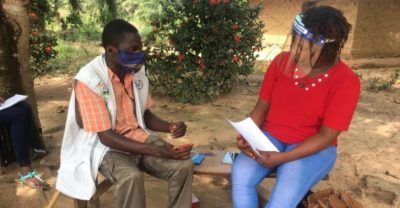
Neglected Countries
ReBUILD for resilience research consortium works in partnerships in Sierra Leone, Lebanon, Nepal and Myanmar. They focus on fragility in health systems because 2 billion people around the world live in fragile and conflict affected settings (FCAS). The number of poor people living in FCAS is expected to rise 60% from the current 17% according to projections from the World Bank and other organisations. These settings experience multiple health challenges that emanate from severe resource constrains, multiple shocks and stressors to the health systems like the COVID-19 pandemic, weak and contested institutions, as well as the absence of reliable routine data.
The ReBUILD consortium has a resilience framework which focuses and grounds health systems; and views them as complex adaptive systems with gender, equity and human rights also being central. Sally explained the intricacies of how all this works together to underpin ReBUILD’s work and focus on health systems strengthening and access to better health.
Human resources is a key area of focus and particularly, community health workers (CHWs). CHWs are critical bridges between often neglected marginalised rural communities and health systems. They have proved to be essential, trusted and first-line responders providing health services in settings affected by conflict; often juggling many different programmes. It is the cadre every vertical programme wants to link and work with; resulting in a host of responsibilities. COVID-19 has brought new challenged and layered additional responsibilities for them.
Abriti Arjyal presented findings from the consortium’s study; the gendered experiences of community (CTC) providers in Fragile and Shock Prone Settings: Implications for Policy and Practice during and Post COVID-19. The most vital information she shared is the fact that these cadres play an important role in the COVID-19 response. Their experiences and challenges are shaped by existing gender norms and challenges. Thus, understanding these and incorporating these in design and implementation of community health programmes would not only ensure effective roles of female CHW but also broadly serve to amend existing gender inequities among community providers.
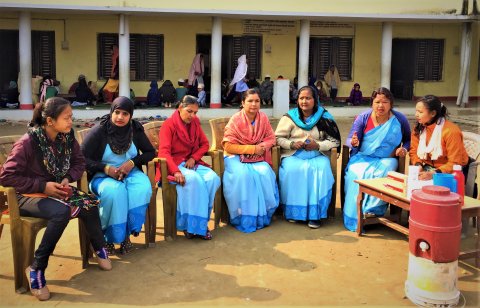
Neglected communities
Countries are urbanising fast and in cities one in three people live in urban settlements. Speaking about the ARISE consortium work, Sally mentioned that cities face innumerable challenges. Some of these include housing, food insecurity, water and sanitation, pollution, access to healthcare among others. Most of these are caused by long-standing neglect from states as well as residents’ limited voice and power.
Cities illustrate some of the world’s darkest disparities in income, health and wellbeing. The presentation spelt out the consortium’s vision and how they carry out their work; referencing Bangladesh.
Bachera Aktar, who presented on the Bangladesh ARISE work, indicated that new vulnerabilities and vulnerable groups emerged during the pandemic with anticipated impacts into the post-pandemic era.
COVID-19 has generated new challenges impacting the broader social determinants of health and wellbeing. Bachera summarised the diversity of methods and approaches they have used to support the co-production of research with peer researchers and communities living and working in informal settlements. She highlighted the importance of ongoing community engagement to support translating research into action.
Neglected conditions and diseases
The aim of the REDRESS project is to use a person-centered approach to evaluate existing health system interventions for the management of severe stigmatising skin diseases in Liberia. People centered approaches are at the heart of REDRESS; meaning consciously adopting the perspectives of individuals, families and communities; seeing them as participants as well as beneficiaries and responding to their needs and preferences in humane and holistic ways.
Zeela Zaizay spoke about the community engagement, involvement and participation that they have been using in REDRESS in Liberia. Community engagement in this setting facilitates problem identification, design, planning and implementation of programmes.
He outlined key priority areas in REDRESS including establishing community advisory boards and a Ministry of Health technical advisory board; involving people affected by severe stigmatising skin diseases and other community actors as peer researchers, using participatory methods to elevate and listen to community voices and ongoing sharing of learning.
Lessons learned
The pandemic has indeed illustrated that no one is safe until we are all safe. There is a need to understand disparate voices, perceptions and knowledge hierarchies in making decisions. Combined efforts are called for to promote key issues such as vaccine inequity and reviewing existing structures and systems around key issues like funding and vaccination politics.
Teamwork and partnership are essential for strengthening and supporting health systems that are inclusive, people centred and built on the diverse views, perspectives and experiences illustrated in the presentations.
There is a need for continuous discussions on challenging knowledge hierarchies and applying the use of innovative research methods including social science and participatory knowledge to build partnerships and action and equity.
Launch of the Alliance flagship report on learning health systems
This blog by Lynda Keeru reports on the launch of the Alliance flagship report on learning health systems. During the webinar, participants heard an overview of the report, comments from a people who put together the report, as well as the thoughts of an esteemed panel on the report.
Reflections of the flagship report
During his introductory remarks, David Peters said that the report pushes forward the field of health systems strengthening and health policy research. He noted that it focused on the core ideas of cognition, action and learning. The report emphasizes the underlying role of learning at individual, organizational, cross-organizational levels within systems and explains how critical it is. It highlights learning in its multiplicity of meanings, and it helps its audience to understand what is needed for health systems to be effective, pursue goals of equity and to be sustainable.
There is greater appreciation for the need to strengthen health systems, including those in crisis situations. However, there is still a lot to learn about how to strengthen them and there are no magic bullets. Over the decades, descriptive frameworks have been developed culminating in complex adaptive systems approaches. This is coupled with a focus on resilience and how health systems can bounce back from stressors such as pandemics and disasters (both economic and social). However, for many health systems, bouncing back to an equilibrium is not good enough. Many are low performing; which means that they are either inequitable, of poor quality or they are unaccountable.
This report is therefore vital as it provides lessons on how to improve the performance, growth and sustainability of health systems. It places emphasis on continued learning and actions as a means of developing stronger, more effective, equitable and accountable systems that continue evolving.
Soumya Swaminathan explained that the report comes at a critical time for health systems all over the world because of the impact of the pandemic. The emergency response has given birth to many innovations. The reason this report is crucial is that it explains how a learning health system should use data from the field and the skills of epidemiologists, clinicians, public health experts and data scientists. A learning health system also listens to voices of people from the community and takes all those inputs into constantly trying to improve and deliver programs in a more impactful way.
You can download the full report from the Alliance website
Speakers:
Prof. David Peters-Johns Hopkins Bloomberg School of Public Health
Irene Agyepong-Ghana College of Physicians and Surgeons
Soumya Swaminathan-Chief Scientist, WHO
Kabir Sheikh-Policy Advisor, WHO
Panelists
Dr. Chikwe Ihekweazu- Director General, Nigeria Center for Disease Control
Dr. Leslie Rollock-Ministry of Health and Wellness, Barbados
Dr. Wuleta Lemma-Wollo University
Dr. Seye Abimbola-University of Sydney
Health service access and COVID-19 vaccination through the lens of persons with disabilities
COVID-19, the modern world’s first pandemic has wrought many negative effects. Everyone around the world has been dealt a bad hand. However, some people have had their circumstances profoundly aggravated by COVID-19. Lynda Keeru and Kate Hawkins explore how COVID-19 and subsequent vaccine rollout has affected persons with disability. This is a summary of a workshop (Vaccine Distribution and Disability Inclusion) organized by the CORE Group’s Disability Inclusive Health TAG.
There’s estimated one billion people in the world that live with disabilities; 80% of whom live in low- and middle-income countries. The speakers in this webinar, gave insight into how to build an inclusive COVID-19 response particularly when it comes to the distribution of vaccines.
Disability and health services
Mohammad Iqbal from Pakistan explained that persons with disabilities are a very vulnerable group when it comes to COVID-19. He cited a study that revealed that the COVID-19 mortality rate is six times higher for people living with disabilities. Persons with disability are often ‘invisible’ in big government programmes and initiatives which impedes their ability to access services. Stigma associated with disability is also a contributory component of their vulnerability.
The COVID-19 response has obstructed and disrupted routine health services in hospitals making it especially difficult for persons with disabilities that require regular medical checkups or attention. Women and girls face even greater challenges in trying to access sexual and reproductive health services.
There’s need to not only include persons with disabilities in planning processes, but to also include people with the lived experience of disabilities in leadership positions such as in the medical professions, research, public health planning and policy-making.
Disability and vaccination
Juliet Ajok explained that shortages of vaccines means that in many settings they are being allotted on a first come first served basis. This causes challenges to persons with disability because they may struggle with issues such as poor transportation which renders them automatically back of the queue.
Speaking from her experiences of leading the COVID-19 Vaccine Dashboard for People with Disabilities, Bonnielin Swenor explained that persons with disability should be included in all stages of developing policies and in the public health response of the vaccine rollout particularly in leadership roles.
Disability data must be collected as there cannot be accountability without the right information. This should be done in a standardized way in order to be able to report up and track vaccine allocation for people with disabilities; and prioritize them in public health information systems.
Finally, there’s need to think about how to balance lack of evidence with equity. It is important to realize that there is never going to be a time when there will be ‘enough evidence’ to make classic public health decisions for the disability community. This is because this group includes many other smaller groups including people with rare diseases. To reach a level of evidence that is considered ‘robust’ particular sample sizes are required, and so some people will always be left behind. Data and evidence only will never lead to the inclusion of all.
Using Uganda as an example, Juliet Ajok explained that persons with disability we to some extent a priority and disability inclusion efforts had started and were gaining momentum. Uganda has made certain commitments on the rights of persons with disabilities and supported affirmative action in legislation and political representation at all levels. However the the good intentions reflected in the legislation and policies need reinforcement; particularly in the monitoring of activities and ensuring compliance at the lower levels of the health system.
In order to ensure prioritization at the national level, the Ministry of Health should be tasked with ensuring inclusivity for persons with disability in health services. Disaggregated data is central to this. In Uganda, most of the data available is donor driven and not circulated widely to local health planners and the various departments at the national level.
Work at the facility level is required to reduce barriers to services and to educate health workers on the rights of persons with disabilities. Where there are shortages of health workers quality services become more difficult as patient numbers mean that there is little time to attend to people with more particular or complex requirements. Health care workers are mirrors of their societies and therefore can have stigmatizing and prejudiced attitudes.
Recommendations
Vaccination locations should be accessible. Accessibility includes easy-to-read formats, sign language interpretation and more patience from health workers. People with disabilities can’t queue in the long lines for the vaccines and therefore, there’s need to strategize how to reach them. Social mobilization should target people with disabilities and persons with disabilities should be included in the digital vaccination drive so that they are more inclusive and conducive. Society needs to provide a more inclusive environment for persons with disabilities and this is instrumental in enabling people with disabilities to transcend COVID-19.
Contributors:
Mohammad Iqbal | Disability, Gender and Age Specialist, Federation Handicap International Pakistan
Dr Bonnielin Swenor | Founder and Director, Johns Hopkins Disability Health Research Center
Dr Juliet Ajok | Child Health Technical Advisor, USAID RHITES-EC
A silver lining in the midst of the pandemic
In this blog Lynda Keeru reports back on some of the best moments from the Generation Equality Forum. Get up to date on what was said and pledged!
In his key address at the inception of the Generation Equality Forum 2021, French President, Emmanuel Macron remarked that ‘no country in the world has yet achieved complete equality between men and women.’ This statement illuminated the poor state of gender equality across the world; many years after the Fourth World Conference on Women in Beijing and the adoption of the landmark Beijing Declaration and Platform for Action.
The 1995 Declaration, highlighted 12 areas of focus where high-priority actions were identified for gender equality, development and peace for all women. Unfortunately, 26 years later, little has been done to fulfill these commitments. The COVID-19 pandemic has undone a lot of the little progress made over the years and exacerbated gender inequities. There is an increase in reports delineating rising violence against women, teen pregnancies, higher rates of job losses for women among others. Women have without a doubt borne the brunt of the pandemic.
The Generation Equality Forum held in Paris brought together governments, corporations, leaders, donors and change makers from around the world to define and announce ambitious investments and policies. It was a vital moment for feminists to outline transformative change for future generations. At the event, a series of concrete, ambitious, and transformative actions to achieve prompt and irreversible progress towards gender equality were launched.
Making her remarks, the Executive Director of UN Women said:
“The Generation Equality Forum marks a positive, historic shift in power and perspective. Together we have mobilized across different sectors of society, from south to north, to become a formidable force, ready to open a new chapter in gender equality. The Forum’s ecosystem of partners – and the investments, commitments, and energy they are bringing to confront the greatest barriers to gender equality – will ensure faster progress for the world’s women and girls than we have seen before.”
The Global Acceleration Plan for Gender Equality was launched during the Forum. The plan is driven by six Action Coalitions. The aim of the plan is to accelerate gender equality in the next five years and to face the growing risks of a decline on women’s rights caused by COVID-19.
Over the course of the event, a wide range of commitments were unearthed from every sector. Some of these include:
- The United States Government’s commitment to a range of significant policies and investments including an investment of USD 1 billion to support programmes to end violence against women, and USD 175 million to prevent and respond to gender-based violence globally
- The expansion of the Global Alliance for Care, initiated by the Government of Mexico and UN Women. This now includes over 39 countries. The Government of Canada made a commitment of USD 100 million to address inequalities in the care economy globally, as a parallel to significant investment in its own care system
- The Government of Bangladesh’s pledge to increase women’s participation in the ICT sector, including the tech start-up and e-commerce sector, to 25 per cent by 2026 and 50 per cent by 2041
- Raise Your Voice Saint Lucia’s commitment to collaborate with Caribbean NGOs to advocate for the recognition of the LGBTQI+ community and to undertake region-wide legislative reform to minimize discrimination and victimization
- Open Society Foundation’s commitment of at least USD 100 million over five years to fund feminist political mobilization and leadership
- The Government of Burkina Faso’s work with Benin, Guinea, Mali, Niger, and Togo to develop shared commitments related to family life education, free care for pregnant women and children under five years and legal and social change to end gender-based violence, including female genital mutilation and child marriage
- The Malala Fund’s commitment to provide at least USD 20 million in feminist funding to girls education activists
- The Gates Foundation commitment to USD 2.1 billion to women’s empowerment over the next five years. They characterize their priorities as cash, care and data
In addition to the range of financial commitments, many world leaders shared their thoughts commitments and sentiments as documented below:
“It is precisely when we confront how broken things are that we have the most power to reimagine them and lay a foundation for a more resilient society…The only way we can deliver an equal world is to be in the rooms where pivotal decisions get made. The beauty of our fight for gender equality is that every human being will gain from it. We are not playing a zero-sum game where one group’s success is another’s failure. In our world, when you are encouraged and supported to become whoever you want to be, the horizon expands. In our world, equal is greater. Let’s build that more equal world together.” Melinda Gates, the Bill and Melinda Gates Foundation
“They will stand on your shoulders and my shoulders. They will look much further than we can look, and they are a new generation. What was born in Beijing, these young people are going to take forward for us, who are older now. This is the new birth of a new generation and new leadership for women, and we thank them for everything that they have done in these last few days.” Under Secretary General of the United Nations and UN Women Executive Director, Phumzile Mlambo-Ngcuka
The conversations, investments and commitments made in Paris revolved around a common theme; the need to empower women. Time has come to get the power into the hands of the women themselves, including those in fragile settings and the global South. We must pay attention to who is not in the room and ensure that they are represented. We will only make progress if we work together.
The Power of Policy Analysis
Lynda Keeru reports back on a webinar organized by the Alliance for Health Policy and Systems Research – ‘The Power of Policy Analysis’.
Health policy analysis (HPA) is a critical approach to health policy and systems research (HPSR) that seeks to understand how health policies are formed and implemented. By gaining a better understanding of the forces involved in decision-making, HPA can offer insights into how policy change unfolds – including shedding light on why policies are designed and implemented as they are.
The webinar was an opportunity to launch a special issue of the International Journal for Health Policy and Management and to hear some of the key findings from the papers. The special issue brings together authors from low- and middle-income countries with representation from Ghana, South Africa, Uganda, India and the Philippines. Four of the papers reported empirical studies, three papers presented qualitative synthesis and one was a methodological reflection.
An addition to the knowledge base
All the papers addressed real world national level policy development and implementation issues from the focus countries. Some of the topics that they cover include child health in South Africa, Primary Care doctors in India, maternal health in Uganda and Indigenous people’s health in the Philippines.
They offer insight into the political and organizational factors that influence policy change within national settings and insights into power dynamics among actors and the institutional factors that influence those dynamics. A cross-cutting theme speaks to existing dynamics between top–down and bottom-up power flows which remains a critical challenge for health systems.
The papers address an issue that generates a lot of interest – how evidence can influence policy. Unfortunately, there is often a disconnect between the knowledge generated in academia and the challenges that people are struggling with on the ground in practice. There is a need to strengthen capacity for this kind of analysis and to ensure that knowledge flows to people who are engaging with policy and practice on a daily basis. Innovative communication mechanisms are needed to this end – which makes this an interesting and engaging webinar for researchers and communication specialists alike.
Please do check out the webinar and the Special Issue.
Notes
The content presented in the webinar builds on the work of the Health Policy Analysis Fellowship supported by the Alliance and coordinated by the University of Cape Town.
Moderator
Zubin Shroff, Alliance for Health Policy and Systems Research, WHO
Presenters
Sudha Ramani, Health Policy Analysis Fellow
Moses Mukuru, Health Policy Analysis Fellow
Panelists
Irene Agyepong, Dodowa Health Research Center and member of the Faculty of Public Health of the Ghana College of Physicians and Surgeon
Lucy Gilson, University of Cape Town
Mulenga Mukanu, Health Policy Analysis Fellow
M. Sivakami, Tata Institute of Social Sciences
Eleanor Whyle, Health Policy Analysis Fellow
Working with research brokers: Power, positionality and ethics
Lynda Keeru reports back on a recent webinar, ‘Coloniality of research and spotlight on the research backstage.’ The speakers suggested ways that we can forge more ethical and transparent research collaborations that produce knowledge that is accessible, meaningful and transformatory in a world altered by COVID-19. This blog summarises the presentation given by Swati Parasha Director of the Gothenburg Centre for Globalisation and Development. To find out more please watch the recording of the lecture.
Researchers engage with many people on the ground, in field sites. These people make important decisions about what knowledge is made visible and what frame is used to tell the story of people involved in research. Knowledge or research brokers are the people who facilitate field research (also known as fixers, facilitators, managers, assistants, gate keepers, interpreters etc.) They assist researchers in the field and collect field data. Sometimes they work for local research partners to whom research has been outsourced. Field work practices thrive on the labour of racialized research subjects and brokers. Yet these workers are often not acknowledged and there are few discussions about their role. Brokers and research subjects are often diminished and erased when it comes to the authorship of research publications. This means that researchers (and brokers) in the Global South receive fewer citations than their colleagues in the Global North.
It is important to document the role of brokers, examine their positionality and reflect on the way that they shape research processes.
Many researchers from the Global South have documented their experiences of how they are treated differently to white researchers. There is an intersectional hierarchy based on gender, class, race that operates in the research backstage that people need to start paying attention to. Many Global South researchers and academics also inadvertently get roped into broker roles by researchers from the Global North and this too has its own dynamics.
Paradoxically brokers can be both powerful (and able to dictate how research unfolds and its outcomes) and vulnerable (as marginalized people who can be exploited or manipulated by researchers). When researchers in the Global North engage with brokers in the Global South power differentials can potentially be greater.
It is not uncommon for brokers to face challenging and potentially violent circumstances in the course of their work. But while safeguarding is becoming an increasingly hot topic in development, we rarely see discussions about the ways in which the relationship between researchers and brokers impacts the security of the brokers or that of their families both in the field and afterwards.
Swati reflected on the inequalities and exploitation present in the ‘use’ of research sites in the Global South – which are often positioned as ‘case studies’ on which Western and Eurocentric theories are applied. Swati described a vicarious expertise industry thriving on the intellectual labour of people of colour where the bounties are only available to white scholars with access to resources, funding and publication. She argued that there is need to do away with this model and recognize that all phenomena in the Global South have their own theoretical foundations, developments, and explanatory trajectories. White privilege often means that the analysis of scholars in the Global North is considered more credible and legitimate in comparison to work produced by local scholars despite the likelihood that they have a deeper and more nuanced analysis of research phenomena due to their embeddedness and potential lived experience.
To conclude Swati raised some ways in which the pandemic has altered the traditional research dynamic. For example, ‘access to the field’ has become more challenging and restrictive, governments have become more concerned about permissions to enter field sites and communities have become less trusting of outside researchers and their prying questions in the light of more pressing demands. This provides a useful moment to rethink and reshape research practices in more ethical and equitable ways.
Citation
Parasha S (2021) Coloniality of research and spotlight on the research backstage, Webinar organized by The Danish Institute for International Studies, chaired by Ninna Nyberg Sørensen https://www.diis.dk/en/event/coloniality-of-research-and-spotlight-on-the-research-backstage
None of us are safe until we are all safe
Lynda Keeru reports back from the two-day summit, ‘Lives in the Balance: Equity in COVID-19 Response and Recovery’ organized by PMNCH, the Global Financing Facility for Women, Children and Adolescents (GFF), Gavi, the Vaccine Alliance, and CORE Group. This summit revealed the urgent needs of women, children and adolescents during COVID-19, and enabled coordinated action by partners and governments to help meet those needs. The summit sought to:
- Reflect on how well countries have been able to implement equity enhancing strategies to protect the health and wellbeing of women, children and adolescents, particularly those with the least access to social, economic and political power;
- Share lessons, tools, and resources on why focusing on women, children and adolescents in national COVID-19 responses is key;
- Collaborate by identifying ways to promote equity and realize the PMNCH Call to Action on COVID-19, including aligning partners for common action around the seven asks; and
- Act by demonstrating how countries are improving women’s, children’s and adolescents’ health in the context of COVID-19, including making commitments to the COVID-19 Call to Action
“A year into the pandemic, the unique challenges faced by women, children and young people are no longer merely anecdotal. There is abundant evidence of impact and many lessons learned. A universal lesson is that social and economic recovery depends entirely upon our willingness to see inequalities, to seek evidence – and to act upon it. No one is safe until everyone is safe. Equity in vaccine delivery is a core example. How fast can we move from rhetoric to action? How can we turn this unexpected crisis into an opportunity for change?” Conference organizers
The summit sessions aimed to guide participants in reflecting on the lessons learnt and the shared progress made throughout the COVID-19 pandemic and use the opportunity to recommit to action. Elif Shafak, a celebrated Turkish novelist kicked off by saying:
“We can’t talk about equity without understanding the inequalities, the silences, the invisible barriers that keep us divided particularly gender inequality.”
She was raised by two women, her mother and grandmother, who were in their own right very different women. Her mother was more Westernized, while her grandmother was more ‘Easternized’ and more traditional. What stuck with her, irrespective of these differences, was the fact that they supported each other in a very patriarchal world. She learnt from them that when women support and empower each other, the impact goes beyond gender issues.
Vaccines
Helen Clark reiterated the importance of saving lives and protecting hard earned progress. She talked of how the mass vaccination for COVID-19 is characterized by inequities. High-income countries accounting for only 18% of the world’s population; have bought 4.6 billion doses of vaccines which represents 60% of all confirmed orders. Unfortunately, only 2% of the total number of vaccinations have been administered in Africa. This geographic inequity puts a particular risk on populations in low- and middle-income countries where the greatest number of maternal, child and adolescent deaths occur. However, the very simple truth is: None of us will be safe from COVID-19 until we are all safe. It is therefore very urgent that the production and distribution of vaccines is accelerated so that everyone all over the world has access to them.
Low- and middle-income countries and small island developing states
The pandemic has disproportionately affected low-income countries and small island developing states. It has also affected middle-income countries in which 70% of the world’s poorest people live. These countries are confronted with the realities of inequities with respect to access to medical technologies, laboratory services, essential medicines and vaccines. These disparities mostly affect women, children and adolescents; who don’t receive the same social services to weather the ravages of the pandemic. It is essential that national, regional and international strategies are developed to support the most vulnerable among us so that no one is left behind. For this to be achieved, it’ll require a societal approach, enhanced by the contributions of Civil Society Organizations, Non-Governmental Organizations, the private sector, religious groups and everyone coming together with a single mission.
Mia Amor Mottley, the Prime Minister of Barbados explained that we are not living in normal times and that there is a need to develop tailored social interventions that will reach people and communities where they live. In keeping with the Sustainable Development Goals therefore, all countries should focus on extending health services to the most vulnerable populations in order to achieve Universal Health Coverage. Political will at an international level is required to address these existing disparities and the only path for completely mitigating this pandemic is through global leadership and global political goodwill and commitment.
Global solidarity on gender equity
In support of the need for global leadership to alleviate the pandemic, Wendy Morton gave insight on how global leaders could ensure that equity is advanced and how the COVID-19 response can ensure that the progress made on women’s children’s and adolescents health can be preserved.
The impact of COVID-19 on women, adolescents and children has been disproportionate. Global leaders must advocate in the strongest possible terms for gender equality and for the needs of women and children to be at the heart of the efforts to rebuild. This does not mean going back to where we were because where we were had its own challenges; rather, there needs to be vision as well as leadership to rebuild in ways that challenge and overcome the systemic reasons for inequality. Success will only be achieved when the recovery leaves no one behind. When leaders unite, they can give a voice to those who have gone unheard. Women have been at the forefront of the pandemic response and we see more clearly than ever before that women are the backbone of the global health workforce. Their access to vaccines and essential services is critical for the health of the whole population.
Jennifer Klein followed immediately after to elaborate on how equity can be advanced to improve the health of women, children and adolescents and spoke on the strategies the United States was employing to address those inequalities. The first step to addressing the inequities is embedding gender in all that is done. She highlighted that America’s maternal mortality rates are among the highest in the developed world and they are especially high among black and native American women who often die from complications related to pregnancy at two to three times the rates of white or Hispanic women regardless of income or educational level. She noted that the US government under the leadership of the new administration is particularly committed to addressing these unacceptable disparities and build health systems in the that deliver equity and dignity to black indigenous women and girls of color in the US and this principle is applicable in the country’s foreign assistance as well as far as equity in health is concerned.
Awa Marie in closing shed light on the need for a gendered response to COVID-19 and the importance of recognizing the special needs of women and girls. She based her presentation on how Senegal has been handling the crisis, what recommendations she has for others including development partners on how to ensure that responses to COVID-19 are gender responsive. She also touched on the barriers that were slowing down these processes.
Marie stated that the manner in which Senegal has handled the COVID-19 pandemic has been informed by lessons learnt from Senegal’s past epidemics and particularly Ebola. Countries and development partners need to elaborate the gender responsive frameworks and plans with clear indicators adapted to country specificity. These plans should highlight women’s participation in COVID-19 decision making processes as well as national policies particularly those addressing women’s economic and social security. Gender sensitivity should guide policy makers. These frameworks should be financed in country as well as by external partners outside the country.
She also felt that countries and partners should invest in sex disaggregated data to ensure that impact of the epidemic is managed effectively. There exist huge gaps in data and these barriers have been identified in investments required to collect data statistics. Data collection on issues facing women and girls is often irregular with existing knowledge gaps for new and emerging issues.
Finally, she felt that governments should engage actionable policy measures such as the expansion of social protection coverage, direct cash transfers and adaptation of existing services for survivors of gender-based violence. Intervention and prevention services for women and girls should be managed as essential services and be an integral part of the national and local response planning for COVID-19. Women are at the forefront of all public health crisis in their different capacities as nurses, doctors, midwives, community health workers but their roles are often overlooked and underpaid. Women and girls carry out most of the care in the house, take care of children and also work back at their professional levels. Authorities must provide adequate social, psychological and economical support.
In these times, we need global solidarity and sisterhood. Gender equality should be put at the center of all efforts. 2021 is giving us many opportunities to step up our game and build resilient, responsive and inclusive health systems for the future. With smart, compassionate leadership and a will to work together, we can step into a brighter, healthier future for women, girls, children and adolescents everywhere.
There was a consensus on the need for gendered responses especially for women who have been left in the lurch by insufficient access to essential services like sexual reproductive health services. Inequities must be addressed both domestically and internationally. We need feminism everywhere. We need gender awareness everywhere.
Sessions that were covered in this blog:
Opening Session
Leadership dialogue: “Looking back, looking ahead: COVID-19 one year on-what does equality mean now?
Music by and Conversation with Neneh Cherry
Importance of health care workers in the COVID-19 response – investing in midwives
Equity enhancing strategies: what works to ensure that COVID- 19 responses do not leave anyone behind
A conversation between Juliana Matinez and Michelle Bachelet: COVID-19, human rights, and women’s, children’s and adolescents health
A word from Titilope Sinuga
Building Partnerships Across Actors and Sectors for Better Health-Kenya
“Dakar, Senegal” by BobbiLe Ba Photography is licensed under CC BY-ND 2.0
Secondary impacts of COVID-19 on informal urban settlements
This blog was written for World Cities Day, 31 October 2020. The theme this year is Valuing Our Communities and Cities. People in informal urban settlements deserve our support and solidarity. In the blog we explore how they are experiencing some of the secondary effects of COVID-19 and mechanisms that could strengthen the ways that they are involved in the pandemic response.
Current upheavals highlight longstanding socioeconomic inequities that continue to raise difficult policy and accountability questions. Some forms of vulnerability are more discernible than others. Nearly one billion people live and work in informal, under-serviced, and precarious urban conditions. Before COVID-19, these communities occupied a peripheral and precarious space, both physically and in the imaginations of those in power. Such spaces are often rendered invisible and excluded from city-wide processes of development, at other times hyper-visible as sites of chaos or calamity.
Non-COVID-19 related health care
Our colleagues in Sierra Leone have argued that people living in informal urban settlements are more pre-disposed the chronic conditions which affect COVID-19 but that this is under-explored.
“The ‘slow violence’ of informal settlements includes everyday exposure to poorly managed waste, dust, smoke, fires, floods, disease vectors, long journeys across cities on overcrowded shared transport which can spread infections, occupational hazards, crime, but also insecurity, stress, lack of accountability, discrimination, abuse, invisibility, exclusion from economic and political power, and an inability to claim and maintain basic rights or services.”
In all contexts we work in lockdown has led to mental health strains and greater stress and anxiety are reported as precarious existences deepen with continued containment. Lockdown itself is troubling but also the loss of income that comes with it. In Sierra Leone we have documented detrimental psychosocial effects on health care workers as well as interventions from the Ebola epidemic that may help alleviate some of this burden. In Kenya as in other settings, access to healthcare has been disrupted. This has impacted particularly on mothers and children, residents with chronic conditions and the elderly.
“Individuals with chronic illness suffer a lot as they need specific medical attention, yet …we lack timely and adequate information on treatment of chronic illness…. Sometimes when they access the information, we lack money to buy drugs during this outbreak as many people have lost jobs…”
In India the heightened cost of transport to facilities and of services is having a troubling effect. Fear of infection is leading some to rely more on private pharmacies.
Economy and food security
COVID-19 has pushed previously financially stable people across informal settlements into poverty. For example in Dhaka, Bangladesh, the pandemic led multinational companies to cancel orders to garment factories plunging this workforce, who mainly live in informal settlements, into precarity. There is risk of malnutrition and starvation as day labourers are prevented from earning an income. COVID-19 has disrupted traditional networks of support. People are resorting to loan sharks as rent and food are hard to buy on credit. They are relying on community/family members, collecting cash from friends. Local crime rates have also risen. How long can this go on for?
When people are in ‘obhab’ (scarcity), people tend to fight more, they tend to resort to stealing. There is a chance of increasing crime in this community. I am worried that theft and crime will increase in our community.
In India, as elsewhere the work of ‘waste pickers’ and other sanitation workers is vital to the cities they work in, particularly now when the need for a sanitary environment is at its greatest and there has been an increase in biomedical waste. Yet, they remain ‘invisible’. Despite their key role, the provisions put in place to ensure their safety in the pandemic are inadequate. For example, aid meant for vulnerable populations, is often based on certificates of citizenship which denies these communities eligibility for many forms of relief, leaving them no resort but philanthropy and luck.
“We are Indians! I have all the documents like you have, to prove that I am an Indian: voter ID, ration card, Aadhar card…But we do not get rations since the ration cards are based at our homes, which we moved from six years ago. I transferred my Aadhar card because we cannot get jobs here without an Aadhar card and PAN card.”
This has been exacerbated by brutality in policing of lockdowns, targeted as informal communities, a troubling pattern that has been seen in many countries including Kenya. A community member in India said:
When we tried to resume work after the lockdown, we were troubled by the police. They said we give rations and all that, then why do you need to get out? But rations are not much. If the NGO had not supported us then, we don’t know what we would have done. We would have died of starvation before corona hit us.
The health system alone cannot solve these issues which require multi-sectoral approaches to address the structural, economic, patriarchal and social inequalities poor people face.
In Bangladesh, as elsewhere, we have seen stigma and discrimination against households affected by COVID-19. The coronavirus is seen as contagious and fatal disease. As a result, there are fears of quarantine and isolation or being locked up and never seeing one’s family again. Red flags are placed in homes of infected people and the media pictures of death, and bodies being thrown in separate burial grounds stokes fears that people will be buried without the appropriate religious ceremony. Fears of getting the virus have resulted in surveillance of others, under-reporting, harassment of family members with spouses returning from abroad, harassment of people with flu-like symptoms and suspicions about outsiders.
Treatment of women and children
In Kenya and elsewhere there have been increases in reports of Gender Based Violence (GBV) in informal settlements since COVID-19 began, and lockdowns and curfews were put in place.
Women are the hardest hit by COVID-19, they are primary caregivers of individuals who are ill during COVID-19 pandemic… Women are not the decision makers in most families and as such, the money they make in a day to day activity ends up in the hands of men in the family.
In Kenya, people with disabilities make up 10 percent of the population, an average of 4.4 million people. 66 percent of these people live in rural areas while 44 percent are in urban settlements, mostly for work purposes. Due to the rise of sexual harassment and domestic violence, disabled people have been majorly affected and abused by a spouses, parents or caregivers. The frustrations of lack and mental stress makes them among the more vulnerable victims. This causes unwanted pregnancies and contracting sexually transmitted diseases.
Conclusion
We need to address the situation of the urban poor through context-specific policies and action in the COVID-19 response. We should not think of the urban poor as a homogenous group, so data must be disaggregated (by gender, age, occupation, ethnicity and other axes of inequity). Longitudinal qualitative research is critical to capture impact now and post-pandemic. We must also reframe health beyond a biomedical (disease model) approach and put in place socially just models with the well-being of communities and people at the centre. Health decisions and policies must be balanced with social and economic interventions.
Communities have the potential to mobilise and take action to address life-threatening experiences. For example in Sierra Leone, FEDURP members’ action in Thompson Bay supported quarantined homes with drinking water while government support was delayed. In Funkia FEDURP members used the fund generated from the public toilet they manage to give out revolving loans to their members to revitalise their livelihood sources.
There is an urgent need to bridge the gap between formality and informality through recognition and inclusive participation so that the needs and aspirations of informal settlements can be addressed. There is a growing need to recognise and draw on community knowledge, creativity and capacities, which is the basis of first responses during pandemic. Governments should place communities at the centre of development aspirations and actions and work with them to develop appropriate support.
This blog draws on the work of Kate Hawkins, Sabina Rashid, Joseph Etyang, Janice Cooper, Bintu Mansaray, Rosie Steege, Caroline Kabaria, Sally Theobald, Blessing Mberu, Laura Dean, Haja Wurie, JK Lakshmi, Joseph Macarthy, Hayley Macgregor, Karsor Kollie, Joanna Raven, Lilian Otiso, Rachel Tolhurst, Annie Wilkinson, Abu Conteh, Beate Ringwald and Francis Anthony Reffell.
Remote research methods to use during the COVID-19 pandemic
Kate Hawkins, Jessica Amegee and Rosie Steege
The COVID-19 pandemic has unsettled the world as most countries were not prepared to face such a wide and disruptive event, with very little knowledge of how things would progress at the onset. As the pandemic continues to impact societies – organisations and communities are dealing with challenges on an unprecedented level. This exceptional situation shakes how organisations and communities are working together throughout the world.
Researchers and implementers, who are closely working with communities using participatory methods are facing a difficult time in maintaining their work and collaboration. The restrictive and protective measures put in place across most COVID-19 affected countries, from a partial to total lockdown, have an impact on their working methods. Because most of these methods require direct social interaction, physical distancing, quarantines, and the like raise questions about the continuity of operational or participatory research. Many have moved towards the use of online and other remote tools as a solution.
This pandemic can be seen as an opportunity to consider new ways to maintain links with communities, especially marginalised populations, who struggle to cope financially, mentally, or physically with this crisis and to comply with restrictive measures, even on a short term.
Online and remote research tools have been used for some time, but their importance is growing to mitigate challenges in operational and participatory research.
Many people wonder how to navigate their research in these troubled waters while guaranteeing digital safeguarding. Resources and ideas are spreading around several networks about how continue to undertake field work, collecting data in the best and most appropriate ways. From audio messaging, live stream apps to social media, some interesting resources are listed below to hopefully help you and others find some answers to many questions and instill creativity in research methods. We need to develop this type of research resilience as the COVID-19 pandemic is unlikely to be the last event to cause such large-scale disruptions.
General
Fieldwork in the Times of COVID-19: Doing Ethnography During a Pandemic
Raul Pacheco-Vega
Disturbing the Aesthetics of Power: Why Covid-19 Is Not an “Event” for Fieldwork Social Scientists
Aymar Nyenyezi Bisoka
Field research in lockdown: revisiting slow science in the time of COVID-19
Zahra Hussain
Doing Fieldwork in a Pandemic
Crowdsourced document initiated by Deborah Lupton (@DALupton, d.lupton@unsw.edu.au) on 17 March 2020
NB: Deborah also curates a community Facebook page ‘Innovative Social Research Methods’ which may be of interest for those wanting to think about new and creative ways of doing social research: Innovative Social Research Methods Public Group
Covid-19: Guide to community engagement at a distance
Short guide by BBC Media Action on behalf of Shongjog, the national platform for Communication with Communities in Bangladesh
Guidance for National Societies on safe and remote risk communication and community engagement during COVID-19
IFRC
Tips for Engaging Communities during COVID-19 in Low-Resource Settings, Remotely and In-Person
IFRC
Creative Research Methods, Dr Helen Kara
Part of the Qualitative Expertise at Southampton (QUEST) seminar series
COVID-19 & Virtual Fieldwork
Nvivo
Making design research work remotely
Futuregov
Ethical concerns
Violence against women and girls data collection during COVID-19
UN Women
Phone surveys in developing countries need an abundance of caution
Subha Mani, Bidisha Barooah
https://www.3ieimpact.org/blogs/phone-surveys-developing-countries-need-abundance-caution
Considerations for Doing Intimate Partner Violence Research in the Time of Coronavirus
Innovations for Poverty Action
Remote data collection on violence against women during COVID-19: A conversation with experts on ethics, measurement and research priorities
UNICEF
Remote data collection on violence against children during COVID-19: A conversation with experts on research priorities, measurement and ethics (Part 2)
UNICEF
Ethnography
Ethnographic methods for a time of lockdown and distancing
A Tweet thread by Julia Leser
Digital and Online Ethnography – A Selection of ResourcesPhilipp Budka’s blog
http://www.philbu.net/blog/digital-and-online-ethnography-a-selection-of-resources/
Resources on online ethnography
A google doc curated by Philipp Budka, Heikki Wilenius, Rano Turaeva, Jordan Kraemer and Rachel Irwin
Sarah Pink: Digital Ethnographies
University of Copenhagen video
Phone and Skype interviews
Best practices for conducting phone surveys
Poverty Action Lab
https://www.povertyactionlab.org/blog/3-20-20/best-practices-conducting-phone-surveys
12 Pro Tips for Digital Interviews and Interactions
Menzies Centre for Health Governance, School of Regulation and Global Governance, Australian National University
http://regnet.anu.edu.au/news-events/news/7831/12-pro-tips-digital-interviews-and-interactions
Phone Interviewing as a Means of Data Collection: Lessons Learned and Practical Recommendations
Forum: Qualitative Social Research
http://www.qualitative-research.net/index.php/fqs/article/view/959/2094
Skype as a Tool for Qualitative Research Interviews
Sociological Research Online
https://warwick.ac.uk/fac/soc/al/people/mann/interviews/paul_symonds_-_skype-research-method.pdf
For PhD students
Virtual not Viral
Blog created to support PhD researchers in the light of the COVID-19 pandemic
https://www.virtualnotviral.com/
Acknowledgements
Some of these resources were highlighted by Twitter accounts such as @PascaleAllotey, @giannagayle, @a_peterman and @RosemaryJMorgan
We are also grateful to the Gender and COVID-19 Working Group for their sharing of expertise on the ethics of remote inquiry into gender based violence during the pandemic.
Launch of The WHO Handbook on Social Participation in UHC
In this blog Lynda Keeru reports back on the launch of the WHO Handbook on Social Participation in Universal Health Coverage. The webinar focused on educating participants about why social participation matters and presenting real life experiences of implementation. During the webinar, the tensions at play in the implementation processes also surfaced.
Dr Tedros opened by saying that the COVID-19 pandemic had demonstrated that societies are only as protected as their most vulnerable, and that equally engaged and empowered communities are the best defence against health threats.
Dheepa Rajan gave a brief overview of what the handbook is about and ran the participants through the key messages in the chapters. She indicated that the handbook’s main target audience are member states and governments; with its engagement modalities directly engaging with populations through communities and civil society. The overall goal of social participation is to achieve Universal Health Coverage (UHC). The handbook acknowledges that civil society plays a key role in strengthening social participation in policy and decision-making.
For social participation for UHC to be achieved, an enabling environment for participation needs to be created by evening out the playing field with the aim of empowering those who are weaker and less powerful. A participatory space is a powerful tool as it minimizes power asymmetries when designed in a manner that counters formal and informal barriers for equal participation. Social participation challenges societal conventions of whose voice should be heard, who should have agency over their own health and who should be empowered to meaningfully contribute to policy making.
The format and design of participatory processes influences the ability to effectively take on representation roles. Selection strategies should be balanced and transparent and formats should ensure that they lend legitimacy to participants. Some of the ways to make this happen include: having neutral facilitators, forming homogenous focus groups, having participants decide on meeting locations and trusting them with preparing the material that will be used.
In order to increase the capacities for meaningful government engagement with other stakeholders there is need to recalibrate the balance of power which is rooted in expertise, knowledge and speaking skills. Quality of exchange between these stakeholders is determined by the competency and capacity of the participants. A level playing field for all stakeholders gives everyone an equal footing and gives way for more honest and fruitful discussions that influence policy.
Recognition is the most fundamental dimension of capacities for equal interaction but the most difficult to build.
It is important to note that policy uptake is not always the priority in participatory governance processes. Value driven arguments and participation itself add value.
Fran Baum reiterated that real value must be accorded to the knowledge and experience of community members because they bring something that most public servants, international bureaucrats, technical people can’t bring. They know their community best – they live it, and they breathe it. The only way to make health services work, is by listening to the people whom it’s meant for and shaping the interventions around these needs, particularly those that are marginalized such as women, indigenous people, migrants and people living with disabilities.
WHO hopes to start working with a number of countries to implement the recommendations from the handbook. They will tie their efforts to UHC 2030 and CSO engagement mechanisms.
The handbook must be promoted widely to ensure that it influences change and especially ensure that it gets into the hands of governments as a practical tool for sustainable social participation. We are happy to be part of this promotion.
Event was organized by WHO, UHC2030, Health System Governance Collaborative, UHC-Partnership and PMNCH
Webinar speakers:
Dheepa Rajan – Health Systems Adviser, WHO
Stephanie Seydoux – French Ambassador for Global Health
Ravi Ram – People’s Health Movement and Special Advisor, COPASAH
Joy Phumaphi – Executive Secretary, African Leaders Malaria Alliance
Fran Baum – People’s Health Movement
Solidarity and psychosocial support: Healthcare workers on World Mental Health Day
By Joanna Raven, Sally Theobald, Kate Hawkins, Sophie Witter and Haja Wurie, members of the Fragile and Conflict Affected States TWG
“Healthcare workers are only human. We experience the same COVID-19-related fear and anxiety as anyone else. This might be fear that we or our friends and family will have to self-isolate or quarantine, or become ill. But there is also the fear of caring for people with COVID-19, some of whom will die. A survey of nearly 1,300 healthcare workers treating people with COVID-19 in hospitals in China showed high rates of depression, distress, anxiety and insomnia.” ~ Miriam Taegtmeyer and Tom Wingfield
‘Invest in mental health’ is the theme set for this year’s mental health day by the World Federation for Mental Health. The impact of COVID-19 has triggered real challenges for mental health and well-being around the world. Narratives of anxiety, fear and distress are commonplace as people struggle with sickness, stigma, loneliness, and isolation, and gender-based violence is on the rise too.
The rallying call of “mental health for all” must include action, support and solidarity for frontline health care workers who face these challenges day in, day out at work, at home and in their communities. In many contexts, health care workers do not have easy access to Personal Protective Equipment (PPE) or psychosocial or mental health support.
Research from the ReBUILD consortium used life histories and other methodologies to understand the challenges faced by health care workers in fragile and shock-prone settings. This includes pre-, during and post-war and other shocks, such as Ebola in Sierra Leone. You can learn more about this and research on psychosocial health of adolescents’ girls in ReBUILD for Resilience World Mental Health Day – resources. COVID-19 brings new challenges for health care workers at all levels that require solidarity and psychosocial support.
Five key messages from our work on health workers in fragile and shock-prone settings
- Health workers are often targeted during shocks and conflict. They face fear of or actual attack, sexual violence, abduction and death. Health workers also witness traumatic events that happen to others, including colleagues, relatives and community members.
- The stigmatising nature of disease outbreaks create particular challenges for health workers. During the Ebola outbreak, they were frequently ostracized by their communities — a social isolation which was not only hard to bear but also a poor reward for their continued service. There was often increased suspicion between health workers. Health workers also experienced isolation from families for fear of passing on the infection, and pressure from relatives to discontinue working. These continue to affect health workers’ daily life.
- There are ongoing everyday stressors for health workers in these settings, which contribute to increased stress and burnout. These include limited supplies, long hours and overload of work, managing complex health issues with little support, and challenges with referrals, irregular payment, and limited support from the health system and community.
- Health workers adopted coping strategies. Self-protection mechanisms included not wearing uniform and changing sleeping places frequently (during conflict). Psychosocial support came from drawing on internalized value systems such as religion and a sense of fatalism and service to country, as well as from community, peer and organizational support.
- However, we found that there are important gaps in the support for health workers in fragile and shock-prone settings. Support strategies should be in place at local, national and international levels, rather than relying on personal sacrifices by staff to keep services functioning.
Interventions to support mental health and wellbeing
In fragile and shock-prone settings – where chronic stressors and crisis situations often collide – there have been a number of trial interventions by communities and health facilities to support health care workers to maintain good mental health. For example, a recent paper in BMJ Global Health describes a series of rapid and longer term strategies that were used during and after the Ebola outbreak in Liberia and Sierra Leone. These include ‘de-stressing zones’ in health facilities to aid the transition between work and home, mandatory rest-periods, Schwarz rounds and the use of trained mental health nurses to support their peers. Informal WhatsApp groups and more professional crisis lines offered the opportunity for dialogue and counselling. Community healing and support groups were developed to deal with the fall out of fear, stigma and discrimination.
Conclusion
In ReBUILD, three new projects will explore health workers’ experiences during COVID-19. In Myanmar, we will identify strategies to maintain routine service delivery during the COVID-19 pandemic in the Yangon region, and how these strategies are affecting health worker wellbeing. In Nepal, a study focuses on how health workforce policies and practices are adapted at the district level to manage and support health workers during the COVID-19 pandemic. In Sierra Leone, Lebanon, Nepal and Myanmar, our focus is on close to community providers, their gendered experiences and how they are supported to fulfil their critical roles in the COVID-19 response.
Health workers are at the epicentre of the COVID-19 pandemic, and yet their interests are often last on the list of priorities. Personal and professional coping strategies which were already stretched to their limits in fragile and shock-prone settings are being tested even further. Pressures from frightened and confused community members, from health staff and their families, and from systems which often fail to provide the necessary guidance, equipment and support for staff.
At the same time, the world has understood – more than ever before, perhaps – how critical their frontline and public health staff are. And the measures which are needed to support them and their mental health are often simple and affordable, such as better communication, more recognition, and protected time to rest. On mental health day, let us remember that there is no person-centred health care system without person-centred health worker support systems.
—
Image: UN Women Asia and the Pacific/Flickr, CC BY-NC-ND 2.0
Learning, acting and building for rehabilitation in health systems
By ReLAB-HS Consortium (Johns Hopkins Bloomberg School of Public Health’s International Injury Research Unit (JH-IIRU), Nossal Institute for Global Health at the University of Melbourne, Humanity and Inclusion, MiracleFeet, PhysioPedia, and UCP Wheels for Humanity)
We live in a time of rapid demographic and epidemiological change. Improvements in health care mean people live longer -the proportion of the population over 60 years of age will double in the next 30 years and they will live with the concurrent illnesses and disability that are part of the ageing process. Additionally, approximately 150 million children and adolescents experience disabilities. And COVID-19 – a disease that appears to manifest as long-term chronic ill-health in many – has demonstrated that we now live in a world where both communicable and non-communicable disease must be tackled simultaneously.
Rapid urbanization and concurrent increases in car ownership and use leave people vulnerable to injuries. In addition, we live in a world that faces political, economic and environmental flux and shock. Conflict and environmental disasters are common.
Already stretched health systems in low- and middle-income countries (LMICs) face challenges including poor infrastructure, insufficient specialized care-providers and trained professionals, and inadequate financial resources.
Rehabilitation and assistive technology
Rehabilitation is integral to overall health and wellbeing. According to recent estimates, one in three people across the globe will require rehabilitation at some point in their lives.
Yet many people do not have access to much needed assistive technology (AT) or rehabilitation services, which exacerbates their condition and may lead to further complications and lifelong consequences. Lack of access to rehabilitation and AT impacts not only on people’s functioning, quality-of-life, and well-being, but has implications for their family and community. Lack of rehabilitative support can trap people in a whirlpool of poverty due to lack of educational and work opportunities, as well as social isolation due to stigma and discrimination.
Building better health systems
- In many LMICs, rehabilitation and AT are often offered as stand-alone services. However, there is need to rethink organization of rehabilitation services as an integral part of health systems to achieve better health and well-being of the population.
- Solutions need to be contextualized, demand-driven, and be informed by principles of systems and implementation science; there’s unlikely to be a one-size-fits-all solution. This calls for a better understanding of local needs, how rehabilitation services and health systems are currently organized and operate, and barriers to integration that need to be addressed.
- Potential patients need to understand the services that they require and where they can get them from. People are the center of the health system.
- Engagement with non-governmental organizations, civil society organizations, and the private sector is key to ensure successful implementation and uptake of interventions.
Building such health systems will require collaboration across the primary, secondary and tertiary levels and between different sectors within and outside government. The road ahead is not easy, but it is necessary if we are to meet the needs of citizens and communities facing acute and long-term challenges.
Participatory predicaments: Inclusion, safety and capitalising on community strengths
By Kim Ozano, Abu Conteh, Laura Dean and Kate Hawkins
ARISE will engage with communities in participatory method design, data collection and analysis to develop priorities and actions. To make this a reality we are debating the community based participatory approaches we will use. It’s a rich and challenging discussion! In this blog we outline some issues which are taxing us. How can we build on existing community strengths? How can we ensure that the most marginalised community members are included in our research? What safety challenges will we face in the research process? So, if you have experienced any of the same dilemmas, please comment below. It would be great to talk and share experiences!
How to build on existing community structures
ARISE wants to engage and work with existing community structures and processes. However, how to do this is not straightforward. We have had a lot of discussions about the best way to introduce the project and how to capitalise on the strong work that is already underway in relation to accountability and health.
Researchers and co-researchers (their community counterparts) recently met in Sierra Leone. There is a lot going on in the informal settlements of Freetown. Community members are actively collecting data contributing to local development and advocating for change. Because of this, co-researchers wanted to take advantage of these pre-existing structures in the ARISE research. They felt very strongly that setting up parallel ‘research specific’ systems was risky because they might not properly respond to the situation in informal settlements.
For example, representatives from the Federation for Urban and Rural Poor (FEDURP) believed members who are community mobilisers would be good at raising awareness and explaining the purpose of the research. However, communities didn’t always think these community mobilisers were ‘trustworthy’. As a result, other FEDURP members – who are passionate about accountability and health – might be better at data collection or facilitation. These passionate change makers need to be identified by community members as opposed to being handpicked by powerful community members. We discussed how incentives can compromise organic processes to identify change makers and should only be offered later in the research process. Therefore, the process of selecting co-researchers was systematic, trying to select the best from FEDURP, community representatives and community mobilizers. Selection was based on skills such as facilitation, mobilization, community activism and awareness raising skills, particularly on health.
Defining researchers, co-researchers and participants
FEDURP felt part of the ARISE research consortium, particularly as they had been part of the original consortium planning process. They were confused about whether this made them co-researchers or researchers. FEDURP is a representative organisation for people living in informal settlements. Does this immediately make all its members co-researchers? If FEDURP is a core-part of the ARISE family, should all co-researchers in Sierra Leone be members of FEDURP? Members of FEDURP, who also live in informal settlements, became further confused when they considered that they could also be ‘participants’ in the research process.
As we moved through our conversations it became clear that co-researchers should not be considered a uniform group with a ‘one-size fits all’ definition for their engagement, roles and responsibilities. Community members and organisations might move through different positions/spaces of participation in a fluid way. Co-researchers and researchers must develop trust with each other, the process cannot be forced or pre-designed, rather organically developed alongside the research.
How to facilitate the engagement of marginalised groups
Pre-existing community platforms for engaging co-researchers are unquestionably valuable to a new research project like ARISE. However, we want to ensure that marginalised or vulnerable community members are equitable participants in the process. These people may be less able to participate in pre-existing community development and advocacy. So, we will need to look for new ways of engaging to make the process inclusive.
We have been grappling with the dilemma of what to do when marginalised groups are disempowered and as a result unable to participate as co-researchers. Co-researchers – who have local knowledge on what is feasible and acceptable – could adapt participatory methods to better engage marginalised groups. Getting a better understanding of how marginalised groups like to communicate (e.g. through storytelling, drama, drawing pictures) and working with them to create outputs may help them feel more empowered. Informal discussions and ethnographic observation – interacting with marginalised groups in their own settings – might spark ideas. We also considered using ‘gatekeepers’ (or powerful people or institutions who provide an entry point to marginalised communities). For example, disabled persons organisations will usually know how to communicate with their constituency and support their participation.
Working with children and young people
Children and adolescents in urban informal spaces are often vulnerable to ill-health and have difficulty accessing accountability. However, we are concerned about how to ensure that we have a clear process of consent for their engagement in the research. Often children do not have a parent or guardian that can agree to their participation. We must strike a balance between the democratic principles of participation and empowerment and the ethical challenges of appropriate management, support and protection. Collaborative projects with young people are key to understanding their experiences of health and well being. But young people are often excluded from, or left out of, research projects.
Other marginalised groups
People with cognitive or intellectual disabilities may not be able to provide consent through conventional processes and we will need to account for this in the way we work. Sex workers and LGBT people may not want to be involved because they don’t want to be identified. These groups might be reached through community agents who have connections with them. We will continue to explore this ongoing dilemma during our research.
How to minimise risk and harm
We want to ensure our work is ethical and that people are safe. Community members and co-researchers might be put at risk if: tensions arise about the choice of co-researchers; communities are hostile to data collectors; or the findings of the research cause ructions.
Our discussions have thrown up a number of strategies to mitigate risk. We will involve communities in selection of co-researchers. That way they have ownership over the process and are more likely to support the research. We will try and be open and transparent in our working practices – communicating our intentions and the process. Research teams will keep an open dialogue going to keep abreast of emerging risks. It is important that ethics and safety are central to researcher training on participatory methods. They will be are aware of the boundaries of their role as researchers and put the safety and wellbeing of communities first.
Concluding reflections on participatory research
As ARISE is rolled out, we are thinking critically about power and participation. What does this mean in practice and in terms of generating equitable research partnerships? We are particularly keen to disrupt the balance of power between ‘researchers’ and the ‘researched’. Working through ethical dilemmas together and documenting this process will help us to learn and share with the wider research community.
There is no single blueprint for participatory research. It is a process rather than a set of uniform steps with predictable outcomes. Because we all come from different starting points, we have created an internal community of practice to exchange ideas.
We welcome, through the comments below this blog, insights from others who have experienced similar dilemmas.
Gender and COVID-19 evidence informs Europe-wide policy change
The Gender and COVID-19 Project are delighted to welcome new measures from the European Parliament to protect women’s rights and enhance gender equality during and after the pandemic. We are proud that evidence published by our colleague Clare Wenham has had such a monumental influence on this decision. Kate Hawkins explains more.
A press statement reported that the new report on gender and COVID-19 was adopted in the European Parliament with 485 votes in favour, 86 against with 108 abstentions:
“MEPs stress the need for a gender-sensitive response to all aspects of the COVID-19 crisis in order to enhance gender equality and to protect women’s rights during the pandemic and post-pandemic period.”
Themes
The Report on the gender perspective in the COVID-19 crisis and post-crisis period is a comprehensive treatise on the gendered and intersectional harms created by the pandemic and offers recommendations on how these can be overcome. It covers:
- Equity, “Including women and men, young people, older people, persons with disabilities, victims of gender-based and domestic violence, people from different socioeconomic backgrounds, children, single parents, and minority groups including Roma, LGBTQI+ people and refugee and migrant women.”
- Barriers to health services, particularly those related to sexual and reproductive health.
- Increased domestic and gender-based violence.
- Women’s work and associated threats of infection, low wages, part time and precarious employment, lack of social protection, unemployment and the double burden of paid and unpaid care work.
- The devastating impact of COVID-19 on low- and middle-income countries, particularly fragile and conflict-affected states.
To overcome current and future challenges will require, “a gender-sensitive approach, with gender mainstreaming and gender budgeting principles reflected in all aspects of the response to the COVID-19.” The report calls for an intersectional response. This includes a dedicated working group on this topic and country assessments to track progress towards gendered recovery plans.
The role of evidence
The European Parliament Report draws on evidence from a background paper commissioned by the European Parliament’s Committee on Women’s rights and Gender Equality. The gendered impact of the COVID-19 crisis and post-crisis period, outlines some of the key gendered effects thus far and suggestions for how these may extend into the post-crisis period based on currently available data on COVID and longer-term effects of previous outbreaks.
The report’s author, Clare Wenham from London School of Economics, responded:
“I’m thrilled that the European Parliament has adopted this text and is committed to not only recognising the gendered effects of COVID-19 but are trying to mitigate this gender inequality. Not only is this a great step for women, men and non-binary groups across Europe, but sets an excellent precedent for the rest of the world.”
We look forward to the next steps because of this report and are happy to support the process with relevant and timely evidence.
Reflections from health and advocacy practitioners on responses to COVID-19: A COPASAH webinar
By Lynda Keeru
Communities are the most tested by the coronavirus pandemic (COVID-19). Those that are most feeling the consequences are the poorer communities where its implications will be massive and may unfortunately undo many of the strides and gains made especially in public health and health systems. Governments, health practitioners, NGOS/CSOs are hell bent on ensuring that development gains are not reversed.
In a webinar organized by Community of Practitioners for Accountability and Social Action in Health (COPASAH) stakeholders from different fields highlighted the challenges they are facing in responding to this pandemic and the effects it has had on communities. Five speakers from Uganda, Liberia, India and Macedonia meant there was representation of nearly all the continents. This blog highlights some of the challenges and some of the different ways stakeholders are working around the pandemic to provide essential health services to their communities and hold governments accountable.
Some challenges cut across the board while others are specific to individual countries. A common challenge is the fact that health workers don’t have permits to move around which restrains them from providing the very much needed services especially in the wake of lockdowns/curfews in most countries. Many countries are concerned with ensuring that governments do not forget their roles and obligations in ensuring that women do not die unnecessarily, especially during childbirth.
Maternal mortality and reproductive health
In Uganda for example, there has been a rise in maternal mortality because pregnant women are having to walk long distances when heavily pregnant to get permission to get to a facility. This has meant that women are dying by the roadside, delivering by the roadside and even being pronounced dead on arrival at the facilities.
Advocacy efforts are already underway with letters written to the President to report the rising cases of maternal mortality cases and the challenges being experienced by the women like the lack of public transport. The letter suggested solutions like the government allowing a few ‘bodabodas’ to be in operation in order to ferry these women to the health facilities.
Through concerted advocacy efforts, antenatal visits have now been restored in Uganda and the same for access to family planning which is essential.
Lack of COVID-19 preparedness
One of the issues that seemed to affect most of the countries was the fact that a lot of attention is being accorded to COVID-19 in health facilities which leads to sidelining of the rest of the services. This causes delays which again puts the women and all other patients at high risk of contracting the disease. The preparedness for handling of COVID-19 in many countries and health facilities is low. Facilities may not have separate wings/rooms to handle COVID-19 patients.
Human rights
In Uganda, efforts have been put in place to counter human rights violations and harassment especially from the police. Legal experts have been engaged to provide legal aid counsel which ensures that people especially at the community level have access to legal services. The advocacy efforts have been around the engagement of the police and government by lawyers to urge them to respect and uphold the rights of the people. The presenter also highlighted that there were reported cases of mothers being restricted from accessing cancer services, Maternal Newborn and Child Health (MNCH) as well as cases of young people experiencing challenges accessing family planning (FP).
The presenter from Uganda drew special attention to the fact that their President was active on social media and responds to issues raised on the various social media platforms resulting to social media becoming a key tool for advocacy. The lawyers and other legal practitioners in Uganda also got together and wrote to the World Bank (which like in many other countries has given money to Uganda to tackle the pandemic) to request that the World Bank helps them hold their government accountable by asking the Ugandan government to reveal to them how they plan to use this money.
Macedonia is also experienced challenges regarding police harassment toward the marginalised Roma community. However, this is being countered by the effort NGOs are making to ensure that the Roma community are exercising their right to health and also right to services.
In Mumbai people are being denied health care services until they test negative for COVID-19 yet according to the guidelines, health care providers should not deny people care. However, due to the lack of COVID 19 test kits, hospitals continue to do this. Some patients with chronic diseases are really suffering as they are being denied care from fear that they may have COVID-19. Private health care facilities in India account for the highest number of spread of the COVID-19 among health care workers and this has been due to the fact that infection control protocols have not been implemented properly and PPE is not distributed according to the protocols. Harassment of patients and their support systems has also been witnessed like in the case of a wife who was told that she would be subjected to daily testing of COVID-19 if she were to be allowed to visit her husband who was admitted for a different illness.
Civil society and private sector involvement
Unlike many other countries around the world, Liberia has managed to have the civil society represented on the national committee for COVID-19 response which is an important measure as they are key players in this pandemic and many other fields and their voice at the table cannot and should not be overlooked. Their representation at the national committee helps to push the various advocacy agendas and countries represented on the webinar were urged to borrow this from Liberia to help them enhance their advocacy efforts.
Medical support groups have played a central role in India. This is very commendable as it supports health workers especially nurses to be at the table as their voices are often not represented most of the time. In India, a diverse private sector plays a role as opinion leaders and give direction on how they think the response should be handled. However, the general challenge observed in these private institutions is that they are trying to still make profits even in the wake of this crisis and make up for the losses they have made which leads to issues like them overcharging PPE and a general inflation of costs. They also put their patients at high risk of contracting the virus as one PPE kit is often used across different patients in wards much as each patient is paying for a kit.
While there seem to be insurmountable challenges in the response to COVID-19 and the effects it will have on health systems and the reversal of health gains made over many years, the collective efforts being put in by health and legal professionals across the world serves as a beacon of hope. It’s expected that the world will be very different post-COVID-19 but the hope is that the effort jointly being put in in different areas like innovation, creativity and capital will keep drawing people together and people will keep having a continuous need for a community and each other.
Acknowledgements:
Many thanks to the speakers in the COPASAH webinar:
- Noor Nakibuuka Musisi-CEHURD, Uganda
- Zoran Bikoviski-NGO KHAM, Delcevo, Macedonia
- Inayat Singh Kakar-Medical Support Group (Delhi) & PHM, India
- Joyce L. Kilikpo-Public Health Initiative, Liberia
- Dr. Amina Magashi Garba- COPASAH Co-Convener, AHNBN, Nigeria
A new tool for analysing power in partnerships
Power dynamics within international development and global health are often hidden. This is particularly true in partnerships between organisations in high- middle- and low-income countries. Uncovering and analysing these relations is at the heart of much of our ethics work. In research, relationships between universities and communities face similar challenges.
Highlighting and challenging abuses in power can be uncomfortable and sometimes dangerous work.
Luckily many in the sector are working for change. Analysis and action aimed at decolonising development are increasingly popular. This aims to disrupt and destroy systemic and institutional relations of power that keep some people perpetually down and safeguard the security and stability of others. Also, tackling inequity in the wider world and within our own organisations and networks is the mainstay of feminist approaches to development. There’s a long history of participatory tools to act on asymmetries in relationships of knowledge generation and the creation of evidence.
Many of the projects that Pamoja supports are use research and communications to understand and act on injustice and inequity. For example, RinGs has done ground-breaking thinking and training on how gender pervades health systems. ARISE uses participatory methods to improve accountability mechanisms in informal urban areas.
The Power Awareness Tool
A few weeks ago I had the pleasure of doing some editing work for Partos – the Dutch membership body for organisations working in international development.
They have produced a new tool for looking at power in partnerships. Here’s their rationale:
There is widespread consensus that in partnerships for development, donors, and international NGOs have too much power, and local NGOs in the Global South too little. Despite this consensus, the power imbalances persist. Apparently, it is hard to put the principles into practice. Those with the most power, usually the donors, and to a lesser extent the INGOs, are not always the most knowledgeable about the local situation or about the change needed and how. While there is broad consensus on this, power imbalances persist. We believe this is partly because power is in many ways elusive. Therefore, the Lab decided to develop a tool to make power more visible, enabling partners to analyse and reflect on their power relations.
I think there are many people who will find this tool useful. Maybe you want to check the health of your partnerships but you’re not sure how. Are you entering into a new organisational relationship and you want to get off on the right foot? Or maybe you feel like your partnerships are not properly balanced but you can’t identify how. The tool is simple, easy to use and freely available. Why don’t you check it out?
Participatory predicaments
ARISE will engage with communities in participatory method design, data collection and analysis to develop priorities and actions. To make this a reality we are debating the community based participatory approaches we will use. It’s a rich and challenging discussion! In this blog we outline some issues which are taxing us. How can we build on existing community strengths? How can we ensure that the most marginalised community members are included in our research? What safety challenges will we face in the research process? So, if you have experienced any of the same dilemmas, please comment below. It would be great to talk and share experiences!
How to build on existing community structures
ARISE wants to engage and work with existing community structures and processes. However, how to do this is not straightforward. We have had a lot of discussions about the best way to introduce the project and how to capitalise on the strong work that is already underway in relation to accountability and health.
Researchers and co-researchers (their community counterparts) recently met in Sierra Leone. There is a lot going on in the informal settlements of Freetown. Community members are actively collecting data contributing to local development and advocating for change. Because of this, co-researchers wanted to take advantage of these pre-existing structures in the ARISE research. They felt very strongly that setting up parallel ‘research specific’ systems was risky because they might not properly respond to the situation in informal settlements.
For example, representatives from the Federation for Urban and Rural Poor (FEDURP) believed members who are community mobilisers would be good at raising awareness and explaining the purpose of the research. However, communities didn’t always think these community mobilisers were ‘trustworthy’. As a result, other FEDURP members – who are passionate about accountability and health – might be better at data collection or facilitation. These passionate change makers need to be identified by community members as opposed to being handpicked by powerful community members. We discussed how incentives can compromise organic processes to identify change makers and should only be offered later in the research process. Therefore, the process of selecting co-researchers was systematic, trying to select the best from FEDURP, community representatives and community mobilizers. Selection was based on skills such as facilitation, mobilization, community activism and awareness raising skills, particularly on health.
Defining researchers, co-researchers and participants
FEDURP felt part of the ARISE research consortium, particularly as they had been part of the original consortium planning process. They were confused about whether this made them co-researchers or researchers. FEDURP is a representative organisation for people living in informal settlements. Does this immediately make all its members co-researchers? If FEDURP is a core-part of the ARISE family, should all co-researchers in Sierra Leone be members of FEDURP? Members of FEDURP, who also live in informal settlements, became further confused when they considered that they could also be ‘participants’ in the research process.
As we moved through our conversations it became clear that co-researchers should not be considered a uniform group with a ‘one-size fits all’ definition for their engagement, roles and responsibilities. Community members and organisations might move through different positions/spaces of participation in a fluid way. Co-researchers and researchers must develop trust with each other, the process cannot be forced or pre-designed, rather organically developed alongside the research.
How to facilitate the engagement of marginalised groups
Pre-existing community platforms for engaging co-researchers are unquestionably valuable to a new research project like ARISE. However, we want to ensure that marginalised or vulnerable community members are equitable participants in the process. These people may be less able to participate in pre-existing community development and advocacy. So, we will need to look for new ways of engaging to make the process inclusive.
We have been grappling with the dilemma of what to do when marginalised groups are disempowered and as a result unable to participate as co-researchers. Co-researchers – who have local knowledge on what is feasible and acceptable – could adapt participatory methods to better engage marginalised groups. Getting a better understanding of how marginalised groups like to communicate (e.g. through storytelling, drama, drawing pictures) and working with them to create outputs may help them feel more empowered. Informal discussions and ethnographic observation – interacting with marginalised groups in their own settings – might spark ideas. We also considered using ‘gatekeepers’ (or powerful people or institutions who provide an entry point to marginalised communities). For example, disabled persons organisations will usually know how to communicate with their constituency and support their participation.
Working with children and young people
Children and adolescents in urban informal spaces are often vulnerable to ill-health and have difficulty accessing accountability. However, we are concerned about how to ensure that we have a clear process of consent for their engagement in the research. Often children do not have a parent or guardian that can agree to their participation. We must strike a balance between the democratic principles of participation and empowerment and the ethical challenges of appropriate management, support and protection. Collaborative projects with young people are key to understanding their experiences of health and well being. But young people are often excluded from, or left out of, research projects.
Other marginalised groups
People with cognitive or intellectual disabilities may not be able to provide consent through conventional processes and we will need to account for this in the way we work. Sex workers and LGBT people may not want to be involved because they don’t want to be identified. These groups might be reached through community agents who have connections with them. We will continue to explore this ongoing dilemma during our research.
How to minimise risk and harm
We want to ensure our work is ethical and that people are safe. Community members and co-researchers might be put at risk if: tensions arise about the choice of co-researchers; communities are hostile to data collectors; or the findings of the research cause ructions.
Our discussions have thrown up a number of strategies to mitigate risk. We will involve communities in selection of co-researchers. That way they have ownership over the process and are more likely to support the research. We will try and be open and transparent in our working practices – communicating our intentions and the process. Research teams will keep an open dialogue going to keep abreast of emerging risks. It is important that ethics and safety are central to researcher training on participatory methods. They will be are aware of the boundaries of their role as researchers and put the safety and wellbeing of communities first.
Concluding reflections on participatory research
As ARISE is rolled out, we are thinking critically about power and participation. What does this mean in practice and in terms of generating equitable research partnerships? We are particularly keen to disrupt the balance of power between ‘researchers’ and the ‘researched’. Working through ethical dilemmas together and documenting this process will help us to learn and share with the wider research community.
There is no single blueprint for participatory research. It is a process rather than a set of uniform steps with predictable outcomes. Because we all come from different starting points, we have created an internal community of practice to exchange ideas.
We welcome, through the comments below this blog, insights from others who have experienced similar dilemmas.
Credits
This post was written by Kim Ozano, Abu Conteh, Laura Dean and Kate Hawkins and first appeared on the ARISE website.
Reflections on reading and writing for World Book Day
It’s World Book Day in the UK! A more cheerful international day than many we tend to highlight.
A book is a precious, precious thing.
I love to read. It’s one of the ways I relax at the end of the day and I find novels, in particular, relieve stress and help me go to sleep. Sometimes they enable me to imagine an alternative, better world, full of hope. Alternatively I use them to immerse myself in post-apocalyptic hellscapes that help take my mind off things. According to my kindle I read 72 novels last year. I read fiction in a blur or a binge. It’s very satisfying.
But when it comes to non-fiction books I like a paper copy, and I am more discerning and more intentional and ponderous in my reading style. I tend to buy these books second hand and turn down the corner of pages, scribbling in margins, breaking spines. Sounds a bit brutal but I only buy hard copies of books that I know I am going to refer to time and time again. You should see the state of my cookery books.
Book recommendations
For this post I wanted to highlight a handful of books that I return to often which focus on how to improve non-fiction writing. I most recently used them a couple of weeks ago when I gave a training to the folks at ARISE on storytelling. ‘Share a million stories’ is the theme of this year’s World Book Day and these books will help you do that. As you’d imagine, they are all incredibly well written which makes browsing them very far from a chore.
Storycraft: The Complete Guide to Writing Narrative Nonfiction
This book really takes you through the anatomy of a good story. It covers elements such as point of view, voice, dialogue, scene, action, and character. Examples of writing from award winning journalism means it grips your attention from the outset!
Narrative nonfiction has flowered across media, from newspapers and magazines, to books and documentary film, to radio, television, and new digital forms. Despite the diversity, narrative springs from a common theory of story and employs shared techniques. But surprisingly little help exists for writers who want to create the kind of nonfiction that dominates today’s real-world storytelling.
Jack Hart
Writing tools: 55 essential strategies for every writer
This book is made up of tiny little chapters that are like a pop of enlightenment. I often get tied up by grammatical rules but this book demystifies the technicalities that slow me down. There are homework tasks where you can practice what you learn and lots of advice on how to build the habit of writing and planning a plot or a story.
On writing well: The classic guide to writing nonfiction
This book has an authoritative but chatty style. It’s really a beauty to read. The chapters are separated out into sections covering; principles, methods, forms and attitudes. I really liked this quote on the lead (or sometimes the lede) – or the need to construct a strong opening. I use it a lot:
“The most important sentence in any article is the first one. If it doesn’t induce the reader to proceed to the second sentence, your article is dead. And if the second sentence doesn’t induce him to continue to the third sentence, it’s equally dead. Of such a progression of sentences, each tugging the reader forward until … safely hooked, a writer constructs that fateful unit: the lead.”
William Zinsser
Here is a blog that provides 7 Inspiring Writing Tips From On Writing Well…
The kicker
The people I work with, in universities and NGOs, have been taught to write in a particular style – in journal articles and technical reports. There’s nothing at all wrong with that. But that style of writing is not always accessible or impactful. It’s good to experiment with different ways of capturing the reader’s attention, cutting out the clutter and reeling them in with some emotional content.
Learning to write well is an ongoing labour and none of us have cracked it – least of all me. I would love recommendations for other books on writing, especially from people outside the US (because these books draw heavily on writing from North America). Help broaden my horizons! Leave a comment below. And Happy World Book Day!
End Note
This blog was written by Kate Hawkins.
This seems like an appropriate moment to remind you that if you like our work, you can buy our book, Women, Sexuality and the Political Power of Pleasure. It’s a right good read.
If you would like to commission a training for your staff on story telling, just drop us a line.
Adopting a gender lens in health systems policy
By Lynda Keeru
Momentum is building towards International Women’s Day marked and celebrated around the world on the 8 March. This indeed coincides with the general international interest among policy makers in knowing what practical steps to take to move towards a more gender-equitable and transformative health system.
This year will also mark 25 years since the Beijing Declaration and Platform for Action adopted at the Fourth World Conference on Women (Beijing, 1995). This conference sought to remove all the obstacles to women’s active participation in all spheres of public and private life through ensuring women a full and equal share in economic, social, cultural and political decision-making.
As the buzz around Universal Health Coverage continues to build, bringing on board the gender lens to policy deliberations cannot be more timely. In this common spirit, a number of advisors and researchers were brought together in Nairobi in February 2019 and developed this guide (Adopting a gender lens in health systems policy: A guide for policy makers) which does a few things:
- Defines what a gender-equitable health system might look like
- Provides a set of benchmarks that health policy makers can work towards
- Features case studies from a range of countries, including Cambodia, Democratic Republic of Congo, Kenya, Liberia, Malawi, Sierra Leone, South Africa, Tanzania and Uganda. These illustrate how decision making that does not take gender into account leads to sub-optimal health systems and provide practical examples of strategies that have been effective in addressing gender barriers in health systems.
- Lists further resources which are accessible online
Gender is everyone’s business

To start with, it is important to note that gender is everyone’s business and not only about women and girls and excluding others as is often misinterpreted. Owing to gender biases, norms, and power relations, some groups of people are often not factored in decision making processes and this means that their needs and rights are not identified, recognized or prioritized.
Likening the health system to that of a computer, it has both the hardware and software system. The hardware components include the six building blocks identified by the World Health Organization (WHO). These building blocks include: health service delivery, governance, medical products and technology, health systems financing, human resources and health information systems. The software system on the other hand is hard to see but it is critical as it cements and informs the success of work on the building blocks and includes relationships, values, trust, and power. As the authors in this guide: state: “Both the hardware and software of the health system are affected by gender. Gender norms, roles, and relations are also shaped by the health system.”
The building blocks

On the second page of this very enlightening guide, the authors delve deeply and even graphically into what gender-equitable health systems look like, providing detailed information on the aforementioned six building blocks.
Take for example the importance of providing accessible, acceptable, affordable and available health services as a core function of a health system. Further down that page as you’ll see when you read, there is an illustration of how the divergent needs, rights, access, and experience of health services for men, women, and people of other genders affect the range of demand- (patient-led) and supply-side (health service-led) factors. For instance, a case study from Kibuku district in Uganda demonstrates how health facilities are making life more bearable for physically disabled women.
The second building block is very important as it focuses on health workers who are the backbone of the health system. The policy brief in this section outlines very fundamental recommendations for policy makers based on experience from the different implementers as reflected in the case studies and recommended resources like the WHO (2011) Gender mainstreaming for health managers: a practical approach.
An inclusive health system should, by definition, place fairness and equity at its core. However, many health systems’ governance structures and processes fall short of their potential when it comes to gender equity. There is a lack of goal setting for higher representation of women in leadership and policy spaces in the form of targets, quotas and affirmative action. The guide underscores the key issues in gender and accountability and also suggests ways in which these issues can be addressed by policy makers like ensuring gender balance and gender sensitivity of governance structures at all levels down to the facility and community level.
The brief also features a very well written and interesting case study on “Gender analysis of community health data in Kenya”. It documents the direct impacts of gender on the quality of data reported by Community Health Volunteers due to gendered barriers in data collection. Case in point, what many would regard as a “simple” issue – like the fact that some health issues are perceived to be the domains of men or women – consequently, inform trends like that of Community Health Volunteers collecting data from women. This leads to men’s perspectives missing from the data routinely reported. These gendered elements of data collection impact on dimensions of data quality such as accuracy, completeness, reliability and confidentiality. There’s a wealth of resources put together by the authors of the brief on the same. Check it out!!
‘The phone is my boss and my helper’ – A gender analysis of an mHealth intervention with Health Extension Workers in Southern Ethiopia, mHealth and Gender: Making the Connection and ‘We have the internet in our hands’: Bangladeshi college students’ use of ICTs for health information are some of the works in the brief that have been done by researchers in the area of medical products and technologies and are useful for actors in this field.
Finally, we turn to health financing. This is the accumulation and allocation of funding by and within the health system to ensure service quality and access. As quoted in the guide:
“The extent that financial protection is available to different groups needs to be considered, in addition to how out-of-pocket expenditure is experienced differently by men, women, and people of other genders. This affects policy makers’ ability to deliver Universal Health Coverage.”
Policy makers can give women their rights on International Women’s Day by taking up this recommendation to:
“Ensure that financial protection packages (i.e. prepaid health services under Universal Health Coverage schemes) include essential and routine sexual and reproductive health services, such as childbirth and emergency obstetric care, family planning, cancer care, such as for prostate cancer, and safe abortion.”
Gender mainstreaming is a challenging and ambitious process but we have no choice if we hope to achieve a gender equitable health system and this guide is a gift to all policy makers who are trusted to lead the process.
This guide was developed by Research in Gender and Ethics: Building Stronger Health Systems (RinGs).
COPASAH launch Charter on Accountability and Health
READ THE CHARTER: https://www.copasah.net/uploads/1/2/6/4/12642634/copasah_sa_charter_and_call_to_action.pdf
We had the good fortune to attend a webinar where COPASAH launched their new Charter and Call to Action on Social Accountability for Health. This comes hot on the heels of the successful Symposium which was held in New Delhi in October.
The Charter is grounded in human rights, particularly the right to health. It recognises the commitments made at Alma Ata and within the Sustainable Development Goals. But the Charter is very future facing.
What’s going wrong?
New social, political and economic forces are exacerbating pre-existing inequities, argues The Charter. This is eroding democracy and public systems. This includes unethical and exploitative private sector action. At the same time, multilateral systems – like the UN bodies that exist to protect our rights – are losing their teeth. Unfortunately, the research world is often a part of the problem:
Dominant practices of evidence-based policy making trivialise the lived experiences of ordinary people. Prevailing approaches favour aggregate data over more complex narratives that better represent the lived reality of marginalised people.
COPASAH vision for the future
Signatories to the Charter pledge to ensure that marginalised communities have access to accountability systems and to the promotion of solidarity, empowerment and leadership. Collective action is key to this, and the leadership of women and other disadvantaged people.
The Charter outlines a vision where adequately supported public services meet the needs of the marginalised. At the same time it argues that the private sector should be regulated, transparent and accountable. We should build a system where profit does not trump the rights of the people.
Both communities and health workers play a key role in providing health care. But they are often overstretched, working under pressure and blamed for weaknesses in the system. The Charter suggests that we must work together – taking our lead from the most marginalised – to monitor weaknesses in accountability systems and collectively press for change.
What next?
The Call to action in the Charter provides detailed guidance to researchers on their methods and more general engagement with communities. It urges research bodies to promote community participation and ensure the work is led by community priorities. As a result new knowledge should support communities in their struggles for accountability and the realisation of the right to health.
Many thanks to Ravi Ram (Kenya) and Aminu Magashi Garba (Nigeria) for their insightful presentations and for all COPASAH members for their inputs into the Charter and the Call for Action. This blog was written by Kate Hawkins and first appeared on the ARISE website.
A focus on women in the health workforce on International Women’s Day
Kate Hawkins, Pamoja Communications Ltd./Research in Gender and Ethics: Building Stronger Health Systems
Just in time for International Women’s Day 2018 the Global Equity Hub (coordinated by Women in Global Health and The WHO Global Health Workforce Network) held a hard-hitting webinar on Gender Transformative Approaches in the Health and Social Sectors. Drawing on expert opinion from the Africa, Europe and the Caribbean the speakers described a sector in crisis, and one that needs urgent reform if we are to meet the Sustainable Development Goals and other international targets.

The health and social workforce needs gender-transformative reform
In introducing the webinar Tana Wuliji explained that the global economy is projected to create around 40 million new health and social sector jobs by 2030. However, there is a projected shortfall of 18 million health workers and the problem is particularly pronounced in low-income countries. Much of the global dialogue on women and health focuses on women’s health and does not recognise the significant contribution women make to global health. Women’s contribution to global health, where they perform about 70% of all jobs, is US$3 trillion. Half of all of this work is in unpaid care roles, which are finally beginning to be seen as legitimate work by international policy making bodies.
Yet when you invest in the care economy you can boost overall employment, particularly the employment of women. With the right investments we could make a step forward on gender equity. This is the aim of the Gender and Equity hub, it is trying to accelerate this change by bringing together evidence, advocacy and a community of change-makers which can be used to accelerate gender transformative policy and practice in the health and social sector.
Women health workers face violence and sexual harassment at work
Health care is dangerous work. Shockingly, in the presentation by Sandra Massiah we heard that 25% of all violence in the world of work occurs in the health sector. This occurs across all countries and occupations in the sector. Furthermore, there is a growing culture of violence and conflict in many settings and austerity measures are leading to increased inequality which in turn leads to violent acts from third-parties.
Often there is a lack of legislation specifically on workplace violence and when it exists it is not implemented or policed (by unions and civil society). Particularly vulnerable women, for example young women and single mothers, are more frightened of reporting harassment and bullying in case they lose their employment.
She described the work of Public Services International with Lady Health Workers in Pakistan which revealed widespread sexual harassment in the field, sexual harassment by co-workers/colleagues, domestic violence, humiliation by community members, and violence from extremist groups.
Sadly, these dangers are also found in health worker education. The presentation from Varwo Sitor-Gbassie (Maternal and Child Survival Program Human Resources for Health Project) focused on Liberia. Their 2017 research aimed to increase women’s matriculation rates and reduce drop outs in pre-service health education. They found that there was very limited access to gender training in schools, there was poor access to sexual and reproductive health services, female students were not kept safe and secure, and there was sexual harassment on campus. School policies were also discriminatory. Pregnant learners were also forced to leave their studies for two years.
Fragile and conflict affected states have particular problems
Presenting on the health workforce, gender and conflict-affected and fragile states Sally Theobaldreported that there are severe challenges recruiting health care workers (training institutions have been destroyed and staff have been killed or fled). In addition to the under-representation of women in leadership positions and the struggle to balance caring responsibilities in the home and work which are found in other settings women in conflict settings deploy various strategies to cope. They talked of blending in so that it wasn’t so apparent that they were health care workers:
‘…the rebels came, abducted the in-charge and killed a nursing aide. I managed to escape but … I ran among the community members… I would not treat my hair… they [rebels] would follow you because you look different from other people. … That is why they [rebels] did not focus on me particularly because I was exactly like the community. And I used to buy simple clothes for my baby like for the community, even this one’ (woman health care worker, Northern Uganda)
In Cambodia male health workers trained themselves to use weapons for protection, whereas female health workers found ways to escape. In Sierra Leone health workers were targeted for kidnapping to provide health services behind rebel lines; female health workers also faced the additional risk of sexual violence if kidnapped by the rebels. Despite this, women showed special resilience and courage, supported by links to families and communities.
Sandra Massiah reflected on their work in the Democratic Republic of Congo. Since 2011, nurses and other healthcare workers have faced increased violence as a result of the military conflict and because of suspicion and traditional views: rape, molestation as well as attacks and murder during vaccination campaigns. SOLSICO reports that between 2011 and the present, over 700 nurses were raped and 188 killed. Poor working conditions in hospitals result in illnesses and death due to infections.
Promising practices
Employers have a duty of care and states must enforce this: Sandra Massiah provided valuable insights on how the trade union movement is organising to tackle both gender inequity (for example on pay), gendered violence in the health workplace, and patriarchal norms. PSI are calling for national governments and employers to support an ILO convention and recommendation on this issue. Assisting affiliates in linking gender-based violence and harassment to the campaign for Gender Responsive Public Services (GRPS). Promoting and encouraging the attendance and participation of members of national women’s committees in International Labour Conference discussions on the issues. Public services unions have a critical role to play in discussions and policy formulation on violence in society. Furthermore, she argued that tax justice is a gender issue – as it contributes to the public sector and thus the achievement of the Sustainable Development Goals. Gendered reform in the sector is reliant on this source of funding.
“Collective action by organised workers has proved to be a crucial means to mount a challenge to addressing inequality in remuneration between men and women…These struggles contribute to challenging the gendered construction of the economic and social value of productive and reproductive work that these inequalities stem from.”
Gendered approaches to health systems: As Sally Theobald argued, health systems are part of, and reflect, the broader social structures they are situated within. They are shaped by gender and other relations of power. This means that we must pay attention to systems and structures that maintain in equity in our research and policy frameworks. We also need to look at norms in households and communities as this shapes the way health systems operate and how unpaid care roles are distributed.
Institutional monitoring and transformation: Emma Nofal, an Athena Swan NHS Fellow from the United Kingdom presented on how inequality is being tackled in the National Health Service. The Athena Swan Programme was developed in 2005 to encourage and recognise commitment to advancing the careers of women in science, technology, engineering, maths and medicine. Emma’s team are adapting this for use in the health sector through a pilot study in Sheffield teaching hospitals. Members who sign up to the charter apply for an award which is dependent on a focus on promoting and supporting gender equality for women. It has enabled them to develop a better understanding of the barriers there are for women in progressing, accessing training, accessing maternity leave, pay banding and how we can make the working lives of staff better.
Supporting women’s leadership: Participants suggested that we need to encourage women’s leadership in the health and social care sector and this includes men in managerial positions pushing for change, supporting training for women and removing the barriers that they currently face. In the union sector we need to engage brothers to make the necessary changes in their thinking and attitudes. This may mean initiatives to educate them about what is going wrong and how they can become allies in transformative change.
Zero tolerance for sexual harassment and violence: On the webinar there was a call for a zero-tolerance approach to sexual harassment and violence, including in the health workplace. We need to centre the victims of violence and support them when they come forward (including with psycho-social interventions). Workplace policies need to be assessed and updated and workplaces need to become safe spaces for raising issues gendered and other forms of discrimination, this may also mean tackling bullying in the workplace more generally. Leaders in global health and in politics need to openly add their voices to calls against sexual harassment and set global standards to tackle violence in the world of health work.
Contact info@womeningh.org for more information about the Global Health Workforce Network Gender Equity Hub.
On International Women’s Day we need to shine a spotlight on women in fragile and conflict-affected settings
This blog post is part of a wider HSG blog series to celebrate International Women’s Day 2018. In this series, HSG members provide their perspectives on why gender should be a critical component of UHC, and what we can do about it.
By Sally Theobald, Valerie Percival and Kate Hawkins
Attention to fragile and conflict-affected states is critical to achieving universal health coverage, along with progress on other Sustainable Development Goals on gender equity and social justice. We need to ensure that women’s needs are met during crises and war, and that we join up action here with longer term, sustainable solutions.
Gender inequities neglected
In our work on gender and post-conflict health systems – Building Back Better – we explored the extent to which gender had been addressed in health systems rebuilding in several post-conflict states, including Mozambique, Sierra Leone, Northern Uganda, Timor Leste, Zimbabwe, Cambodia and Bangladesh. We found limited attention to gender equity in rebuilding efforts, and that conflict-related inequitable health outcomes linger in post-conflict health systems. These have wide-reaching implications for the health of communities, which need addressing urgently.
Post-conflict opportunities
To borrow the strapline for International Women’s Day 2018 we need to “#pressforprogress” against pernicious gender inequities in health systems in fragile and conflict-affected contexts. Health systems are key employers and respected institutions within society; they both reflect and shape the social, political and economic context that they are part of, and the lack of emphasis on gender equity within health systems is a significant missed opportunity. The health system could, and should, be an arena for building greater gender equity in all society.
Policymakers assume that if you build health systems they will be equitable; yet there is little guidance for people who may want to take a gendered approach to planning and implementation. To help address this, we developed bench marks for gender equity to be addressed within the health system, and produced case studies to highlight change and promising practice, including indigenous efforts towards embedding gender equity, such as in post-conflict Bangladesh.
Supporting female health workers
Health systems strengthening efforts require a strong and supported health workforce. There are challenges here in fragile and post-conflict contexts, where health workers are few, due to death or out-migration. In these settings there is a particular need to recognise and support the vital work of women health workers at all levels of the health system. This was an area of focus in a recent webinar jointly hosted by the World Health Organisation, the Global Health Workforce Network and Women in Global Health. Our research on the ‘gendered health workforce’, conducted through the ReBUILD and RinGs programmes, was presented, highlighting not only the multiple challenges women health workers face in Sierra Leone, Zimbabwe, Cambodia and northern Uganda, but also the incredible resilience they show in continuing to deliver vital services despite threats to their own lives, and risks of sexual and gender-based violence.
On International Women’s Day we call for women health workers working in contexts of ongoing crises and conflict, such as Yemen, to be recognised, celebrated, supported and kept safe.
Pressing for progress
The recent launches of Canada’s Feminist International Assistance Policy and DFID’s Strategic Vision for Gender Equality (which has a specific focus on protecting and empowering girls and women in conflict, protracted crises and humanitarian emergencies) shows increasing focus on this issue, which is welcome. “Pressing for progress” means that all actors need to focus seriously on gender in their work. Strong, joined-up and gender transformative approaches to health systems strengthening are required.
6 Key Insights on Young People and SRHR in Bangladesh
“We live in a rapidly changing world where it is difficult to keep up. Sexual and reproductive health needs, desires, expectations, and pressures are part of this.” –Sabina Faiz Rashid, Dean, BRAC JPGSPH
From the 30-31 January I was lucky to attend the BRAC James P Grant School of Public Health (JPGSPH) Gender and Sexual Reproductive Health Conference for Young Adults 2018. The first day had a focus on young people (and over 700 university students participated) and on the second day the dialogue was with practitioners. This was a fantastic opportunity to not only hear about cutting-edge research for Bangladesh but also engage in a dialogue with researchers and civil society leaders from the region. It is very rare that I get to hear the views of young people, unmediated by a scholar or a journalist and I very much appreciated their inputs, and their insights into the issues that matter most in sexual and reproductive health and rights (SRHR).
It is hard to do justice to a conference with such riches of ideas. Here are six of the conference themes that stood out for me.
1. We need to better acknowledge the agency and power of young people.
Maheen Sultan, who is leading the Centre for Gender and Social Transformation at BRAC Institute of Governance and Development (BIGD), pointed out that today’s adolescents increasingly see themselves as people with agency and a voice. It is beholden on public health practitioners to accept this and listen and learn from younger people in the organisation of services and interventions. As one speaker pointed out, young people talk about desire, emotion, sexual orientation, pornography, and drugs but we don’t engage with them on this. There is no space to talk about the issues that they find pertinent, there is just silence. Luckily the conference bucked this trend.
There was a fascinating insight into young people’s agency in the presentation by Seama Mowri, project coordinator at JPGSPH, on early and child marriage in Bangladesh and how it can be addressed. Early marriage is occurring in urban slums which are in a period of transition (with Dhaka on its way to becoming the sixth largest mega-city by 2030). Young people live with insecurity in the forms of the risk of eviction, fragmented families, and criminality. It is within this environment that they navigate narrow and difficult choices. Mowri’s interviews with 130 young people and other stakeholders found that the average age of marriage was 15-16 years and that love relationships were losing their taboo status. In a context where many young people had access to a mobile device, the older generation were increasingly concerned that this form of communication was leading to clandestine relationships and elopement. We heard that sometimes adolescents blackmailed other young people or their parents into agreeing to early marriage, threatening to run away or commit suicide if their desires weren’t fulfilled. Within marriages the majority of married girls wanted to delay pregnancy and took responsibility for contraception even if their husband did not (and sometimes kept it a secret from husband and in-laws). Furthermore, remaining single and entering the world of work was not necessarily considered empowering. Young working women talked of the need for protections against assault and harassment. This evidence was refreshing as it did not rely on stereotypes about young people’s lives. It demonstrated the agency of young women living in difficult situations. Interventions to halt or reduce early marriage are unlikely to succeed unless they take these women’s views and life experiences into account.
2. Intersectionality matters.
A strong message from the conference was that we need more discussions of intersectionality and we need to purposefully integrate this analysis into our research and programming. Commenting on a session on mainstreaming sexual and reproductive health education, disability rights activist Anita Ghai lamented the ways in which people with disabilities were excluded from the narrative and the interventions that follow from it. For example, when talking about menstruation how often do educators talk about the forced hysterectomies performed on disabled girls because their menstruation is too ‘difficult to manage’? Or their sterilisation because parents don’t want their daughters to get pregnant? Sabina Faiz Rashid suggested that ‘inclusion’ is often performed in a very tokenistic way, “We cut and paste and replicate, we borrow. If we get compliant and complacent and we don’t look at the heart level about who we are leaving out and what we are uncomfortable with we will lose out.” If sexuality education truly informs young people and empowers them to take control of their lives, as Chief of Health at UNFPA Bangladesh, Sathyanarayanan Doraiswamy argued, we need to ensure that it is sensitive and responsive to all young people not just some imagined norm.
Intersectionality analysis matters when it comes to tackling harmful conceptions of masculinity too. Speaking on masculinities as a social construct, Anand Pawar, Executive Director of SAMYAK, argued that it is not enough for men to simply learn the language of gender equality without embodying these principles. He asked, “What if a gender sensitive man is Islamophobic or racist? Is this enough, if they are not working on power more generally?” There was a strong theme within the conference which stressed the need for a holistic analysis of vulnerability and privilege in sexual and reproductive health education and the way that simultaneous structural power relations shape this.
3. Race and colourism should be part of the conversation.
“When I was I in ninth grade and relatives would visit they would ask if I was actually my parents daughter because my skin is not fair like my brothers and sisters.” –Audience member
“I am dark skinned, and I am obese and our society always wants to point it out and judge. But I have a supportive family and I am really happy how I am.” –Audience member
We heard a fascinating talk by Azra Mahmood, one of Bangladesh’s top models, who experienced discrimination on the grounds of her darker skin and overcame these notions of beauty to have a successful career and found her own modelling agency.
She encouraged us all to take personal action to end bullying and discrimination based on society’s beauty standards and to use social media to spread the message.
There sometimes appears to be a reluctance among public health practitioners to talk freely about race and its impact on health and wellbeing – despite the ever-broadening evidence base that racial discrimination leads to psychological and physical ill-health the results of which can pass through generations.
4. Re-writing the masculinity script.
There were a few sessions at the conference that addressed what it is to be a man and how we define masculinity. Adnan Hossain’s presentation was a good reminder that there are many forms of masculinity, but some are hegemonic and others subaltern and there is a tendency to make a hierarchy of them. In Bangladesh, as in all other settings, notions of masculinity are historically dependent underpinned by a governing logic which stems from framings formed in colonial times, the war of liberation and in recent years related to economic growth.
We heard how normative ideas of masculinity tends to begin by constructing men in relation to their biology and social rituals such as heterosexual marriage and being an economic provider. Deviating from these norms can come with health and other costs and vulnerabilities. These issues are compounded for people who are non-binary, gay, bisexual and transgender. Adherence to these norms can also be unhealthy leading to self-neglect, poor health care seeking and underpinning gender-based violence against women, children, weaker men and non-binary people.
Drawing on his research of risky sexual behaviour and masculinity in Dhaka slums, Arifur Rahman painted a picture of a community of young men who were mostly sexually active before the age of 18 and had easy access to various types of illegal drugs. While many were having sex with girlfriends and with sex workers about half said that they were not satisfied with their sexual life. For some it went against social and religious norms and was shameful. Others felt it was unsafe. While they understood that using a condom and other forms of contraception was desirable they didn’t like buying condoms from the local pharmacy for privacy reasons, felt uncomfortable using them or had a lack of knowledge about them. A lack of privacy to have sex was also cited as a source of discomfort and vulnerability in this crowded urban space. The research uncovered tensions around their masculinity with concerns about sexual function and performance, such as premature ejaculation, about their ability to live up to financial expectations. Despite having girlfriends, they had conservative ideas about women’s dress and a victim blaming attitude towards harassment and assault. The majority said that if a woman doesn’t obey her husband then she deserves a beating, others said we should talk, others said that if it is extreme they should file for divorce.
In terms of efforts to challenge harmful masculinities, Sharful Islam Khan provided a wonderful case study from his anthropological studies with icddr,b arguing that global norms around masculinity are tied to notions of money, power and politics and privilege physical strength and toughness. These norms are reinforced by popular messaging, such as in the media. Anand Pawar argued that we need to create intervention with politicians, religious leaders and other powerful people who are creating the notion of manhood rather than only focusing on poor men. And we need to talk about market constructed norms of masculinity and the influence that they have.
5. Mental and physical health go hand-in-hand.
“When I had my diagnosis, I was more afraid people would know my HIV status than my fear of dying. At the weekend I would go into nature and close my eyes and contemplate that we all share the same universal consciousness. We all go through sadness, happiness… Now I only think about HIV when I take my medication at night. At other times, I don’t [care] about HIV.” –Wangda Dorji
“It is ok to hurt, and it is ok not to be ok.” –Onaiza Owais
Some sessions at the conference highlighted the importance of mental health to young people’s wellbeing more generally. Ms Onaiza Owais reflected on her own experiences of depression during university, seeking psychological assistance and medication and how finding a peer group who she could talk with in a safe space led her to use her experiences in assisting others facing similar challenges. Shila Rashid presented on eating disorders and how these are gendered and shaped by family, society, religion and our own perceptions. The way that mental and physical health are intertwined came through in their presentations, and that of Wangda Dorji, reminding delegates of the importance of seeing sexual and reproductive health in a complete way.
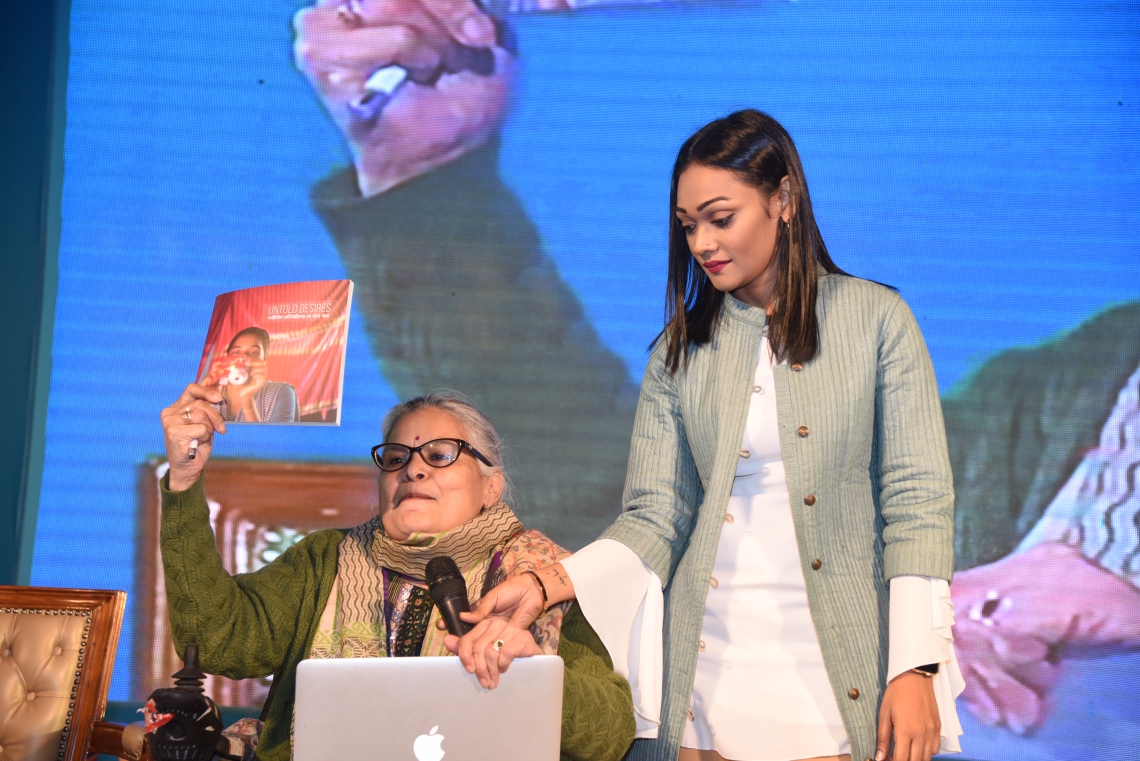
6. A focus on disability
“In normative society there is a conspiracy of silence about the sexuality of people with disabilities. It is thought that you are either asexual or hypersexual and not prioritised even among advocates for disability rights.” –Anita Ghai
The conference had a strong focus on disability not just in terms of exclusion (how disabled people are infantilised and their needs, desires and inputs are considered unimportant) but also on disability as a knowledge systems which can provide vital insights for those working on sexual and reproductive health. We learned how disability is heterogenous – India has 21 different categories of disability – if we were to build our sexual and reproductive health education system around catering to all students regardless of (dis)ability it would provide a more imaginative starting point for our discussions of love, sex and romance.
What next?
At the conference we heard from a range of implementing organisations about how they were responding to some of the contemporary challenges raised above.
Debarati Halder gave an overview of the subject of cyber-bullying, a more common phenomenon as rates of internet use and connectivity are rising. This has implications for regulation of online spaces but also young people’s self-image and mental health. Others spoke of the rise in young people accessing information about sexual and reproductive health online in lieu of decent sex education. Pornography is readily available in Bangladesh and is one way that young people learn about their bodies and sexuality. In this there is a challenge in distinguishing accurate from inaccurate information. One young person explicitly asked how young people can navigate ‘fake news’ online.
To provide accurate information we heard that initiatives like Digital Sister for Urban Youth are creating platforms which seek to understand how urban youth access sexual and reproductive health information and develop communication tools to meet their needs. Interestingly, the Digital Sister project had feedback from young people that they should also spread messages through offline channels. Young people were concerned that their parents had insufficient access to information and inaccurate beliefs and that online sources would not meet their needs. This speaks to the need to integrate online and offline spaces in ways which are targeted to the needs of users.
Echoing Jeroen Steeghs’s speech at the conference, it is important that implementers take these issues on board and do not leave them to parents, many of whom are ill equipped and lack information, to deal with. Adolescents have sexual needs, fall in love and feel attraction, explore and develop their sexual identity. They often have to navigate incorrect and distorted sources of information in the process, including from censored or abstinence-based sexual and reproductive health education in schools. More guidance is becoming available on sexual and reproductive health programming and sexuality education such as the recent UNESCO publication on international best practices. However, despite overwhelming evidence that comprehensive sexuality education works there are barriers to its implementation such as the embarrassment of teachers and parents in taking this forward. Similarly, existing legal frameworks can simultaneously protect young people from abuse while constraining access to information and justice, and these need to be critically considered.
Comprehensive sexuality and sexual and reproductive health education prepares and empowers young people to take control and make informed decisions. It can be transformative – and help to build a fair and equitable society by overcoming issues like colourism, sexism, homophobia, ableism, sizeism, marriage normativity and other forms of discriminatory practice. It is the responsibility of those working on policy and interventions to take the concerns of young people seriously and ensure that they are at the forefront of shaping the response.
This blog was written by Kate Hawkins, Pamoja Communications Ltd/REACHOUT Consortium.
The Gender and SRH Conference for Young Adults 2018 was funded by NUFFIC and implemented through a partnership between BRAC JPGSPH, RHSTEP and NIPORT.
Problem solving on maternal health: Experience of Shebedino Quality Improvement Team in Ethiopia
By Aschenaki Z. Kea, Kate Hawkins, and Daniel G. Datiko
Though improvements have been achieved in maternal and child health related indicators, Ethiopia still experiences high maternal mortality due to challenges related to utilization of antenatal care, skilled delivery and postnatal care.
REACHOUT has been working to improve the performance of health extension workers (HEWs) in maternal health by strengthening services provided in primary health care units. Through the intervention we have seen remarkable improvements in the uptake of maternal health services.
What did we do?
The life cycle of the REACHOUT project can be broadly divided in three phases: a context analysis and two quality improvement cycles. The context analysis was carried out to understand the barriers to and facilitators of maternal health. This informed the introduction of the first quality improvement cycle in Shebedino woreda/district in Sidama zone. The key interventions of the first quality improvement cycle included group supervision of HEWs, community engagement and strengthening referral linkage, it was led by the research team.
The second quality improvement cycle, primarily led by the woreda health system, was started by establishing a Quality Improvement Team and a technical working group (TWG) at nine health centers and woreda health offices and scaled up to six districts of Sidama zone. The intervention has transitioned from being project led to district led as a result of embedment in the health system. The health center Quality Improvement Teams are made up of five members: the head of the health center (chair), the person responsible for the Health Management Information System, the maternal and child health coordinators, a HEWs’ supervisor and the Woreda Health Office focal person for that particular health centre.
A three-day training was provided to the Quality Improvement Teams in our first workshop, which included how to identify and prioritize quality problems in maternal health, how to develop a change plan, and how to measure and document changes. They identified the root cause of the problems using problem tree and fish bone analysis exercises based on service standards, from their practice and routine reports. Some of quality problems identified and being addressed include: inadequate routine lab services for pregnant mothers including testing for HIV and syphilis; poor data quality; low coverage of fourth ANC visit and facility delivery; lack of logistics; and shortages of supplies.
Priority problems were selected by the Quality Improvement Teams based on a prioritization matrix and developed detail change plan including monitoring and evaluation mechanisms. The TWG provided technical support and oversaw the Quality Improvement Team to ensure functionality and sustainability.
The Quality Improvement Teams held regular meeting on a monthly basis to discuss the progress of the implementation of the selected quality improvement indicators and develop the next action plans based on the identified gaps. The findings were shared with the HEWs and their supervisors during group supervision meetings.
Besides the Quality Improvement Team monthly meetings, three joint workshops were held including the initial training. The two subsequent workshops addressed the problems identified in previous workshops, and reviewed the change plans developed for the identified problems, activities undertaken, successes achieved, challenges encountered, and lessons learned.
What have we achieved?
Implementation of the multidisciplinary Quality Improvement Team team has improved the efficiency of the team, quality of group supervision, and the exchange of feedback within primary health care unit.
A focal person from the woreda health office shares information about the work of the Quality Improvement Team with the woreda health office to ensure district led sustained support and learning across the health centers. The tools developed by the project have been successfully decentralized and used in health facilities, contributing to the successful provision of maternal health services. The shift from project led to district led implementation has improved the coverage of facility delivery in Shebedino woreda from 28% in 2013 at the baseline to 78% by July 2017.
A Community Health Worker gender action framework: Implications for decent work, rights, and responsibilities
By Rosie Steege, Sally Theobald, Kate Hawkins
The health system is a growing employer of women and can help to contribute towards gender equality. Yet gender biases and discrimination are sadly alive and well within this sector. The need to promote gender transformational processes and decent work for health workers of all cadres was discussed at the WHO Human Resources for Health (HRH) Forum held in Dublin earlier this month.
A gender lens is often missing from analysis of the Community Health Worker (CHW) cadre of health workers who operate within communities serving as a vital link between them and the health sector. Although it varies by context, CHWs are predominantly women, often of lower socio-economic status, who have limited career opportunities. The HRH Forum provided an opportunity to highlight some of the gendered aspects of this cadre and showcase experiences and inspiring stories of action for CHW programmes. A panel chaired by Sally Theobald covered India, Brazil, South Africa and Malawi. She opened the session by highlighting the importance of gender and equity in human resources for health and “decent work” agendas, stressing that this lens needs to extend to CHWs who both experience gender inequities and also negotiate the ways in which gender and power play out within the households and communities they serve.
Gender dimensions of the ASHA programme
The first panellist was Kerry Scott (on behalf of Rejani Ved and Asha George) presenting work on the ASHA programme from India. The all-female cadre of staff was developed order to meet the country’s maternal and child health goals. The programme is now made up of 850,000 ASHAs (one per village). In order to better meet the needs of ASHAs a number of policy changes have been made. ASHA’s training has become residential with a crèche facility to ensure the women can participate and also fulfil childcare duties. ASHAs are included as member secretaries of village health committees. This enables them to move beyond the all-female maternal health space and encourages their active leadership in traditionally male dominated realms. Although ASHAs are not formally employed by the government, there are increasing monthly economic incentives for ASHAs to help them meet their need for regular income and encourage the uptake of banking services. The creation of more government scholarships for higher education for ASHAs creates more opportunities for women to access a career pathway. Newly introduced social security measures help support ASHAs via life and accident insurance and pension opportunities. Finally, the creation of rest accommodation in health facilities helps to increase ASHA safety and comfort (as one of their main duties is to escort expectant mothers to facilities to deliver, often at night).
These policy changes demonstrate positive active steps towards securing the safety and wellbeing of the ASHA as a mobiliser, facilitator and as a care provider. However, there are still challenges. There have been shocking examples of ASHAs being sexually harassed and even raped by community members and other health service providers in the course of their work. The government response has been to ensure that all service providers undergo sensitisation training, but there is still work to be done to ensure ASHAs’ safety and rights are protected at the community level. Kerry concluded with the call for constant adaptation of policies to ensure appropriate response to the ASHAs gendered needs. She posed the question, how do we balance policy progress against social norms which are slower to change?
Power, gender relations and heteronormativity in Brazil
João Nunes presented on Brazil and highlighted that there is a need for a political economy in analysis of human resources for health and the ways in which international political economies intersect with gender. Since its inception in 1987, the Brazilian CHW programme has been shaped by gender norms. The programme developed against a backdrop of neo-liberalisation, privatisation and an increasing feminisation of labour, where women were seen as precarious workers to fulfil permanent job needs. The programme was initially conceptualised as a way to reduce infant mortality whilst at the same time provide employment opportunities for poor vulnerable women and a make-shift solution for the health of poor communities. Perceived as natural carers and providers for their communities, these women are often required to go beyond their job specification and working hours, providing informal work which is not remunerated such as support for single mothers, victims of domestic violence, and sexual health.
As is often seen CHW programmes that require CHWs to come from the communities they serve, CHWs work in systems that enable and reproduce gendered vulnerabilities. Informal care work is seen as a women’s domain – this work is downgraded and informalised within the socio-economic system. Similarly, primary health clinics are understood to be a feminine space and often men do not visit. This is compounded by the cultural understanding that men must play a bread-winning role, working during the hours that the primary health care clinic is open. An example of how CHWs internalise and reproduce the norms that they work within was given with regards to the family health strategy – which assumes a binary heteronormative family of man, women and child. In recent years there has been change to make this strategy more diverse and reflective of current households and communities but there has been conservative push back with many CHWs themselves sharing these views.
Finally, João described how there are many obstacles to the discussion about women’s sexuality which has an impact on what CHWs can do in their formal conversations and advice. Women are seen as mothers and daughters and activities to support women’s sexual health is perceived to be limited to vulnerable groups such as sex workers or trans women. Due to religious and cultural norms discussion about sexuality can be very difficult. For example, the use of condoms is not acceptable for married couples. In the same way that heteronormative gender norms limit women’s capacity to provide sexual and reproductive care, they also constrain men in becoming CHWs. Due to sexual politics men are unable to enter homes which prevents them from providing adequate care. This suspicion of men and reluctance for them to enter the household space, is not unique to Brazil and similar dynamics have been seen in Kenya and many other countries.
Gender roles and CHWs in Malawi
Kingsley Chikaphupha from REACH Trust (and co-chair of the Thematic Working Group) gave us examples from Malawi, where there are both male and female Health Surveillance Assistants (HSAs). He highlighted how recruitment of CHWs, is not considered from a gender perspective and because of this there is a large imbalance between the numbers of men and women performing the role. Across all districts there are 30% male HSAs to 70% female HSAs. However, when you look specifically at hard to reach areas within these districts, the numbers are flipped, with 70% male, 30% female.
In hard to reach areas the 30% that are female also appears to be diminishing – this may be due to pressure from husbands to leave the role, or often it is reported that female HSAs leave if they are married to men in who are posted to work in urban settings due to their jobs. In some cases, male HSAs had wives who were posted to urban settings however, they chose to remain in rural areas due to cultural norms that make it shameful for men to be seen to follow their wives.
We heard how this imbalance affects the health of the community as, although both male and female HSAs have the same responsibilities on paper, in reality the division of labour is quite gendered. In most settings male CHWs are more privileged than women with greater access to supervisory roles and equipment such as motorcycles.
King called for: 1) More gender disaggregated data on CHWs; 2) Greater support for skills development; 3) Gender transformative approaches in CHW policy; 4) Work with broader coalitions to prompt societal transformation, a review of current gender strategies, and the creation of a gender frameworks for CHWs.
Working with CHWs to engage fathers in health, wellbeing, and care
Andre Lewaks of Sonke Gender Justice South Africa, talked us through the MenCare Project, gender transformative training by CHWs to promote father’s involvement in Early Child Development (ECD).
In South Africa 64% of children don’t live with their biological fathers following patterns that reflect strong cultural and patriarchal norms that promote women as the natural caregiver for children. For every hour of unpaid care given by a man, a woman gives eight. The MenCare Project trained child and youth care workers (CYCWs), provided home visitation programmes and complimented this with onsite mentorship and support of CYCWs.
A mixed methods evaluation of 544 fathers who took part in the project found a positive transformative change in attitudes towards heteronormative care roles and women’s labour. For example, when asked whether they agree with the statement “a women’s most important role is to take care of her home and cook for her family” before the intervention 79% of men and 60% of women agreed. After the intervention, this dropped to 31% of men and 33% of women. Participants also realised father’s roles went beyond provision of financial support and some women also reported that they realised their own role in the entrenched patriarchal mind set of the community.
The project reported that CYCWs had an improved capacity to understand and engage men. Men had an improved ability to express themselves which in turn improved communication between partners and lead to improved sharing of household responsibilities. Importantly, in a context of a high prevalence of intimate partner violence, there was a reduction in men’s abusive behaviour.
Instilling a gender transformative approach to National CHW programmes
Sarah Crass (on behalf of Polly Walker) discussed the gender transformative approaches that World Vision International (WVI) are undertaking through their CHW programmes in Lesotho, Ghana, Sudan and Mauritania. This includes the Timed and Targeted Counselling (TTC) model.
Fathers’ have a huge impact on children’s cognitive outcomes and even the relationships that they will go on to have in later life. Negative father figures can result in early sexual debut and increased childhood pregnancies. WVI’s evaluations found that a key limitation of CHW programmes, is lack of male partner engagement. Through their TTC model men are included by default and indicators for their involvement are included. It uses positive role modelling and healthy family models to engage men in family activities including time to play with their children and take part in other household activities traditionally viewed as women’s work. The model also makes use of male and female CHW pairs in household visits which is beneficial to circumvent norms that may inhibit cross gender discussions.
Through this intervention WVI found that TTC counselling is more productive and results in a greater number of concrete decisions being made if male partner is present. They also found that at the policy level male involvement is inadequately addressed and there is dearth of evidence here. They report that policy makers are aware of this gap and are keen to explore new methods for male involvement in community health as the non-participation of men inhibits early childhood development. Through a qualitative evaluation of the TTC model, they were able to report that male involvement leads to improved sharing of household chores with male partners. Male partners were also reported as more likely to take an interest in mothers’ nutrition during pregnancy and accompany mothers to give birth.
This panel helped to illuminate some of the issues facing CHWs and the communities they serve around gender. It was part of a larger call for greater gender analysis of challenges facing human resources for health which was heard throughout the conference. For more information on gender and CHWs see our previous webinar on this topic and the REACHOUT blog. If you are interested in community health workers – join our thematic working group by emailing Faye.moody@lstmed.ac.uk.
Ensuring data quality? Let’s walk in the shoes of Community Health Workers in Kenya and Malawi
By Kingsley Chikaphupha, Regeru Njoroge Regeru and Kate Hawkins
Data from community health programmes is essential in understanding their contribution to healthy lives and promotion of well-being of all. Unfortunately, the quality of data reported by Community Health Workers is often poor meaning – like community health programmes themselves – this information remains on the periphery of health systems and is not used by decision- and policy-makers at district and national levels.
Let us put ourselves in the shoes of a Community Health Volunteer (CHV) in urban Kenya:
Why should I worry about the quality of the data that I report to the Community Health Extension Worker (CHEW), a.k.a. my supervisor? Us CHVs are meant to meet with the CHEW monthly but she never calls us. I am still holding on to reports for the past two months because I don’t know where to take them.
And wait – what does data quality even mean? No one has ever told me. When I was recruited as a CHV two years ago, I was replacing another volunteer from my area who had suddenly dropped out from the programme. He had to go make money to feed his family. I was recruited after one of my friends who is also a CHV introduced me to the CHEW for our community unit. She told me that I was lucky because a non-governmental organisation would be conducting a training on water, sanitation and hygiene (WASH) in a few days and that I could join that training and then start working. The CHEW took me to our Chief and he gave his approval and that was that. I attended training on WASH the next week and the CHEW gave me photocopies of a form she said I should use to collect data when I make household visits. I began visiting households in our community unit with my friend and then eventually by myself. When I first started using that form I noticed there was so much we are meant to write about mother and child health. No one has ever taught me about mother and child health! My friend told me I should record data using ticks and crosses but this confused me so I just use 1s and 0s. Some of the terms also confuse me – what exactly does skilled delivery mean?
Anyway – I’ll just keep doing what I’m doing because whenever we meet the CHEW she just picks up our forms and we never get any feedback.
Now let us put ourselves of the shoes of a Community Health Volunteer in rural Malawi:
My Health Surveillance Assistant (HSA), a.k.a. my supervisor, has just called for me to come and help him with data collection about how many children under five in my catchment area are up to date with immunization. Now what am I going to write on? I just bought a new notebook for school for my child last week – I guess I must tear out some pages so I have data to give to my supervisor. I wish we had a tool from the government – after all we are collecting data that goes into government forms used by our supervisors.
Community health workers have the potential to be the ‘eyes and ears’ of the health system. They are our first point of contact with communities, collecting data that should be an essential underpinning to decisions about health service provision. Yet as these vignettes illustrate, the ways which they are treated run counter to the frequently repeated claim that decision making should be evidence based.
And we can do so much better. It is time that all community health programmes took steps to demonstrate how much they appreciate community-level data, and the people who collect it.
We put forward the following six recommendations for community health programmes:
- Inform Community Health Workers why the data they collect and report is important.
- Provide Community Health Workers with the tools that they need to do the job and ensure these are designed with their input.
- Teach Community Health Workers how to complete their data collection and reporting tools and provide regular feedback and guidance on data management especially when new tools or processes are introduced.
- Support supervisors of Community Health Workers in analysis of community-level data for identification of gaps and increased responsiveness to the challenges facing their communities.
- Provide written guidelines and procedures for data management in community health information systems.
- Inform Community Health Workers how the data they have reported has been used in decision- and policy-making so that they can see the impact of their labour.
We’re editing a new book on women’s leadership in global health
By Kate Hawkins
There is a growing interest in women’s role in global health leadership. We know that women are the majority of people working to improve health outcomes in communities, health facilities, non-governmental organizations, and multilateral organizations. So why is it that when it comes to leadership positions we have a governance system that privileges men and what can we do to redress the balance?
This ground-breaking collection will explore the leadership roles that women currently play in global health, teasing out the routes that women have taken to leadership, the challenges that they have faced, and what has facilitated their journey. It will bring to the fore the stories of women on the frontlines of this struggle from around the world, highlighting and complimenting these stories with theoretical and analytical explorations of the structures and systems that help or hinder the process. Empirical studies in this volume will demonstrate how women’s leadership is thwarted or supported from a range of different contexts, positions, and starting points.
The authors come from various academic and professional disciplines and have been purposefully selected to show the range of types of leadership in global health. The book will form a rallying call to arms to redress gender inequality and celebrate the many ways in which women are taking the lead in supporting the health of their communities internationally. This book will be a must read for those working in global health or studying the topic. It will also be a feminist primer that aims to support other women in their efforts to succeed in a highly unfair and unequal world.
The editors are Kate Hawkins, Rosemary Morgan, Roopa Dhatt, and Mehr Manzoor.
For more information watch this space! If you have any questions, just drop us a line.
Measuring quality in Malawi’s community health system: Barriers and challenges
By Kate Hawkins, Maryse Kok, Kingsley Chikaphupha and Meghan Bruce Kumar
“There is significant data collection through various methods and implementers of community health. HSA’s are technically assigned to complete over 40 M&E forms and processes while there are currently 15 different types of data used in community health. The amount of data collection creates a burden for implementers around consistency and quality of data that is weakened by insufficient quality assessments and training for data collection… Multiple processes for data collection also raises questions around data quality given the amount of time needed to devote to multiple M&E processes as well as limited trainings and supervision.”
Malawi National Community Health Strategy 2017 – 2022
As the drive for Universal Health Coverage and the Sustainable Development Goals (SDGs) has led to a push for greater health service access, the issue of sustaining and embedding quality in the ways in which these services are delivered has gained prominence.
Measurement of quality and attribution of its effects in health is challenging at any level. But little is known about how quality is assessed within community health programmes, who are on the frontline of health service delivery in many low- and middle-income settings. The degree to which new initiatives like the Lancet Commission on Quality in Health Systems will include community health programming and the role of close-to-community health providers is currently unclear.
Health systems are shaped around well analysed power asymmetries. Relatively less powerful staff who labour at the interface of the community and health sector are rarely canvassed on their opinions of quality nor are their voices prominent in the decision-making processes that effect their daily labour. At the more local level differences in the personal characteristics of community health workers and their supervisors (such as sex, educational level, class, experience of poverty etc.) also act to reinforce power asymmetries.
This brief explores how close-to-community health providers in Malawi perceive quality as an aspect of their work and highlights some key challenges which may hinder the definition, measurement, and achievement of quality at the community level. It is based on research conducted by REACH Trust.
We found that Health Surveillance Assistants, the community health workers that operate in Malawi, experienced many challenges which hindered the provision of what they would consider a ‘quality’ service, these included:
- Inadequate training on quality improvement/assurance and a lack of incentives for peers to learn from each other on this issue
- Supervision which was not supportive and which rarely focused on quality of care. Where progress was measured against quality indicators this tended to be partial and limited to a handful of programmes
- That guidelines on topics like task shifting had not reached the district level and below and when they are received they are not always used
- Erratic monitoring visits
- Multiple quality measures that were related to the plethora of vertical interventions which are managed by NGOs in addition to those required by the government
- A lack of standard Ministry tools to enable HSAs to measure progress which leads HSAs to create their own informal summary activity reports which are often supplemented by a multitude of programme-specific reporting forms (e.g. for nutrition, iCCM, family planning).
- A lack of pre-testing of new tools which means that they are not always fit for purpose
- Poor data quality at community level which is reported on an ad hoc basis if/when requested by NGOs or HSAs. When this data is collected it is not always analysed or interpreted. Collated data is not consistently fed back to communities so that they can make changes
Read the brief to find out more.
What did we learn at the Inspiring Communities workshop?
By Kate Hawkins
On the 12 June 2017 the University of York’s Department of Politics and Centre for Global Health Histories held a fascinating meeting which explored the impetus towards the mobilization of communities in the definition of health policies and the delivery of care; and the role played by community health workers (CHWs) in this process. It was a chance to look backwards and get a historical view of the formation and adaptation of CHW programmes in different settings as well as looking at some of the more contemporary challenges and how these two things might relate. Three elements of the discussion stood out for me: religion, gender, and community and participation.
Religion
Recently I have been working with colleagues on a literature review on gender and CHW programming which is part of a larger paper. One of the things that struck me is the only papers that we found that made an explicit link between gender and religion were those from Muslim-majority countries. One can only speculate at the reasons for this. These papers tended to focus on how becoming a CHW increased women’s mobility in settings where they have traditionally stayed in the home and how this can be an empowering experience. They also point to the potential dangers of women breaking social norms and their vulnerability to attack and sexual assault by men when out and about in the course of their work. It may be due to our search terms, or the journals we are limited to, but I was surprised at the lack of papers where Christianity was at the forefront of analysis. As an atheist, I have had time to contemplate faith while at meetings on CHW programming that begin (and often end) with a prayer. The workshop was refreshing in that we heard new perspectives on how Christianity has influenced the conception and function of CHW programmes in different settings.
What became clear from our discussions is that Catholic and Protestant organisations have different models of mobilising communities, and attitudes towards them, which plays out in the design and functioning of CHW programmes. Ben Walker presented on Medical missionaries, Community Health Workers and NGOs competing and creating universal health care in Ghana between 1967-1983. Ben challenged the perception that the implementation of Community Health Workers was an entirely secular venture by describing the way in which missionaries and Churches in Ghana were involved in their formation. He tracked the changing attitudes amongst the Presbyterian and Catholic churches in Ghana across the 1950s to the 1970s in order to show how, whilst initially mission doctors and Ghanaian Christian health work prioritised a hierarchical relationship with local communities, reformations in mission theology in the 1960s shifted their practices. Particularly he emphasised how Vatican II, medical missionaries connection to local anthropologists and Christians studying at U.S. public health schools all encouraged community-oriented perspectives on how to incorporate Ghanaians into medical work.
We heard how Liberation Theology (of the type found mostly in Latin American countries) purposefully centred on the agency of communities and their active participation in overcoming socio-economic inequity. This essay by Paul Farmer describes how this approach underpins community health interventions in Partners in Health. We heard how in the Brazilian health system Catholic and African religions are integrated and this was central to the development of their model of health care. Community conceptions of what constitutes good health and wellness were what shaped the interventions provided, which is why homeopaths/herbalists are licencedproviders of care. Polly Walker described how World Vision’s faith-based approach to development has evolved over the past 60 years, moving away from a provider-beneficiary relationship towards a model of transformational development and partnership (which reflects local ownership and definition).
Gender
REACHOUT was represented by Rosie Steege who reflected on some of the gender issues that have been raised as part of the work of the consortium and in her PhD research. She concluded that gender impacts upon CHWs in a multitude of ways and current CHW policies do not acknowledge the complexity gender plays ‘supply side’. This is a missed opportunity to promote gender transformative approaches at all levels of the health system. Her overall argument was that approaches on the ground are often governed by gender but not gender transformatory policies as a result they are sub-optimal.
Gender was also a focus in the presentation by João Nunes (Department of Politics, University of York) on CHWs in Brazil. He described CHWs as simultaneously vulnerable and empowered and in part this is because a big percentage of them are women (98% in some states). CHWs are often precariously employed with short term contracts, underpaid, and seen as disposable members of the health teams. They experience occupational health problems, such as trauma, stress, and physical injuries. João described how the community health programme is deeply heteronormative. Women are chosen as CHWs as men are not allowed to go into people’s homes unaccompanied, reflecting dominant conceptions of what is ‘appropriate’ for men and women. He relayed an anecdote where a member of staff recounted, ‘we have one male CHW but he is a homosexual so that is alright’. Heteronormative structures are very much present in many of the CHW programmes that I have seen – in anything from the way that households are defined, to assumptions about women’s caring responsibilities and natures, to CHW attitudes towards clients who break norms related to sexuality such as having children as teenagers – but they are rarely remarked upon. It would be great to see further analysis of this area.
Group discussion focused on whose ends are served by pushing women into positions where they are vulnerable to community violence and other forms of harm. I have long wondered why there is not more discussion about workplace health and safety in relation to CHW programmes. Employers have a responsibility to those who labour for them whether their workplace is an operating theatre or a doorstep.
Community and participation
In the CHW world there can be a tendency to posit communities as benign and all community participation as positive. Yet conversations at the workshop pointed to some of the limits of CHW programmes and how good intentions within drives for community health could have negative unanticipated consequences.
An excellent presentation by Karina Kielmann (Institute of Global Health & Development, Queen Margaret University) described how relationships and provider/client interactions are key to the delivery of HIV interventions through CHW programmes. She talked of how pre-existing social bonds can be instrumentalised by community health programmes and these can have negative consequences. For example, the creation of ‘expert patients’ to support adherence to ARV treatment in Malawi weakened horizontal links between peers and therapeutic solidarity as their positions were professionalised. In Zambia, the professionalisation of home based care practices meant that CHWs were less involved in physical care and did not support households through the provision of food. As their traditional role transformed people felt surveilled and policed by CHWs who were thought to adopt a berating attitude and meddle in household affairs through their treatment adherence practices.
Emma-Louise Anderson (University of Leeds) presented a paper on dependent agency and the limits of community mobilisation for democratisation and equity. Based on work in Malawi and Zambia (both countries which are extremely aid dependent in terms of their HIV programmes) she described how networks of people living with HIV and the support groups that followed from them are considered potential mechanisms to foster equity. However, in these settings aid recipients are ‘dependent agents’ who are constrained by exclusionary informal networks, donor recipient relationships and patronage politics. This is not to say that they were powerless and there were many ways in which structures were subverted, for example, through 1) the outward performance of compliance, such as using human rights language without a commitment to their realisation for all; 2) extraversion, or making dependency obvious so that it is advantageous in terms of additional resources; and 3) resistance below the line such as using euphemisms, stretching rules, and dragging feet. Nevertheless, community health in this environment has undermined the solidarity, accountability, transparency and the trust needed for democracy. It has led to the exclusion of certain groups and the pitching of different communities against each other. CHW interventions need to better understand the behind the scenes ways local people are enmeshed in unequal power hierarchies and social obligations if their programmes are to be successful.
In other conversations, we discussed how regimes of expertise and practice take up and then discard community members as the popularity of CHW programmes ebb and wane. One participant described CHWs as the ‘handmaidens’ for opening up markets for Western drugs as part of a global trend that is moving away from community care towards biomedical interventions.
The workshop was an excellent opportunity for academics from different backgrounds and disciplines to come together and share. I am hopeful that it will lead to fruitful collaborations in the future.
Research uptake: Learning from policy makers in Kenya
By Lynda Keeru, Kate Hawkins and Robinson Karuga
Since our inception, we have placed a great deal of emphasis on communications and research uptake. Our initial project planning included a stakeholder mapping and policy and practice analysis which led us to prioritise this area as an integral part of our research on community health workers. It was underpinned by a number of principles that guided our interventions: 1) that the research uptake process is complex and non-linear; 2) researchers are more likely to have an impact if there is early and ongoing engagement with stakeholders; 3) embeddedness in the context and with policy makers and processes is crucial; 4) outputs and processes need to be tailored to audiences; 5) identifying allies and champions supports the research uptake process; 6) using existing channels of communication rather than creating new ones provides value for money; and 7) monitoring progress and remaining adaptable is important.
We took advantage of our annual meeting in Nairobi to engage with health policy makers from the national and county level to better understand how they use evidence in policy and the weaknesses and strengths of current systems of researcher-decision maker interactions. We will use this knowledge to shape our communications work as we move forward.
What evidence is used for decision making?
We heard from national and county level government officials that that a range of data sources are used by decision makers including: desk reviews; online databases; evidence from development partner projects; and routine data from the community (for example from dialogue days and meeting plans), facilities and hospitals. A great deal of routine data is collected by Community Health Volunteers and analysed by their supervisors, Community Health Extension Workers.
Despite a wide array of data sources this evidence is not put into use most of the times. There is a weakness in the culture of using data and data analysis needs to be built into management meetings. Analysis and use of data can happen on different levels. However, some levels of staff do not have the skills or the means to do this. The quality of data is sometimes very compromised, which leads to wishy washy reports.
How can evidence be aligned with policy needs?
Although not all evidence generated through research leads to policy change, there is a need for operational research to generate ready to use data. This research should be guided by the Ministry of Health’s research agenda rather than being imposed from the outside. We heard that too often partners come to counties with their own ideas about what they want to research – there is no ‘partnership’ in this approach. It was agreed that decision makers at all levels need to be involved in the research process from the outset. It increases the likelihood of use and that the research itself is fit for purpose.
There are also weaknesses in the mechanisms for sharing data. Universities often fail to engage policy makers. Data needs to be made accessible – not just in a format understood by academics or presented in a conference in ‘Copenhagen’ – but demonstrating local solutions in a manner that local stakeholders can understand. Research should not just be disseminated but the communication of data should also be tailored to the politics and context of the where academics are working. The policy makers told us that timing matters in terms of research uptake, there is a need to take advantage of windows of opportunity for change, and spotting and engaging with these chances is easier if you are based locally.
How is policy made and implemented?
Research can inform policy and policy can inform research. Most policies are set by Presidential or Ministerial Directive which are guided by research. One challenge is the gap between written policies and their implementation. Research institutions should make in effort to better understand these challenges and offer concrete suggestions for how they can be overcome. In Kenya this will need to take into account the process of devolution and how this is playing out in the health system.
We heard that researcher and policy maker incentives aren’t always aligned and so researchers are rewarded for peer review publications which are not so useful for decision making. This is a weakness in the system of knowledge generation. Forums like government Technical Working Groups can be a place where researchers can share knowledge. But they also need to include government workers from the sub-national level. If this doesn’t happen then there is a danger that the work will be rejected.
We thank all the policy makers who shared their time and knowledge with us and look forward to many more fruitful collaborations in the future.
Ethics in health systems research is ‘everybody’s business’
Ethics is ‘everybody’s business’, and at the Fourth Global Symposium on Health Systems Research (HSR2016) in Vancouver last year, the stream on ‘Equity, rights, gender and ethics’ gave greater prominence to this topic than in previous years. We hope that ethics will be given the same prominence in Liverpool at HSR2018. With this in mind, we wanted to reflect on the on the ‘ethics’ highlights from HSR2016, and hopefully inform the themes of next symposium!
Making ‘ethics’ everybody’s business at HSR2016
Ethics featured in the titles and as core topics in many sessions and presentations at HSR2016 with several messages standing out for us:
-
It’s clear that health systems research ethics should address the broad justice questions that can be relatively neglected in biomedical ethics.
In all the sessions, there were many discussions about social justice, including the need to critically examine priority-setting and resource allocation, as well as understand and challenge root inequities. If health systems research is to contribute to reducing disparities in health and wellbeing, it should address broader social justice questions. Genevieve Dubois-Flynn, in her session, emphasised that the concepts of inequity and equity express a moral commitment to social justice and the need for action to eliminate underlying social disadvantage or marginalisation.
Adnan Hyder and Bridget Pratt led a session which considered how research priority setting (at global and national levels and by funders and research institutions) can be better structured to address the needs of disadvantaged and marginalised groups within countries. The session called for reliance on a deeper concept of inclusion in priority-setting; one that goes beyond achieving a range of stakeholders and incorporates consideration of equal voice (raising voice and being heard) and depth of non-elite participation (control, shared-decision-making). It also proposed using social value as a priority-setting criterion, where greater social value is defined as research that offers the greatest benefit to disadvantaged and marginalised groups.
-
A critical examination of more obvious or common micro-level ethics questions remains essential, such as examining how individual consent processes unfold on the ground.
Dorcas Kamuya highlighted how gender and power shape consent processes and interactions in complex ways on the ground, with important implications for household decision-making and the kinds of support that frontline research staff need (a paper on this topic is in press in BMJ Global Health). The latter requires careful attention given the essential interface role these staff play between health and research systems and communities, and the strong hierarchies and power inequities in many organisations and institutions.
-
In practice, all health policy and systems researchers have to consider their obligations and responsibilities in the face of multiple needs and inequities.
A critical examination of power inequities at multiple levels (local, national and global) should be central to health systems researchers. In two interactive RinGs sessions with a gender and ethics focus (led by Rosemary Morgan and Kate Hawkins), it was emphasised that this requires:
-
Good quality qualitative research, including careful consideration of researchers’ positionality, co-learning between a range of actors who bring different experiences and expertise to the table, and the use of specific approaches and methods (participatory, narrative and visual) aimed at flattening power relations; and
-
A careful and difficult balance between understanding and respecting local norms and processes, and considering if and how to respond to needs and inequities identified.
Regarding the last point, there is clearly no ‘one size’ simple solution: researchers’ responsibilities can include direct or indirect interventions, and shorter and longer term actions and strategies at different levels. In these contexts, a basic ‘do no harm’ principle needs constant revisiting; good intentions are not always enough and can bring unintended problems for those with least voice or power.
-
Recommendations and guidelines can be helpful in supporting ethical practice, but are not enough in themselves.
New ethics guidance for global health research were shared at the Symposium to complement existing guidance, and inform policies and priorities for global health research. The Principles were developed by the Canadian Coalition for Global Health Research (CCGHR) through a multistage, dialogue-based process with 300+ participants from diverse backgrounds and cultures, including the global South. The Principles encourage researchers and others to adopt more ethical and equitable forms of global health research. They include: humility, authentic partnering, inclusion, responsiveness to causes of inequity, shared benefits, and commitment to the future.
The Principles recognise that an ethical approach to health systems research and practice involves far more than uncritically following requirements and recommendations, it requires researchers to critically examine and challenge gender and other intersecting forms of inequity throughout the entire research process. The Principles underscore that considerations of the social, economic, and political conditions in which research is being conducted are core ethical concerns. They constitute an innovative learning tool to support researchers to question their own assumptions about the root causes of health inequities and their role in addressing them.
What next for the Ethics of Health Systems Research Thematic Working Group?
The discussions on rights, justice, inequity, gender and intersectionality, participation and voice, and resources and control were heard throughout HSR2016, and are all fundamental ethical concerns. As a Thematic Working Group (TWG) for Health Systems Global (HSG) we plan to take forward these discussions by adding a focus on power, politics, equity, and rights, and continuing to promote a recognition that ethics is everybody’s business. With HSR2018 in our sights, a key priority is to broaden the voices contributing to ethics discussion and debate.
—
To join our TWG please get in touch with us through our webpage. We look forward to hearing from you!
—
Image credit: Feng Yu/Shutterstock.com
Emerging issues related to gender and community health workers
By Kate Hawkins, Sally Theobald, Rosie Steege, Maryse Kok, Mohsin Sidat, Kingsley Chikaphupha, Ralalicia Limato, Hermen Ormel, Daniel Gemechu Datiko, Robinson Karuga
To celebrate International Women’s Day the REACHOUT Consortium held a symposium in Nairobi on “women in the changing world of work”. This symposium grew out of a recognition that the sex of the Community Health Worker (CHW) influences their interaction with the health system.
Gender norms also shape CHWs’ different experiences in the course of their work both with households and the health sector. We have argued that CHWs play a critical interface role – connecting the health sector with the community – and although an analysis of the ways that gender influences this was not explicitly built into our research design from the outset, it emerged as an important issue in our REACHOUT context analysis. To investigate further, a Liverpool based Masters student, Woedem Gomez, undertook a literature review on gender and close-to-community (CTC) providers. REACHOUT PhD student, Rosie Steege is exploring this topic in international policy discourse, as well as conducting empirical case studies in Ethiopia and Mozambique investigating how the health system can best support both male and female CHWs, recognising their differing needs. We also worked with the Health Systems Global Thematic Working Group on CHWs to hold a webinar to share learning on gender and CHWs in different settings, including Democratic Republic of Congo and Palestine; which triggered further debate and questions.
Based on this learning and the premise that we still have time in the last months of our research programme to further educate ourselves on this area (and at least encourage others to consider from our lessons learned, positive and negative) we decided to spark off the process with a dialogue that enabled our team to engage with other stakeholders in Kenya.
Gender norms and related attitudes and behaviours are not fixed
We heard that gender norms are contextually specific and subject to flux and change through time. Mohsin Sidat (Mozambique) pointed out that many years ago women were not allowed to learn and practice medicine and about 100 years ago female physicians were still exceptional in the medical world. Today the scenario is different and, for example, in Faculty of Medicine of University Eduardo Mondlane where he is Dean they have about 60% female students. This clearly indicates gender roles in medical study and practice have changed. Nevertheless, for centuries, the role of midwifery has been reserved for women and it continues to be so in recruitment and training of midwives. The midwifery role attributed to women is acceptable in most countries and few men take it up (in Sub-Saharan Africa). However, men and women are trained as Gyneco-Obstetricians and both perform deliveries and the role of men at this level is not questioned. These gender ascribed roles within health sector are certainly historical and perhaps also consolidated by social and cultural norms.
Miriam Taegtmeyer (UK) made a strong case that it is the responsibility of health systems researchers to challenge gender inequities – it is an ethical issue – and one that enables us to contribute to tackling the social determinants of health, as well as harmful practices such as gender-based violence and female genital mutilation.
CHWs are leaders
There is increasing focus on women and leadership in the global community, although this often focuses on leadership within the UN, WHO, donors, national parliaments and universities and is not extended to the community level. Sally Theobald (UK) led us through the global literature in which it has been argued that women may make up 70% of the CHW cadre.
They are arguably leaders at the community level. Unfortunately, although training and salary differ across contexts, female CHWs are more likely to be unpaid than their male counterparts – which is a unacceptable example of gender inequity, with higher level positions often reserved for men. Drawing on research on leadership in the Kenyan system more generally Kui Muraya (Kemri, Kenya) explained that there are social and cultural factors which are a hindrance to women’s leadership. Women’s domestic responsibilities often mean that they do not have the same amount of time for this work which means that these barriers need to be tackled if quotas are to be met.
Kingsley Chikaphupha (Malawi) reflected on how at the recent Kampala conference a community health volunteer (CHV) articulated these issues very clearly. Framing his thinking via the Sustainable Development Goals (SDGs) and in particular SDG 8 relating to decent work, he posed the question: Are we providing enough decent work for women? He felt that if one were talking about gender and CHWs and all of the unpaid volunteers were women and most of the paid positions were filled by men, then this is a serious problem. If the health system provides decent work to women, there will be no excuse for excluding women from decision making. However, others argued that women having paid jobs doesn’t automatically mean they are heard when it comes to decision-making; in many organizational setting men’s voices are more often heard (they are in higher positions etc.).
Daniel Gemechu Datiko (Ethiopia) explained how (all-female) Health Extension Workers (HEWs) in his setting are paid and that this is a deliberate move to recognise the work of women as part of the health system and empower them by expanding the role that they were already doing for free in the community. Wages cover the opportunity cost of the time that they spend doing this work. HEWs leadership is positioned and explicitly recognised through their role as the secretary for the village committee/leadership, this positon allows them to call meetings, share health related information and to influence their peers. Some HEWs have moved up the career ladder and obtained their diploma and Bachelors degree, and in some cases they have been assigned to health centres and district health programmes. In three years’ time all of the HEWs will complete their training diploma as a matter of national policy. However, there are still very few female supervisors – so although we are paying this cadre of women, there is still a ceiling for them to become leaders among HEWs and until we address wider issues of female education/ gender and culture norms then this will remain a barrier.
In a story from Kenya, Penina Ochollo, explained how she had observed female CHWs taking leadership when it was not offered. A group of female CHWs who had been working for ten years got tired of retired men from the big city dominating in the community councils and pocketing expenses. Through their lobbying one of the local women got elected to the council anddespite being in the minority, it changed the dynamic. She argued that initiatives like this need support and that gender mainstreaming needs to come from county leaders in line with the Kenyan gender mainstreaming strategy which was written in 2006 but has sadly yet to be fully implemented at County or community level. In her reflections, Penina stated that women took up leadership in delivering community health services whilst delivering on pressing household and societal duties – with no financial incentives.
Being a CHW can be empowering but there are gender-related challenges
Penina shared many insights about the trajectory of CHW programmes in Kenya. She explained how the trainings that CHWs receive create changes in their personal and family life. Becoming a CHW enables them to participate in exchange visits around Kenya, to network and attend training seminars which inspire them. They are no longer ‘poor ladies’. Whilst some husbands agreed that there had been positive changes in the home due to this, they were suspicious about home visits, that their wives might be involved in mpangowakando (having extra-marital sexual relationships). This led, in some cases, to gender based violence. The likelihood of suspicion and violence increased proportionately to the CHWs popularity in the community and influence with local leaders. She explained that male CHWs have the potential to influence other men in the community however they were not always received favourably by husbands who were suspicious of their presence in the house – another trigger for gender based violence. Penina argued that there was a need to work with the male partners of female CHWs to ‘sensitise’ them to what the job involves and include them in things like workshops so that they better understand the CHW role and its impact. Other countries, such as Ghana, have chosen for an explicit combination of male and female CHWs at the village level, which also needs special attention on how to address gender and optimize programme outcomes.
Rifat Mafuza explained how in Bangladesh the concept of women’s empowerment is explicitly linked to economic empowerment within the CHW policy. For this reason, CHWs are linked to micro-credit schemes to expand their economic potential and that their interactions with women in the home also cover access to education, legal services etc.
Gender-sensitive policy making and implementation is a gap that needs to be filled
Penina reminded us about the 1978 Alma Ata Declaration and the policy trajectory of primary health care and community health care. As the community health strategy was developed in Kenya they called upon the assistance of women, “they were the rock to move this mountain!” Women were the first choice of CHWs as they were directly affected by issues like nutrition and family planning. Initially women volunteered; it was not a paying job and had no career path. Men were not interested. There was too little attention to gender in the implementation of the strategy and its development over the years. She explained that male involvement has become more and more critical – particularly in terms of support for maternal, newborn and child health. Greater numbers of men are becoming CHVs but the ratio today is still around an 80/20 female to male.
We heard from Sally that CHWs can support change in the community– in terms of the social determinants of health and harmful gender norms – but we don’t always give them the tools or support to do this. This requires the support of the health system through policies related to supervision and community oversight bodies who need to be sensitised to gender-related. Summarising discussions, Maryse Kok (the Netherlands) explained how in community health committees in Kenya there are more males than females but that this is sometimes at odds with the constitutional requirement that no more than two-thirds of elected or appointed public bodies consist of one sex. Even when policies like this exist, their implementation may be slow. Kingsley suggested that when it comes to the selection criteria for CHWs we take our own biases into the process. If we say that women have more caring qualities, we influence the way that clients see male workers which makes it difficult for them to be employed as CHWs and carry out the role.
Salim Hussein (Kenya) returned to this point arguing that we need to mainstream gender inclusivity throughout the community health programme and that CHWs need to be trained in how they can improve gender equity and given messages that they can disseminate to the community. For this to be successful we need to sensitise formal health workers and to motivate and incentivise the leaders so that they have the capacity to advocate for gender equity. Simultaneously we need to assist communities in holding leaders to account. There was a strong plea for more leadership at all levels: from international to national and communities. Carol Ngunu (Kenya) explained that in Nairobi County they are ensuring that traditional birth attendants (TBAs) become CHVs because their experience in these roles means that they understand the challenges and norms in the community – and are an accepted support system that men feel comfortable with. She also outlined that Nairobi county is the first Kenyan county to roll out the gender mainstreaming guidelines in health facilities and the importance of these reaching the community level, including community leaders. She also stressed that there is a need for gender specific targets in health programmes.
The international literature outlined by Sally shows how the CHW role can bring personal harm and risk of sexual and gender based violence. This concern about safety was echoed by Penina and other participants, particularly the risk of sexual and gender based violence as they do this work, which needs to be a priority area to be addressed by the health system.
The contribution of CHWs to sexual and reproductive health and rights
We heard many examples of frontline, cutting edge sexual and reproductive health work by CHWs in diverse settings. For example, Licia Limato (Indonesia) explained how kader (community health volunteers) play a role to support unmarried, pregnant, teenage girls who are highly stigmatised and shamed. Usually, because of social disapproval and laws that prohibit service provision to unmarried women, the family hides the daughter in the house for the full pregnancy, with no ANC checks. Then at the time of delivery they are more likely to use the services of a TBA than the formal system. Because they are ‘of the community and for the community’ kader are more aware of when a young woman is pregnant and isolated. They often counsel parents about the importance of health checks with persistence. Sometimes they take the girls to formal services, mostly to the village midwife for delivery under the cover of darkness.
Rifat (Bangladesh) spoke about the ways in which maternal mortality has been reduced through the provision of safe abortion, or menstrual regulation (MR), services. There is a government regularised system of MR with trained providers. CHWs play a key role in referral of clients to MR services and REACHOUT has been supporting quality improvement to these systems and the supervision of CHWs.
Christine Sammy (Kenya) spoke about the improvements that have been made to family planning, HIV and maternal health services through the involvement of CHWs in Kitui county. The CHVs have been trained in recognising the danger signs and other elements of maternal health. They are becoming referral champions and are monitoring expectant mothers through house visits. By encouraging male involvement more households are saving money for transport costs so that women can go to the health facilities for birth. She emphasized the importance of collaborating with non-state actors, such as LVCT Health, in building the capacity of CHVs in maternal health.
Continuing the conversations
At the recent Kampala Conference we heard from CHWs in India and Uganda that some of their concerns relate to gender. In REACHOUT we believe that as researchers we have a moral obligation to let the voices of CHWs be heard ‘up there’ in national governments and in organisations like WHO. Given the increasing policy attention being given to this cadre of health worker, the coming years bring opportunities to gather and disseminate more information.
We will consider how we can communicate with a larger body of CHWs, policy makers, researchers and practitioners to keep conversations alive. In particular, the SDGs have a focus on unpaid care and there is more that we can do to make the links between this and volunteer labour in the health sector. We also need to look at the working conditions of CHWs as it relates to the concept of ‘decent work’.
Photo: The image is of Mehret Lamiso at her health post in Becha Kabele, Ethiopia. It was taken by Rosie Steege.
What does trust have to do with Community Health Workers and the Sustainable Development Goals?
By Kate Hawkins, Kingsley Chikaphupha, Rosalind Steege, Sushama Kanan, Aschenaki Z. Kea. Robinson Karuga, Ralalicia Limato, Nelly Muturi, Daniel Datiko, Maryse Kok
Trust: “The optimistic acceptance of a vulnerable situation in which the trustor believes the trustee will care for the trustor’s interest”(Hall et al. 2001)
Trusting relationships:“Respectful, fair and cooperative interactions between individuals” (Gilson 2003; Okello and Gilson 2015)
The work of Dr Maryse Kok has brought to the attention that health systems are social institutions and community health worker programmes are part of this complex map. Besides the ‘hardware’ elements of health systems (often referred to as the WHO’s building blocks) we need to take account of the 1) ideas and interests, 2) relationships and power, and 3) values and norms that effect these programmes (the software elements of health systems). Looking at this ‘software’, every health worker is part of social interactions and environments, which, together with available resources, shape their performance.
Performance is a transactional social process and trust plays a part of this. Trust can be built by personal behaviours and organizational practices that provide space for engagement and open dialogue (Gilson 2006). Other factors that have been found to influence trust of health workers are: perceived organisational support, communication, procedural justice and feedback from upper levels (Albrecht and Travaglione 2003; Nyhan 2000). Understanding the factors that influence trust and CHWs interpersonal relationships with different actors in the community and health sector (such as supervisors and managers) is important in order to analyse and improve CHW performance.
In a refreshing fish bowl session at the first symposium on the Contribution of Community Health Workers (CHWs) in attainment of the Sustainable Development Goals (SDGs) we heard from colleagues from around the world about how CHWs can build trust, how we can strengthen the software components of the system and how to improve data quality and feedback loops. As well as hearing some warnings on how mistrust can negatively impact CHW programmes. We thank the participants whose interventions have helped us write this blog.
Building trust is an evolving process
Several participants pointed out that the process of building trust does not happen overnight.
We heard that trust starts with how CHWs are selected, their training, and the quality of their work. In Ethiopia, the community is part of the selection process for hiring CHWs. They choose community members that they trust to play the role of CHW and the CHW cements and builds this trust through their ongoing work. The more useful they are the more it grows. This can create demand for more services – which is evidence of their impact. From Uganda, we heard that CHWs’ integrity has at its foundation a clear terms of reference right from their first engagement with the community. One colleague pointed out that having adequate time to spend with the community can make the community feel trust in the CHW. Building rapport can be a long-term process.
Policy making and implementation to build trust
Policy making and implementation that favours CHWs can improve CHWs motivation. Suspicion from communities of CHWs’ involvement in politics also influence their trust of the CHWs.
In Ethiopia policy makers demonstrate their trust in CHWs when they construct policies, structures, and budgets (including monitoring and evaluation systems) that support and celebrate their work.
CHWs told us that whether or not the district level management is aware of them and is sensitised to their work motivates the CHWs. It is important that the health units know who the people are in the community.
We heard that policy makers need to take account of the plurality of health care providers within communities. In Bangladesh, informal for-profit providers such as pharmacists are more integrated into the community and accepted as almost family members. Because they are more trusted the community find them more credible than other health care providers and they are often the first point of call in the case of ill-health. So, good communication and rapport with informal providers helps CHWs in Bangladesh to build trust with community and refer clients to proper health facility. How can CHW programmes work with them and learn from them? In Uganda, we heard that Traditional Birth Attendants (TBAs) are part of the Village Health Teams (VHTs) and the communities trust them. However, policy makers do not trust them despite training them in the past. In Ethiopia, TBAs used to be very important in providing family health. But now they have been integrated into the CHW programme as health development army leaders working towards ensuring model household families.
From South Africa, we heard what happens when the trust breaks down. In this highly-politicised environment – which has moved from Apartheid to democracy – people may be reluctant to trust CHWs who they see as agents of the state as they think that they are visiting the home to try and canvas for votes or act as surveillance force. Fear of surveillance is heightened because of very real fears about HIV-related stigma. To counteract this there is a need to involve the communities in designing the intervention itself. Top down approaches to programme design often fail to take into accounts beliefs and norms and local context which is important to success. For example in South Africa, there is a belief in some communities that you should not allow visitors into your home 100 days after the birth of a child, which is at odds with the CHW policy. By ignoring cultural values, the relationship between the CHW and the community is at risk of further deterioration.
From Kenya, we heard how CHW programmes can be effected by political events and crises in the health system that go beyond the community sector. For example, the Kenyan doctors and nurses strikes can undermine trust in the health system which effects CHWs. However, CHWs may have an important role in re-establishing trust in systems that have been battered by instability and it would be good to understand better how this process can be supported.
CHW practices that maintain trust
To gain trust from the community, CHWs are expected to keep confidentiality and act in a responsble manner during interactions with the community, they should have a good knowledge on the health topics they deliver and be available whenever the community needs them.
A colleague from Kenya pointed out that when CHWs maintain confidentiality this supports the process of trust building. CHWs are in the unique position of not just handling sometimes stigmatising health issues but seeing vulnerabilities within the private space of the household. If they are successful communities have to believe that they will handle this information responsibly and sensitively. Commenting on Ethiopia a colleague pointed out that this becomes even more important when it comes to mhealth and new communication technologies. Communities may not fully understand who will see the information that is being entered into electronic devices and what it might be used for. So, they need to place a great deal of trust in the hands of the person that they are giving this data to. Conversely, just having access to an electronic device, like a phone or tablet, may make CHWs more trustworthy as it may make them seem more professional, or at least better equipped. The use of text messaging helps them to make prompt follow up of clients and improved adherence to care.
A colleague from Uganda felt that when CHWs treat themselves as professions for example, they don’t turn up to the household visits drunk, this can increase the respect and therefore trust that their clients have for them. However, another VHT colleague argued that you need to ‘live the professionalism’. A corporate manner when speaking with bad boys does not work. If you have a little drink with the alcoholics as it gains their trust. In addition, speaking the language of the community helps you to relate. You need to put yourself in the shoes of the people you are talking to – CHWs need to advise not supervise.
Colleagues from TASO in Uganda related that being experts in the subject that you are talking about, in this case HIV, helps build trust. This expert knowledge may mean you are living with HIV or have relatives or friends affected by HIV. In this way clients know that you are coming with a knowledge of the issues that are relevant to them.
We heard that trust is linked to availability. When the community knows the CHW is there for them they can trust then and in Zambia this has been shown to increase health service delivery. Availability isn’t just about the amount of time spent with the community. Particularly in emergency care settings it is about being there when a crisis occurs.
Data handling and trust
Trust between CHWs and the community can affect data collection and handling in terms of the aim of data collection, the existence of community dialogue/participation, and the availability of quality tools.
From Kenya, a participant felt that data quality was part of the process of trust building – in terms of what is collected and what is relayed to the community. Relationships effect the quality of data. If communities don’t trust that household visits are authentic and if they think the CHW got paid for collecting data it can affect the quality of the data provided and this is particularly true for vertical programmes. The reasons for collecting data need to be transparent. In addition, if CHWs are expected to ask the same questions of the same households month after month then households can fail to see the importance of answering them correctly. This effects the reliability of the information we are working with. A colleague pointed out that falsification of data sometimes occurs because of pressure to perform. To overcome this all CHWs need to meet together and frankly discuss the challenges that they have in data collection. From a disability organisation in Uganda we heard that an app for diagnosis and prescription improved the quality of the data collected by CHWs as they knew there were ramifications of not filing information correctly.
In Kenya, the governance of community health programmes can effect trust. CHWs collect data and submit it upwards but if they don’t know what happens to it they can stop feeling incentivised. In this case why not make it up – after all they do not know what they are contributing to. We heard that in Cote D’Ivoire the Ministry of Health wanted data accountability. To facilitate this data was made available at the clinic and CHWs and community members could talk directly to the nurses about it. In this way they could verify that they were being heard and that the community and the health system were connected. In Kenya, community dialogue days enable people to view the data collected by CHWs on a chalk boards and prioritise community action days. However, for these to be successful more support from development partners is required. A colleague in Uganda suggested that parallel systems of data collection for CHW data are being created and this can erode trust.
A participant from Uganda pointed out that to get quality data CHWs need quality tools. Whilst in Kenya it was argued that there are too many tools, as NGO working with specific community units and programmes often introduce their own tools creating parallel reporting systems with the standard Ministry of Health system thus leaving CHWs over-burdened and as a result cannot clearly see the impact of their work. In addition, we heard from South Africa that tools tend to measure how much work a CHW has done but whether or not this work was appropriate is not captured. This calls for a focus on quality not just coverage. In Malawi, We learnt that conducting regular and supportive supervision was key to getting quality data. Irregular supervision or lack of it led to CHWs testing the system in search of being supervised by submitting poor data that led to serious effects on decision making and interventions.
Other health system practices to build trust
Feedback to the community, approaches from CHWs’ supervisors, and financial incentives also can influence trust between CHWs and the health system.
We heard that in Malawi feedback loops for information help to build trust. For example, being able to tell communities what has happened to the information that has been collected is helpful for the relationship with the CHW.
Another participant felt that it was important that CHWs provide correct and accurate information in their messages, but also that they accept when they are defeated and don’t know. They pointed out that if community members suspect a CHW is pretending to know something that they don’t their clients may provoke them to see how much they know, with potentially negative results.
We heard that in terms of the supervision of CHWs trust is important. The approach and aim of supervision affect the relationship between supervisor and the CHWs. Fault finding can cause mistrust in the CHW relationships with their supervisors which can have knock on effects in the service that they provide. We heard from Ethiopia that the language of supervision is important. CHWs feel sense of belongingness and freely share their ideas when the supervisors able to speak local languages spoken by the CHWs. Using phrases like, ‘Let’s do this together’ and ‘We both want to achieve this’, can be motivating. From Uganda, we heard that the delegation of responsibility to CHWs – as long as it is manageable – can build trust, and it boosts confidence.
From Malawi, we heard that financial incentives can be motivating and build trust between the health system and CHWs. However, they can also have a negative effect. They can move CHWs to the programmes that pay the most, cause attrition, particularly allowances linked to training and workshops. This can affect trust across a range of other stakeholders, and the community. In many cases, community members expect basic care from CHWs. When the CHW supply kits are not sufficiently stocked over prolonged periods of time, apathy develops towards CHWs and this affects the trust that community members have in CHWs.
Gendered elements of trust
We heard that in Kenya the sex of the CHW matters as young men coming to visit the house is seen as a security concern by many. In addition, women do not want to have personal conversations with male CHWs about family planning as they fear that confidential information may be relayed to their husbands or others. Conversely, the trust built between a CHW and the community can also help women to overcome harmful gender norms. In Bangladesh, female CHWs are more able to freely move around the community and are less at risk from provocation by local thugs as they have earnt a position of respect within the community. In Ethiopia, all CHWs are women and are better positioned to make household visits and address maternal and child health issues.
Conclusion
From the above experiences and literature it is evident that most challenges affecting health systems are behaviour and relationships related. Trust has a lot to offer in health care delivery and policy analysis and by exploring it further, we are able to capture its relevance to health systems and the need to harness it. Trust plays a very important role for both health care providers and institutions and is a fundamental human norm. As such, it demands consideration as a key ‘software’ element of the health system. Further, the implications of ‘hardware’ interventions on trust, and how these play out in the community provide important lessons for CHW programmes across contexts.
Power and prejudice: How does inequity play out in the institutions and processes of health systems research?
This blog explores how power and privilege manifest within the institutions and processes of health systems research.
Location: Vancouver, Canada
The room was buzzing at the Global Symposium on Health Systems research with a new kind of energy as conference attendees found themselves in a rare engagement about power and prejudices, in relation to their own professional, political and personal lives. The participatory dialogue opened with a short presentation – with a clear goal – “To help us begin thinking about inequities within research systems, organisations and institutions. To shine a light on persistent weakness in our systems of knowledge generation and exchange.”
Kate Hawkins opened the session by deconstructing her own privileges and vulnerabilities, for example that she is a white, English, cis, heterosexual, middle-class, middle-aged woman, who probably had the fewest years of formal education of anyone in the room. Her presentation used a combination of sources – news clippings, twitter, and research articles to bring attention to multiple layers of power – related to race, gender, sexuality, expertise etc. – that exist in our organization and institutions. It provided insights from the UK which aimed to prompt thinking from other settings. The presentation challenged the way that those raising questions about class, race, gender etc. in academia often get dismissed as playing ‘identity politics’. It questioned positions of ‘neutrality’ by suggesting that we all occupy political positions even if our positions appear to be the ‘norm’. In relation to health systems research two inter-related concerns rose to the top – researchers have mindset biases that result in them failing to sufficiently consider gender and other forms of intersecting inequity as social norms, and that analysis of the field of health systems research and its governance has failed to adequately take this into account.
Power and Prejudice within Academic Institutions: from the literature
The presentation highlighted the institutionalized sexism within UK academia and how this intersects with other forms of discrimination with regards to race, class etc. For example, a study by the National Union of Students in the UK found that sexual assault is significantly underreported, and “only 4% of women students experiencing serious sexual assault report to their universities” (source @alisonphipps). Only 15% of scientists in the United Kingdom come from a working-class background (source @hcpearson). UK academia is also racist, in a study by Bhopal of 65 black and minority ethnic academics from the UK and the US a majority “said that they had experienced some form of racism or racist bullying – including all the UK-based interviewees.” Indeed there are only 18 Black women professors in Britain (source @AkwugoEmejulu).
It went on to look at the costs and the benefits of three significant institutions that support progression within academia: conferences, peer review, and collaboration.
Conferences
A lack of gender parity in conference spaces is hard to ignore and is one of the reasons for the protest hashtags that make visible and decry all male panels. But conferences also create exclusions due to unaffordable fees, a lack of childcare, advance payment, abusive border control practices, lack of disabled access, exclusionary communication styles etc.
Peer Review
In terms of citation one piece of research that looked at 1.5 million studies published between 1779 and 2011 found that men cited their own papers 56% more than women on average. Analysing a database containing 25 years of articles from the 12 leading International Relations journals, a study by Maliniak et al. found that over a period of several years, the average number of citations of articles authored by men alone was about 25 while it was about 20 for articles authored by women alone. “This may seem like a small difference, but the average article in the humanities and social sciences hardly gets cited at all — on average, less than once a year — so even these small numbers strongly impact the perceived quality of the work…Men cite men more (including citing themselves) and women cite women more. So, if a field is 80% men and 20% women, then of course the work of men is going to get a lot more citations than the work of women.”
Collaboration
Collaboration is often considered straightforwardly beneficial for all involved. However, we are increasingly seeing analysis that considers North-South collaboration in the context of movements to decolonize education, questioning its benefits to low-income countries. A recent study of collaboration on journal articles found that in economics women suffer a “coauthor penalty”. While women who solo-author everything have roughly the same chance of receiving tenure as a man, women who coauthor most of their work have a significantly lower probability of receiving tenure. In addition, when women collaborate authorship with men, they get zero credit, because it is assumed that “the man” must have been the expert.
This presentation set the tone for a session about politics that was self-reflective and unveiled a conversation about the inequities that exist in our institutions and processes of health systems research.
Power and Prejudice within Academic Institutions: Participant concerns
Power, prejudices, privileges influence decision making, resources, role and responsibilities at all levels in research. Participants reflected on their own political, professional and personal lives to shift the prejudicial structures and institutional systems that work counter to research excellence, including identifying the weakness in our systems of knowledge generation and exchange. Some of the issues that arose included:
‘Foreign’ Status
We heard that international trainees only get partial experience on health systems courses as there are numerous reminders of how they are outsiders – from the structure of the course work to the low expectations set by being disqualified from post-doctoral positions, as many institutions do not offer positions to foreigners. Additionally, many echoed concerns that academic conferences are often held in countries that are inaccessible either due to regulatory challenges (i.e. borders, visas) or financial barriers (remote locations or costly destinations) becoming a barrier for researchers. Participants also felt that norm setting for academia is dominated by countries in the global north and this results in a system that places certain people at advantages and other at disadvantages.
Academic Processes
Standardized exams (GRE) become barriers to access higher study and promote people with certain privileges – i.e. those with greater financial resources, English as a primary language etc. We heard that in many settings gender discrimination means that women are less likely to be promoted to professorship positions, as it is perceived they will be care takers eventually. Rigidity of academic organizations was considered a problematic issue. Academic and research institutions are founded upon tradition and are resistant to change by design and therefore, certain groups continue to have more power and privileges. In addition, research agendas are set by economic and other interests, not necessarily for social good or interests of the researcher.
Junior Status vs. Senior Status and Ageism
Participants talked about the challenges of being a ‘junior’ member of a research team and being tasked with the greatest work load and then not receiving credit in publications or (first) authorship. We talked about the researcher ‘lifecycle’ whereby one is not valued at early or late stages, therefore, there is a short window of when one is valued within academia leading to discrimination and exclusion.
Validated Research
Given that qualitative research is less validated in certain settings it undermines certain researchers and becomes a form of discrimination on what is considered factual or evidence.
Understanding our own positions of power and privilege
It is common that those who inhabit spaces of power are the ones least likely to grapple with issues of power and privilege – the makeup of the room itself was testament to this. It is important to understand our own positions of power and privilege and how we might use these to dismantle inequity within academia. Questions that were raised include: What types of power does our gender, race, or age give us? How can we begin to shift power imbalances within our own institutions and use our own power to give space to those without it? Those who inhabit positions of power and privilege must not be afraid to unpack these, speak up about it, and use it to challenge the current power structures within our institutions.
Five “S”s emerged as a way forward:
- Self – the individual power and the challenge to ourselves to challenge and deconstruct norms and biases that are discriminatory. We can bring greater visibility and credit to more people.
- Space and context – this is the power that emerges from one’s geographical, physical, or other spheres of influence and the ability to both leverage and transform these. This has particular power when it comes to making spaces more inclusive.
- Shifting power – it is important to remember the dynamic nature of power in order to work to counter its harmful discriminatory impact.
- Systems – power works within systems. Recognizing this is important in designing solutions, whether the barriers are gender, age, financial, policy etc.
- Solutions for social change – willingness to change itself is power. In research settings, data and measurement itself becomes a source of power that we can use to make significant change.
In closing, we agreed, including the participants, to continue this dialogue and have future events to design a way forward.
How to get health systems evidence into policy and practice in fragile and conflict-affected settings
By Kate Hawkins, Pamoja Communications
This week I struggled through the Southern Rail train strike to attend a ReBUILD meeting in London. The long commute aside, this was a great opportunity to reconnect with colleagues and hear more about the consortium’s work and synthesised learning from the last few years.
Being a communications person I was particularly taken by the discussions about how to encourage research uptake in fragile and conflict-affected settings. An eminent panel – Gibson Mhlanga, Ministry of Health and Child Care Zimbabwe; Lara Ho, International Rescue Committee; Rene Loewenson, Training and Research Support Centre; and Egbert Sondorp, KIT – gave us their views. They were chaired by Freddie Ssengooba from Makerere University, who plays this sort of role effortlessly.
What did we learn?
Barriers
Fragile and conflict-affected settings have their own particular set of challenges when it comes to research uptake. Gibson Mhlanga talked about how a lack of funding for the health sector can prevent the translation of good evidence to change on the ground. To some extent this is a problem faced by all countries that fail to meet their commitments to financing the health sector, but can be more pronounced in these settings. When conflict or crisis abates, policy engagement may be trickier due to the multiplicity of stakeholders that one needs to relate to. In addition to the usual governmental stakeholders a range of donor and humanitarian actors may need to be taken into account. Egbert Sondorp talked about policy complexity, in that influencing must be more than ‘SWAP+PRSP+budget support’, and that after conflict or crisis, there can be a range of new settlements, directives, and regulations under construction which need to be understood and analysed. Finally, traditional academic methods of evidence generation (with their focus on academic publication and other incentives) may be at odds with more action-oriented approaches to the generation of new knowledge.
Solutions
Lara Ho talked of the need for demonstration projects to show to policy makers how potential interventions that have been used elsewhere might be adapted and implemented in fragile and conflict-affected settings. Just knowing that evidence exists is not necessarily sufficient to prompt change – new ideas need to be ‘brought alive’ so that they prompt the imagination. She suggested that exchange visits – where policy makers are accompanied to other countries to better understand how innovations have been implemented – can be a powerful tool for the uptake of evidence.
Rene Loewenson explained how the ‘tactical generation’ of evidence may be needed, in a fashion that points to policy solutions rather than uncovering weaknesses and problems. In this, a less positivist approach to evidence, which is inclusive of different development sectors and utilises participatory methods, can be particularly powerful. She and Egbert pointed out that the traditional time horizons of ‘projectised’ research projects of 3-5 years may not be sufficient to implement a longer term, systemic approach that enables researchers to seize ‘windows of opportunity’ to effect change.
Several speakers talked of the need to design research projects that meet the policy and programmatic needs of multiple stakeholders – implementers, decision makers, and communities – and that this requires an approach to the generation of research questions and approaches which is deeply embedded in the setting one is working in.
Hearing from the panel I was struck by how seldom I get to go to meetings where research uptake – rather than findings – are the centre of attention. Learning from other communications professionals employed by health systems projects and hearing from those grappling with similar challenges is always reassuring (we are facing similar problems) and enlightening (there are routes to change that we can experiment with). I commend ReBUILD for creating such a space and hope that we can facilitate more of these shared opportunities for discussion.
Four tips for embedding quality improvement in community health worker programmes
By Kate Hawkins
There were many community health worker (CHW) sessions at the recent Global Symposium on Health Systems Research in Vancouver. The need to support CHWs, and to better evidence our policy and interventions, appears to be an issue that is gaining greater traction internationally.
I enjoyed the REACHOUT session on how we can embed quality improvement interventions into community health programming. It is an important issue because, as Miriam Taegtmeyer eloquently argues, as the potential contribution of CHW programmes is increasingly recognised the people that work within them are being asked to take on ever-more tasks and responsibilities. Often, they are expected to take on new areas without adequate thought to how this additional burden will be offset through remuneration, better supervision and support, and improved coordination and contact with communities and the broader health system. So, quality – not just quantity – matters.
Here are the four things I took away from the session about embedding quality improvement:
1. It’s political!
Olivia Tulloch helped us reflect on learning on sustainability for health interventions from the broader development sector – problems and their solutions should be defined by local people, we should take small steps and small bets to tackle them. We also need to look at the political economy questions behind what how development happens. Essentially, people who should benefit from development often lack power and are not engaged in the design and implementation of the interventions that are meant to help them. Initiatives can fail if we don’t analyse power within our interventions.
2. Money matters
Malabika Sarker gave a great presentation about work with NGO providers, informal providers, and the formal private sector (hospitals and so on) and the provision of Menstrual Regulation services in Bangladesh. The introduction of a referral card system – so that the efforts of close-to-community providers could be tracked by their supervisors and clinics – meant women could avoid middle-men and providers understood the impact of their work. Embedding this intervention was challenging (in part) because of financing constraints – funding was needed to print the card and turnover of close-to-community providers was high. In her words, “We glorify the contribution of the CHW but we pay them as little as we can.”
3. We need to change cultures
Kassim Kwalamasa explained how embedding quality improvement is a journey and not a destination. That it is an ongoing process of building relationships and institutions. He reflected on efforts to improve CHW supervision in Malawi – to train, plan, monitor success and failure, and encourage the routine collection of data and then make decisions based on this. He felt that there is a need to constantly engage all partners (NGO, national government, district level decision makers) to keep the work going. If all partners bring their own particular standards then chaos and confusion will continue. People need to be encouraged to work together and to let local (community and district level) stakeholders set the agenda.
4. Action, alignment and appropriateness at all levels of the health system
Decentralisation of decision making in the health systems is occurring in many countries. Focussing on the Kenyan experience Robinson Karuga explained how the backdrop of decentralisation has forced their research to engage with all levels of the system. In Kenya power and resources are devolved, so counties are responsible for implementing programmes, managing human resources for health, and making financing decisions about health care. This autonomy means CHW programmes can be viewed differently in different counties – for example, some officials in the health departments do not view preventive/promotive health services at community level as a priority. This area is therefore largely left for NGOs to support. National government is still very important – particularly when it comes to standard setting, capacity building, and technical support. To embed quality improvement in a decentralised setting there is a need to continually engage all actors recognising that they all have different interests. For sustainability, it’s key to formally institutionalize acceptable structures for quality improvement that are aligned to the health system to ensure continuity. The tools that we use to do this need to be simple and understood by all – recognizing different information needs and literacy levels.
As the REACHOUT programme continues we will be generating more learning on embedding quality in community health worker programmes. We look forward to sharing it with you in the future.
How we are supporting the world health organization’s work on community health workers and what you can do
By Kate Hawkins
Back in January the Thematic Working Group on Supporting and Strengthening the role of Community Health Workers (CHWs) in Health Systems Development co-hosted a session at the Prince Mahidol Award Conference on “CHWs for Achieving UHC: Experience in using evidence to guide decision-making for CHW programs.” The event was something that we ran in partnership with USAID and the WHO Health Workforce Department. It was a step in the process of supporting WHO in their development of normative guidance on community-based practitioners.
The session examined three key areas: how evidence is used to inform decision-making; the effectiveness of different approaches to facilitate decision making and; how to support the use of evidence and capacity for decision-making in priority setting for CHWs. You can read the full report here.
Have your say
WHO have opened a public consultation on these issues, and more. The rationale behind the consultation is that,
“In the last few years, there has been growing interest and attention in the potential of various types of CHWs in reducing inequities in access to essential health services, particularly in under-served or excluded, vulnerable populations. The WHO Global Strategy on Human Resources for Health: Workforce 2030 encourages countries to adopt a diverse, sustainable skills mix, harnessing the potential of community-based and mid-level health workers in inter-professional primary care teams…The support for CHWs and their integration into the health system, however, remain uneven across and within countries. This is hindering the full realization of their potential contribution to the implementation of health policies based on primary health care”
The TWG would like to encourage members of Health Systems Global to feed into this process, bringing a wide-range of evidence and experiences from a variety of different settings. Some of our members are already engaged (for example Polly Walker of World Vision is a proposed member of the Guideline Development Group).But there is more that we can do to bring our collective knowledge to bear.
WHO are asking for feedback on the relevance of the Population, Intervention, Control, Outcome (PICO) framework that they have put together for a series of systematic reviews. Please asses their relevance and support this important process. They would prefer group rather than individual submissions. I hope that you can help.
The deadline for inputs is the 31 August 2016.
Image credit: Marc Wathieu, Creative Commons license 2.0
Improving the quality of services provided by community health workers
Why Community Health Workers?
Across the globe, community health workers (CHWs) deployed in a variety of different roles and contexts (village health workers, community volunteers, lay counsellors, home-based care givers, etc.) have contributed substantial health benefits for community members, including mothers and children. In sub-Saharan Africa, CHWs have been an important strategy to address the severe shortages of skilled health workers, particularly for the poorest and most vulnerable populations.
Appropriately trained CHWs have the potential to address barriers to preventive and curative care, to bring care closer to communities, and provide accessible, appropriate services at household level. However, if community-based services are to be effective, it is important that CHWs receive appropriate support that spans training to supervision. The design of community-based programmes should include sustainable approaches that develop and maintain high quality performance by CHWs for the households and communities they serve.
Using Quality Improvement methods with CHWs
Quality Improvement (QI) approaches have been successfully implemented in low to middle income countries to improve the delivery of care at facility level. Increasingly, efforts have demonstrated that QI methods can be adapted to community settings to strengthen coverage, quality of care and retention in care for HIV and maternal and child health. A number of projects are trialing and testing different approaches to QI to better understand what works under what circumstances and how improvements in quality can be sustained over the longer term.
One key example is the USAID SQALE project. Building on the work of REACHOUT a community systems strengthening project, the USAID SQALE project is seeking to embed and study the implementation of QI at the community level in Kenya. As a first step, lack of supervision of CHWs was identified as a major barrier affecting quality of services and motivation. Subsequently, supervisors have been trained on how to conduct peer to peer and group supervision and provided with tools to facilitate the process.
Putting it all into action
In Kenya, there was an increased number of group supervision sessions compared to when the project begun and importantly, community health volunteers reported improvement in quality of supervision from fault finding to supportive and beneficial. When it comes to embedding these successes more broadly, community health volunteers (CHVs) led by a community health extension workers (CHEW) will be grouped into work improvement teams and trained on QI to enable them develop and review QI plans during their monthly supervision sessions.
The CHEWs from different work improvement teams will form a sub-county QI team led by their supervisor at the sub-county level. This team will also meet monthly to review reports and feedback from work improvement teams, prioritize problems and develop strategies and action plans for addressing those problems using QI approaches. Continuous mentorship will be provided by program staff and eventually transitioned to Ministry of Health staff responsible for community health programs similar to other QI programs. USAID SQALE will improve community data quality, measure maternal, newborn and child health outcomes. This is all as a result of the community QI approach.
Bringing QI and CHWs together
Health Systems Global has Thematic Working Groups (TWGs) that are looking at both QI and CHWs. There is a clear affinity between these TWGs, as they want to expand the conversation that goes beyond looking at how facilities can improve, and share the evidence for QI approaches at the community level.
—
Please do get in touch with us if you have learning to share and we look forward to engaging with you in the future.
Image credit: UNICEF Ethiopia, Creative Commons license 2.0
Close-to-community providers of health care: increasing evidence of how to bridge community and health systems
The recent thematic series on close-to-community providers published in this journal brings together 14 papers from a variety of contexts and that use a range of research methods. The series clearly illustrates the renewed emphasis and excitement about the potential of close-to-community (CTC) providers in realising universal health coverage and supporting the sustainable development goals. This editorial discusses key themes that have emerged from this rich and varied set of papers and reflect on the implications for evidence-based programming. We are at a critical stage in the development of CTC programming and policy which requires the creation and communication of new knowledge to ensure the safety, sustainability, quality and accessibility of services, and their links with both the broader health system and the communities that CTCs serve.
Voting with your feet: Gender, power and positionality on international women’s day
“Voting with your feet” was an ice-breaker for our RinGS meeting in Kilifi, Kenya as a way to get discussions going and make views explicit in our ongoing meeting on gender. We read out the following statements and colleagues stood at one end of the room if they fully agreed, at the other if they disagreed, or alternatively somewhere in the middle.
Here are the statements: all of which triggered participants taking a range of places across the room (which by the way has amazing views over the Indian Ocean!)
- Gender roles and relations are so context specific you cannot generalise learning across countries;
- It is unfair and inappropriate to expect service providers to mitigate power dynamics between the couple seeing services;
- Increasing men’s participation in family planning and reproductive health programmes will only further increase men’s power over women.
On question of context specificity many colleagues were right up against the “yes” wall – citing examples of the ways in which gender roles and relations are inextricably bound with context, down to the detail of Maasai hair styles. At the other end of the room were those who argued that we need to find ways to learn across contexts and that issues of power relations are systemic and apply and are felt by all of us shaping our everyday lives, whether we believe we have power or not. All too often we focus our attention on those we believe to have limited power, while neglecting subjecting the structures and systems that maintain privilege to the rigours of gender analysis and change. Sreytouch Vong from Cambodia stated that “gendered power shapes human resources for health and leadership“; with the depth and detail of context made explicit this is a nice example of the ways in which we can bring conceptual learning on gender across contexts, building spaces and coalitions for joint action on issues of mutual concern.
When discussing the role of service providers in intervening in power dynamics, many thought this is indeed both their role and responsibility. Health care workers within services focusing on family, planning, HIV and child health are better able to see and respond to negative power dynamics and outcomes such as gender based violence and coercion. Others were concerned that health care workers have limited resources, limited time and potentially limited skills to respond to issues like this. Depending on the issue, intervention may exacerbate problems or have negative unintended consequences.
Many thought increasing men’s participation in services which are traditionally considered the domain of women and girls would have positive outcomes such as greater support for women in accessing timely care, more shared and consensual decision making around contraception and sexual health. Others argued that family planning is one of the few areas where women have choices, options and more knowledge and there is danger of men co-opting this and using it to their advantage. Ultimately health care providers working in this area need to be appropriately skilled, supported and resourced.
Going back to question one, the generalisable learning is that health sector can and should be a part of the journey to transform gender power relations and foster people centred care. But this will only work if health workers, including community health workers, working at the front line of care and community health system intersection are appropriately supported. This is also part of a largely social, economic and political endeavour to overcome inequity and encourage change at an individual, social and structural level. The discussions highlighted the role of intersectionality because gender is not the only contour of analysis, but cautioned that we often focus on the disadvantaged who are also powerless and tend to forget the “powerful”. In the sum up of the discussions, we concluded that during gender analysis we have to ask how do key findings resonate with the literature. As a starting point the health sector needs to engage and with and learn from other sectors and be part of a joined up approach to a more gender equitable society. International women’s day is an appropriate day to begin thinking about the ‘how to’ of these challenges.
Participants included: Debjani Barman, Stephen Buzuzi, Asha George, Kate Hawkins, Dorcas Kamuya, Tani Kassimu, Richard Mangwi, Sassy Molyneux, Rosemary Morgan, Kelly Muraya, David Musoke, Ezumah Nkoli Nwakego, Tumaini Nyamhanga, Samuel Okaro, Sarah Ssali, Charles Ssemugabo, Sally Theobald, Sreytouch Vong
Community health workers and the gender agenda: answering your questions
As part of a month of events in the lead up to International Women’s day, Health Systems Global’s thematic working group on community health workers (CHWs), CHW Central, REACHOUT, and RinGs, held a webinar: “CHWs: the gender agenda”. There is a blog on the presentations and discussions. The purpose of this post is to answer some of the insightful questions our participants posed.
Chaired by Asha George, JHSPH, the webinar started with an overview from Sally Theobald, LSTM, of the issues and context surrounding gender and CHWs, highlighting their importance in addressing sustainable development. This was followed by case studies from conflict-affected settings, Amuda Baba Dieu-Merci, IPASC and Hana Rabadi, World Vision gave examples from DRC and Palestine respectively. There was a huge level of engagement from our participants from around the globe, who commented on parallels in the roles, challenges and contextual issues demonstrated by our case studies within their own diverse country contexts, from Uganda, Kenya, Nepal, India, Afghanistan to the US.
So, let’s start at the beginning:
What is the composition of CHWs by gender globally?
There is a need for greater reporting here as the evidence base is very dependent on the definitions we use; while an older literature review found that among those studies that disaggregated data, programs were reported to be female dominated, subsequent studies focused on CHWs for sick children found that national programs in sub-Saharan Africa had mixed gender compositions.
What are the benefits/limitations of having male or female CHWs in terms of the specific health activities they can carry out?
A review of the literature shows the need for further context based evidence on how gender influences. In Uganda, CHWs in a RinGs and FHS photovoice project documented that male CHWs perform better, in certain roles such as responding to emergencies, mobilising the community for public health interventions and engaging in manual activities such as clearing drainage of water sources.
However, one of the key issues with having a male or female CHW is client preference for receiving services. One participant offered an example from a CHW programme in Zambia, which demonstrated that clients expressed a preference for receiving services, particularly for sexual and reproductive health services, from a provider of the same sex, and this is echoed throughout the literature. Research from Tanzania showed that male and female CHWs performed equally well in maternal, newborn and child health promotion, but women who were married and had had children of their own were more accepted by other mothers. In this way, it is pertinent to consider the gender in recruitment of CHWs – if the focus is on maternal health it probably is justified to have an all female by policy cadre of CHWs, but in doing this, are we neglecting the role of men in pregnancy and associated care seeking and more broadly the health of the men in the community? The same study in Tanzania found that male CHWs were more acceptable for addressing male health issues, particularly those related to sexual and reproductive health, a study in Brazil found that addressing STIs and domestic violence among pregnant women, could not be done without male engagement.
The next question is one we’re glad came up – are there any tools or policy guidelines to help countries make strategic decisions about CHW gender based on their expected roles and responsibilities and on the context?
The simple answer, to the best of our knowledge, is no. Whilst policies may acknowledge gender responsiveness to an extent in their guidelines, there are no hard or fast recommendations, simply because this is an emerging topic and not enough research has been done is this area yet.
However, it is important gender is considered in policy as the development of policies and guidelines addressing the gendered experience of the CHWs may also aid us in answering some of the other questions that arose regarding scale-up of using CHWs to address gender–related barriers in access to care and the successful integration of CHWs into the formal health sector.
CHW attrition rate and discontinuity in service provision has been a key concern within the industry; how do we ensure programme sustainability and continuity of service provision among CHWs?
Attrition and discontinuity has long been an issue, and whilst it is ultimately an individual’s decision to stop work as a CHW, some of the literature suggests that competing demands on a woman’s time, lack of spousal support and lack of proper remuneration have a role to play. Policies that promote payment of CHWs may also have unintended gendered consequences. In Mozambique, while the revitalized CHW policy had an explicit preference for women, communities selected men because they felt men were more deserving of ‘paid’ work. Similar dynamics were also found in Burkina Faso. Attrition rates among male CHWs in Mozambique are also high, as men tend to drop-out in favour of higher salaried positions to fulfill their ‘breadwinning’ role.
Additionally, supportive supervision is vital in solving this issue, however, when men occupy most supervisory positions, female CHWs often don’t see that they have room for progression, or an obvious career path and may become demotivated. Again, the need for guidelines and policies acknowledging these gender-related challenges would be incredibly beneficial.
Questions about the DRC
What sort of relationship do CHWs have with health facility health workers? Has their increased influence in the communities had any negative impact on their relationship with health workers?
In the DRC normally CHWs have a very good relationship with health facility health workers as the chief nurse is invested in the selection process of CHWs with staff from health district. They have regular meetings with health centre staff to see how they can improve their work. Their increased influence in the communities has very positive impact on their relationship with health facility workers as nurses consider that the population health indicators improve through the work of CHWs. CHWs and health facility workers meet regularly in health centre to discuss, plan, monitor and evaluate.
In DRC, to what extent do community health programmes engage other community stakeholders? Has this influenced community and government buy-in and commitment, and therefore sustainability?
For each different community health programme involving CHWs, different community stakeholders are associated from the planning phase. Delegates from community health committee, traditional institutions and social groups such as women’s groups from different health-centre catchment areas, discuss health problems and try to identify solutions. Then CHWs make a plan to address the problem. This level of ownership means there is a high commitment of different stakeholders, which facilitates the sustainability of the interventions.However, specific programmes, such as Expanded Programme of Immunisation may have greater sustainability issues than others.
Many community health programmes targeting mothers and newborn are donor-funded (and sometimes donor-driven). This raises the issue of sustainability when donors pull out. What are the lessons learnt from the Congo?
Yes, many community health programmes targeting mothers and new born are donor funded and there can be the issue of sustainability when they pull out. However, in DRC, CHWs are not programme-focused, they have a holistic role in the community and are involved in different community-based activities. Furthermore, the CHWs come from the communities they serve so they are willing and committed to helping their communities. Aside from CHWs there are also other measures in place, such as mothers’ groups, which have been highly successful in sustaining the programme.
Questions about Palestine
Relating to CHWs in Palestine’s health system participants were interested to know how CHWs address security challenges during home visits?
The presentation was mainly focussed on CHWs from West Bank, which is considered a less fragile context comparing to Gaza but measures to ensure security are that CHWs have been selected from the same communities they serve so they can easily and safely deliver their services. The CHWs programme in Gaza was only introduced few months ago so there are no clear details as yet however, due to the specific context, the CHWs have been trained on how to shift from normal interventions to crisis interventions and they have also been trained in first aid.
Given that CHWs are predominately women, who are particularly vulnerable in fragile and conflict affected states this is clearly an important area for lesson sharing across contexts.
Regarding the transformative role and empowerment of CHWs as demonstrated in West Bank, participants were interested to find out, whether the empowerment was an intended side effect and what the indicators for measuring change were in the CHWs themselves?
The main aim of this program was to improve and maternal child health outcomes so we didn’t have clear indicators for empowerment at the beginning. The personal changes were beyond our expectations but during the implementation we noticed huge changes regarding community norms, gender and empowerment and we started discussing these changes with the CHWs to learn more about the impact of this program from a different angle. Data was collected from the CHWs and their families through personal interviews only, in addition to our observations.
In Palestine CHWs are now officially registered with the directorates of health supporting government’s health teams in activities such as growth monitoring, vaccination and awareness raising. The transformation CHWs in West Bank experienced is not unique to Palestine with a participant from Uganda commenting that CHWs in East Central Uganda have recognised their role as a potential conduit into local politics. These unintended consequences of CHW programmes are fascinating and would benefit from further exploration.
Participants also recognised the importance of buy-in from other community stakeholders to address health and gender issues and asked: to what extent are other community stakeholders involved in the day-to day activities?
Hana Rabadi commented that in Palestine they have the following groups involved:
-
Community active groups (CAGs) who support the CHWs when needed
-
Disaster risk reduction groups (DRR) whose main role is to support and provide services during emergency situations they usually coordinate and work closely with the civil defense
-
Male and Female faith leaders support in delivering messages and organizing related activities
So there you have it.We hope that helps answer some of your questions, and inspires you to think about these gendered issues in your own research. In the meantime we look forward to welcoming you back for the next event in the lead up to International Women’s day 8th March. Watch this space.
Further reading and resources:
Chilundo, B. G., Cliff, J. L., Mariano, A. R., Rodriguez, D. C. and George, A. (2015) ‘Relaunch of the official community health worker programme in Mozambique: is there a sustainable basis for iCCM policy?’, Health Policy Plan, 30 Suppl 2, pp. ii54-ii64.
Daniels K, Odendaal WA, Nkonki L, Hongoro C, Colvin CJ, Lewin S. Incentives for lay health workers to improve recruitment, retention in service and performance (protocol). Cochrane DB Syst Rev. 2014;7.
Feldhaus, I., Silverman, M., LeFevre, A. E., Mpembeni, R., Mosha, I., Chitama, D., Mohan, D., Chebet, J. J., Urassa, D., Kilewo, C., Plotkin, M., Besana, G., Semu, H., Baqui, A. H., Winch, P. J., Killewo, J. and George, A. S. (2015) ‘Equally able, but unequally accepted: Gender differentials and experiences of community health volunteers promoting maternal, newborn, and child health in Morogoro Region, Tanzania’, Int J Equity Health, 14, pp. 70.
George, A. (2008) ‘Nurses, community health workers, and home carers: gendered human resources compensating for skewed health systems’, Global Public Health, 3(sup1), pp. 75-89.
George, A., Theobald, S., Morgan, R., Hawkins, K. and Molyneux, S. (2015) ‘Snap shots from a photo competition: what does it reveal about close-to-community providers, gender and power in health systems?’, Human Resources for Health, 13, pp. 57.
George, A., Young, M., Nefdt, R., Basu, R., Sylla, M., Clarysse, G., Bannicq, M. Y., de Sousa, A., Binkin, N. and Diaz, T. (2012) ‘Community health workers providing government community case management for child survival in sub-Saharan Africa: who are they and what are they expected to do?’, Am J Trop Med Hyg, 87(5 Suppl), pp. 85-91.
Give, C. S., Sidat, M., Ormel, H., Ndima, S., McCollum, R. and Taegtmeyer, M. (2015) ‘Exploring competing experiences and expectations of the revitalized community health worker programme in Mozambique: an equity analysis’, Human Resources for Health, 13(1), pp. 1-9.
Kok, M. C., Kea, Z. A., Datiko, D. G., Broerse, J. E. W., Dieleman, M., Taegtmeyer, M. and Tulloch, O. (2015) ‘A qualitative assessment of health extension workers’ relationships with the community and health sector in Ethiopia: opportunities for enhancing maternal health performance’, Human Resources for Health, 13(1), pp. 1-12.
LeFevre, A. E., Mpembeni, R., Chitama, D., George, A. S., Mohan, D., Urassa, D. P., Gupta, S., Feldhaus, I., Pereira, A., Kilewo, C., Chebet, J. J., Cooper, C. M., Besana, G., Lutale, H., Bishanga, D., Mtete, E., Semu, H., Baqui, A. H., Killewo, J. and Winch, P. J. (2015) ‘Profile, knowledge, and work patterns of a cadre of maternal, newborn, and child health CHWs focusing on preventive and promotive services in Morogoro Region, Tanzania’, Human Resources for Health, 13(1), pp. 1-14.
Lehmann U, Friedman I, Sanders D. Review of the Utilisation and Effectiveness of Community-Based Health Workers in Africa. University of the Western Cape, South Africa; SEED Trust, South Africa. 2004. http://www.rmchsa.org/wp-content/resources/resources_by_theme/MNCWH%26NSystemsStrengthening/ReveiwUse%26EffectivenessOfCHWsInAfrica.pdf [Accessed on 2 December 2015].
Lunsford, S. S., Fatta, K., Stover, K. E. and Shrestha, R. (2015) ‘Supporting close-to-community providers through a community health system approach: case examples from Ethiopia and Tanzania’, Human Resources for Health, 13(1), pp. 1-9.
Mahmud, I., Chowdhury, S., Siddiqi, B. A., Theobald, S., Ormel, H., Biswas, S., Jahangir, Y. T., Sarker, M. and Rashid, S. F. (2015) ‘Exploring the context in which different close-to-community sexual and reproductive health service providers operate in Bangladesh: a qualitative study’, Human Resources for Health, 13(1), pp. 1-10.
Mpembeni, R. N. M., Bhatnagar, A., LeFevre, A., Chitama, D., Urassa, D. P., Kilewo, C., Mdee, R. M., Semu, H., Winch, P. J., Killewo, J., Baqui, A. H. and George, A. (2015) ‘Motivation and satisfaction among community health workers in Morogoro Region, Tanzania: nuanced needs and varied ambitions’, Human Resources for Health, 13, pp. 44.
Naimoli JF, Perry HB, Townsend JW, Frymus DE, McCaffery JA. Strategic partnering to improve community health worker programming and performance: features of a community-health system integrated approach. Human resources for health. 2015;13:46.
Ndima, S. D., Sidat, M., Give, C., Ormel, H., Kok, M. C. and Taegtmeyer, M. (2015) ‘Supervision of community health workers in Mozambique: a qualitative study of factors influencing motivation and programme implementation’, Human Resources for Health, 13(1), pp. 1-10.
Raven, J., Akweongo, P., Baba, A., Baine, S. O., Sall, M. G., Buzuzi, S. and Martineau, T. (2015) ‘Using a human resource management approach to support community health workers: experiences from five African countries’, Human Resources for Health, 13(1), pp. 1-13.
Sacks, E., Alva, S., Magalona, S. and Vesel, L. (2015) ‘Examining domains of community health nurse satisfaction and motivation: results from a mixed-methods baseline evaluation in rural Ghana’, Human Resources for Health, 13(1), pp. 1-13.
Saprii, L., Richards, E., Kokho, P. and Theobald, S. (2015) ‘Community health workers in rural India: analysing the opportunities and challenges Accredited Social Health Activists (ASHAs) face in realising their multiple roles’, Human Resources for Health, 13(1), pp. 1-13.
Turinawe, E. B., Rwemisisi, J. T., Musinguzi, L. K., de Groot, M., Muhangi, D., de Vries, D. H., Mafigiri, D. K. and Pool, R. (2015) ‘Selection and performance of village health teams (VHTs) in Uganda: lessons from the natural helper model of health promotion’, Hum Resour Health, 13, pp. 73.
Vaughan, K., Kok, M. C., Witter, S. and Dieleman, M. (2015) ‘Costs and cost-effectiveness of community health workers: evidence from a literature review’, Human Resources for Health, 13, pp. 71.
Photo credit: Overseas Strategic Consulting, Ltd.
Supporting the health system to respond to the needs of women in bangladesh: close-to-community health service providers and menstrual regulation
By Ilias Mahmud, Sabina Faiz Rashid, Kate Hawkins, Sally Theobald, Rifat Mahfuza, Sadia Chowdhury, Malabika Sarker
The liberation war in Bangladesh ended in December 1971. It has left many legacies, one of which is the provision of Menstrual Regulation services. Some health systems researchers have described the post-conflict moment as a ‘window of opportunity’ when policy makers and practitioners have space within the flux of change to do things differently. In the aftermath of war in Bangladesh many women were pregnant due to rape by war perpetrators. Menstrual Regulation was a medically reliable, politically expedient, culturally acceptable, morally correct, and humane response to this. Menstrual Regulation is essentially the termination of pregnancy of up to 12 weeks gestation sometimes through Menstrual Regulation Medication (misoprostol) or manual vacuum aspiration.
Menstrual Regulation services continue in Bangladesh, providing legal pregnancy termination services, while abortion continues to remain illegal.Nowadays many different women access Menstrual Regulation services. However, younger, married women are more visible because of stigma related to non-normative sexualities (e.g. women who have extra-marital sex; sexually active single women, young working women, divorcees and widows; and older women who continue to have sex past an age deemed appropriate by mainstream society). While access to services is available, the care pathway to these services is by no means straightforward and is mediated by a number of formal and informal health systems actors. Within REACHOUT we have been exploring the role or close-to-community health service providers in improving access to Menstrual Regulation services and using quality improvement methods to see how they could be better supported in this role.
Accessing Menstrual Regulation services: Opportunities and challenges
Bangladesh has a famously complex and plural health system with a range of paid, unpaid, public, private, formal and informal providers – many of whom cross these categories from time to time. As in many other low- and middle-income countries there is also growing urbanisation in Bangladesh. Through acontext analysis in Sylhet and Dhaka and quality improvement process with Marie Stopes and RHSTEP clinics in Dhaka we have gathered useful insights into how access services could be improved.
Women’s choice of health provider is mediated by: availability, accessibility, expenses and perceived quality of care, the latter being shaped by notions of trust, respect, privacy and familiarity. In our study informal providers are usually the first point of contact even for those clients who subsequently access sexual and reproductive health services from formal providers. Despite existing informal interactions between both types of providers and a shared understanding that this can be beneficial for clients, there is no effective link or partnership between these providers for referral, coordination and communication regarding sexual and reproductive health services.
Motivating close-to-community providers, most of whom work for low or no pay, is a perennial problem in many settings. In our study close-to-community providers related that they were motivated by acknowledgement from the community and appreciation from within their organization, their supervisors and bosses. Of course, salary was also a motivating factor. Some said that they felt like ‘invisible men and women’ and there is a perception that if they weren’t there the client would still come to the clinic. This is very hurtful. One of the interventions that we are trialing on our quality improvement cycle is a referral card which ensures that there is documentary proof that someone has been referred and supervisors can see the effort that has been expended on encouraging take up. We are currently analyzing the impact of this.
Close-to-community providers also benefit from supportive supervision in the workplace – as most of us do. We have been working through our quality improvement approach to improve this management relationship and build the skills of supervisors.
So what?
The research that we have done so far has shown that training informal close-to-community providers and developing strategies to enable better links and coordination between this community-embedded cadre and the formal health sector has the potential to reduce service cost and improve availability of quality sexual and reproductive health (and other) care at the community level.
Building these links and better coordination requires evidence – which health systems researchers are ideally placed to gather. We are working with neglected health workers within the system who are laboring on an issue which is profit based, blurred between private and public, contested and tricky. These close-to-community providers require your support. So, as we head towards International Women’s Day we would like to invite further enquiry into this area and that sexual and reproductive health experts and their counterparts in health systems better collaborate for women’s health.
Zika virus, human rights, gender and disability: opportunities to ‘build back better’ health and social systems
By Laura Dean*, Kate Hawkins, Rachel Tolhurst, Eleanor Macpherson, Lee Haines, Daniela Ferreira, Angela Obasi and Sally Theobald
Zika is a disease exacerbated by poverty – risk is not spread uniformly – those who already face extreme social marginalisation are more vulnerable. If you live in a poor area, such as a Favela; Ghetto etc., with limited access to running water, sanitation, rubbish disposal, health facilities and education regarding how mosquitoes reproduce you are likely to be more at risk to vector-borne diseases. Over the next few weeks and months we are likely to witness the release of much more information that keeps Zika being discussed. This blog explores three key, inter-related issues in relation to Zika: gender and power; context and vulnerabilities; and stigma, disability and pregnancy. Zika particularly focuses a spotlight on gender and disability in low and middle income settings (LMICs). In the lead up to International Women’s Day, we believe that health systems researchers should grasp the opportunity to think about how they can ‘build back better’ health and social systems in the wake of this and other epidemics.
Delaying Pregnancy: Gender, power and sexual and reproductive rights
Richard Horton, the Editor-in-Chief of The Lancet, recently highlighted gender as the neglected area in global health, pointing out that it receives inadequate focus within the Sustainable Development Goals (SDG). Much of the messaging that has come in the wake of the Zika epidemic in the Americas seems similarly gender blind.
In her recent blog, Clementine Ford presents the predicament that governments face when associations are presented with potentially disabling congenital conditions (microcephaly), a virus epidemic (Zika), and pregnancy. A recommendation to delay pregnancy for two years, as is being suggested in countries like El Salvador, seems disconcerting to those of us familiar with contexts where abortion is illegal and/or stigmatised and there is a high unmet need for contraception. Sadly, challenges in realising sexual and reproductive rights for women in these contexts are not unique to the Zika epidemic.
There is a need for greater collaborative thinking between decision makers working within patriarchal systems, scientists, and those who these decisions are most likely to impact upon, particularly women of reproductive age. In responding to the growing evidence that suggests a causal link between Zika virus and microcephaly, there is a need to re-open, encourage and maintain focus on debates regarding sexual and reproductive health and rights within the Latin American region. Not only should it be a woman’s right to choose if and when to get pregnant, based on accurate information, but also she should be granted access to the services that enable her to make this informed choice.
Context Matters: Vulnerabilities and Social Marginalisation
Zika virus, and other insect-borne diseases like Dengue and Chikungunya, highlight the troubling health inequity that is based on deprived living conditions. Within Brazil’s favelas, there is a large proportion of single parent families, the majority of which are headed by women. These households are more likely to experience perpetual cycles of poverty as a result of the economic shock of disease. In addition, where children are born with potentially disabling impairments they are often further isolated by limited support or social protection from the government and become reliant on seeking support from the private non-governmental sector if and when it exists. For example, in their recent blog Reed Johnson and Rogeiro Jelmayer present the story of Alice, a baby born with microcephaly, whose parents now ‘spends one sixth of their income on a battery of medications and treatments for Alice’ in addition to the opportunity and travel costs associated with attending medical appointments. Families living in favelas are more vulnerable to arboviruses than those families living in apartment towers that are expensive, well built, screened and elevated well above primary mosquito habitats. This is inequitable.
Currently, Zika outbreak management is focused on mosquito control strategies aimed at reducing mosquito densities (larviciding and fogging) and bite prevention by female adult mosquitoes (repellents). Research into vaccine development and new diagnostic tools is also a global priority. Inequitable vulnerabilities also need to be considered alongside medical and technological advancements if we are to build better social and just systems and environments that reduce the risk of disease.
Disability related stigma: Reinforcement and creation
Since there has been such an increase in media coverage on Zika, several reports of disconcerting new stigmas in poor areas in Brazil have emerged, for example, pregnant women being made to feel stupid for being pregnant. In addition, men have been stigmatised for fathering a ‘Zika baby’ – further reinforcing stereotypical norms related to virility, fertility and machismo – and in some cases leading to the abandonment of their partners and children.
Abandonment of mother and baby due to a child being born with a disabling impairment is not a new phenomenon, nor is it unique to microcephaly in the context of Zika. However it provides another clear example of extreme social marginalisation and stigmatisation that disease outbreaks can create.
In part this is due to the portrayal of Zika and microcephaly within the media. Currently, there is no proven causal link between microcephaly and Zika, rather associations are hypothesised within the Brazilian context. Regardless of causal link or pathway, there is need to think critically about the portrayal of microcephaly and how this can label children ( in some instances before they are born), and (i) reinforce negative social constructs of disability and (ii) stigmatise pregnancy itself undermines one of the most fundamental reproductive rights that women have. The World Health Organisation describes microcephaly as a condition where a baby is born with a small head or the head stops growing after birth. Microcephaly can cause varying degrees of impairment and grouping all or indeed any babies born with microcephaly as ‘damaged’ is a dangerous branding. Nevertheless, babies born with microcephaly, particularly when located in the poorest regions, are likely to need additional access to medical services and social interventions. This cannot be forgotten as causality between microcephaly and Zika virus are further investigated, and focus should also be given to the provision of support and inclusive development for individuals living with microcephaly regardless of cause.
It is our role as health practitioners, researchers and policy makers, to think about what this means for people living with microcephaly and indeed other disabilities and what we can do to create more supportive, enabling and inclusive environments. This is likely to need multi-disciplinary approaches, with a need for social mobilisation. As an immediate priority we should reject the label ‘Zika baby’, just as the term ‘AIDS baby’ was consigned to the dustbin of medical history.
The way forward for gender and disability and the Zika epidemic
Responding appropriately to the Zika epidemic will require us to navigate the landscape of complex reproductive health messaging and service provision. It must be based on strong community engagement, adjustments within the health system to make service more equitable and accessible, and realistic and pragmatic thinking about policy implications, which may require a shift from ideology to evidence and rights. We would argue that this can only occur if new partnerships between epidemiologists, virologists, clinicians, gender specialists, disability rights activists, vector biologists, sociologists, psychologists, and health systems researchers are forged and inform policy. Multi-disciplinary approaches are essential. Furthermore, globally stakeholders who are most affected by disease epidemics need to have their voices heard and drive the questions on equity. It is critical to remember that as vaccines are developed, and scientific links are proven/disproven, human rights abuses related to disability and sexual and reproductive healthwill remain globally and are often felt most by those who are already socially marginalised. This is unacceptable and we must set aside resources to tackle these issues.
* Laura Dean is a research assistant and PhD candidate at theLiverpool School of Tropical Medicine. Her research focuses on equity andhealth systems, with specific interests in gender, disability and community ledinterventions. She currently works with the COUNTDOWN consortium on exploringways that control and elimination of Neglected Tropical Diseases can be moreinclusive and equitable.
Why we’re celebrating international women’s day and we invite you to too
By Kate Hawkins, Research in Gender and Ethics: Building stronger health systems (RinGs)
When you work on health there are many international days which crop up during the year. Sometimes it’s easy to disconnect from their origins and meaning. It is International Women’s Day in a month’s time. So I thought it might be useful to reflect on what they day has meant and how we might celebrate it as people who have a commitment to health systems.
Whilst we tend to think of International Women’s Day as an initiative of the United Nation its roots are in women’s labour organizing. “We’d rather starve quick than starve slow,” was one of the slogans used by the International Ladies’ Garment Workers’ Union (the ILGWU) during their strike of 1909 in America. The ILGWU were fighting for improvements in their working conditions, as the factories that employed them were essentially sweatshops.
The strike was led mainly by young, immigrant workers – Jewish women from Russia, Poles, and Italians who conducted their meetings in English, Yiddish and Italian. The call to strike was actually made by a 15-year-old Ukraine-born girl worker, Clara Lemlich. Factory workers were joined in their struggle by some middle class women who offered financialand practical support.
In striking they confounded the mainstream, male labour movement, who were skeptical about their ability to organize themselves, and they defied the state (they were unfairly arrested by the police and beaten by hired local thugs). The ILGWU accepted a settlement in 1910 that improved things like working hours but didn’t give their union recognition. In 1909 the Socialist Party of Americacelebrated International Women’s Day for the first time in remembrance of the strike.
To say that the women were striking for their lives is no exaggeration. In 1911, 146 women employed in a clothing factory died when a fire broke out in their workplace – the Triangle Shirtwaist Factory – the number of deaths was high because of the poor health and safety practices that were employed there.
Promotion of the concept of International Women’s Day beyond the United States was taken up by Clara Zetkin. Later to be adopted by the United Nations (in 1975) with a General Assembly Resolution. However, for many woman workers around the world occupational environments still constitute a hazard to health.
Thinking and acting together to make change
Whilst many people working in international development and global health may celebrate International Women’s Day we don’t often talk about its roots in collective organizing, intersectional struggle, and a radical redefinition of the possible. Thinking about the creation of the Day reminds us that gender equity is not just a nice idea, it can literally be lifesaving. Remembering this heritage is one way of sparking new ways of thinking and new partnerships to address the seemingly intractable issue of gender inequity. This is especially timely as one of the themes of the upcoming Global Symposium is Equity, Rights, Gender and Ethics.
The theme of this year’s International Women’s Day is “Planet 50-50 by 2030: Step It Up for Gender Equality”, with a focus on building momentum for the implementation of the new Sustainable Development Goals. This year we have asked Health Systems Global to celebrate International Women’s Day by running a month where they promote content on health systems and gender equality in the form of blogs, webinars, and a Twitter chat. You can find out more about the Twitter chat on this blog.
The blog series is open to all Health Systems Global members and it would be great to get inputs from a range of countries and perspectives. We hope that there will be active participation across all of the Thematic Working Groups. Please do get in touch and let us know how you would like to contribute.
If you can think of any other ways that we can share information on health systems and gender we are open to your ideas and we look forward to hearing from you.
Photo credits:
Two strikers during the 1909 “Uprising” courtesy of http://labormovement.blogs.brynmawr.edu/ a site dedicated to the International Ladies’ Garment Workers’ Union
At a rally by the International Ladies’ Garment Workers’ Union at the site of Triangle fire, placards in English and Spanish naming Domsey Fiber include “We shall not forget” and “Trabajadores uniodos hamas seran vencidos” pointing to the continuing struggles of immigrant workers.
Photographer: unknown, 1990, Kheel Center
The health system in liberia: priorities post-ebola
by Kate Hawkins, Anthony Bettee, Karsor Kollie, Sally Theobald, and Laura Dean
Late last year – with funding from the Thematic Working Group on Fragile and Conflict-Affected States – we were able to run two workshops in Liberia to better understand the impact of the Ebola outbreak on the different levels of the Liberian health system, at national, county and community levels.
Our consultations took place in Monrovia and Buchanan in Grand Bassa County. Through these dialogues we captured the views of a variety of stakeholders: education and training institutes, implementing and funding partners; key ministries involved in the delivery of health interventions; county health officers; community health department directors; general community health volunteers (gCHVs); community drug distributors; community leaders; and women’s and youth group leaders. The meetings provided learning on each of the health systems building blocks.
Leadership and Governance
Stakeholders felt that inter-sectoral working, for example collaboration amongst the ministries of Education, Agriculture and the Ministry of Health, is important in moving the country forward and rebuilding systems post-Ebola. Involvement of the county and community levels of the health system in post-Ebola planning was considered crucial. Some stakeholders felt that there could have been better coordination at the county level during the outbreak. Many spoke about the crucial role of gCHVs who were described as overburdened and pulled in the direction of the many (competing) disease programmes. Moving forward some suggested that gCHVs should be seen as another cadre of the health workforce and/or frameworks for incentives should be developed.
Financing
There was concern amongst some participants that the Ebola outbreak had diverted donor attention and resources away from other diseases and health systems activities. Over-reliance on NGOs and external funding agencies to support activities associated with health programmes was considered problematic. Some felt that Ebola highlighted a lack of planning within county health team budgets and work plans for activities associated with vertical programmes which could be improved as we move forward.
Health Workforce
High turnover of personnel in the Ministry of Health was seen as a critical problem as it led to under staffing and overburdened workers. At the county level, participants felt that there was an ongoing overstretching of disease focal points and other health staff that was exacerbated during the Ebola outbreak. This is likely to continue given the high numbers of health staff lost to Ebola. This impacts on staff motivation and retention at the county level. Staff also left because they were not always paid on time. Participants felt that the Ebola outbreak exposed areas of weakness in health workforce training which emphasizes the need for continued professional development. However, it also led to rapid learning about hygiene and screening procedures, allowing staff to become more equipped to manage communicable disease in the future. gCHVs played a significant role in Ebola surveillance at the community level. As a result they received more focused, regular supervision from the county health teams than previously.
Medical products/technologies
The Ebola outbreak put a strain on resources and participants observed frequent stock-outs of essential medicines at the village health centre level. Participants thought this suggested a need for improved supply chain mechanisms that are more resilient in times of crisis. Stock-outs were thought to be gradually decreasing with the most common drugs now regularly being sent. Some participants felt that there was poor quality drug management at county and community levels and that there is a need to put in place transparent drug procurement, storage and monitoring processes. Participants felt the Ebola outbreak led to the provision of better equipment to manage communicable disease epidemics. Protective clothing and the development of triage and isolation points were referred to.
Information and Research
Many stakeholders felt that a key priority post-Ebola was to update facility catchment information as well as to have more detailed statistics regarding the population and disease profile within these catchment areas. Many felt that re-mapping of disease prevalence would be necessary post the Ebola epidemic as numerous diseases were likely to have faced set-backs in their control during the crisis. gCHVs explained that the data collection ledgers that they are required to record information in at the community level are over complicated and difficult to use. They felt that simpler, more streamlined, processes could help ensure consistency across the health system and programmes. Improved population statistics would make planning, monitoring and evaluation easier and more consisent.
Service Delivery
Stakeholders noted that there had been a decline in the uptake of services since Ebola. This was perceived to be due to a two way break down in trust between communities and the health system. At the community level, people were afraid to go to health facilities because they were afraid of contracting Ebola. When they did access services, there were insufficient medicines and personnel had been diverted to manage the crisis. When interventions were taken to the communities, community members thought that health personnel were ‘bringing Ebola’. Health workers, also lacked trust in the community. This has resulted in morbidity and mortality due to diseases such as Malaria, TB etc. It has also resulted in a reduction in the coverage of preventative activities such as immunization and Mass Drug Administration for NTDs.
Participants felt that the Ebola outbreak had emphasised the importance of disease dynamics between urban and rural settings suggesting that further thinking was needed about how to adapt service delivery for different contexts. Logistical challenges in accessing communities that are particularly remote and sprawling were identified. gCHVs found moving through these areas was timely and costly and felt that the provision of bikes or motorcycles would help in accessing these harder to reach areas. Meeting places such as schoools – where gCHVs could normally access large segments of the population to deliver interventions – were shut down during the outbreak or people were too afraid to attend. Participants felt that there were strong structures at the community level that they could work with to develop effective social mobilisation. This needs to happen before (and not at the same time as) the provision of medicine or other interventions. Participants felt that by re-establishing and evaluating strategies that were successful prior to the outbreak and making comparisons across disease programmes and the health sector, stronger creative approaches could be generated.
Moving ahead
The stakeholder mapping taught us a great deal that can be used to inform the roll out of the NTD programme over the coming months and provides Liberian stakeholders with some suggestions of areas of work that need to be strengthened. A full record of the meeting will shortly be made available for those of you who would like to learn more.
Photo: United Nations Development Programme (UNDP)
Community health workers (chw) for achieving universal health coverage: experience in using evidence to guide decision-making for chw programs – #chws4uhc
by Kate Hawkins*
The Prince Mahidol Award Conference will take place in Thailand from the 26-31 January and is organized around the theme of decision making for Universal Health Coverage (UHC). They note:
“Universal health coverage (UHC) is high on the global agenda as a means to ensure population health, equity and social development. In most countries where current access to essential health care is limited, introducing UHC prompts serious concerns among government leaders on the growing expenditures and demands for public resources. As such, priority setting is indispensable and has been applied at various levels, to ensure that finite health resources can be used in the most cost-effective ways, to provide a high quality and appropriate package of healthcare for the population.”
A focus on community health workers
We are delighted that the Thematic Working Group Supporting and Strengthening the Role of Community Health Workers on Health System Developmant, in partnership with USAID and the World Health Organization’s Global Health Workforce Alliance, will be running a session at the conference devoted to community health workers (CHWs)
The importance of CHWs**, and their contribution to health care and health promotion have garnered increasing attention from governments, donors, health systems researchers and planners within post-2015 and UHC agenda setting, and also as related to increasing focus on global health security. CHWs often work in the most underserved areas and serve as frontline health workers key for advancing services for maternal and child health and HIV/AIDS and in support of the control of other infectious diseases. In recent years, emphasis has been plac
ed on addressing identified evidence gaps for CHWs, implementing national programs and strengthening the fragmented CHW program landscape within countries. Simultaneously, across the globe, many country governments’ increased focus on CHWs has led to increased stakeholder engagement. Yet the extent to which evidence for CHWs has been used within this dialogue and the effectiveness of the participation and processes utilized by these decision making entities (e.g. national steering commitments, working groups) is unclear and have not been a focus to date.
The session will examine the extent of which evidence has been used to inform decision-making and the impact of diverse stakeholder participation in the dialogue around strengthening CHW programming for UHC and health goals in countries.
Panel
-
Dr. Jan-Walter De Neve, Harvard School of Public Health, USA
-
PEPFAR/USAID supported case studies conduct to inform decision-making to harmonize CHW investments for HIV programs in Swaziland, Mozambique, Lesotho, and South Africa
-
Lillian Otisio, LVCT Health, Kenya
-
Experience from the REACHOUT Consortium, a project working across six countries in Africa and Asia to strengthen the role of close-to-community providers of health care
-
Dr. Emma Sacks, Johns Hopkins University, USA
-
Experience in using the C3 Tool, an analytic decision-making tool, in Tanzania and Rwanda to help governments prioritize technical content for CHWs and refine strategies for investment, training and coverage
-
Department of Health Workforce, World Health Organization
-
The purpose and process of the development of WHO Guidelines on Community Based Practitioners for UHC
Find out more
The session is open to all conference participants and we hope that you will come along. If you would like to find out more please contact Diana Frymus, Health Science Specialist, USAID Washington, DC and Co-Chair.
Follow us on Twitter: #CHWs4UHC
* Kate Hawkins is a member of Thematic Working Group Supporting and Strengthening the Role of Community Health Workers on Health System Developmant.
* * See Campbell, J et all, “Maximizing the impact of community-based practitioners in the quest for Universal Health Coverage”, Editorial, Bulletin of the World Health Organization, 93:590-50A, 2015,.
Photo: LVCT Health
Sex and the Citadel: Shereen El Feki on the evolution of sexual rights in the Arab World
By Kate Hawkins
This week Sussex University’s Amnesty International society hosted a fascinating event on sexuality, the Middle East and North African regions where we were lucky enough to hear Shereen El Feki speak. Shereen was previously a journalist at the Economist. But she wears many hats, having been Vice-Chair of the Global Commission on HIV and the Law, a presenter at Al Jazeera, and a board member of AFE, an NGO based in Beirut which empowers human rights activists across the Arab region. Most recently, her book Sex and the Citadel has been causing quite a stir – focussing as it does on two explosive topics, sex and the Arab World – and is currently being translated into a range of languages, including Arabic.
Shereen’s background
Shereen explained that it was her personal and professional roots that led her to write Sex and the Citadel. Half Egyptian and half Welsh, she grew up in Canada as a Muslim but felt quite disconnected from her roots in the Arab World until September the 11th 2001. Suddenly there was an outpouring of coverage in the West about the place her father heralded from, mostly from outsiders, and she felt it was time to ‘re-orient’ herself. Her professional training was in immunology and she then went on to become a journalist writing about health care, particularly HIV. Sex is the main route of transmission of HIV in the Arab World and that region has one of the fastest rates of new cases of HIV and AIDS-related deaths.
Shereen recounted how she had little trouble getting people to start talking about sex, in fact it was sometimes difficult to get them to stop! Poorer people were more free and frank, leading her to conclude that education doesn’t necessarily make you more open-minded. Perhaps it makes you more mindful of everything you have to lose. Because she looked Western, yet was a Muslim and spoke Arabic women were comfortable talking to her. Whilst people tend to avoid speaking to people outside their social circle for fear of being judged, the fact that Shereen was from the West – an area of the world where everything seemingly goes – meant people had little fear of shocking her.
‘What happens in the bedroom is reflective of what happens outside it’
Shereen’s study led her to believe that sexuality is a useful lens for viewing society as a whole. Whilst the Arab World is not homogenous, there are general themes and taboos that run across the region. How these came into being, how they are perpetuated and challenged provides useful insights into politics and the process of change,
‘The sexual and the political are intimate bedfellows. We can’t have freedom unless we think about our family, personal and intimate lives. Many women understood that immediately. That bodily autonomy is not my family’s business it is my own business.’
Her book uses the metaphor of ‘The Citadel’. The Citadel which is an impenetrable, imposing medieval fortress in Cairo which was constructed by Ṣalāḥ al-Dīn to protect the city from Crusaders. It has played an important political and religious role in Egyptian life since that time. The Citadel in contemporary Arab life is marriage – recognised by family and the state. Marriage is the only acceptable place for sex to occur and it is an institution many are desperate to be part of, yet a growing number of people no longer fit into this institution, or find it difficult to access.
The process of change
For all the uprisings in the region, Shereen cautioned the audience to expect evolution rather than revolution when it comes to sexual rights. She provided an anecdote about Aliaa Magda Elmahdy, an Egyptian woman who became infamous as the ‘Nude Photo Revolutionary’ for posting naked pictures of herself online. To some, her unveiling had a political spin that matched the spirit of the uprising. The response of religious conservatives was fire and brimstone. But many young liberals at the vanguard of the revolution disowned her actions, and some actually took her to court. Shereen cited this as evidence that even among the young and politically questioning sexual rights are seen as a Western invention, or imposition, which will lead to free love, prostitution, porn and homosexuality.
Other changes include a growing awareness of, and backlash against, harassment and violence against women, particularly in the light of attacks that happened in Tahir Square. Whilst a UN report, published in 2013 a found that 99.3% of women and girls are subjected to sexual harassment in Egypt, due to rising conservatism and insecurity, young women and men are protecting each other in new ways. The hostile environment has also prompted women to speak out in ways which they wouldn’t have previously.
Shereen explained how patriarchy, or more precisely the mix of power and sex in an authoritarian and patriarchal system is to blame for rising tides of violence. Patriarchy affects young men too. There is a great burden of expectation on men around marriage and providing for their family, and yet due to the worsening economic and employment situation the age of marriage is rising because many cannot afford this commitment. In these circumstances how do you realise your masculinity and attain manhood? Many young men are in a suspended state of adolescence, still living at home with their parents. To assert themselves they lash out at those weaker than themselves, in this case often women.
Meanwhile dogmatic Islam has created entrenched ideas about the proper place of women. The policing of women’s mobility (and activities such as sport, using tampons or riding a bike), female genital mutilation, virginity testing, and hymen repair operations are all related to the need to preserve women’s virginity so that they can enter the Citadel of marriage. And it is an institution that the majority of people want to break into, given there are few, if any, other ‘legitimate’ sites for sexual activity.
Why this analysis is timely and important for the rest of the world
In many settings the ‘sexual rights as human rights’ approach to sexuality has been met with resistance by who see it as a foreign or ‘Western’ imposition which lies at odds with ‘traditional culture’. Indeed this debate has risen again in Uganda this week with the signing of the ‘Anti-Homosexuality Bill’ and President Museveni’s warning,
‘I advise friends from the West not to make this an issue because if they make it an issue the more they will lose,” he said. “This is social imperialism. To impose social values of one group on our society. “I would advise Western countries, this is a no-go area,” he said. “I don’t mind being in a collision course with the West. I am prepared.’
Whilst sexual rights are a vital framing for these issues there are other ways of approaching sexuality which might be fruitful too. Shereen’s entry points for the discussion of sexuality were more medically focussed, as a way of opening a wider conversation. Of course, HIV has often been a starting point for discussions of sexuality and this approach is not without its critics. But its utility is worth noting in this case.
She also is clear that the Arab World is evolving its own vision of sexual freedom which is unlikely to look anything like a Western model. Understanding how different models of freedom are evolving by listening closely to people experiencing this flux, rather than advocating for a blue-print approach to change tied to the Western model, is clearly important.
In addition, this politics of sexuality does not only focus on lesbian, gay, bisexual and trans identities (important as those are). Women’s desires, freedoms, challenges and triumphs are central to the analysis, which recognises that all people are effected by norms related to sexuality. I think this is enormously important for linking across social movements and interest groups and forging a wider coalition of people to press for change, which has been one of the underlying principles of the Sexuality and Development Programme at IDS since its inception. It is also important because a vision of a socially and sexually just world that doesn’t take account of gender inequality more broadly would fail to recognise and challenge law and policy that leads to women being married to the men who rape them; sterilised because they are HIV positive; arrested or harassed for wearing a mini skirt or trousers, left without a penny as widows, deprived of basic citizenship rights for selling sex. It is a world in which we would all be poorer.
Ten gender-related points to keep in mind when you are doing health systems research. This post explores 10 gender-related points to consider in health systems research.
Following RinGs webinar on how to do gender analysis in health systems research, Benjamin Uzochukwu and Kate Hawkins published a blog on Health Systems Global titled Ten gender-related points to keep in mind when you are doing health systems research.
For information visit Health Systems Global or read the 10 points below!
Recently we both attended a RinGs webinar on how to do gender analysis. This is part of the capacity strengthening activities of the project. It is really nice to take some time to hear from colleagues working on health systems around the world and get some space to think through how we can work together to strengthen a gender analysis. RinGs is developing a great deal of detailed material on this topic so we thought we would keep this short and give you our ten things to bear in mind about gender and health systems research.
1. Gender is a key social stratifier: As a power relation it affects vulnerability to ill health and the decision making space and economic power that people have to tackle illness. Access to health services can be effected by gender, for example, women may have less money to pay for health care and find it difficult to travel to a health care centre. On the other hand, sometimes health care centres can be too tailored to women, which puts men off attending.
2. To strengthen health systems we need to pay attention to gender: It is important to understand how health systems components interact with each other, how gender plays a role in each of these, and how to address these gender issues in health systems strengthening activities in order to improve health and social outcomes. Including gender analysis in health systems research help maximise the effectiveness of programmes, lead to better research recommendations, more strategic interventions and programmes and more effective policies.
3. As health systems researchers we need to recognise gender: Expressions of gender inequity -whether in the relations between women and men or within organisations -need to be recognised and addressed in order to redress discrimination and ensure interventions in health involve and benefit the disadvantaged.
4. Sometimes gender issues are rendered invisible: For example, terms like Community Health Worker, village health committees, insurance policies appear gender neutral and yet they are gendered. When we disaggregate data and analyse context and relationships these gendered aspects can come to the fore.
5. There are still issues and confusion about separating gender and sex, especially in analysis: ‘Being’ female and ‘being’ a woman are two very different sort of being. Yet in data analysis, for example, gender disaggregation means separation into male and female. It is not uncommon to see such variables as ‘Sex/Gender’.
6. We need to look beyond the individual: It is important to think about gender relations between couples, families and households. But gender analysis is also about how society is structured, the norms and institutions that guide things and access to resources that flow from this.
7. We need to take account of gender-fluidity: Gender isn’t fixed, it changes across time and across contexts. Looking at gender in combination with race, class and other forms of inequality enhances the analysis.
8. Gender frameworks can help: RinGs has collated what they consider the top ten gender frameworks on their website. They can help us think through what constitutes power gendered relations and how power is negotiated and changed.
9. We should also think creatively about the methods that we use: For example, we could employ social networking analysis of gender issues in healthsystems research in addition to other available tools.
10. Building capacity goes beyond the individual: Ensuring that gender infuses questions about research design, data collection and analysis is important. Researchers need to think carefully about their own positionality. However, we also need to look to those political, social and economic structural barriers that prevent a focus on gender in the first place. What can we – as health systems researchers – do to overcome these?
We call upon our colleagues in RinGs to use the comments function below to add to the list of gender-related points to keep in mind when you are doing health systems research and to keep the conversation live!
*Prof BSC Uzochukwu is the deputy coordinator of the Health Policy Research Group, College of Medicine, University of Nigeria, Enugu-campus. He is a member of the Resilient and Responsive Health System Consortium (RESYST) and Board member of Health Systems Global (HSG).
Kate Hawkins is Director of Pamoja Communications.
Ten gender-related points to keep in mind when you are doing health systems research
By Benjamin Uzochukwu and Kate Hawkins*
Recently we both attended a RinGs webinar on how to do gender analysis. This is part of the capacity strengthening activities of the project. It is really nice to take some time to hear from colleagues working on health systems around the world and get some space to think through how we can work together to strengthen a gender analysis. RinGs is developing a great deal of detailed material on this topic so we thought we would keep this short and give you our ten things to bear in mind about gender and health systems research.
1. Gender is a key social stratifier: As a power relation it affects vulnerability to ill health and the decision making space and economic power that people have to tackle illness. Access to health services can be effected by gender, for example, women may have less money to pay for health care and find it difficult to travel to a health care centre. On the other hand, sometimes health care centres can be too tailored to women, which puts men off attending.
2. To strengthen health systems we need to pay attention to gender: It is important to understand how health systems components interact with each other, how gender plays a role in each of these, and how to address these gender issues in health systems strengthening activities in order to improve health and social outcomes. Including gender analysis in health systems research help maximise the effectiveness of programmes, lead to better research recommendations, more strategic interventions and programmes and more effective policies.
3.As health systems researchers we need to recognise gender: Expressions of gender inequity -whether in the relations between women and men or within organisations -need to be recognised and addressed in order to redress discrimination and ensure interventions in health involve and benefit the disadvantaged.
4. Sometimes gender issues are rendered invisible: For example, terms like Community Health Worker, village health committees, insurance policies appear gender neutral and yet they are gendered. When we disaggregate data and analyse context and relationships these gendered aspects can come to the fore.
5. There are still issues and confusion about separating gender and sex, especially in analysis: ‘Being’ female and ‘being’ a woman are two very different sort of being. Yet in data analysis, for example, gender disaggregation means separation into male and female. It is not uncommon to see such variables as ‘Sex/Gender’.
6. We need to look beyond the individual: It is important to think about gender relations between couples, families and households. But gender analysis is also about how society is structured, the norms and institutions that guide things and access to resources that flow from this.
7. We need to take account of gender-fluidity: Gender isn’t fixed, it changes across time and across contexts. Looking at gender in combination with race, class and other forms of inequality enhances the analysis.
8. Gender frameworks can help: RinGs has collated what they consider the top ten gender frameworks on their website. They can help us think through what constitutes power gendered relations and how power is negotiated and changed.
9. We should also think creatively about the methods that we use: For example, we could employ social networking analysis of gender issues in healthsystems research in addition to other available tools.
10. Building capacity goes beyond the individual: Ensuring that gender infuses questions about research design, data collection and analysis is important. Researchers need to think carefully about their own positionality. However, we also need to look to those political, social and economic structural barriers that prevent a focus on gender in the first place. What can we – as health systems researchers – do to overcome these?
We call upon our colleagues in RinGs to use the comments function below to add to the list of gender-related points to keep in mind when you are doing health systems research and to keep the conversation live!
*Prof BSC Uzochukwu is the deputy coordinator of the Health Policy Research Group, College of Medicine, University of Nigeria, Enugu-campus. He is a member of the Resilient and Responsive Health System Consortium (RESYST) and Board member of Health Systems Global (HSG).
Kate Hawkins is Director of Pamoja Communications.
Photo credit: AUSAID / CC BY 2.0
Close-to-community providers and menstrual regulation
The liberation war in Bangladesh ended in December 1971. It has left many legacies, one of which is the provision of Menstrual Regulation services. Some health systems researchers have described the post-conflict moment as a ‘window of opportunity’ when policy makers and practitioners have space within the flux of change to do things differently. In the aftermath of war in Bangladesh many women were pregnant due to rape by war perpetrators. Menstrual Regulation was a medically reliable, politically expedient, culturally acceptable, morally correct, and humane response to this. Menstrual Regulation is essentially the termination of pregnancy of up to 12 weeks gestation sometimes through Menstrual Regulation Medication (misoprostol) or manual vacuum aspiration.
Menstrual Regulation services continue in Bangladesh, providing legal pregnancy termination services, while abortion continues to remain illegal.Nowadays many different women access Menstrual Regulation services. However, younger, married women are more visible because of stigma related to non-normative sexualities (e.g. women who have extra-marital sex; sexually active single women, young working women, divorcees and widows; and older women who continue to have sex past an age deemed appropriate by mainstream society). While access to services is available, the care pathway to these services is by no means straightforward and is mediated by a number of formal and informal health systems actors. Within REACHOUT we have been exploring the role or close-to-community health service providers in improving access to Menstrual Regulation services and using quality improvement methods to see how they could be better supported in this role.
Accessing Menstrual Regulation services: Opportunities and challenges
Bangladesh has a famously complex and plural health system with a range of paid, unpaid, public, private, formal and informal providers – many of whom cross these categories from time to time. As in many other low- and middle-income countries there is also growing urbanisation in Bangladesh. Through acontext analysis in Sylhet and Dhaka and quality improvement process with Marie Stopes and RHSTEP clinics in Dhaka we have gathered useful insights into how access services could be improved.
Women’s choice of health provider is mediated by: availability, accessibility, expenses and perceived quality of care, the latter being shaped by notions of trust, respect, privacy and familiarity. In our study informal providers are usually the first point of contact even for those clients who subsequently access sexual and reproductive health services from formal providers. Despite existing informal interactions between both types of providers and a shared understanding that this can be beneficial for clients, there is no effective link or partnership between these providers for referral, coordination and communication regarding sexual and reproductive health services.
Motivating close-to-community providers, most of whom work for low or no pay, is a perennial problem in many settings. In our study close-to-community providers related that they were motivated by acknowledgement from the community and appreciation from within their organization, their supervisors and bosses. Of course, salary was also a motivating factor. Some said that they felt like ‘invisible men and women’ and there is a perception that if they weren’t there the client would still come to the clinic. This is very hurtful. One of the interventions that we are trialing on our quality improvement cycle is a referral card which ensures that there is documentary proof that someone has been referred and supervisors can see the effort that has been expended on encouraging take up. We are currently analyzing the impact of this.
Close-to-community providers also benefit from supportive supervision in the workplace – as most of us do. We have been working through our quality improvement approach to improve this management relationship and build the skills of supervisors.
So what?
The research that we have done so far has shown that training informal close-to-community providers and developing strategies to enable better links and coordination between this community-embedded cadre and the formal health sector has the potential to reduce service cost and improve availability of quality sexual and reproductive health (and other) care at the community level.
Building these links and better coordination requires evidence – which health systems researchers are ideally placed to gather. We are working with neglected health workers within the system who are laboring on an issue which is profit based, blurred between private and public, contested and tricky. These close-to-community providers require your support. So, as we head towards International Women’s Day we would like to invite further enquiry into this area and that sexual and reproductive health experts and their counterparts in health systems better collaborate for women’s health.
Community health workers: supporting them to serve their communities
By Joanna Raven and Kate Hawkins*
Working with community health workers (CHWs) is seen as a good solution to the problem of a shortage of formal health workers and the push to scale up of programmes to meet universal health coverage.
But how do you attract, retain and support CHWs? Who manages CHWS and how do they support them in their vital role of serving their communities?
We set out to explore human resource management practices used for supporting and managing health workers, considering the views from CHWs, community members, and formal health workers in Ghana, Democratic Republic of Congo, Senegal, Uganda and Zimbabwe.
Who manages CHWs?
Frontline supervisors, such as health centre nurses, and senior CHWs play a major role in the management of CHWs and are central to the implementation of human resource management practices. Some support from the community is provided through health centre committees – such as helping select CHWs, discussion of health issues and planning CHW activities. However, in some contexts such as DRC, Uganda and Zimbabwe this support is minimal.
What do CHWs expect from their role in health care?
CHWs’ expectations from the role ranged from serving the community, enhancing their knowledge and skills, receiving financial benefits, being recognized in the community as a health worker, having social status and prestige in the community, and their role fitting in with other work such as family, home and other paid work.
How well do current human resource management practices meet these expectations?
CHW expectations are not always met through human resource management practices. For example help with farming to free up the time to carry out healthcare work did not materialise in Ghana. Incentives for carrying out health campaigns in DRC were too small and too late and therefore not sufficient to achieve the desired performance. Human resource management practice by managers had not sufficiently controlled the workload to enable CHWS to carry out their personal tasks such as farming, causing some CHWs wanting to leave.
What could be done?
Managing CHW programmes is complex if the aim is to foster ownership by the communities being served as well as delivering quality services. What is therefore needed is a coordinated human resource management approach which is designed to not only address CHW expectations but also to ensure that the programme meets its goals. There is a need to work with all management actors (programme managers, supervisors, community level managers and others involved) to put this in place and implement it.
This would include:
-
Getting a better understanding of the expectations of CHWs so that human resource practices meet their needs
-
Increasing clarity at the recruitment stage about which CHW expectations can and cannot be met
-
Joint use of human resource management practices by community and health sector representatives, monitoring the effects and making necessary adjustments to these practices for CHWs
-
Documenting what works, under what circumstances to increase learning about supporting CHWs to improve the health of their communities.
Learn more about our findings in this short brief. A journal article was published in September 2015 as part of a special collection on community health workers which is supported by the Thematic Working Group on Supporting and Strengthening the role of Community Health Workers in Health System Development.
Or chat with us about how to support CHWs on twitter @joanna_raven or by e-mail: Joanna.Raven(at)lstmed.ac.uk
* Dr Joanna Raven is a Lecturer in Health Systems at the Liverpool School of Tropical Medicine and a member of Health Systems Global.
Kate Hawkins is the Director of Pamoja Communications.
Photo credit: UNICEF / Nesbitt
Global Strategy on Human Resources for Health: How can it support close-to-community providers?
By Kate Hawkins
Are close-to-community providers and community health workers (CHW) part of the health workforce? If so, what can governments and international agencies like the World Health Organization do to support them and ensure that their work is integrated into and supported by the wider health system? What does a human resources for health strategy that includes CHWs actually look like? These are some of the questions that we have been grappling with in REACHOUT as we read and responded to the recent World Health Organisation consultation on this issue.
A focus on community
One of the many positive elements of the draft strategy that is under consideration is that one of the principles explicitly mentions the role of communities in realising the right to health and states that communities should be empowered in order to work on the social determinants of illness.
“Support governments to build optimal health workforce models for the provision of people-centred integrated health services, responsive to patients’ sociocultural expectations, and empowering and engaging communities to be active participants in the health care production process.”
We believe that various types of close-to-community health care workers are vital human resources for health and that these cadres provide a critical interface between the community and the formal health system. We are concerned that this cadre of staff are not explicitly mentioned in the Global Strategy and that as a result they will not be factored into this holistic approach.
While there are certainly challenges in scaling up, and making the most of, close-to-community health programmes CHWs should be valued and nurtured in a similar manner to their formally employed peers who they work alongside often at considerable material and emotional cost to themselves.
We have gathered together some of the evidence in strengthening these programmes in our recent special supplement on the topic, “Supporting and strengthening the role of close-to-community (CTC) providers for health system development”. Further information on the costing of close-to-community programmes can be found in our WHO Bulletin article and this editorial “Maximizing the impact of community-based practitioners in the quest for universal health coverage”.
We would like to stress that we call for a greater emphasis in this area not to create special vertical programmes for CHWs, but rather to support the overall effectiveness and equity of national and sub-national health systems.
Political will
We note the focus in the draft strategy of the importance of political will in the scale up of well-functioning, appropriately supported health workforces. In recent months there has been a surge of support for close-to-community programmes. For example they have been being heralded as a ‘good buy’ for development in a high-level report released at the Financing for Development Conference. But how do we ensure that these programmes are effective and are run efficiently and equitably in ways that are owned by health care staff, CHWs and communities? From our REACHOUT analysis key areas of concern have emerged that have potential to undermine CHW programme effectiveness and equity: 1. supervision; 2. community engagement; 3. referrals; and 4. coordination between stakeholders. Scale-up of CHW programmes is seen as a way of reaching universal health coverage, but rapid scale-up that does not address these concerns poses a potential risk to service quality and equity.
Migration and health worker shortage
The overview of the draft strategy suggests that the out-migration of health workers from low- and middle-income countries and under-investment by governments in this area places a strain on the health system. We would also argue that it places more responsibility on under-supported close-to-community providers who are being expected to add new areas of work to their existing portfolios, despite limited capacity, barely any support and no complete picture of the quality of the services that are delivered. There is a danger that they are seen as a “magic bullet” which will ameliorate weaknesses in other areas of the system.
Improving the evidence base
We note that the draft strategy calls for stakeholders to draw on “evidence on what works in health workforce development across different aspects, ranging from assessment, planning and education, across management, retention, incentives and productivity, and refers to the tools and guidelines that can support policy development, implementation and evaluation in these various areas.” We feel that there should be mention of the local and community level in this paragraph. In REACHOUT we have been exploring quality improvement cycles in close-to-community programmes. We define quality improvement as a systematic approach to planning defining, monitoring, improving and evaluating community health programmes. Through our work we are embedding into CHW scale-up, tried and tested quality improvement methods that are easy to use, simple to do and where data are collected, analysed and used by communities and CHWs to improve things in their own contexts.
This is not without its challenges. Government standards and guidelines are not widely known or disseminated and few people in the health system and in the community are clear on what their roles in quality improvement for community health might be. There are far too many tools and documents that are not owned by communities and CHWs.
Furthermore, we note that there are few studies that capture or explicitly discuss the context in which CHW interventions take place. In our work contextual factors related to community (most prominently), economy, environment, and health system policy and practice were found to influence CHW performance. Socio-cultural factors (including gender norms and values and disease related stigma), safety and security and education and knowledge level of the target group were also prominent. Existence of a CHW policy, human resource policy legislation related to CHWs and political commitment were found to be influencing factors within the health system policy context. Health system practice factors included health service functionality, human resources provisions, level of decision-making, costs of health services, and the governance and coordination structure. All these contextual factors can interact to shape CHW performance and affect the performance of CHW interventions or programmes. Future health policy and systems research should better address the complexity of contextual influences on programmes.
Focus below the national level
Whilst increasing national and institutional capacity to govern programmes is a laudable aim we believe that attention should also be paid to the sub-national and community levels and management capacity. Our research has argued that a mix of financial and non-financial incentives, predictable for the CHWs, is an effective strategy to enhance performance, especially of those CHWs with multiple tasks. Performance-based financial incentives sometimes resulted in neglect of unpaid tasks. Intervention designs which involved frequent supervision and continuous training led to better CHW performance in certain settings. Supervision and training were often mentioned as facilitating factors, but few studies tested which approach worked best or how these were best implemented. Embedment of CHWs in community and health systems was found to diminish workload and increase CHW credibility. Clearly defined CHW roles and introduction of clear processes for communication among different levels of the health system could strengthen CHW performance. When designing community-based health programmes, factors that increased CHW performance in comparable settings should be taken into account. Additional intervention research to develop a better evidence base for the most effective training and supervision mechanisms and qualitative research to inform policymakers in development of CHW interventions are needed.
We also feel that capacity for conducting community health research deserves special attention as the voices and perspectives of communities are not adequately represented and this requires developing strategic partnerships and using innovative methods.
We look forward to the next steps in the policy development process and hope that some of our desires and concerns are reflected in the document moving forwards.
Announcing a special article collection on community health workers
By Kate Hawkins*
One of the main purposes of the Thematic Working Group on Community Health Workers is to support the generation of evidence to inform the scale up of Community Health Worker programmes which is pragmatic and contextually embedded. To try and publish and promote good work in this area we partnered with Human Resources for Health on a thematic series. We are delighted to announce that the first papers from the article collection are out now!
What are people saying?
There are papers from a range countries about people working in quite different contexts and we also have articles which take an international or overarching approach. What seems clear is that CHW programme scale up is challenging in the face of health systems constraints and that there is no blue print approach. However, systematic and systemic interventions, for example related to human resource management or the governance of programmes is needed. Another key message is that it is important to, “put the human into human resources”, and that people-centred health systems need to understand community health workers as people with their own challenges, strengths and motivations. These can relate to incentives in the health system as well as the ways that they relate to community members and institutions. We also have a lot to learn about the costs of CHW programmes and how best to asses these.
Summary of the available papers
What next?
The thematic series is not finished yet and will run for some time to come. So look out for new papers and the editorial which brings together learning on what has been published so far. We have also asked some of the authors to tell us a bit more about their work. So expect blogs and other communications from the Group over the coming months.
* Kate Hawkins is Director of Pamoja Communications. She also works for the REACHOUT Consortium and is the secretary of the Health Systems Global Thematic Working Group on Community Health Workers.
Photo credit: Pippa Ranger / Department for International Development
Snap shots from a photo competition: what does it reveal about close-to-community providers, gender and power in health systems?
Sally Theobald, Rosemary Morgan, Kate Hawkins and Sassy Molyneux
Human Resources for Health: 57
In this commentary, we discuss a photography competition, launched during the summer of 2014, to explore the everyday stories of how gender plays out within health systems around the world. While no submission fees were charged nor financial awards involved, the winning entries were exhibited at the Global Symposium on Health Systems Research in Cape Town, South Africa, in October 2014, with credits to the photographers involved. Anyone who had an experience of, or interest in, gender and health systems was invited to participate. Underlying the aims of the photo competition was a recognition of the importance of participation of community members, health workers and other non-academics in our research engagement and in venues where their perspectives are often missing. The competition elicited participation from a range of stakeholders engaged in health systems: professional photographers, project managers, donors, researchers, activists and community members. In total, 54 photos were submitted by 29 participants from 15 different nationalities and country locations. We unpack what the photos suggest about gender and health systems and the pivotal role of community-level systems that support health, including that of close-to-community health providers. Three themes emerged: women active on the frontlines of service delivery and as primary unpaid carers, the visibility of men in gender and health systems and the inter-sectoral nature and intra-household dynamics of community health that embed close-to-community health providers. The question of who has the right to take and display images, under what contexts and for what purpose also permeated the photo competition. We reflect on how photos can be valuable representations of the worlds that we, health workers and health systems are embedded in. Photographs broaden our horizons by capturing and connecting us to subjects from afar in seemingly unmediated ways but also reflect the politics, values and subjectivities of the photographer. They represent stereotypes, but also showcase alternate realities of people and health systems, and thereby can engender further reflection and change. We conclude with thoughts about the place of photography in health systems research and practice in highlighting and potentially transforming how we look at and address close-to-community providers.
Introduction
Research in Gender and Ethics (RinGs): Building Stronger Health Systems is a partnership across three health systems research consortia1, developing a platform for learning and research on gender, ethics and health systems. During the summer of 2014, RinGs launched a photography competition to explore the everyday stories of how gender plays out within health systems around the world. Given that gender is often not considered relevant to health systems or understood in simplistic ways 1], we hoped that the photography competition would generate visual stories that would inspire imagination and provoke contemplation among health system researchers and practitioners about what gender means for their work.Photos, like written outputs, are representations of the social and ideological worlds we, health workers and health systems are embedded in. As such, they are an important data source to communicate and understand complex issues and diverse contexts 2, 3], particularly in the increasingly visually saturated and globalized economy we are situated in. Photographs can broaden our horizons by capturing and connecting us to subjects from afar in seemingly unmediated ways. However, they do not simply mirror reality but also reflect the politics, values and subjectivities of the photographer, through what they choose to highlight and how they frame their images. They can either represent stereotypes or provide an opportunity to showcase unique and vivid alternate realities of people and health systems, and thereby engender further reflection and change.In this commentary, we reflect on the photos submitted and the ensuing judging process and email dialogue with participants who reacted to the photo competition. We are a team of health systems researchers and a communications and research uptake manager. We have little experience in photography beyond personal use and no expertise in the various academic fields that engage with photography, beyond work with participatory photography as a research methodology. As researchers, our incentive structures may prioritize academic publications over other ways of supporting and documenting community voice and social change. Nonetheless, we strongly feel that photography is an important medium that health systems researchers and practitioners must critically engage in.Within this paper, we seek to unpack what the photos suggest about gender and health systems and the pivotal role of community-level systems that support health, including that of close-to-community health providers. The latter include “health workers who carry out promotional, preventive and/or curative health services and who are often the first point of contact at community level…[and] are strategically placed as the interface between health systems and the communities they serve” 4]. In examining our experience of the photo competition, we discuss our interpretation of the narrative and politics underlying the images and the potential of photography to better understand and therefore inform more effective and equitable ways of supporting close-to-community provision of health services. We describe the photo competition, analyse the three main themes that emerged, consider the ethical issues that arose and conclude with thoughts about the place of photography in health systems research and practice.
The photo competition
The RinGs photography competition was advertised widely through twitter, email list serves and several websites between 22 July and 1 September 2014. The deadline for entries was 1 September 2014. The competition was particularly targeted at health systems researchers within our own networks and potential Global Symposium on Health Systems Research participants. The aim of the competition was to capture the everyday stories of the ways that gender plays out within health systems around the world. In particular, we were looking for images which challenged stereotypes, encouraged the viewer to learn more and act differently, and which respected the integrity of any people who may be photographed. We welcomed images of people of all genders from all areas of the health system and from all around the world 5]. While advertising the competition, links were included to discussions on the ethics of photography in international development, which dealt with issues of consent, motives, respect and portrayal of subjects. Participants were asked to describe the level of consent obtained for each submission, and photos which were taken without consent were not considered. Additional submission requirements and information required from participants is presented in Table 1.
Table 1: Submission requirements and information supplied by participants
| Submission requirements | Information supplied by participants |
|---|---|
| 1. Size: at least 1 MB | 1. Name of participant |
| 2. Print resolution: 300 dpi | 2. Participant’s email |
| 3. Format: JPEG or tiff only | 3. Participant’s phone |
| 4. Landscape and portrait images are acceptable | 4. Title of photograph |
| 5. Although some digital enhancement is acceptable, we cannot accept images that have been digitally altered to change what is portrayed | 5. Location (country and city/town/village where the photograph was taken) |
| 6. The date (if unknown, please provide the year) each photograph was taken | |
| 7. The level of consent provided from any people pictured in the photo (see informed consent guidelines for more information) |
While no submission fees were charged nor financial awards involved, it was advertised that the winning entries would be exhibited at the Global Symposium on Health Systems Research in Cape Town, South Africa, in October 2014, with credits to the photographers involved. In addition, RinGs stated that it would use the images to illustrate our website and other published materials with credit to the photographers. Based on learning from the competition process, we removed this last condition, as discussed later.Up to three photos could be submitted via email to RinGs and were displayed online through a Flickr account. In total, 54 photos were submitted by 29 participants of 15 different nationalities and country locations (see Table 2). We were pleased to see the breadth of geographic participation and that so many of the participants were female. The repository of images was actively disseminated via social media by the RinGs steering committee to stimulate interest and discussion on the subject matter among health systems researchers and practitioners.
Table 2: Summary of photo competition participants’ profile
| Gender | Nationality | Photo location | |||
|---|---|---|---|---|---|
| Female | 17 | United States | 6 | Nigeria | 5 |
| Male | 11 | Kenya | 4 | Uganda | 4 |
| Unknown | 1 | India | 3 | India | 3 |
| Total | 29 | Nigeria | 2 | United States | 3 |
| Indonesia | 2 | Indonesia | 2 | ||
| United Kingdom | 2 | Mozambique | 2 | ||
| Ireland | 1 | Kenya | 2 | ||
| Germany | 1 | Cambodia | 2 | ||
| Cameron | 1 | Bolivia | 1 | ||
| Uganda | 1 | Ethiopia | 1 | ||
| South Africa | 1 | Tanzania | 1 | ||
| Cambodia | 1 | Guinea Bissau | 1 | ||
| Myanmar (Burma) | 1 | Bangladesh | 1 | ||
| China | 1 | South Africa | 1 | ||
| Taiwan | 1 | Ghana | 1 | ||
| Unknown | 1 | ||||
| Total | 29 | Total | 30 |
Underlying the aims of the photo competition was a recognition of the importance of participation of community members, health workers and other non-academics in our research engagement. We saw the competition as one way to increase their visibility at an international health systems research conference where the perspectives of communities, health workers and other non-academics are often missing. Anyone who had an experience of, or interest in, gender and health systems was invited to participate.The competition elicited participation from a range of stakeholders engaged in health systems: professional photographers, project managers, donors, researchers, activists and community members. Two of the submissions that were given an honourable mention were photovoice entries, where community members themselves got behind the lens to document and narrate their stories; these photos where submitted by researchers who were involved with the photovoice projects. One highlighted women in street performance peer education activities for maternal health in Uganda, and another profiled a woman from a marginalized community learning how to use a camera to document community resilience in the Sundarbans, an ecologically vulnerable region in India.All photos were judged on the basis of their content (their relevance to the subject), their ability to tell the story of gender and health systems and the technical merit of the photo by five judges. The judges included academics working on gender and health systems drawn from the RinGs steering committee, and a research communications consultant independent of RinGs who has extensive experience in international research on women’s empowerment. Each judge scored the photos on a scale of 1 to 3 (from not meeting the criteria to fully meeting the criteria) in relation to the three criteria listed above. The scores were then totalled and averaged across the five judges. The photos were subsequently ranked according to their overall score. All photos that received a score of 2.3 and above were given an honourable mention.As stated above, photos often reflect the politics, values and subjectivities of the photographer, through what they choose to highlight and how they frame their images. How photos are interpreted by the viewer is also subjective, grounded in his/her own social and ideological world. The judges therefore interpreted the photographs in a way that was congruent with their own knowledge, backgrounds and interests, which may or may not have matched the intent of the photographer or resonate with other viewers. All the judges had expertise relevant to gender and community health systems; three were based in high-income countries (the United Kingdom and the United States) and two were based in a low- and middle-income country (Kenya).
One winner was unanimously selected 6], and 15 photographs were given an honourable mention by the judges 7]. The winning photo was submitted by AMREF Health Africa and is a professional portrait of an older woman who used to be a traditional birth attendant, who has retrained as a midwife in Uganda (Figure 1). The image resounds with the strength, dignity and confidence of a woman proud of her contributions despite the challenges faced. She shines like a ray of hope parting the stormy clouds of circumstance. As the photograph is taken from below, we look up to her with respect, which is in contrast to the many photos where we look down on women. She is wearing the gloves and a uniform of a female vocation and profession that is under negotiation and transformation. The photo was selected because it presents a strong, positive image that pushes boundaries. It takes a conventional role and presents it in an unconventional and affirming manner, while valuing women as wise and weathered agents, rather than objects of passive beauty.
 Figure 1 Winning photo: The power of a midwife. Photo credit: this photo was taken during a collaboration between the Guardian UK and AMREF Health Africa. Caption: the traditional birth attendant, trained as a professional midwife, is leading the maternal and neonatal care revolution in Africa. What was once a neglected role of women has now taken the attention of international health NGOs and global policymakers working toward a healthier Africa. Photo location: Katine, Uganda.
Images submitted and the themes they portray
Women active on the frontlines of service delivery and as primary unpaid carers
Women on the frontline of health service delivery was a theme portrayed by 17 photos. This is representative of global statistics that show that human resources for health are gendered. In many countries, women make up more than 75% of the health workforce, primarily at the lower tiers closest to communities 8]. Many of the 17 photos feature women working in communities as volunteers or community health workers, highlighting their roles in serving other women primarily through community or preventive services. This included being trained as peer educators in Nigeria, as Kaders registering women and children in Indonesia, weighing children in Uganda, or immunizing children in Ethiopia. Often, these tasks were undertaken with vigour and humour, as shown by the traditional birth attendants (TBAs) in Guinea Bissau who are pictured in a line seemingly staring down the photographer (Figure 2).
 Figure 2 Traditional birth attendants pose after newborn training in Guinea-Bissau.
Photo credit: Polly Walker. Photo location: Buba, Quinara Region, Guinea-Bissau.
Women’s role as unpaid carers for family members was also prominent 9, 10]. Caring for sick or elderly family members is often not recognized as work by the health sector. Many photos documented women waiting for service at health systems with babies and other family members. Sometimes, they were seemingly passive recipients, while others were in a more interactive role, for example, in dialogue with other women and different healthcare providers.
While many images came from rural contexts, one photo showed a female community health worker visiting an adolescent mother and her child in a low-income urban settlement in India 3, arguably portraying the trust that can enable positive patient–provider relations. Urban contexts provide different challenges for community-based work, given that populations are more mobile, settlements often illegal, and programmes non-existent in contrast to rural areas 1112.
 Figure 3 Community health worker and stories of the urban poor.
Photo credit: Bhargav Shandilya. Photo location: Bangalore, India.
While demonstrating the importance of women as close-to-community providers, very few highlighted the working conditions of these frontline health workers. Women systematically are paid less than their male counterparts in the health workforce 1314, at times receive unequal non-pecuniary benefits 15 or work in contexts that are highly constrained and disempowering 16]. A photo of the Employment Equity Policy Guiding the Appointment of Staff in Health Facilities in South Africa quite explicitly raised concerns about employment terms. Only one photo showed an immunization officer and health committee member who were nursing mothers themselves. Strikingly, there were very few photos of women as facility-based health professionals, and only one photographer documented a woman in a managerial role: a nursing officer in Uganda resting on her motorcycle, self-assured while straddling a motorcycle typically associated with men. These images starkly reflect the multiple ways that hierarchy and gender intersect to stratify the health sector in inequitable ways 1718.
Where are the men in gender and health systems?
Men were also highlighted in gender transformative ways by the photo competition. Male peer educators provided HIV testing and counselling to couples from nomadic communities in rural Kenya (Figure 4). Another image showed a group of rural Indian men in a circle happily chatting, some leaning forward to engage, others listening, all seemingly relaxed. The photo captures them brainstorming on spousal communication and family planning decision-making. Another photo is of a young man in the library in Ghana attentively and quietly engrossed in a journal of obstetric nursing. From Cambodia, we received images of male nurses being trained alongside female nurses, caring for children in a Cambodian hospital that prides itself in promoting a more equitable work environment. And in the US, male and female public health students collaboratively engaged in a campaign to raise awareness of gender-based violence. These examples highlight the important role men play in working alongside women, engaging with women’s health concerns and advocating for gender equality. Given the social vulnerability of men to chronic diseases and injuries, attention to men’s gendered risks underpinning these imbalances is also critical 19.
 Figure 4 Reaching the hard to reach, nomadic, young and old with HIV testing services in Kenya. Photo credit: LVCT Health. Photo location: Eremit Village, Kajiado, Kenya.
While these were good examples of the ways that men are supporting their communities and societies to combat ill health, there were very few submissions documenting the role of men as health providers, managers or politicians engaging in gender issues as a way of transforming health systems. Fewer still documented the role of men as frontline and close-to-community providers of healthcare. One image from Mozambique starkly depicted a male provider sitting at a desk out in the open facing a multitude of women waiting to see him. Given the influence of men in health systems – particularly the politics, policy and decision-making processes from the global to the household level – the relative absence of men photographed in these roles is interesting. This perhaps reflects the ways in which gender is so often equated with women but also how the visible face of frontline health and community systems is often female.
What issues arise being close to communities?
Many photos pictured women in active roles farming, buying, producing and processing food stuffs. For example, women in Nigeria were pictured processing forage powder using local stub to fry soya beans, groundnut and millet for weaning children. While these images were not immediately obvious “health systems” images to the staff judging the competition, they demonstrated the importance of nutrition to health in the minds of photographers and are a reminder of the importance of inter-sectoral action for health.For some of the women pictured, the livelihoods they relied on entailed extremely arduous working conditions and serious occupational risks. Female crab collectors from the Sundarbans, who were predominantly from households where men had out-migrated for formal sector employment, stood deep in mud and braved tiger attacks. Fisher women from the same community were pictured thigh high in water risking skin diseases and reproductive tract infections. One image was of women who journey approximately 10 hours from Cameroon to Nigeria carrying heavy loads of corn by foot to get it milled and then return to Cameroon with the flour. While all the photos of close-to-community health provision focussed on maternal and child health needs, these photos highlight the ways in which gender roles shape livelihoods and food production, which in turn shape health experiences and outcomes. Close-to-community health providers are embedded in communities and may therefore be strategically placed to understand intra-household gender and power dynamics and how social determinants, such as poverty and food security, shape health and well-being. However, the opportunities to develop critical awareness and to translate this knowledge into health system and multi-sectoral action are poorly understood 20
Ethical considerations related to power
The question of who has the right to take and display images, under what contexts and for what purpose permeated the photo competition. Although we disseminated guidelines on the ethics of informed consent for photography, only one photographer made reference to a code of conduct with regard to use of images 21]. Most photographers reported verbal consent or written consent where possible. Nonetheless, several photo submissions did not detail consent or reported consent that was more casual in manner: photographers pointing at the camera and seeking consent non-verbally. However, this fails to distinguish between seeking consent for taking a photo, whether for personal memories or for professional imperatives, and seeking consent for disseminating the image publicly, whether for profit or non-profit motives (in this case, there were no direct financial gains from the competition). We cannot guarantee that all the photos submitted to the competition followed the recommended ethical principles with regard to consent. However, in the case of the photography competition, only photos that more clearly outlined consent for dissemination were considered for honourable mention and further publicity. Further follow-up with photographers was also undertaken before disseminating the images more broadly.Ethical principles in photography and use of images go beyond issues of consent 3, 22, 23]. They span issues of justice, autonomy, non-maleficence, beneficence and fidelity. Are we representing subjects respectfully, in ways that do not further marginalize, stigmatize or exploit them personally? Do the images raise questions about health workers, their health system realities and broader public health priorities to support constructive social change? It was striking that several photographs submitted did present traditional images of women as passive beneficiaries of maternal and child health services. Certain aspects of community health provision may be so normalized that they remain invisible. How does this influence policy and programme considerations for close-to-community providers? When reviewing lay health worker policy in South Africa, for example, policymakers failed to see the gendered origins of the working conditions that were acknowledged to be problematic 24].Who else benefits from the images being shared and in what ways? It is striking how photo credits are often for the photographer alone, without acknowledgement of the person or people photographed or the organization sponsoring the photographer. This may be to protect individual identities, but photos can be even more personal than research findings because they can be more irrefutably identifiable or contextually revealing. Feminist research ethics interrogate who has the right to be an author representing the realities of others and how; but how do we apply such principles to photography and photography competitions?Most of the photos submitted were by photographers who remained in control of shaping what was included in the images. The photos highlighted, while positive, do not necessarily express the active voice and perspective of close-to-community service providers themselves – their views, struggles and dilemmas. Large-scale participatory projects, such as the World Bank’s “Voices of the Poor”, even with their limitations, demonstrate that policymakers can be moved by participatory methods 25]. Participatory approaches are increasingly recognized as a vital part of health systems research 26]. For example, photovoice offers important opportunities for community members and health workers to contextualize photos in relation to the individual and institutional realities that they experience.But there are tensions within participatory approaches, and politics and power play out in multiple ways. The two photovoice submissions were not initially selected by the judges as they were not as well composed as those submitted by professional photographers. Without understanding the transformative process behind those images, photovoice submissions can be dismissed as being of poor quality and can fail to present a compelling argument in an increasingly crowded communications environment characterized by large marketing budgets, high-specification technology and vastly more professional outputs. Within this environment, it may be difficult for the messages conveyed through participatory photography projects to gain traction.In response to this, some researchers have explored how partnerships between creative professionals and poor and marginalized groups can generate more compelling products for a general audience with no particular interest in alleviating poverty. For example, the Pathways of Women’s Empowerment Consortium has reimagined old fairy tales in Egypt and pop music in Ghana in order to challenge established narratives about women 27]. This kind of storytelling is a powerful medium for changing critical consciousness. Can such avenues also be explored to celebrate the heroes that hold up community health systems the world over? Close-to-community providers are critical foundations for communities and health systems but rarely are given opportunity to decide on the images that portray them or their perspectives.Finally, while we purposefully framed the terms of the competition to encourage lay and amateur photographers to get involved, particularly supporting further creativity and visibility among health systems researchers, this had the unintended consequence of further marginalizing some professional photographers. In a world of skewed financial resources, some professional photographers struggling to maintain their livelihoods found the non-financial terms of our photo competition an affront to their expertise, skills and profession 28]. This raises questions about the nature of photography competitions and participation in general, something which development organizations have been criticized for in the past. Photography competitions are sometimes used as a way to solicit unpaid work. As a result, they can create false incentives among the photographers who enter and can be unfair for those who look to make their living from photography.One response to our photo competition suggested that if the aim of the competition is to generate discussion, provide a voice to the otherwise voiceless or help researchers better communicate their research, then not offering a monetary prize or financial incentive may not be problematic. However, if the aim of the competition is to obtain professional photographs to use within publicity campaigns, then prizes should be offered which recognize the costs of producing the images and help contribute to the livelihood of the photographer 29]. Based on this feedback, we agreed to not use the photos for publicity purposes beyond the confines of the photography competition. Greater transparency is needed within photography competitions regarding the aim and purpose of the competition, and participants should be made aware of what the intended use of the photographs is. This would help to ensure that competitions do not add to the exploitation and maltreatment of photographers.
Conclusion
Photos can capture nuances or startle us and communicate issues powerfully and symbolically in ways that are sometimes more enticing, convincing and memorable than in tomes of written evidence that may or may not be read or remembered. Writing on the importance of creative communication in the uptake of research on women’s empowerment, Lewin 30: 223] has argued that, “good empirical research; intellectual work and compelling arguments are not enough to provoke change. People need to see alternative realities; utopian visioning is a political project. We need to see the world presented in different ways – our emotional and visceral responses are very important in shaping how we think, and more importantly, how we feel”. This is particularly important in relation to gender and health systems where the generation of political will to develop and act on an evidence base is necessary. It is also particularly relevant to close-to-community providers, who are too often treated as “resources for human health” rather than as people with needs and rights themselves 17, 24].The health system research field has begun to wake up to the potential of online social media in research communication (as exemplified by the recent Social Media awards at the 2014 Global Symposium on Health Systems Research). Looking to the future, the role of social media – such as Instagram and snap chat – which encourages the rapid exchange of photos and video images in unmediated ways will increase rapidly 31]. Key opportunities of this include activism, challenging stereotypes and breaking news of abuses. At the same time, issues of consent, agency and justice are of critical importance to ensure that photos are not taken out of context and do not objectify or disempower health workers and other health system actors who are at times on the margins of health systems. This is a fast changing world posing challenges to health systems researchers to stay with the curve, let alone get ahead of it to shape future trends. The opportunities and challenges of evolving media and mobile technologies for democratizing photography to highlight gender, human resources for health and health systems in transformative ways need further attention, analysis and action.
Endnotes
1RESYST: Resilient and Responsive Health Systems, REBUILD Consortium, Future Health Systems: Innovations for Equity
tion id=”Declarations” class=”Section1 RenderAsSection1″ data-test=”declarations-section”>Declarations
Acknowledgements
The authors would like to acknowledge everyone who took part in the photo competition. We would also like to acknowledge the Global Symposium on Health Systems Research for allowing us to showcase the photos during the conference in Cape Town. All authors are members of Research in Gender and Ethics (RinGs): Building Stronger Health Systems, funded by the UK Department for International Development (DFID) for the benefit of low and middle income countries. The views expressed are not necessarily those of DFID. We would also like to thank Future Health Systems (FHS), ReBUILD and RESYST for contributing to photo printing costs so that the photos could be displayed at the symposium. In addition we would like to thank FHS, RESYST, and REACHOUT for supporting open access publication costs.
Competing interestsThe authors declare that they have no competing interests.Authors’ contributionsAG made substantial contributions to the conception and drafting of the manuscript; ST and KH have been involved in drafting the manuscript or revising it critically for important intellectual content; RM and SM have been involved in revising the manuscript critically for important intellectual content. All authors read and approved the final manuscript.
tion id=”Bib1″ class=”Section1 RenderAsSection1 SectionTypeMaterialsAndMethods”>
-
- RinGs Steering Committee. Snapshot of needs assessment findings [Internet]. Research in Gender and Ethics (RinGs): building stronger health systems; 2014. Available from:
http://resyst.lshtm.ac.uk/resources/snapshot-needs-assessment-findings
Devakumar D, Brotherton H, Halbert J, Clarke A, Prost A, Hall J. Taking ethical photos of children for medical and research purposes in low-resource settings: an exploratory qualitative study. BMC Med Ethics. 2013;14(1):1–27.View ArticleGoogle Scholar
Riley RG, Manias E. The uses of photography in clinical nursing practice and research: a literature review. J Adv Nurs. 2004;48(4):397–405.View ArticlePubMedGoogle Scholar
Human Resources for Health. Supporting and strengthening the role of close-to-community (CTC) providers for health system development [Internet]. 2015 [cited 2015 May 13]. Available from: http://www.human-resources-health.com/about/update/CTC
RinGs. Picturing gender, ethics and health systems: a competition for photographers [Internet]. Research in Gender and Ethics (RinGs): building stronger health systems. 2014 [cited 2014 Dec 12]. Available from: http://resyst.lshtm.ac.uk/news-and-blogs/picturing-gender-ethics-and-health-systems-competition-photographers
RinGs. Winning photo announced [Internet]. Research in Gender and Ethics (RinGs): building stronger health systems. 2014 [cited 2014 Dec 12]. Available from: http://resyst.lshtm.ac.uk/news-and-blogs/winning-photo-announced
RinGs. Honorable mentions in our photo competition [Internet]. Research in Gender and Ethics (RinGs): building stronger health systems. 2014 [cited 2014 Dec 12]. Available from: http://resyst.lshtm.ac.uk/news-and-blogs/honourable-mentions-our-photo-competition
WHO. Spotlight on statistics: gender and health workforce statistics [Internet]. Geneva: World Health Organization (WHO); 2008. Available from: http://www.who.int/hrh/statistics/spotlight_2.pdf?ua=1.
Ogden J, Esim S, Grown C. Expanding the care continuum for HIV/AIDS: bringing carers into focus. Health Policy Plan. 2006;21(5):333–42.View ArticlePubMedGoogle Scholar
UNICEF. Guidance on methodologies for researching gender influences on child survival, health and nutrition [Internet]. 2011. Available from: http://www.unicef.org/gender/files/Guidance_on_Methodologies_for_researching_Gender_influences_on_Child_Survival.pdf
Hawkins K, MacGregor H, Oronje R. The health of women and girls in urban areas with a focus on Kenya and South Africa: a review [Internet]. Institute of Development Studies (IDS): Brief Supporting Evidence Report 42; 2013. Available from: http://www.ids.ac.uk/publication/the-health-of-women-and-girls-in-urban-areas-with-a-focus-on-kenya-and-south-africa-a-review
Frye V, Putnam S, O’Campo P. Whither gender in urban health? Health Place. 2008;14(3):616–22.View ArticlePubMedGoogle Scholar
Tijdens K, de Vries DH, Steinmetz S. Health workforce remuneration: comparing wage levels, ranking, and dispersion of 16 occupational groups in 20 countries. Hum Resour Health. 2013;11(11): doi:10.1186/1478-4491-11-11.
Vecchio N, Scuffham PA, Hilton MF, Whiteford HA. Differences in wage rates for males and females in the health sector: a consideration of unpaid overtime to decompose the gender wage gap. Hum Resour Health. 2013;11(9): doi:10.1186/1478-4491-11-9.
Gupta N, Alfano M. Access to non-pecuniary benefits: does gender matter? Evidence from six low- and middle-income countries. Hum Resour Health. 2011;9(25): doi:10.1186/1478-4491-9-25.
Maputle SM, Hiss DC. Midwives’ experiences of managing women in labour in the Limpopo Province of South Africa. Curationis. 2010;33(3):5–14.View ArticleGoogle Scholar
George A. Nurses, community health workers, and home carers: gendered human resources compensating for skewed health systems. Glob Public Health. 2008;3(S1):75–89.View ArticlePubMedGoogle Scholar
Newman C. Time to address gender discrimination and inequality in the health workforce. Hum Resour Health. 2014;12(25): doi:10.1186/1478-4491-12-25.
Hawkes S, Buse K. Gender and global health: evidence, policy, and inconvenient truths. Lancet. 2013;381(9879):1783–7.View ArticlePubMedGoogle Scholar
Theobald S, MacPherson E, McCollum R, Tolhurst R, in collaboration with REACHOUT. Close-to-community health providers post 2015: realising their role in responsive health systems and addressing gendered social determinants of health. Liverpool, UK: Background paper, Centre for Applied Health Research and Delivery (CAHRD); 2014.Google Scholar
>Dochas. Code of conduct on images and messages. Dublin, Ireland: The Irish Association on Non Governmental Development Organizisations; 2006.Google Scholar
Teti M, Murray C, Johnson L, Binson D. Photovoice as a community-based participatory research method among women living with HIV/AIDS: ethical opportunities and challenges. J Empir Res Hum Res Ethics. 2012;7(4):34–43.View ArticlePubMedGoogle Scholar
Wiles R, Prosser J, Bagnoli A, Clark A, Davies K, Holland S, Renold, E. Visual Ethics: Ethical Issues in Visual Research. Southampton: ESRC National Centre for Research Methods. 2008.Google Scholar
Daniels K, Clarke M, Ringsberg KC. Developing lay health worker policy in South Africa: a qualitative study. Heal Res Policy Syst. 2012;10(1):8.View ArticleGoogle Scholar
World Bank. Voices of the poor [Internet]. 2012 [cited 2014 Dec 12]. Available from: http://web.worldbank.org/WBSITE/EXTERNAL/TOPICS/EXTPOVERTY/0,,contentMDK:20622514~menuPK:336998~pagePK:148956~piPK:216618~theSitePK:336992,00.html
Loewenson R, Laurell AC, Hogstedt C, D’Ambrusoso L, Shroff Z. Participatory action research in health systems: a methods reader. Harare: TARSC, AHPSR, WHO, IDRC Canada, EQUINET; 2014.Google Scholar
http://www.pathwaysofempowerment.org/
Hawkins K. When communications on social media go wrong, and then they go right again, or, how to run a better photography competition in the future [Internet]. 2014 [cited 2015 May 13]. Available from: http://resyst.lshtm.ac.uk/news-and-blogs/when-communications-social-media-go-wrong-and-then-they-go-right-again-or-how-run
Scott K. Personal comment on blog: when communications on social media go wrong, and then they go right again, or, how to run a better photography competition in the future [Internet]. 2014 [cited 2015 May 13]. Available from: http://resyst.lshtm.ac.uk/news-and-blogs/when-communications-social-media-go-wrong-and-then-they-go-right-again-or-how-run
Lewin T. Communicating empowerment: countering the cardboard woman. Development. 2010;53(2):222–6.View ArticleGoogle Scholar
Palacios-González C. The ethics of clinical photography and social media. Med Health Care Philos. 2015;18(1):63–70.View ArticlePubMedGoogle Scholar
Copyright
© George et al. 2015
This article is published under license to BioMed Central Ltd. This is an Open Access article distributed under the terms of the Creative Commons Attribution License (http://creativecommons.org/licenses/by/4.0), which permits unrestricted use, distribution, and reproduction in any medium, provided the original work is properly credited. The Creative Commons Public Domain Dedication waiver (http://creativecommons.org/publicdomain/zero/1.0/) applies to the data made available in this article, unless otherwise stated.
Life histories: a research method to capture people’s experiences of health systems in post-conflict countries
By Sarah Ssali, Sally Theobald and Kate Hawkins*
This blog post is part of a series on people-centred research methods for health systems development published in conjunction with a Twitter chat on the same topic. Please see below for links to other blog posts in this series.
The ReBUILD Consortium is conducting health systems research in post-conflict contexts. This brings with it several challenges, including: lack of data, recall and memory lapses, ensuring confidentiality and the changing contexts of conflict and displacement. Often people have experienced multiple traumatic events which many may want to forget, although these memories could be of importance to the reconstruction process. Both conflict and post-conflict rebuilding are political processes. So, attempts to rebuild a health system will be influenced by power relations, which in turn are shaped by historical, regional and social inequalities, and there is need to ensure that the experiences and realities of affected populations feed into the rebuilding process: life histories bring particular opportunities here.
What are life histories?
Life history interviewing is a qualitative method of data collection where people are asked to document their life over a period of time. It is a personal account of their life, in their own words and using their own personal time lines. Accordingly, they tend to be selective, contingent upon remembered events that are amenable to being told, be they fact or fiction.
Our study involved 47 heads of poor households (aged 45 years and above) in Gulu District, northern Uganda. Of these, 26 were women and 21 were men. Each life history was conducted by a pair of researchers, one interviewing and the other recording both manually and electronically. The heads of households were asked to narrate the story of their life as far back as they could remember, from whichever year, as long as it was before the war. They were asked to mark significant life events on a timeline covering the three key phases: before the war, during the war and after the war. The aim was to document changes in their households’ ability to cope with household health care costs over the three time periods. For each phase, they identified their major life event, why they considered it significant, and what memories they attached to it. For illnesses, they named the illness, the treatment sought, where treatment was sought from, how much was paid and the treatment outcome. As they narrated their life story, the researcher in charge of recording drew the timeline, matching the events with the years (if the respondent could remember it) and the outcomes.
The choice of determining what was a significant life event and why, health, health events, treatment sought, cost, what was paid and what was foregone to pay the cost of health care was left to the respondent to define and articulate. This was considered more empowering than choosing for them. Having told us their life experiences, they went on to give us their expectations of what good health care meant and recommendations for reconstruction. That way, we ceded some of our power as researchers, to participants to tell their own story other than just reproducing knowledge as part of the post war research industry. In addition to the lifelines drawn, the results of these life history in-depth interviews were transcribed, translated from Acholi into English, and analyzed thematically using Atlas ti software.
Examples of extracts from life histories
“…just only two things stick out for me: the sodomy I endured and how we left home going to the camp. We were chased from our homes in a very bad way, we only survived by God’s grace, it was not a good experience at all. Also there was a time we were abducted by the government army and they tied us with ropes and they were pouring on us red peppers [red chilli powder] just direct on our faces. We just escaped death narrowly”. (70 year old man).
“… we were on the run. … Sometimes they seriously fought and killed people. Here in my home, I was captured three times [by the rebels]. That was the year when the Kony war was severe; it was in the middle years. It was very bad. I cannot recall the year very well. … If you slept in the house, they could come and knock the door…if you opened, they ordered you to take them where people are, you see. There they would go and kill people in that home. I stayed badly here. We really faced problems here. The year?…I was captured three times…They captured my boy and went with him. They went with him. We started sleeping in the mission for the three years. Then it ended we are now here.” (72 year old woman)
Challenges
Like any other method there are challenges and advantages to this method. It’s a lengthy process and given the traumatic nature of the events experienced including death, abduction, torture and rape of women, men, girls and boys, developing rapport and trusting relationships is critical. Conversations need to be carefully and sensitively carried out.
The transcripts created a lot of data which takes time to record and analyse. The ability of one person to textualise the life of another for unknown readers is a challenge the researcher has to be cognizant of as they translate the life story into research reports or participate in research engagement activities, deciding which aspects to highlight and which to omit. Furthermore, decisions have to be made on re-representing the private/intimate details on people’s lives. This can create ethical dilemmas. Ensuring the confidentiality of vulnerable groups discussing their experiences of conflict, including for example male rape, within a homophobic context is critical.
Advantages
But for all the challenges outlined above we found life histories to be useful. They helped us explore and identify the dominant narratives of people’s lives within particular events and situations. These narratives were contextualised – they described how a particular event came to be significant, and how opinions and decisions change over time.
Life histories are good at enabling people to recollect the past and document change, especially where some events could have been missed out through other methods requiring simple recall of facts. People may not remember the actual details but remember the significant events.
Furthermore it is participatory and gives the respondent more voice than other deductive methods. We found that it empowers the respondent, giving them a more prominent role to decide what is significant, why it is significant and to locate themselves within the experience. As part of this it helps people to evaluate their lives, clarifying what life would have been and why it was so. At the same time it provides a history beyond the personal, the analysis helps to show that lives are not free floating but occur in a social context, hence are socially constructed.
What life histories taught us about health
The method demonstrated to us that choices about health are determined by forces beyond the health sector, such as gender relations, livelihoods, conflict, etc. Consequently, strategies to rebuild post-conflict health systems cannot be reduced to health interventions, but also need to encompass a focus on people’s livelihoods and social relationships. While the post conflict effort emphasised building/renovating health facilities, our life history participants spoke more of income generation strategies because with money, they could navigate the new post conflict health context which is characterised by poorly functioning public facilities and expensive but well facilitated private facilities. The life histories highlighted the importance of mental health as a key component of post conflict health reconstruction. They made prominent how men and women had experienced sexual and gender based violence. There is need to ensure services respond to the realities of all groups: and both women and men’s health needs should be provided for. We need to address people’s physical and psychological needs, and subsequently end the cycle of violence. Life histories also challenged common assumptions about war and disease, showing opportunities that existed in the war, such as ease of delivery of health services due to encampment.
We would be very interested to link up with other health systems researchers who are using a life history approach in other contexts and to think further what this method – and others that are people-centred – can contribute to the body of knowledge that we have.
* Sarah Ssali is a Senior Lecturer at the School of women and Gender Studies, Makerere University and Co-Pincipal Investigator on ReBUILD. She is also part of Research in Gender and Ethics: Building Stronger Health Systems (RinGs).
Sally Theobald works at Liverpool School of Tropical Medicine and has wide ranging experience of designing and implementing gender sensitive qualitative research projects on HIV, TB, SRH and health systems in Africa and Asia.
Kate Hawkins is Director of Pamoja Communications. She likes writing about health, gender and sexuality.
The ebola outbreak and the wider health system: understanding impact and the way forward in liberia
By Laura Dean, Anthony Bettee, Kate Hawkins, Sally Theobald and Karsor Kollie
During the recent Ebola outbreak Liberia lost over 185 of its professional health workforce. Trust between health workers and communities broke down and resources were diverted from routine health system activities to control the outbreak. This resulted in the near collapse of the health system as well as changes in the disease landscape and increased vulnerabilities related to the social determinants of health for many people. As the health system is rebuilt, it is critical that the full impact of the outbreak at all levels of the health system is understood from the perspective of different stakeholders, in order to put forward strategies to strengthen the resilience of the health system.
Small grant
In collaboration with the Ministry of Health in Liberia, COUNTDOWN colleagues were recently awarded a small grant for research engagement from the Thematic Working Group on Health Systems Research in Fragile and Conflict Affected States. We will use this to convene two stakeholder meetings, one at the national and one at the county level that explore the impact of the Ebola outbreak on the health system with a specific focus on the Neglected Tropical Disease (NTD) control programme. We aim to highlight the opinions of people whose voices are often not heard at such meetings, for example community members and frontline health staff. We hope these meetings will provide a unique opportunity to gain deeper understanding of the impact of health system collapse on vertical programmes and explore how these programmes can help support the wider system.
The Neglected Tropical Disease Programme in Liberia
The NTD control programme in Liberia is an integrated programme established in 2012 that engages with the health system from central Ministry of Health to the community level. During the Ebola outbreak the NTD programme ceased activity in order to support Ebola control, however it is now slowly beginning to resume activity. However before it starts up fully there is a need to understand in more detail the challenges faced in NTD control both prior to and since the Ebola outbreak. The stakeholder meetings allow reflections on the operations of the NTD control programme prior to the Ebola outbreak, as well as assessing how the Ebola outbreak may allow for a revitalisation of the programme to achieve a scaled-up, equitable response to NTDs in Liberia.
Follow-up
As a result of the meeting we hope to develop a research agenda for health systems with specific focus on NTD control in Liberia that we can begin to address within COUNTDOWN. The engagement of international stakeholders from other Ebola affected countries such as Sierra Leone aims to increase the transferability of this research agenda and its findings, as well encouraging south-south collaboration and lesson learning as health systems are rebuilt. Watch this space for more information and outputs from COUNTDOWN’s first stakeholder meeting in Liberia!
This blog post first appeared on the Cross-Talk blog.
Photo: Two women in front of Ebola billboard in Monrovia, Liberia. Credit: UNMIL/Emmanuel Tobey
Intimacy, love, freedom, heartbreak, separation and migration
By Kate Hawkins
A conference participant views the ‘Queer Crossings’ poster
Sitting in front of a South African poster on ‘queer crossings’ was one of my highlights from the recent Migrating Out Of Poverty conference in Singapore. It made me happy that one of my pet subjects – sexuality – was being addressed by such a stellar line-up of researchers studying gender, poverty and migration linkages.
I find it difficult to think about gender without a corresponding focus on sexuality as the two things so often intersect in interesting and important ways. It is particularly pertinent when we look at issues of women’s empowerment:
If for example, you look at women’s empowerment through a sexuality lens, you see a more complete and realistic picture of a woman: not a victim, nor an end-product ‘empowered’ woman, but a woman with a complex and changing life. You see a woman whose well-being depends, among other things, on making choices about her own body, about pleasure and about her own sexuality. You also see a woman who lives within or perhaps challenges the confines of social pressure and expectations about her behaviour. A woman’s sexuality and identity can affect many aspects of her life including her work and her means to earn a living, her family relations, her ability to move around in public, her opportunities to participate in formal and informal politics, and her access to education.
It is also a useful way of thinking about gender in terms of men and people who define themselves as something beyond/outside the binary of man and woman. (Even Facebook now has a list of over 58 gender options that people can choose from to describe themselves. Some of us scholars are lagging behind on this score!)
Sexuality came up in many of the sessions at the conference – even if it was rarely used as a frame of analysis.
Poverty, precarity and sexuality
Susie Jolly has written about the importance of housing to the realisation of sexual rights and desires and the constraining effects of poverty. This seemed relevant to some of the examples of migrant life spoken about at the conference. Trond Waage’s film, Les Mairuuwas, followed migrants from the Central African Republic in Northern Cameroon who were working as water carriers. One character didn’t see the point of a home, or felt that it was an unnecessary use of resources. But when he moved in to a room he realised that he had invested in the community and it also gave him the opportunity to have a sexual relationship. We heard from many presenters at the conference about the (inappropriate/inadequate) housing conditions of migrant workers. Some were living in their workplace with employers, particularly domestic workers. It would be interesting to better understand the effects of these living and working arrangements on migrants’ abilities to form intimate relationships and the wider effects on their lives.
‘Dangerous’ sexualities and the female migrant
There is a prevailing narrative about the sexual vulnerability of female migrants which was echoed in some of the discussions at the meeting and the presentation on employment brokers was particularly chilling in this regard. However speakers also pointed to the way that female migrants are often stigmatised on the grounds of their sexuality – which is imagined as undisciplined and unruly when far from home.
In a memorable talk about young women from Zimbabwe Stanford Mahati quoted one boy as saying ‘Good girls do not cross the border’. Mahati’s analysis of humanitarian workers’ formal and informal discourse around working migrant girls showed that they were often labelled as ‘promiscuous’, ‘lacking in morals’ and ‘far from innocent’. Meanwhile Ishred Binte Wahid spoke about notions of ‘purity’ in relation to Bangladeshi women migrants who travelled to work in the Gulf States. Female migrants found that religious piety (for example wearing the burkah) was a way of counteracting negative aspersions about what may have happened in their sexual lives whilst they were away from their families. She questioned the notion of female migration as inherently empowering and pointed to how it could sometimes reinforce patriarchal norms.
We heard from South African sex workers in the MOVE visual exhibition. Sex workers are arguably some of the most maligned ‘bad women’ in patriarchal societies’ bogus hierarchy of womanhood. Visual methods enabled them to take back control of the stories about their lives and express their humanity. Chantel, a participant from Johannesburg, wrote in her journal,
Telling my story is so powerful for me. Every day I look forward to writing or thinking about my story. I want to take images that show the way that sex workers are treated. That I am a person. This project let me do this. It helps me to take away stress and to know that I am not alone.
The conference was silent on the issue of the clients of sex workers, despite the fact that it is likely some of them are men characterised problematically in the HIV literature as ‘mobile men with money’. Migration researchers may have some interesting insights for their counterparts in health on this issue.
The pain and the liberation of separation
Some presentations at the conference explored the ways that prolonged separation due to migration could lead to challenges in maintaining ‘family unity’. One study from Indonesia showed how 18% of married migrants ended up getting divorced which was contrasted with a divorce rate on 7% in non-migrant families. This had particular impacts on the income of divorced women who also faced negativity from the wider community on account of their divorcee-status.
Deirdre McKay’s presentation of the lives of Philippine women working without documents in the UK explained how long separations with little chance of being reunited due to cost and visa restrictions created stress and a strain on family life. However, she also argued that living in chronic poverty can cause family tensions. She pointed to the potentially liberating aspects of separation in some circumstances and highlighted how when men are ‘dud’ husbands (i.e. they gamble, drink, or can’t look after money) there is often migration in lieu of divorce.
Future sexuality-migration exploration
As a newcomer to the field of migration studies it was fantastic to attend the recent conference. I hope that as work on gender continues there is critical reflection on the topic of sexuality and some cross learning with other programmes working on the poverty-sexuality links. In particular it would have been interesting to hear more about same sex desire and the migrant experience and to have a more explicit focus on heteronormativity. Interesting research from (my friends at) Galang in the Philippines described how lesbian women and trans men migrated because of homophobia and gendered discrimination. For these people migration (and the money earned) sometimes created opportunities for sexual freedom and improved status within the family but it could also leave people vulnerable to homophobic abuse. These are interesting insights which are ripe for further investigation in other contexts.
Kate Hawkins is the Director of Pamoja Communications. She works on communications and research uptake for projects looking at health, gender, sexuality, and more. Kate was the communications consultant on the Gendered Dimensions of Migration conference for the Migrating out of Poverty Research Programme Consortium.
A webinar to help define a health systems research agenda in fragile and conflict affected states
By Kate Hawkins
For some months now our team within the Thematic Working Group on Health Systems in Fragile and Conflict Affected States has been involved in a process of canvassing opinions on key research needs. This has included face-to-face meetings, a survey, and online discussion. This has enabled us to reach out to over 500 people in 28 different countries (over half of which could be characterised as fragile). This week we added a webinar to the portfolio of tools we have used to try and build a consensus with a wide range of stakeholders.
The challenges of conducting research
Our colleague Egbert Sondorp explained that as the work has developed the sheer magnitude of research needs has become apparent. We have also become aware of some of the barriers to high quality work in this area. These include infrastructural issues such as insecurity which can lead to the risk of ‘convenience sampling’. Travel bans imposed by donors can sometimes mean that bureaucracy trumps the need for good data. In many settings there is a shortage of researchers and data collectors and disruption of research infrastructures hinders health system research and can make processes like ethical clearance more challenging. Among donors there can be a lack of political will to provide ongoing, flexible financial support and so it is difficult to maintain continuity to manage the research process in a sustainable manner. There are real difficulties when it comes to research uptake. Too often research agendas are concocted by outsiders and therefore don’t necessarily tackle the issues that decision makers on the ground feel are most pressing. The plurality of stakeholders involved in the health sector post-conflict make it difficult to know who to target. Lack of state leadership and ownership of research can make it less likely that findings get used.
What have we learnt so far?
Aniek Woodward ably gave us a taste of some of the research issues that have been prominent in our discussions so far. These included the transition from emergency support to long term health system building. The importance of resilience – particularly in settings where populations experience recurrent shocks. She also raised the issue of non-state actors and how to ensure accountability in settings where the state is weak.
We were lucky to be joined by two great discussants Khalifa Elmusharaf and Nigel Pearson who interrogated some of the findings of our work. Khalifa pointed out that wars destroy trust, identity and social ties – community cohesion – and this has implications for health systems. What is needed in these settings are methods that bring the voice of marginalised citizens (women, refugees, disabled people etc.) into decisions about health systems. He made the great point:
‘If we don’t listen to people how will we plan accessible people-centered health services in post conflict settings?’
Nigel reiterated the point that we don’t just need enthusiastic outsiders to conduct this type of research. What is required are people with a deep knowledge of the context and environment – this calls for research into the type of research partnership models we employ and how funding is delivered. He stressed that too often shortcuts are taken in the research process – either in terms cherry picking the geographical areas covered or the methods that are used. In addition research can be hampered by problems of government legitimacy and sensitivity about questioning government decision making. He also made interesting points about gender and the employment of women in research and health care delivery its potential impact on equity and the amelioration of conflict.
Ethics, community engagement, local ownership and more!
Are webinars like, ‘talking to an invisible public’, as one of our panellists put it? Not in this case. With 32 audience questions in an hour we had great participation and a lot of important inputs to the research process to mull over. It is impossible to do justice to them all here but questions and issues raised included:
The importance of governance and leadership
How to conduct research in areas controlled by those who are hostile to outside interference – such as Al-Shabab in Somalia
The perception is of research not being a priority, particularly during first stages of emergency when there are pressing humanitarian needs
- The need to build capacity in local research institutions
The ethics of research in these settings (risks to informants and ethical clearance, for example) - Is it right to sacrifice the highest quality of the research in order to get some insights?
- What can we do in fragile settings in order to achieve community cohesion?
- The need to focus not only on volume of aid but also how it is implemented/disbursed
- Research on different service implementation strategies and models of care at the ground – health outcomes
- How to ensure cross-sharing of evidence-based best practices and fragile state comparison
One particularly perplexing question related to whether this agenda applies to countries in an economic crisis such as Greece? So we certainly have a lot to consider as we move forward!
We will be contacting people who joined the webinar and following up on the issues raised. If you would like to join our group and be part of the discussion you can find us on LinkedIn. We hope to continue a discussion of these issues online. Be part of the conversation. Read our Storify of the event. Alternatively please contact Jan Randles Jan.Randles@lstmed.ac.uk.
A recording of the webinar can be found here: https://attendee.gotowebinar.com/recording/76320767420240641
A REACHOUT update from Ethiopia
By Kate Hawkins
Main messages:
The Quality improvement cycle will focus on community engagement, supervision and referral
This builds on the strengths of the existing system at multiple levels
REACHOUT research provide strategies to monitor and improve supervision policy and practice
REACH Ethiopia are working to improve the performance of close-to-community health programmes in Ethiopia (Health Extension Workers, or HEWs) through their first quality improvement (QI) cycle. Their overall focus is on improving supervision structures for HEWs and the community members engaged in work on health that they oversee, the Health Development Army (HDA).
There are a number of existing community engagement structures within the Ethiopian health system which the QI cycle will build on and seek to strengthen.
The Health Development Army facilitate a Pregnant Women’s Forum which all pregnant women in a Kebele should attend, as per government guidelines. In the Forum the family health card and Information, Education and Communications (IEC) materials are used to prompt discussion on safety and health during pregnancy and childbirth. These stress the importance of facility delivery and the danger signs to look out for during pregnancy and birth. This discussion is led by the HEWs and midwives and every woman has to prepare a birth and complication readiness plan.
The HDA leaders meet once a month. At these meetings religious leaders and other influential people in the community feedback on any health service issues or barriers that have arisen. They also play a role in identifying new pregnancies in their area and linking newly pregnant women to the HEWs. The HDA report to their HEWs – sometimes orally and sometimes in a written document if literacy is not an issue.
All HEWs are trained on Focussed ANC and on referral to the health centre (e.g. for HIV testing). Every woman should know the danger signs and the expected date of delivery. They use a standard checklist while providing ANC to pregnant mothers.
HEWs supervisors (the health centre focal people) and HEWs have been trained on supervision curriculum, maternal health, community engagement and coordination. Existing training materials have been adapted and used for further training. Trainers were drawn from Regional Health Bureaus, the Zonal Health Department, and the Woreda Health Office. Catchment Health Centre group supervision will be implemented and a group supervision guide will be provided for this. Individual supervision will be carried out every month using the checklist by the HEWs supervisors.
As part of group supervision referral sheets have been adapted and referral registers have been developed to support future tracking. A coordination meeting will be held with maternal health staff in hospitals and health centres to assess progress. Participant observation of the use of the ANC checklist has already occurred. This helped the team to understand how the ANC care was being provided before the training. They will do in-depth referral interviews and observation of community meetings as the QI cycle rolls out. The project is coordinated with the District Health Office.
A REACHOUT update from Indonesia
By Kate Hawkins
Main messages
The first Quality Improvement (QI) cycle will focus on strengthening the partnership between Village Midwives, Kaders, and Traditional Birth Attendants (TBAs)
The intended outcome of this work is increased referrals to health facility for delivery
Through the health promotion intervention the communication and advocacy skills of Village Midwives, Kaders and TBAs will be strengthened
There will be a focus on community engagement including male involvement
Interdisciplinary and multi-methods research will be applied to measure the outcomes of the QI cycle
The QI cycle in Indonesia is focussed on health promotion, partnership, and community engagement. This will be supported by interventions to strengthen the supervision of community health workers. Village Midwives in four villages in Cianjur (more than 200 community health workers) will be trained in health promotion and provided with counselling cards that help them explain the danger signs in pregnancy and childbirth and importance of childbirth in health facilities. In health promotion we will train village midwives and kaders in 4 villages in Cianjur. This is more than 200 CHWs. The Village Midwives and kaders will use home visits and appointments in the community intergrated health posts (Posyandu) to talk about this information. This also explains when referral should happen.
The second intervention is focused on partnership and community intervention. Close-to-community providers will be encouraged to stimulate broader stakeholder engagement on the topic of maternal health. Community forums only happen about once a year in some of the settings REACHOUT are working in. This means the barriers and the issues don’t get discussed. The team will encourage stakeholders to come together more often in partnership with village leaders.
The midwife coordinators – who oversee the village midwives – will be provided training related to supportive supervision.
Various methods will be employed to measure the impact of the intervention. Village Midwives will be observed at the Posyandu. The team will also conduct exit interviews with mothers who attended sessions to get a sense of their knowledge the delivery of information. To measure the partnership and community engagement element of the work the team will track the number of women who go to the facility for delivery as a result of advice from the Village Midwives, Kaders and TBAs and women’s perceptions of the importance of institutional delivery. They will track the number of home deliveries to see whether the TBA or Village Midwives are in attendance. For the community engagement strand of work we will monitor the number of meetings in community. To measure the effects of supportive supervision training the close-to-community providers will be asked to complete a motivation questionnaire. For health promotion the team will use numbers of people who deliver in a facility and will track the perceptions of women on the importance of delivering in a health facility. Whilst there is a policy on the relationship between the TBA and Village Midwife REACHOUT are innovating by bringing the Kaders in to this engagement. To stimulate support at the community level they will encourage more frequent community forums which are currently lacking. The team hope to improve the Village Midwife and Kader negotiation and advocacy skills.
One challenge is that there is still a great deal of trust in TBAs and preference for them even though they are forbidden from conducting deliveries at home by government policy. The REACHOUT team also believe that it is important to engage male partners as they are not very involved in decision making around delivery. This will require support from health and non-health stakeholders.
A REACHOUT update from Kenya
By Kate Hawkins, 2 December 2014
Main messages
There is an urgent need for enhanced supervision among community-level staff in Kenya
Formal policies for supervision of CHWs and CHEWS don’t currently exist
By testing group supervision, peer supervision, and other tools LVCT Health hope to support the Government in strengthening the Community Health Strategy
LVCT Health will work with NGO partners to adapt best practice
They may face challenges due to health system devolution and the withdrawal of funding for community health worker programmes from some donors
The REACHOUT team will be looking at supervision and the role of the Community Health Committees in monitoring. They are going to be giving supportive supervision training to the Community Health Workers (CHWs) peer supervisors, the Community Health Extension Workers (CHEWs) and the people who manage the CHEWs in the County and sub-County Health Management Teams. The CHWs work in a Health Unit but there are no supervisory tools in the government programme. LVCT Health are planning to map the tools used by other non-governmental, vertical programmes and adapt them and hope the government will take them up.
To monitor the intervention they will collect the referral reports from facilities on service utilisation. They will look at data collected by CHWs in the Community Based Health Information System. Notes from supervisory meetings will be analysed. They have a programme assessment tool and will use a motivation questionnaire that will also support data collection.
Stakeholder engagement has been key to the process. The team have involved the Government from the very beginning of the research process and have provided them with the findings from the context analysis. They have linked with monitoring and evaluation and standards staff in Government too and will ask them to review the tools that will be used in the study. A staff member from the Community Health Service is part of the research team.
The team have an opportunity to influence change in Kenya. There is a demand for supervision tools as none exist in Government programmes at present. However, challenges remain, funders appear to be pulling out of community health services as a lack of documentation means that they cannot see the impact of them.
A REACHOUT update from Malawi
By Kate Hawkins
Main messages
In Malawi the Quality Improvement Cycle will focus on strengthening supervision
The two districts we are working in currently use two different models of supervision: the cluster system and the block system
A three-prong checklist will be used to evaluate supervision
REACH Trust will conduct an economic evaluation based on the assumption that strengthened supervision will increase motivation, which will increase referral
Improving supervision could lead to an increase in Senior Health Surveillance Assistants adopting the REACHOUT
countries are beginning their Quality Improvement Cycles. This update provides a little more information on the type of issues REACH Trust in Malawi will be covering.
As agreed in a meeting with key stakeholders in Malawi, REACH Trust will be working on maternal, neonatal and child health. The focus of the Quality Improvement Cycle is on strengthening supervision in order to improve the performance of Health Surveillance Assistants.
To do this REACH Trust will adapt the supervision manual prepared by the REACHOUT Consortium and create a checklist for supervision. Training will be given to supervisors at the district, cluster and health facility levels. Each district has chosen eight health facilities for the Quality Improvement Cycles. The team have developed a 30 point supervision checklist based on community based maternal and newborn health, integrated community case management and the core functions of Health Surveillance Assistants. The Health Surveillance Assistants will have monthly group supervision meetings and senior Health Surveillance Assistants and Environmental Health Officers will have quarterly supervision meetings at district level.
Health Surveillance Assistants report to health facilities, usually health centres. The number of Health Surveillance Assistants per health facility can range from five to forty. In block supervision, practiced in Salima district, the Health Surveillance Assistants are split into groups of four and they have meetings which are documented and this is communicated to their supervisor. It is a form of peer supervision. The supervisor based at a health centre consolidates all information from the blocks and sends to the district and the individual reports are just used as back up. In cluster supervision followed in Mchinji district, the Assistant Environmental Health Officer is in charge of a cluster, which is a combination of two to three or four health centres. .
As part of the Quality Improvement Cycles, research is being conducted and several tools are in use. Besides a motivation questionnaire, a motivation topic guide has been put together in order to do in-depth interviews with at least six Health Surveillance Assistants in each of the districts. The referral topic guide will be used with Health Surveillance Assistants who run village clinics and women with children between 0 and 5 years of age who were once referred by particular Health Surveillance Assistants. REACH Trust have also developed a topic guide for focus group discussions with community members. This analysis will be augmented by data gathered through a programme assessment tool.
REACH Trust will also do an economic evaluation of their intervention. Referral will be one of the areas that they will base this on. This is underpinned by the assumption that improved supervision supports motivation, which contributes to better Health Surveillance Assistant performance which will be reflected through improved referral.
There have been a variety of meetings with stakeholders. In Mchinji District they met with the District Executive Committee’s Sub-Committee on Health – which is important in the context of devolution. At the meeting different people presented their projects and got feedback. It means that every NGO working on health in the district knows all the background to the REACHOUT project and what the research plans are. REACH Trust held another meeting in Salima District with the District Health Officer where the project was discussed further. The most recent meeting brought together stakeholders from the two intervention districts and had senior participants from the Preventive Health Department of the Ministry of Health. At this meeting they revised the supervision manual based on feedback from the stakeholders and came up with a framework for the construction of the supervision checklist.
One challenge that the team face is that the Ministry of Health have conducted interviews to appoint Senior Health Surveillance Assistants to officially be supervisors for Health Surveillance Assistants. This has implications for the Quality Improvement Cycle because the team are going to train supervisors who may not be the ones successful in the interviews. It is hoped that when the Senior Health Surveillance Assistant position gets brought in officially, there will be 50 Senior Health Surveillance Assistants per district across the country.
CHW central and the TWG announce an exciting new partnership on community health workers
By Kate Hawkins
Initiatives Inc.’s CHW Central and the Thematic Working Group on Supporting and Strengthening the Role of Community Health Workers in Health System Development are delighted to announce their decision to work together to improve the accessibility and applicability of evidence.
A meeting of minds
CHW Central, managed by Initiatives Inc. is a dynamic global web-based resource that promotes and engages CHWs, enables the wide and rapid sharing of information about CHW work and management, offers resources to help improve CHW programs and CHW performance, and provides a forum for continuous and online discussions and exchanges among CHWs, public health professionals and programme managers in the United States and across the globe. The Thematic Working Group is part of Health Systems Global and brings together academics, policy makers and people implementing programmes to share, explore and understand the existing evidence base and generate new knowledge to ensure that CHW programmes are accessible, equitable and efficient.
A growing body of research
There is a growing interest in the role of CHWs in strengthening health systems and supporting the drive to universal health coverage. We know that these health workers have enormous potential in connecting the health system with community needs and demands and filling the human resources gap. However, there is a need for more research evidence on what works in CHW programmes, under different circumstances, and how to overcome some of the significant challenges being faced.
“Many of our members are producing research which can assist CHWs in building stronger and more effective programmes. We are committed to translating these findings into formats and language which have resonance with CHWs and enable their feedback. Academics can’t do it all! It is great that we can work with intermediaries in the communications process like CHW Central.” (Lilian Otiso, chair of the Thematic Working Group)
Getting research into the hands of the people who can use it
Evidence has real value if decision makers and other research users can access it, understand it and apply it. Research which is informed by those people grappling with real world challenges is more likely to be used in practice.
To help ensure that evidence generated by the Thematic Working Group is more appropriately packaged and communicated to CHWs, and that the thinking of the researchers is informed by CHW feedback CHW Central and the Thematic Working Group are entering into a strategic partnership.
Donna Bjerregaard of Initiatives Inc. commented,
“CHW Central is more than its resources; its vision is an international community in which all CHW programmes effectively meet the needs of their populations. Our mission is to improve the quality of performance CHW programmes and CHWs through information and dialogue.”
To find out more about the partnership or to join the Thematic Working Group please email Faye Moody (Faye.Moody@lstmed.ac.uk) or join our discussion group on LinkedIn.
REACHOUT honourable mention in photo competition
By Kate Hawkins
We are really proud that two of the REACHOUT partners (LVCT Health and The Eijkman Institute of Molecular Biology) were singled out for special praise in a recent photography competition which was organised by Research in Gender and Ethics (RinGs), a new cross-RPC partnership between Future Health Systems, ReBUILD and RESYST. The aim of the competition was to capture the everyday stories of the ways that gender plays out within health systems around the world. Our photos (above) were exhibited at the Global Symposium on Health Systems Research in Cape Town.
This was a great opportunity for us to demonstrate some of the work that close-to-community providers are doing in our respective settings. Raclicia Limato explains,
“The photograph shows Indonesian village health volunteers locally called “Kaders” in action. Kaders are non-salaried volunteers chosen by the village community to help the village midwife or nurse in organising the Posyandu. The Posyandu is a community integrated health post held monthly in the village to bring health services closer to the rural community.
The Posyandu functions mainly to provide preventive and health promotion services mainly to the mother and child. Typically a kader is expected to have basic literacy of school certification. They can be male or female. A five Kader, five table system with an activity per table is used to run a Posyandu. Their task is to register the women and children, which is what they are seen doing in the photograph. Other tasks they do are weighing under-five children, fill in the record book for growth monitoring, provide health and nutritional counselling and additional food supplementation. They also do home visits to check for pregnant women and inform of the Posyandu day.”
The image from Kenya demonstrates how, in an effort to reach underserved and marginalised populations, LVCT counselors criss-cross the hilly and rocky Maasai land terrain to carry out HIV Home-Based Testing and Counselling (HBTC). Redemta Atieno documented this process and spoke to key stakeholders,
“The HTC counsellor team leader Wilkista Nduko said her team is passionate about ensuring that this community is reached with HTC services. She at the same time noted that due to the location and terrain of the area, it is very hard to get to the villages. “The counsellors have to leave very early on empty stomachs to start the journey to the villages because if we delay the sun becomes very hot and it becomes difficult to walk for many hours,” she noted.
Mr Risa Mbelati, a community member who was tested with his two wives said he was happy with the services offered. “I am grateful to the team for coming this far to provide testing and counselling to us. I have received knowledge that would help me to stay negative and not put my family at risk.”
LVCT’s Community HTC Programme Officer who is attached to the APHIAplus program Ken Omugah said the aim of this exercise was to achieve government’s pledge of ensuring that by 2013, 80 percent of Kenyans know their correct and current status.
He cited lack of information as a hindrance in penetrating the community. “Some people here had never even heard of testing. It is amazing that after continuous and persistent sensitization we have had over 91 percent of new testers and we had husbands agreeing to test with their wives,” he beamed.”
To see the winning photograph and the shortlist of honourable mentions please visit the RinGs website.
UK International Development Select Committee report on health systems
By Kate Hawkins
The UK International Development Select Committee – a group of parliamentarians whose task is to monitor development policy – have included evidence from REACHOUT in their new report on health systems. We are delighted that they have turned their attention to the role of community health workers.
The report states:
65. The REACHOUT Consortium noted that “close-to-community” programmes “are increasingly being initiated and scaled up in response to the human resources for health crisis”, but expressed concern at the lack of evidence on how best to support such programmes.[169] Dr Julian Lob-Levyt warned that CHWs “have been seen as magic bullets for under-funded and poor-performing health services”, but that they required sophisticated integration with other services.[170] Oxfam stressed the importance of complementing CHWs with a system of referral to more expert care, a point reiterated by Angela Spilsbury of DFID.[171]
Among other things the report recommends that more money be spent on research on health systems and that it is good value for money. They suggest:
12. Community health workers can be an important part of a developing health system. They provide flexibility and enable programmes to be scaled-up very quickly. However, they should not be seen as an easy remedy for all health system problems, nor as a substitute for properly trained and specialist health professionals. As in other areas, DFID would benefit from sounder monitoring and a better evidence base in assessing the role to be played by community health workers in individual countries. (Paragraph 66)
Read the full report
Photo: Pippa Ranger, Innovation Advisor, DFID. Community health worker, Rebati, gives babies like Adilya, polio and other life saving vaccinations for at least the first year of their lives. Britain is working with the Government of Odisha, one of India’s poorest states, and UNICEF, to save the lives of thousands of mums and babies.
Reaching out to the Department for International Development on Close-to-Community Providers
By Kate Hawkins
This story was first published on the HEART blog.
Community health workers in Mozambique are paid by development partners and not by the Government. How does this affect their integration into the broader health system?
How can we incentivise supervisors in Malawi to support community health workers in a positive way?
Sometimes donors’ desire to take action on particular health issues can mean that community health workers are overburdened with an ever growing portfolio of tasks. What guidance can you give donors on playing a more supportive role in programming?
Can we produce generalizable evidence on close-to-community providers when there are such a wide variety of people playing this role in very particular settings?
These are just a sample of the questions that were posed when we met with the UK Department of International Development health advisers this week. Meeting with DFID was a great opportunity to update them on how the REACHOUT research is coming along but also to hear directly from them on the type of issues that they are dealing with.
About REACHOUT
REACHOUT is operating in six countries to try and improve the equity, efficiency, and effectiveness of close-to-community health projects in collaboration with a wide-range of stakeholders. The research is timely – community health workers are gaining increasing attention at international level and the push toward universal health coverage is encouraging different governments to explore different models of community health delivery in the light of the human resources for health crisis.
Close-to-community providers (which could be informal providers, community health workers, health extension workers) are embedded in communities, can see what happens in the home, and can link this learning and perspective to the broader health system. However they face challenges. There is a great deal of expectation placed upon them, they may have received little formal education or training and they are often under-supported by health system staff and structures and receive varying incentives.
The quality of the evidence on close-to-community providers varies. There are few studies that cut across different health issues and generate learning from different settings, few programmes that track progress over time and results from studies can be difficult to generalise across different contexts and countries. These are some of the issues that REACHOUT is attempting to overcome whilst building the capacity of health system actors to evaluate the benefits of improvements to close-to-community programmes.
Emerging issues
In our dialogue with DFID we all reflected on the challenges faced by community health workers in terms of expanding workload. For example in Mozambique there is talk of expanding the role of community health workers to cover new issues such as HIV and family planning, reflecting both Ministry of Health but also donor priorities. It is our experience that the desire to rationalise and harmonise vertical health programmes has sometimes seen an increased workload for close-to-community providers and as a result a cadre of people with only a couple of weeks training sometimes become the common delivery pathway for a whole host of interventions. This has implications for training, remuneration and supervision. Donor coordination may be important here also having a range of research to draw from, since no single study will give the definitive answer on the best approach in every setting and for every situation. The Thematic Working Group on Community Health Workers, in Health Systems Global, is one such useful avenue for creating dialogue between donors, researchers, policy makers and implementers in this area.
Challenges with supervision have arisen in many of the REACHOUT contexts. Close-to-community providers often complain that they have too little supervision or that it is focussed on fault finding. But supervisors need support too! Some of the ways of incentivising good practice include: group approaches to supervision; the celebration of good practice; interventions that try and spread innovative ways of working among supervisors across the health system. These needn’t be expensive – people value non-financial incentives as well as pay increases – but they do require buy-in from all actors. In settings like Malawi community health workers move between different programmes run by NGOs and this fragmentation of interventions may create challenges.
Producing research which is generalizable across, and useful for, a variety of settings is a challenge. There is a balance to be struck between conducting in-depth case studies and finding issues in common across different settings. In REACHOUT we are trying to overcome this challenge by testing interventions which respond to common health systems concerns – supportive supervision, effective community engagement, communication across different actors and building strong referral systems. We are just about to embark on the first of our quality improvement cycles in Mozambique, Ethiopia, Indonesia, Bangladesh, Malawi, and Kenya. We will be sharing lessons on what works well and some of the difficulties we encounter as we go.
Photo Credit
A newly qualified Community Health Assistant meets with Lynne Featherstone
International Development Minister Lynne Featherstone meets with a newly qualified Community Health Assistant and travels with her to a household in a rural location. The assistant shows the Minister her bike, provided by the Ministry of Health in Zambia, which she uses to visit rural families in Monze, Southern Province. UK aid is training a new cadre of 300 Community Health Assistants to deliver health services in rural areas.
Photo courtesy of Emily Travis/UK Department for International Development https://www.flickr.com/photos/dfid/8227932932
5 take home messages from Pathways of Women’s Empowerment: Beyond 2015
By Kate Hawkins
The life of a meeting report writer is a lonely one. It is easy to get caught up in the energy and excitement of an issue when surrounded by fascinating and challenging speakers. But once everyone has flown home and you are wading through 50 pages of meeting notes, trying to decipher acronyms and cryptic quotes you sometimes feel like you are drowning in a mass of information you will never make legible to those who didn’t have the privilege of attending. So to give myself a bit of impetus and help order my thoughts I have come up with a list of what I consider the top 5 take home messages from the recent Pathways of Women’s Empowerment meeting.
To add to the complexity of synthesising simple messages, the meeting made it clear that there is no single feminist nor a single development actor. Those involved in this field inhabit very different worlds, subject positions, politics, and positionalities. When we sit outside the places that people live and look in on them, we can fail to make sense of, listen to, and resonate with women’s lives. Those caveats aside, here are the messages:
1. That there is a gulf between policy advocates engaged in post-2015 agenda setting and the fears, dreams and demands of many women organising in disparate settings. The skills required to track and influence advocacy at the global level are very technical and a particular cadre of feminists occupies this space doing vital and necessary work. But somehow, post-Beijing, the parallel structures which enable these staff to adequately network with women at the grass roots have been lost. (Re)building this dynamic and organic network of links and entry-points for dialogue is a key priority.
2. There is a translational issue. Women’s movements have been just as good as any other advocacy group in developing clear messages for policy. However, what is understood by the term ‘women’s empowerment’ differs between large development institutions and social movements struggling for justice. All too often empowerment is instrumentalised – as exemplified by catchphrases like ‘gender equality is smart economics’. The reductionism and sloganeering of the development sector sometimes strips the politics out of the work.
3. Feminist networks and monitoring, learning and evaluation experts need to work together. Participants at the meeting decried the difficulty of generating indicators and systems which would allow them to trace the impact of strategies like collective organising and consciousness raising. They also rightly pushed back against a value for money and results agenda which inadequately traces the types of change in women’s lives which women believe are important. More could be done to foster partnerships between feminist activists and progressive evaluation experts who are trialling methodologies such as process tracing and realist evaluation to strengthen this area of work.
4. Research has failed to adequately deal with the implications of global capitalism for women’s empowerment. The global financial crisis has had a very debilitating effect on global policy spaces. At first people with a progressive slant to their politics thought that it would highlight the failure of capitalism and provide an opportunity to create a new world. But the opposite has happened and neo-patriarchialism has been enforced. Moving forward this needs to be central to research agendas.
5.Forging new alliances and intersectionality will be central to the future of feminist activism. The importance of partnering and working together with men, sexual rights activists, the creative industries, workers movements, revolutionaries and legal and religious scholars with an interest in social justice all came through strongly in the meeting. As did the idea that women have complex identities which encompass a number of interests and issues beyond women’s rights. There is a need to be strategic about these alliances and understand that there will be instances where interests do not necessarily collide. Furthermore, women’s movements need to guard against instrumentalising others in the push for women’s empowerment.
I hope that this blog gives a flavor of some of the issues that we discussed. I am relying on my co-author Jenny Edwards to add a bit of oomph to the text I have come up with. And we are planning to bring together some of the multi-media content from the meeting which will make it all the more engaging. Join the Pathways of Women’s Empowerment mailing list to get a notification of when the report and the multi-media contents go live and watch this space for details of how to learn more…
Kate Hawkins is a member of the Sexuality and Development Programme International Advisory Group and the Director of Pamoja Communications.
5 key questions on close-to-community programmes as part of a broader health systems approach
By Kate Hawkins
On the 26 June the UK Guardian newspaper held an online Live Question and Answer Session on health systems. Sally Theobald contributed on behalf of REACHOUT with a focus on close-to-community providers of health care. Amref set the scene by stressing that strong health systems:
‘Must reach right down to the community level as demand must exist to feed up into the formal structures…health workers, including community health workers, are a fundamental building block to promote health system strengthening in sub-Saharan Africa.’
This point was echoed by others in the discussion but they also pointed to some of the challenges in rolling out, or maximising on the opportunities afforded by close-to-community programming. Here are 5 key questions on close-to-community programmes as part of a broader health systems approach:
1. Why are community systems important?
Because they are the bedrock of the health system, argued Helen Counihan of the Malaria Consortium:
‘the components of stronger health systems, such as sustainable funding, equitable access to care, a strong and efficient health management system and successful behaviour change communication all depend upon a greater role for communities in the delivery of services, mobilisation of demand and increasing access to those most in need.’
Community systems have the potential to make health services more inclusive and less discriminatory. Ann Noon drew on the work of the International HIV/AIDS Alliance and argued that weaknesses within health systems are, ‘felt particularly acutely by populations most at risk of HIV (or key populations), often marginalised or highly stigmatised groups including men who have sex with men, people who use drugs, sex workers, and transgender people. This underlines the importance of investing in community system strengthening’. Work with these marginalised groups is often hampered by a lack of political will on the part of Governments and therefore community-level organisations and civil society play a key role in expanding health service access and advocating for legal and policy change.
We need to build health systems that can address the social determinants of health and the interplay between poverty and ill-health. Sally Theobald suggested that close-to-community providers – who are embedded in communities – have an important role to play here. They are: uniquely placed to understand the multiple ways in which poverty shapes vulnerability to ill health, care seeking and the impact of ill-health; strategically placed to facilitate community participation and stimulate critical thinking; and they act as a catalyst to social action to address the social and cultural determinants of poor health. However, further training, support and investment in this critical cadre is required for them to realise their full potential.
2. How should we support close-to-community programmes?
JaneCo argued that:
‘investing in health workers is central as they play a number of roles in the system; as recipients of skills and support thereby increasing the capacity in the longer term, delivering better services to patients now and in the future, plus as advocates for change, as informed voters/members of communities. The more we support health workers to fully enact their roles, the more of a ‘voice’ the health system has within the country and the political system.’
Neil Squires felt there was a need to go beyond the traditional health workforce and cited the thinking of a WHO working group which is building a global Human Resources for Health Strategy. Individuals, communities and non-health professionals could increasingly play a role in improving health. He explained that one of the, ‘biggest challenges to the health system will be to ensure that we think innovatively and beyond the health system, building individual and community self-reliance and resilience for improved health.’
Sara Bennett, from Future Health Systems, suggested that there was no ‘one size fits all’ approach that would be applicable in all settings:
‘Financial, geographic and cultural barriers are interconnected and often interact – compounding access problems for the poorest and most marginalized communities. I think that the entry point for addressing them varies across different contexts: sometimes it means strengthening skills for existing informal health care providers, sometimes developing effective cadres of community health workers. But there is no “magic bullet” approach that should be applied everywhere.’
3. How can we assure sustainability and accountability in close-to-community programmes?
Sarah Ssali from the ReBUILD Consortium, argued that ‘people matter but we need to accompany [community systems] with accountability mechanisms, especially social accountability to ensure that local leaders do not become a class apart and become less accountable to the local communities’. Sally Theobald explained how REACHOUT analysis in Mozambique shows that communities genuinely hold CHWs accountable and work closely with them to support them. Where these models of partnership work well this builds both the strength and responsiveness of health system as well as the resilience of communities.
Building infrastructure, longer timeframes, and exit and integration strategies were considered key to sustainability by Amref:
‘and most importantly there needs to be local ownership and leadership. If someone trains community health workers as part of a project, but doesn’t empower either them or the local Government/health structures on how to work together- thereby providing ongoing support- then the community health worker will almost certainly fade away over time or when the project ends.’
This point was echoed by Helen Counihan who said that:
‘the sustainability and ownership of community-based interventions have been greatly strengthened by engaging the formal health service from the beginning. This was done by building capacity of the peripheral health facility staff as a starting point, and then placing the responsibility of training and ongoing support of community health workers with them.’
4. How do we assess the impact of close to community programmes?
Dina Balabanova (of London School of Hygiene and Tropical Medicine and Good Health at Low Cost) felt that often a ‘blueprint approach’ to health system strengthening does not ‘allow for meaningful engagement with those on the frontline, providers and users. Even where we see good governance initiatives, participation and learning from community stakeholders does not appear to be a priority.’
Much of the debate focused on the indicators that donors, in particular, use to measure the success of health system strengthening interventions in order to understand value for money and demonstrate this to tax payers. Sara Bennett described how:
‘[P]eople working on health systems strengthening do gymnastics to demonstrate how an investment in village health committees contributes, through long complex chains of causality to health impact. Making the link to service delivery outputs (coverage etc.) is easier and preferable in my view. If we really want to go this route then we also need to invest in more impact evaluations – though have to admit that I am uncertain this is always money well spent. At least let’s make sure that such evaluations also provide real time evidence to strengthen implementation and aid decision making.’
Dina Balabanova made the point that:
‘We also need to raise the question of what do we mean by ‘good’ or ‘strong’ evidence? What kind of evidence is acceptable in situations of very limited data, or where no randomised design is possible (e.g. intervention is being rolled out to all)? How do we assess implementation and identify bottlenecks?’
5. How can we work together on community-level health interventions?
Panellists focused on the opportunities afforded by the upcoming Health Systems Global Symposium. Dina Balabanova explained that this year’s theme is the:
‘Science and practice of people-centred health systems, recognising the central role of people as users, creators and stakeholders in effective health systems. Recognising that health systems ultimately exist to respond to need, health seeking preferences and values. Also emphasising that those at the frontline (their views, motivation) are key to system functioning, and health systems should adapt to their needs.’
Sara Bennett described the growing interest in people centred health systems as an international movement and pointed to the WHO’s work putting together a new strategy on people-centred health services. She suggested that, ‘This movement…is responding in part to the growing burden of non-communicable diseases and is talking a lot about the co-production of health, meaning how can we better involve patients and communities in service delivery.’ Sally Theobald highlighted the importance of understanding and sharing knowledge about what works across different contexts. The Health Systems Global Thematic Working Groups offer excellent opportunities for dialogue and experience sharing across and between contexts.
The Health Systems Global Thematic Working Group on Supporting and Strengthening the Role of Community Health Workers in Health System Development is one such group. If you would like to join and be part of these ongoing discussions contact Faye Moody (n.f.moody@liverpool.ac.uk) to find out more.
Photo courtesy of Photo by Nena Terrell/USAID Ethiopia
Building a close-to-community research agenda which is fit for the future
By Kate Hawkins, 18 June 2014
Last week many of us were busy at the CAHRD meeting in Liverpool. This was a major consultation on the future of applied health research and delivery over the next 10-20 years which attracted a large audience of academics, policy makers, and practitioners from around the world.
Close-to-community providers featured in many of the conference sessions, where participants had a chance to reflect on some of the critical issues raised in background papers. REACHOUT was centrally involved in drafting the paper on close-to-community providers. Sally Theobald very valiantly outlined some of the key opportunities and challenges in close-to-community programming in a lightening talk of about 5 minutes! She explained how close-to-community programmes are well placed to extend health services and equity. Whilst there are evidence gaps in how far they can do this, promising practice, for example in the work of BRAC in Bangladesh, gives a sense of the possible benefits that these types of programmes could bring. Amuda Baba, from IPASC, Democratic Republic of Congo, opened the health systems stream with a discussion about human resources for health in fragile and conflict affected states, highlighting the importance of close to community provider who are embedded within communities. Close-to-community providers can play a role in translating community level knowledge for the health system and other sectors such as education and water and sanitation. However these programmes face challenges. Crucially staff need to be retained, motivated and supported to do their jobs well and systems for this are not well developed in all contexts.
The view from Bangladesh
We were fortunate to be joined at the meeting by Sadia Chowdhury, the Executive Director of the BRAC Institute of Global Health. Her presentation focussed on the way that community health workers and informal providers of health care are central to the provision of community-level care in Bangladesh. Informal providers are relatively overlooked by Government and tend not to receive the supervision or training that they require to serve their communities well. Because they charge for their services remuneration does not seem to be an issue for informal providers, but this is not the case for community health workers whose pay rises are irregular. Sadia explained how more could be done to coordinate between informal providers and community health workers and to facilitate communication between the two groups given that they are usually dealing with the same clients/patients.
Are we future focussed?
Because the conference was developing a research agenda for the next couple of decades participants were challenged to think to the future. Chris Whitty from DFID reminded us that we need to think about urban health systems, changing demographics, the rise of non-communicable diseases. He also suggested that in 20 years time it is likely that there will not be enough health care workers to meet demand and they will be drawn to the private sector serving the middle classes. A deepening human resource crisis has real implications for close-to-community programmes serving economically marginalised communities.
Lung health was one of the meeting themes. We heard some alarming statistics on the current burden of illness and projections for the future. Sundeep Salvi explained how an estimated 3.5 million patients visit a doctor for Chronic Obstructive Pulmonary Disease (COPD) or asthma in India every day. Providing the global overview, Kevin Mortimer outlined how 235 billion people have asthma, 80 million are living with COPD and there are 8.6 million new cases of TB a year. He predicted that if trends continue COPD will become the third commonest cause of death globally by 2030. Kevin suggested that there is a role for community health workers in preventing lung ill-health and also sign posting concerning symptoms to primary health care services.
The expansion to of close-to-community provider’s responsibilities to other health issues, such as supporting people with disabilities as a result of Neglected Tropical Diseases, was echoed by other plenary speakers. This prompted some debate. Bertie Squire asked who is preparing the curricula that will equip health workers for the problems that they will face in 10 or 20 years time. Miriam Taegtmeyeragreed that close-to-community providers are both driven and motivated. But she asked with the addition of new responsibilities, who is thinking through problems related to supervision and integration with broader health systems. Finally Korrie de Koning called on governments to take up the lead in mobilising, capacitating and coordinating close-to-community providers to manage an expanded portfolio of work.
Moving forward
So the meeting left us with many questions about close-to-community providers but also a sense that an expanded range of health stakeholders are beginning to realise their potential in expanding coverage and equity. Devising a research agenda that is fit for the future and expanding multi-stakeholder platforms to bring the existing evidence base to a wider range of actors are key priorities.
Matt Goodfellow took some lovely shots of the conference which you can view here…
Photo courtesy of Matt Goodfellow
From ‘Basket Case’ to ‘One of the Great Mysteries of Global Health’: How did Bangladesh become such a success story?
Setting the sceneDr Mushtaque Chowdhury (Vice-Chairperson and Interim Executive Director, BRAC) set the scene for the meeting, explaining that Bangladesh attained independence in 1971 after a liberation war which had caused millions of people to migrate to India and which destroyed much of the infrastructure of the country. At the time many outsiders were sceptical about the long-term future of the country and suspected that it would remain dependent on outside assistance for many years to come, hence the rather unpleasant label of ‘basket case’. However, despite this the country has turned itself around and made great strides in terms of health outcomes.
- Until the late 1980s Bangladesh was one of the few countries in the world where women lived a shorter life than men, but this has now been rectified
- There are high rates of girls’ enrolment in school at primary level
- Expanded Program on Immunization (EPI) targets are at 82% (as opposed to 44% for India)
- There is very high use of Oral Rehydration Therapy (ORT) which has been popularised by BRAC who have taught mothers how to prepare it in the home
- In terms of sanitation less than 10% defecate openly (it’s 50% in India)
- Bangladesh have already achieved WHO detection and treatment targets related to Directly Observed Therapy Shortcourse (DOTS) for TB
- Total fertility rate has reduced dramatically
Positive influences
Dr Chowdhury explained that the war of liberation changed the way that society looked at inequity and the role of women, leading to a national commitment to improve the life of the poor and marginalised. Health policies such as the 1982 Drug Policy changed the way that drugs were made available and meant that essential medicines became available at a very cheap price. New health centres and other facilities have extended the reach of the health system. Although the population has doubled in the last 30 years, food production has trebled and there are food for education programmes and targeted programmes for the poor and girls. 80% of the poor have access to micro-finance. Women form the backbone of the front-line health worker programme providing primary health care to the people. The government has created spaces for non-governmental organisations (NGOs) to grow and flourish. Finally health research has played a large role in problem solving and there is a history of the implementation of research findings into programmes.
There is still much to do
Despite its successes there are areas of health in Bangladesh which need attention, for example:
- Skilled attendance at birth and facility delivery rates are low, impacting on maternal health
- The country is facing an onslaught of Non Communicable Diseases (NCDs)
- Malnutrition is a major problem, even among richer families
Abbas Bhuiya (Executive Director of ICDDR,B and Co-Director of Research for Future Health Systems) elegantly explained some of the remaining challenges that Bangladesh faces in fixing its health system. The country has a chronic shortage of health care workers, and of the ones that they have only 5% are formally trained and they tend to gravitate to urban areas. Much of the spending on health care and medicines comes from people’s pockets rather than from the state or insurance programmes. The country has a weak and inadequate electronic records system, hindering joined up action. Finally, more needs to be done to empower the Ministry of Family Health and Welfare.
But there’s a plan
Impressively the authors of the Special Issue are keen that the information that they have shared gets followed up and they have taken proactive steps to see that it happens. The journal contains a Call to Action with the following recommendations:
- That a national human resources policy and action plan need to be developed
- That out of pocket spending is decreased through the establishment of a national health insurance scheme
- That the country build an electronic health information system
- That the capacity of the Ministry of Health and Family Welfare is strengthened so that they have the clout to appropriately influence decision making
- That a supra-ministerial council on health is created
A learning platform is being developed to make sure that there is advocacy with non governmental organisations, the media, the government, academia and development partners to operationalise and monitor action.
Let’s hope those close-to-community providers of health care who labour at the front lines of delivery are fully and comprehensively involved in this action as it is rolled out. Given Bangladesh’s past performance in mobilising a plural and diverse set of health care actors, we have much to be hopeful for.
Blog by Kate Hawkins, who manages communications and research uptake for REACHOUT. The REACHOUT programme is an international research project helping to understand and develop the role of close-to-community providers of health care in preventing, diagnosing, and treating major illnesses and health conditions in rural and urban areas in Africa and Asia. Sabina Rashid, the co-Principle Investigator for the REACHOUT Bangladesh team is an author of one the Lancet papers on child survival.
Myth and Reality: New Alliances to Challenge Stereotypes and Build Gender Equality Beyond 2015 – join us for this event
By Kate Hawkins
All over the world women’s rights activists, gender experts, donors, government representatives, and UN staffers are gearing up for this year’s Commission on the Status of Women (CSW) which will take place from the 10 to 21 March in New York. This year’s theme is ‘Challenges and achievements in the implementation of the Millennium Development Goals for women and girls‘: A timely topic that suggests there is still a little time for some reflection and learning, in the midst of the clamour of advocacy to shape the post-2015 agenda.
Where we’ve gone wrong
Whilst there are a multiplicity of opinions about how the MDGs may have supported or undermined the push for gender equality, some central strands of argument stand out:
- They failed to build on the progressive thinking and consensus building that occurred in order to construct the Convention on the Elimination of all Forms of Discrimination against Women (CEDAW), the Programme of Action of the International Conference on Population and Development (ICPD) 1994 and the Beijing Platform for Action at the Fourth World Conference on Women, 1995. This progress took us from the abstract instrumentalism of ‘women in development’ to seeing ‘gender and development’ as social relations of power and (in/) justice.
- At their creation the MDGs did not include a goal or target that explicitly dealt with sexual and reproductive health and rights, but mainly saw women in their stereotypical role as mothers and carers of children. Whilst the World Summit in 2005 recommended the integration of the goals from the ICPD into the MDG monitoring framework their initial omission probably set back action on maternal health over the longer term and meant some issues like sexual rights and access to safe abortion were side-lined.
- Within the Goals women were framed as individual agents of economic growth and development, hence the focus on improving access to education, literacy rates and employment. Yet, they did not tackle the potentially negative aspects of fiscal policy, the discrimination and abuse that can be experienced within waged work, nor did they tackle the incredible, soul-sapping, back-breaking burden of unpaid care which women throughout the world shoulder disproportionately.
- The framework said nothing about how the world should tackle underlying systems which shape and perpetuate intersecting inequalities in different settings. How human rights might be part of the solution and how we go beyond improving average outcomes to a focus on the most neglected and marginalised amongst us. They say little about power and its workings or paint a picture of a world which is transformed through a new approach to gender.
- The MDGs fail to acknowledge the importance of women’s participation (beyond in parliaments), their social movements and their organisations in furthering gender equality and broader social change, let alone what role men might play in the struggle for gender equality.
Working together for change
Calls for a stand-alone goal and the integration of gender throughout the post-2015 consensus are growing in strength. Many are thinking about how these might be operationalised. As part of this process colleagues from IDS will be holding a roundtable at the CSW which will explore the steps we need to take to create strong and sustainable alliances to influence global policy processes, to challenge the myths and expose the reality of gender inequality worldwide. The meeting is part of the Gender, Power and Sexuality Programme, funded by Sida, and is a follow-up event to a multi-stakeholder roundtable held by IDS and SDC at CSW in 2013 on the need to put gender at the heart of the post 2015 agenda. It promises to be a lively and cutting-edge event which will highlight thinking which doesn’t normally find expression in mainstream CSW debates.
Join us in New York – or online
Attend and hear how patriarchy and its relation to intersecting forms of oppression – linked to sexuality, (dis)ability, race, class, ethnicity and nationality – hinder progress on social justice. Debate with panellists what role men’s movements have in gender equality; particularly in tackling gender-based violence and equalising the distribution of care responsibilities. Explore how attitudes, behaviours, and stereotypes about women – both conscious and unconscious – prevent wider social movements from taking gender equality seriously.
This is an event which responds to a desire for change and new ways of looking at the world and how we come together, in partnership and dialogue to build something better. In the words of my colleague Jerker Edstrom,
’We need to think outside the box, to link across social movements to highlight these issues. Many of us recognise the underlying structures of constraint which hold us back, but there is a need to create alliances to make changes in policy and practice which have real resonance.’
Event details
Speakers: Hazel Reeves (writer and women’s rights activist), Gary Barker (Promundo), Jerker Edström (IDS), Zahrah Nesbitt-Ahmed (IDS) and Mariz Tadros (IDS)
Chair: Andrea Cornwall (University of Sussex)
Date: Wednesday 12 March, 12:30 pm
Venue: The Guild Hall of the Armenian Convention Center, 630 2nd Ave (at 35th Street), NY
If you can’t attend in person, follow us on Twitter #CSW58GPS or follow the proceedings online after the event.
Kate Hawkins is a member of the Sexuality and Development Programme International Advisory Group. She is the Director of Pamoja Communications and recently co-edited Women, Sexuality and the Political Power of Pleasure.
Attend our event on close to community providers of health care at the Cape Town Symposium
By Kate Hawkins, 20 February 2014
At REACHOUT we are very excited about the upcoming Global Symposium on Health Systems Research which will be held in Cape Town later in the year. The organisers explain,
“The theme of the symposium is the science and practice of people-centred health systems, chosen to enable participants to address current and critical concerns of relevance across countries in all parts of the world. Researchers, policy-makers, funders, implementers and other stakeholders, from all regions and all socio-economic levels, will work together on the challenge of how to make health systems more responsive to the needs of individuals, families and communities.”
This resonates well with our overall aims as a project and we hope there will be many discussions on the challenges to health care delivery at the community level. We will be attending as members of the new Thematic Working Group on Community Health Workers and we have just heard that we have had a panel session excepted. The panel will take place on Wednesday 1 October, 14.30 – 16.00 in Room 2.41-2.43.
Panel session
Close-to-community providers are highly valued in some healthcare systems and community health workers are increasingly being promoted as a way of achieving universal health coverage. But challenges related to supervision (workload), referral, and community engagement and stakeholder coordination hinder the efficiency, equity and scale-up of these programmes. Drawing on learning from our research this session will use a World Café participatory format to explore the challenges being faced in Bangladesh, Ethiopia, Kenya, Malawi, Indonesia, and Mozambique. Engaging donors, policy makers, academics and practitioners in the dialogue will generate learning on how these challenges can be overcome and share experiences across different contexts.
A brief introductory plenary will outline the key lessons learnt from an international literature review on close-to-community providers and health service provision and key findings from a qualitative context analysis on community based health systems in 4 African (Ethiopia, Kenya, Malawi and Mozambique) and 2 Asian (Bangladesh and Indonesia) countries. This will capture the voices, perspectives and priorities of close to community health providers (which have not really been at the forefront of dialogue to date). An interactive café session will enable in-depth parallel discussions on three key cross cutting health systems challenges and opportunities for community based health systems: 1. Supporting close-to-community provider friendly supervision; 2. Strengthening appropriate referral and; 3. Coordination with a range of stakeholders, including the community. The concluding session (in plenary) will include reporting from each of the café groups and discuss opportunities to continue dialogue through other means (e.g. website, webinars).
This interactive session responds to the need for further experience sharing and networking (across contexts and between different stakeholders) to build capacity on key health systems challenges in community based health systems and ways to overcome them.
Watch this space
The organisers haven’t yet announced the date or the venue of the session but as soon as they do we will let you know. If you are attending the Symposium please do consider coming along and meeting the REACHOUT team. You can always get in touch in advance if you want to know more.
Our marriage: When lesbians marry gay men in China
By Kate Hawkins
He Xiao Pei, a long-time partner and collaborator of the Sexuality and Development Programme and Pathways of Women’s Empowerment, recently launched a new documentary. I was lucky to attend a screening of the film at the University of Sussex just before Christmas. The film, Our Marriage, is an exploration of the lives of four lesbians who decided to marry gay men in order to secretly pursue their relationships with their girlfriends and at the same time fulfil their families’ deep-seated desire that they get married. The sense of respect and responsibility that the marriage partners feel towards their parents, and the avoidance of social ridicule and tricky questions about their child’s sexuality, also play a large role in their decision to stage elaborate and glamorous sham ceremonies. The film has already been shown in Thailand to positive reviews.
Heteronormativity in China
In China, as one of the women in the documentary explained, nobody is allowed to be single. Whilst a burgeoning lesbian social scene is becoming more visible in large cities, heteronormative attitudes force people, heterosexual and homosexual alike, into marriages which they would rather avoid. Marriage can provide social acceptance, but it also gives you certain economic benefits such as access to social housing. Whilst homosexuality is not illegal in China there are no plans to introduce same sex marriage. Activists like He have argued against campaigns for same sex marriage suggesting that the institution of marriage itself should be challenged as it supports patriarchal norms and is detrimental to all people, whether they are gay, straight or bisexual.
Searching for a spouse
The documentary is another reminder of the links between information and communication technologies and sexuality in low- and middle-income countries. Information about couples interested in a contract marriage and hook ups can be made online through QQ and other web platforms. These sites have also attracted heterosexuals looking for a contract marriage to reduce family pressure.
Getting wed
The film approaches the subject matter with a large dose of humour. In fact the documentary gently satirises and ridicules the institution of marriage itself. Usually plainly dressed women are shown in dramatic wedding dresses crooning love songs to their ‘fiancés’ in scenes that prompt giggles from the audiences. Stretch limos transport family members to huge, elaborate receptions. Displays of wealth and social networks are definitely a big part of saving face. But beneath the veneer of ‘respectability’ none of these marriages are real, and no legal marriage documents are ever signed.
That’s not to say that the couples involved don’t have a clear idea of the arrangement that they are entering into. Documents are drawn up by the marriage partners beforehand specifying that they will have no interference in each other’s finances and that they waive the right to inheritance, they agree to tell each other their whereabouts (as few couples actually live together after marriage), they discuss how they will raise potential children and where they would live, finally, there is an agreement that in the case of major illness the ‘marriage’ will be dissolved. No ‘till death us do part’ for these couples! But it is not like you can have a contract marriage with just anyone, being friends is important. One women’s potential husband asked her to have surgery to ‘fix’ her face so she would look pretty in front of his family and friends. Unsurprisingly his generous offer was rejected.
Accessing the film
To protect the identities of the lesbians in the film the documentary is not available online and it hasn’t been shown in China for the same reason. But the women involved felt strongly that they wanted their story to be told. Some feminists told them that they are cheats and liars for entering into contract marriages. That sham marriages are a compromise and that they should challenge convention by ‘coming out’. But these women wanted to document the difficult reality that they are facing. In many ways the documentary is a love story, a story of the love the women feel for their families and the lengths that they will go to in order to protect them. It deserves a wider airing. If you are interested in showing the film please contact He Xiao Pei directly on infopinkspace@gmail.com.
Kate Hawkins is a member of the Sexuality and Development Programme International Advisory Group. She is the Director of Pamoja Communications and recently co-edited Women, Sexuality and the Political Power of Pleasure.
Sharing and learning in Amsterdam
By Kate Hawkins, 25 November 2013
The REACHOUT team came together for a Consortium meeting from the 4th– 8th of November in Amsterdam. Our meeting was hosted by the team at KIT who provided great facilitation, a wonderful venue and warm hospitality (despite the pouring rain). The meeting was a chance to catch up on progress over the last nine months and to strategise together about how to move forwards. It was exciting to see the volume and quality of the work that has been completed in the early stages of our project and lovely to connect with friends and colleagues, old and new.
I think it is fair to say that everyone was impressed by how far we have come. In the last nine months we have: put in place a strategy for capacity building under the leadership of James P Grant School of Public Health; created Country Advisory Groups of critical allies in each research setting and met with them to get feedback on our plans; held stakeholder meetings; formed an Expert Review Group for the Consortium as a whole; put in place systems for management of the project; secured ethical approval for our context analysis; collected lots of data from each country and analysed what we have; conducted a literature review; attended and presented at international conferences; and we are on the way to finalising our communications and research uptake plan.
A view from each country
At the meeting each country feedback learning from their context analyses, what follows is a whirlwind tour of the contexts that our research will take place in.
In Malawi REACHOUT will focus on Health Surveillance Assistants (HSAs) in Mchinji and Salima. HSAs are the lowest cadre of frontline health workers who provide Malaria, TB, HIV and child health services in hard to reach areas and are employed on a range of NGO projects and by Government. The system in which they work is often ‘dis-integrated’ from the formal health system and in need of regulation. Whilst HSAs are highlighted as a key cadre to deliver the essential health package as part of the sector wide approach they are also expected to work to deliver illness specific policies for such as those related to TB and Malaria. This can create challenges in terms of supervision and coordination and means that their roles and responsibilities often change. HSAs often complain of inadequate salaries and supplies such as pens, gum boots and registers. There are different systems of supervision and monitoring and evaluation across NGOs, Government, health centres, the district and national level which can cause confusion.
84% of the population of Ethiopia live in rural areas and in a setting with high maternal mortality which makes it a national priority. In Sidama there is high ante natal care (ANC) but low institutional delivery which is why it is a focus area for REACHOUT. The Health Extension Programme (HEP) started about a decade ago deploying salaried Health Extension Workers (HEWs) to deliver primary health services to the community. Recently, HEWs extend the services to the community using a ‘health development army’ which works closely with households. Health promoters, include Traditional Birth Attendants (TBAs), who used to work in the community have been integrated into the Health Development Army. HEWs are supposed to work on 16 health packages and because they have so many tasks to do their workload is high. They are also involved in other community activities which are crucial to the overall improvement of the community they are serving. The area that they have to cover, and the population size they are responsible for, influences their capacity to deliver services in the community.
In Kenya REACHOUT is concentrating on integrating HIV and community systems in Nairobi (the capital city) and Kitui (a rural area). Currently Community Health Workers (CHWs) receive basic training from the Government and cover 1000 households (5000 individuals) for whom they do health visits and referrals. They are volunteers from the community who provide preventive and promotive services and basic curative services for things like straightforward malaria. They are supervised by Community Health Extension Workers (CHEWs). The Community Health Strategy and Structures are currently in a state of flux and training curricula and a monitoring and evaluation strategy are being developed.
In Mozambique we are focussing on child health in rural areas (Moamba and Manhica). The Agente Polivalente Elementares (APE) programme was introduced in 1978 and was revitalised in 2010. It is expected to increase health service coverage from 40-60% of the population. In Mozambique health centres are mostly situated in urban areas and access to health care in rural areas is limited. The APE programme is viewed as a way providing access to basic health care to population in rural area currently with no or limited access. The role of promoting healthy lifestyles and preventing ill health due to poor sanitation, diahorrea, malaria and respiratory infections for children is mainly the responsibility of close-to-community providers who are paid a subsidy. The APE Programme went from being volunteer based to paying the workers a subsidy (not salary). APEs face challenges with regard to deficient supervision, pressure from donors to expand the APE responsibilities into other areas of ill-health, stock outs of medications and other supplies used by APEs, late payments of subsidies, large numbers of clients dispersed over wide areas and the fact that communities would like them to provide curative services too.
Indonesia is a huge and diverse country in geography, culture, ethnicity and religion and providing health care to rural and remote areas is a challenge. The maternal mortality rate is 359 per 100000 live births which is why it is a REACHOUT focus. There are a range of close-to-community providers related to maternal health in Indonesia. Village midwives provide ANC and post-natal services and attend the village integrated health post (posyandu) together with the village health volunteers (posyandu kaders) who are engaged in multiple tasks like child vaccination and growth monitoring . Alongside these Government paid midwives, there are trained and untrained TBAs who do home deliveries and accompany women to health facilities when necessary. The community can request a nurse or midwife placement in their village but they are not involved in the selection. It is difficult to recruit midwives to work in villages because of housing and education for their children. Some midwives report that they are on call 24 hours a day which is difficult to manage. Other challenges reported by close-to-community providers include a lack of clear supervisory systems, information feedback loops, and follow up on problems (such as equipment breakdown and building management). Whilst there is a universal insurance system that covers ANC visits, delivery and post-natal care, women are still not delivering in a facility because of the distance from health facilities, poor road access for ambulances and other transport means and a preference for delivering at home (sometimes with TBAs because they offer services embedded in traditional practices like massage, turning the baby and hot tamarind baths which women appreciate).
In Bangladesh we are working in Dhaka and Sylhet where there are pluralistic health systems and the market is characterised by an inappropriate skill-mix with inequitable distribution of providers including traditional healers, TBAs, and village doctors. Informal providers are providing the health services in the community and there is no systematic quality assurance or regulation. There are three categories of close-to-community providers, namely public sector providers; private community health workers who are managed by NGOs (including BRAC’s Shasthya Shebikas, Shasthya Kormis, etc.); and informal providers who are independent service providers embedded within the community. Healthcare financing is mostly out of pocket and people report that they like informal providers because they are from the community, easily accessible, provide door-steps services, provide medicines on credit and they are trusted. There is a lack of linkage between formal and informal providers and a lack of oversight creates difficulties in providing joined up and appropriate services at the community level.
Moving forward
All REACHOUT partners will have finalised their context analysis by the end of the year which will help them to prioritise which areas of the close-to-community programmes they will target for improvement. The meeting provided an opportunity to share and test out potential tools which will be used to implement the improvement cycles that we have planned for next year. Ensuring that the tools that we use and the areas we target have some common elements was one of the things that we focussed on when we met as we will synthesise learning across our different settings as well as offering recommendations for in-country stakeholders.
Participants left the meeting a little exhausted but full of ideas for how their research might roll out and with a renewed sense of solidarity about how we can work together and help each other grow as we move forward. Our next meeting will take place in Mozambique in March 2014 and we are looking forward to being hosted by our colleagues at University Eduardo Mondlane.
‘Sex and the Marketplace: What’s Love got to do with it?’ – reflections from a recent conference
By Kate Hawkins
This year’s International Association for the Study of Sexuality, Culture and Society (IASSCS) conference took place in the beautiful city of Buenos Aires in Argentina. I was lucky enough to go along and hear some fascinating papers which responded to the conference theme ‘Sex and the Marketplace: What’s Love got to do with it?’ The IDS Sexuality and Development Programme were well represented at the conference: organising trainings, as a discussant in one of the plenaries, running a stall handing out publications and in their own parallel sessions. These biennial conferences helped to create and strengthen sexuality networks and coalitions across disciplines, professions and regions.
It would be difficult to do justice to the richness of the conversations at IASSCS or to communicate the happiness that I felt in meeting up with friends, old and new. So to give you a flavour of proceedings I have put together a list of my top three moments. Those who want more detail should check out the conference website.
Poetry by alok vaid-menon
Quite by accident I stumbled upon a performance by alok vaid-menon which wasn’t on the formal conference agenda but which had a powerful impact on me. This spoken word artist was able to touch me in a way that no other presentation did. I was moved to tears by his poem about his aunt’s breast cancer, I was not alone. He reminded me of the importance of performance and art as a form of research but also to bring issues alive and provoke an emotional response in the listener. Luckily for us his poetry is available on the blog Return the Gayze. I strongly suggest that you read it all! But if you are pressed for time check out ‘my summer in cape town: or, i am sorry for using you’ which is an eloquent exploration of research ethics and how formal processes fail to do justice to the complexity of the power dynamics and relationships between researchers and their ‘subjects’
Conversations with Professor Pei Yuxin (Sun Yat-sen University)
I have met Prof Pei before, at a meeting in Beijing organised by the Ford Foundation, and it was a delight to catch up with her on the other side of the world. I was impressed by how charming, energetic and sparkling she was considering her 32 hour journey to get there! Prof Pei and I talked about a project she has been running which is soliciting young people’s views on masturbation by encouraging them to create artistic representations of their observations and experiences. The research aims to dispel myths about masturbation and provide evidence based advice on sexual health and wellbeing. It is hoped that frank discussion about masturbation will help break taboos and foster more acceptance. Prof Pei started the project by soliciting opinions through Weibo (the Chinese equivalent of Twitter). Interest in the project has grown to the extent that she has received private messages from more than 10,000 people and received more than 100 videos, paintings and cartoons on the issue. The competition has attracted media attention and been covered in newspapers and magazines. Some reporting has been positive but others have sensationalised the issue. People have criticised, cursed her and called her a ‘slut’. On the positive-side some people said that she saved their lives because they masturbated and thought it was abnormal or wrong. It’s a brave and fun project, I wonder if it could be replicated elsewhere and what we might learn. We hope that Prof Pei will submit a paper to our upcoming special issue on pleasure and women’s empowerment – so watch this space.
Read more: Gender, self and pleasure: young women’s discourse on masturbation in contemporary Shanghai
Hearing about how sexuality relates to other development policies
I am already pretty immersed in the IDS Sexuality and Development Programme on this theme. The purpose of the project is to understand the links between sexuality, gender plurality and poverty with the aim of improving economic policy and programming to support people marginalised because of their sexuality. It was great to see final presentations from the Philippines (on social protection policies), from China (on disability policy), from Brazil (on homophobia in education policy and programmes) and from India (on sexuality and schooling).
The links between sexuality and broader public policy were well made elsewhere in the conference. It was interesting to hear more about migration policy and its effects on Mexican migrants in the plenary by Jennifer Hirsh. She explained how the erosion of social safety nets, poor health and safety practices, under-investments in transportation infrastructure, and the impoverishment of non-commercial public spaces created sexual health risks for migrant men living in the US. Lack of health insurance limits their access to health care; the significant levels of risk that they experience when travelling to and working in the US make them less concerned with the risks involved in unsafe sex and; ‘recreation-deserts’ and poor public transport make sex one of the few diversions available to migrant men. Hirsh suggested that consumers in the global North should be encouraged to consider the sexual vulnerabilities created by the products that they consume which are created on the back of migrant labour. It is an interesting way of counting the cost of public policy which does not take sexuality into account and may provide new avenues for looking at a whole host of other sexuality and poverty related issues.
The ISASSCS conference provided a fantastic opportunity to hear more about state of the art sexuality research from around the world. Check out their website for further information.
Kate Hawkins is a member of the Sexuality and Development Programme International Advisory Group. She is the Director of Pamoja Communications and recently co-edited Women, Sexuality and the Political Power of Pleasure.
New website on close-to-community providers
Kate Hawkins, 22 March 2013
From midwives, to traditional birth attendants, to informal private practitioners, community health workers, and lay counsellors; close-to-community providers are the unsung champions of primary health care. Working directly with individuals and families, often in their homes and workplaces, they are in a unique position to observe and understand the factors that influence health, gaining insights that may have been missed if the consultation had taken place in a health facility.
Since the 1970s and the Alma Ata Declaration there has been an interest in the ways in which close-to-community workers can improve health outcomes and bolster the number of available healthcare staff in settings where formally qualified personnel are in short supply. But close-to-community providers of healthcare often face challenges which prevent them from reaching their potential. It is not clear if this model can work in all settings and what support is needed to ensure quality services reach those most in need of them in poor and remote communities.
Coming together to support close-to-community providers
The REACHOUT programme is an ambitious international, 5-year research project with a budget of 5.8 million Euros which is helping to understand and develop the role of close-to-community health workers in tackling ill-health in rural and urban areas in Africa and Asia.
REACHOUT is funded by the European Commission’s Seventh Framework Programme for Research and Technological Developmentand is a partnership coordinated by the Liverpool School of Tropical Medicine between BRAC University, Eduardo Mondlane University, Eijkman Institute for Molecular Biology, Koninklijk Instituut voor de Tropen (KIT), Liverpool VCT, Reach Trust, and Sidama Health Zone/TB REACH.
Together they will develop and assess interventions to improve close-to-community services. The findings of this research will be used to improve policy and the implementation of programmes from health systems and community perspectives. It will also build capacity in the focus countries to conduct health systems research.
There is a pressing need for learning in REACHOUT focus countries
To share research from the project and link with stakeholders REACHOUT have launched a new website. On the site you can find out more about the work we are doing in the 6 REACHOUT partner countries:
- How BRAC’s 80,000 community health volunteers and Bangladesh’s 62,000 unregistered pharmacies are meeting the health needs of the poor in urban areas
- Ethiopia’s acclaimed Health Extension Program and its ‘health development army’
- The potential of midwives, family planning volunteers and traditional birth attendants to improve Indonesia’s progress towards the Millennium Development Goals
- How REACHOUT will help inform a coordinated approach to Kenya’s Community Strategy
- The ways in which close-to-community providers are tackling HIV and TB in Malawi
- How researchers will be working with policy makers in Mozambique to try and improve child health
You can also learn about the challenges faced by programmes that use close-to-community providers, such as the way that workers have to juggle multiple workloads and competing priorities, poor planning and management which leads to staff attrition and poor supervision, and weak monitoring and evaluation systems which prevent programmes learning how they can realise their potential.