
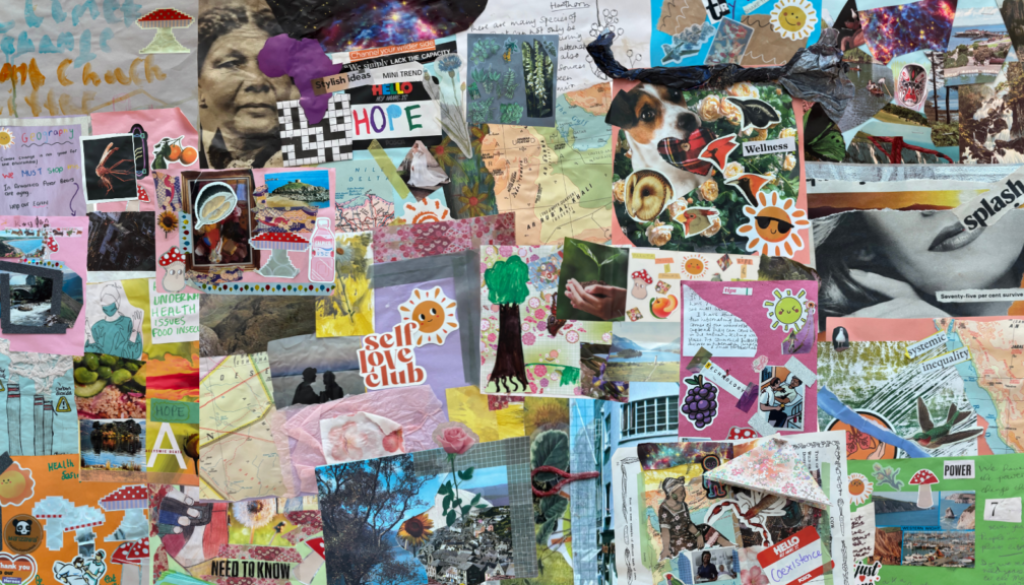
The Climate Collage Collection
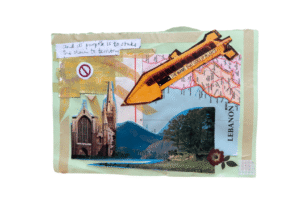
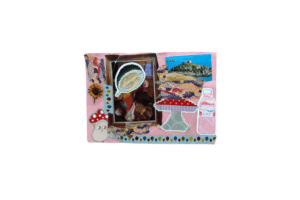
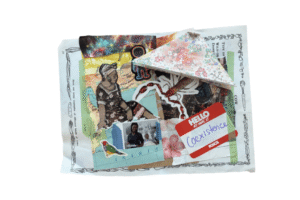
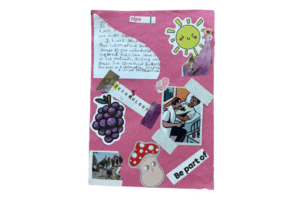
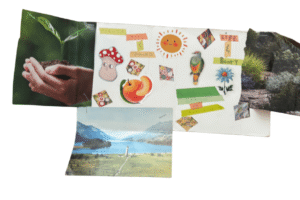
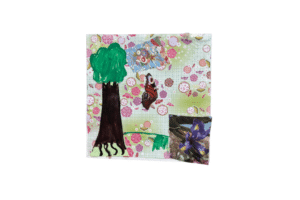
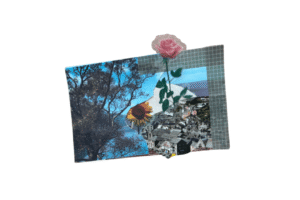
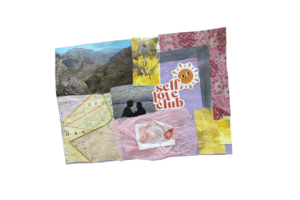
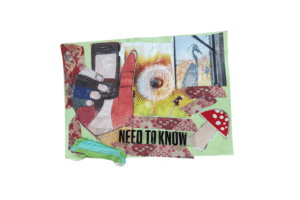
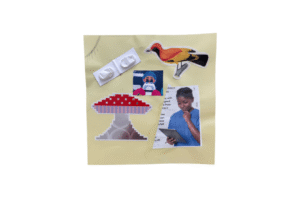
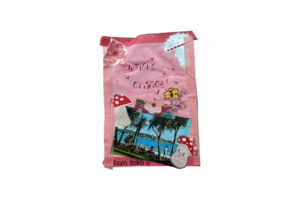
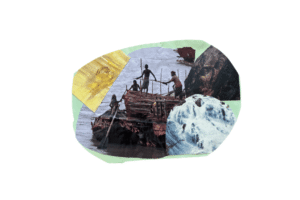
What do you think of when you picture climate change and health? This is the question that we asked festival-goers last week at Africa Oyé in Liverpool. We worked with our colleagues at the Liverpool School of Tropical Medicine (LSTM) on their stand and talked to people, young and old, local and from afar.
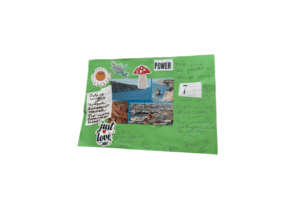
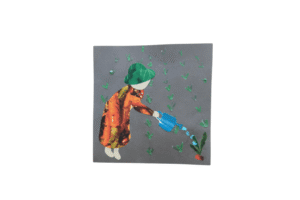
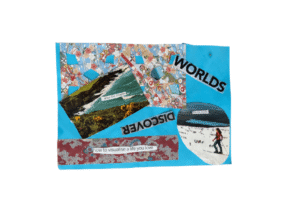
Using creative communication methods is a great way to foster public engagement in science. These methods offer a new way of interacting with data and evidence which doesn’t rely on reading. Furthermore they enable interaction and interpretation as the maker engages the viewer with their piece of work.
Techniques like collage have a ‘low bar to entry’ meaning that as long as you can choose images and paste them you can get involved, regardless of artistic skill levels. This made it a great choice for an event like Africa Oyé where people are of all ages and backgrounds and have limited time to engage.
But collage also enables sophisticated argumentation and the animation of viewpoints. The act of layering, placing pieces near or far from one another, using the size of images to signify importance, opting for incongruent, contrasting or complementary types of images and choosing colour schemes all allow for storytelling which may not be immediately obvious. Making a moment when the audience can take time to think and process is vitally important to the communication of research.
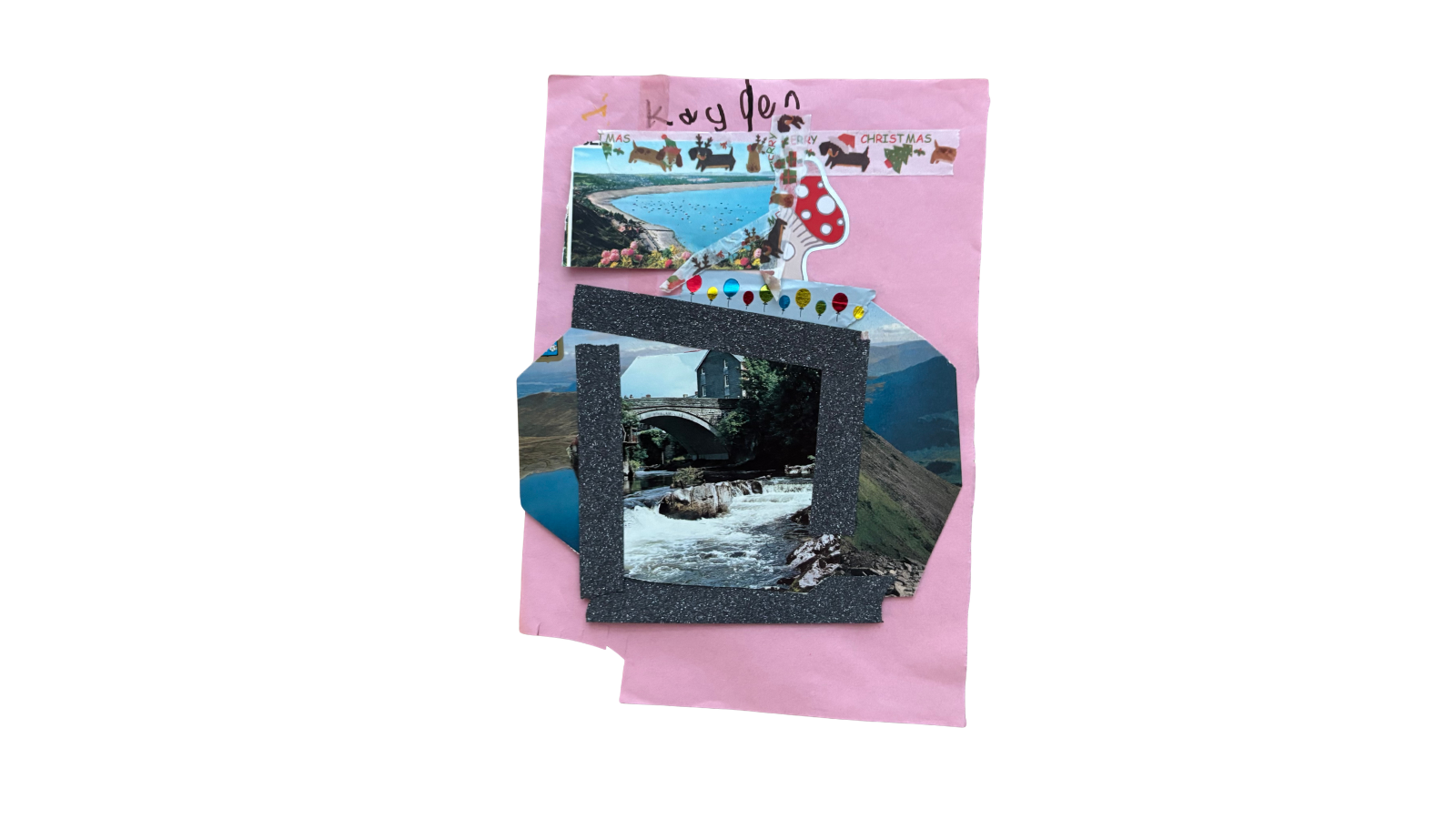
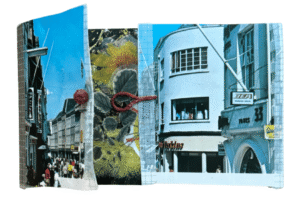
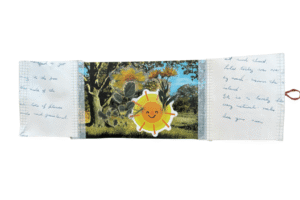
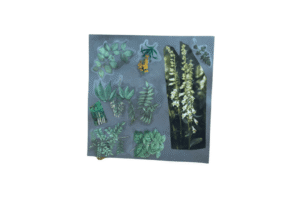
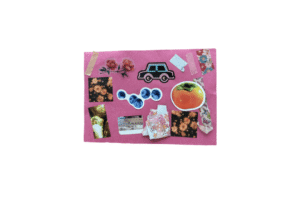
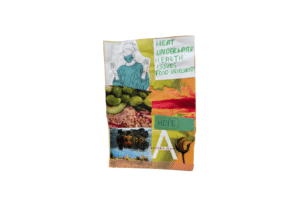
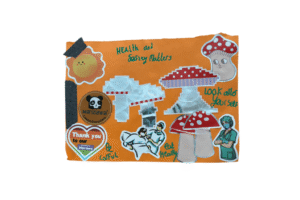
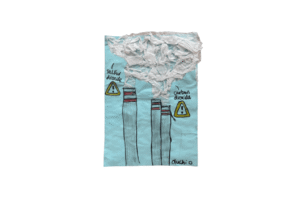
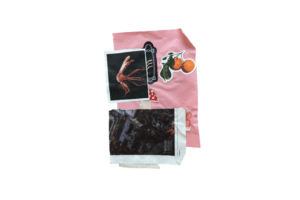
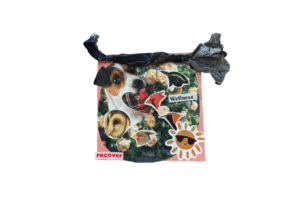
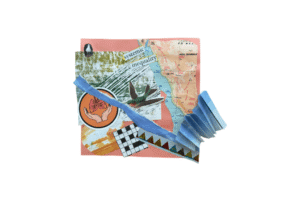
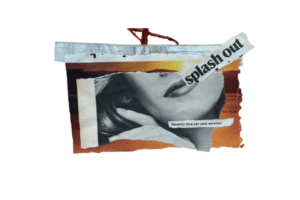
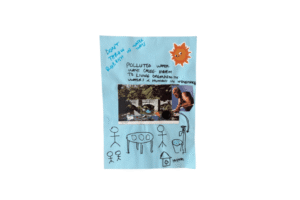
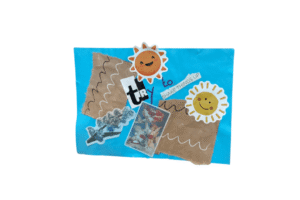
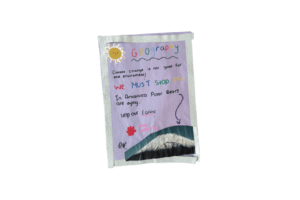
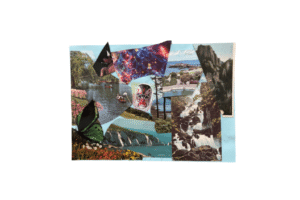
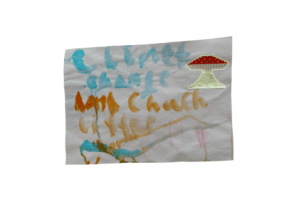
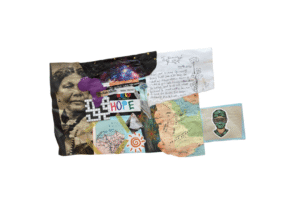
During our interaction with the public we drew on knowledge and lessons from research at LSTM – like the Urban SHADE project – which is working with communities in cities and towns in Kenya, Sierra Leone and India to help them respond to extreme weather events. The urban poor often live in informal settlements. They live on hillsides that experience landslides after heavy rain, or in coastal and riverside locations that flood. They are exposed to heat waves due to the ‘urban heat island effect’ and work outdoors in the sun. Their settlements have poor-quality housing, a lack of piped water and drainage systems and they find it hard to access emergency care from the health system when extreme weather hits.
The festival was a chance to talk about these communities and the shared crisis of climate change. It was also a chance to learn about festival-goers views on the topic and the issues that they held dear.
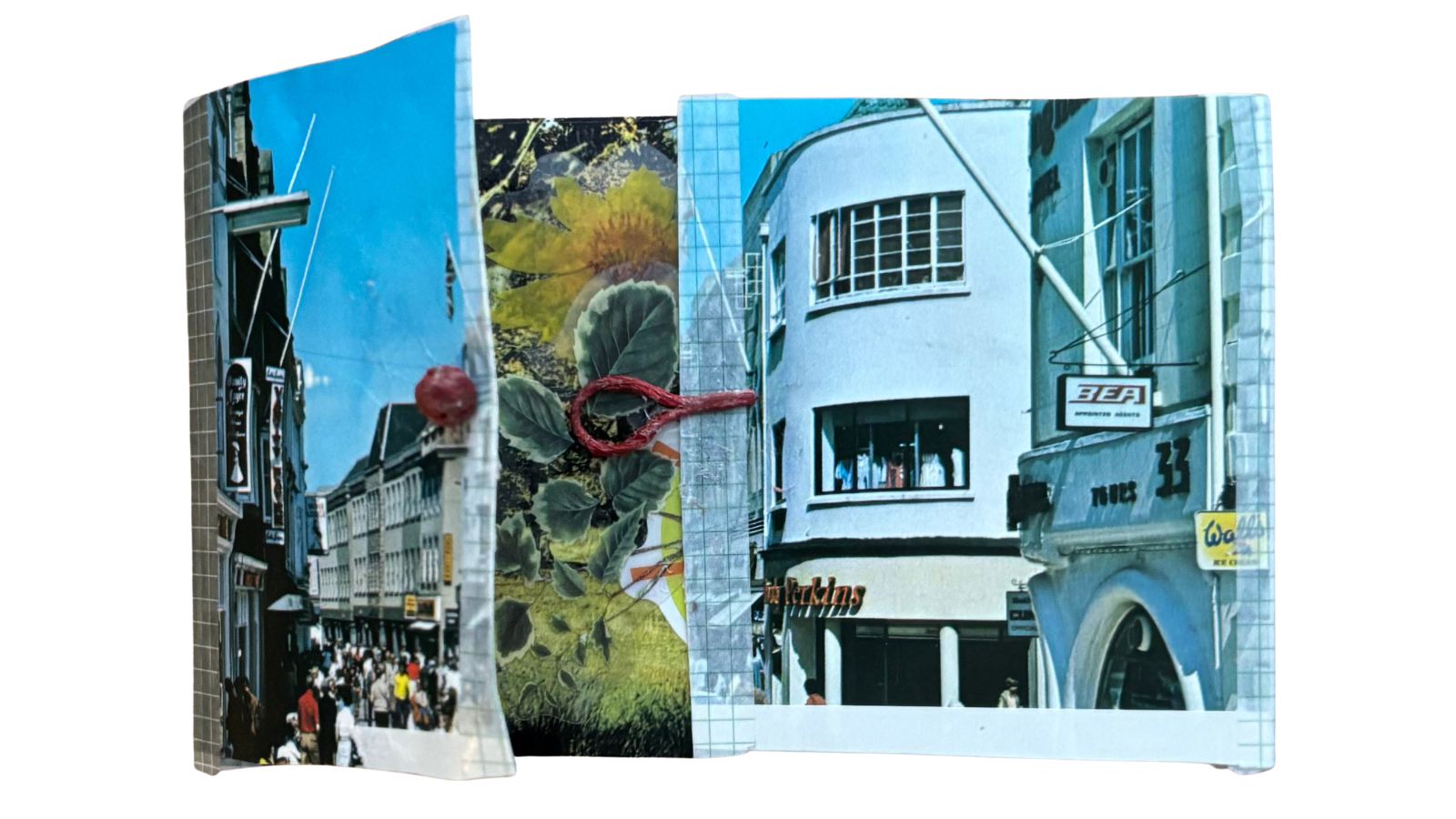
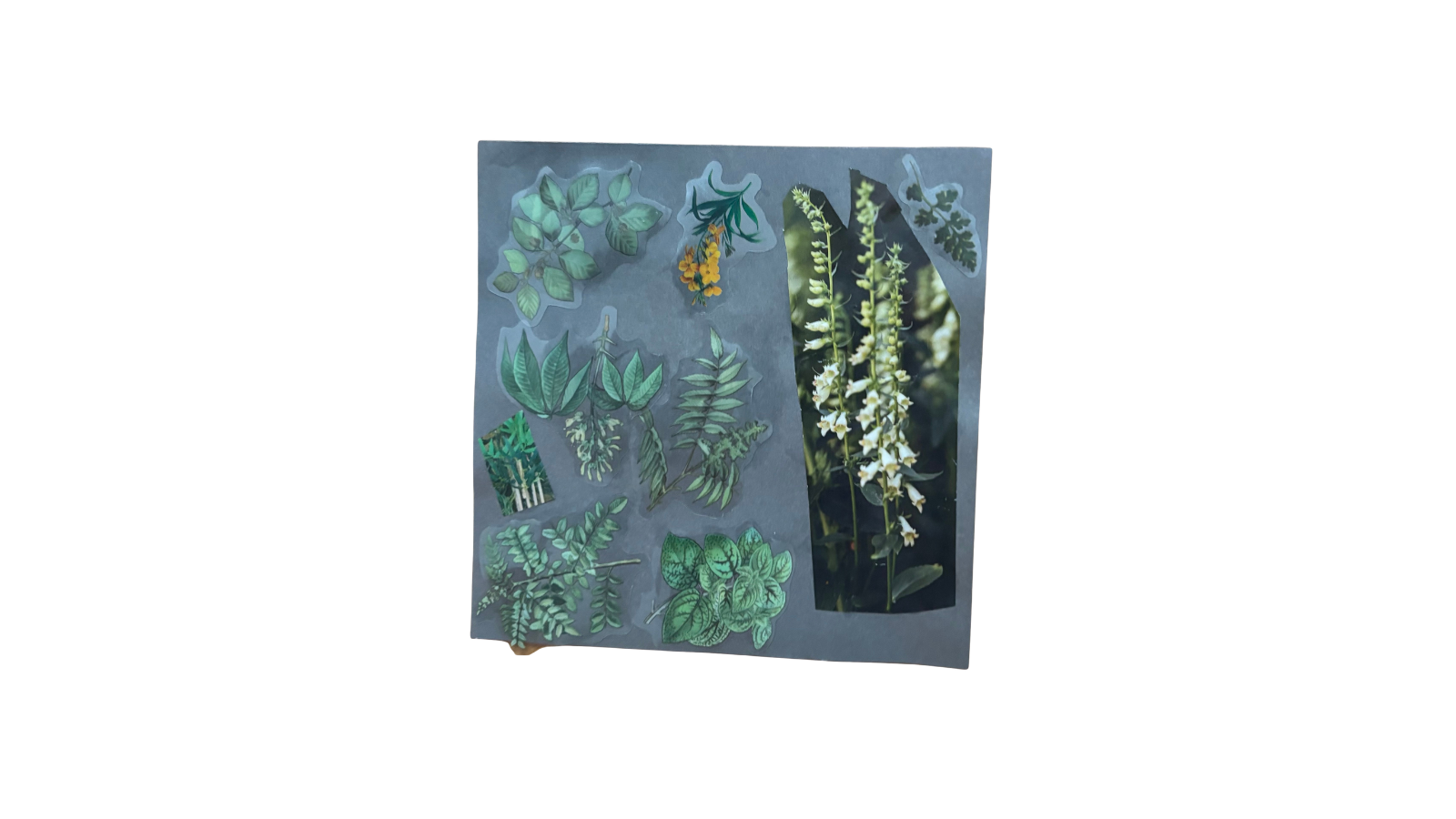
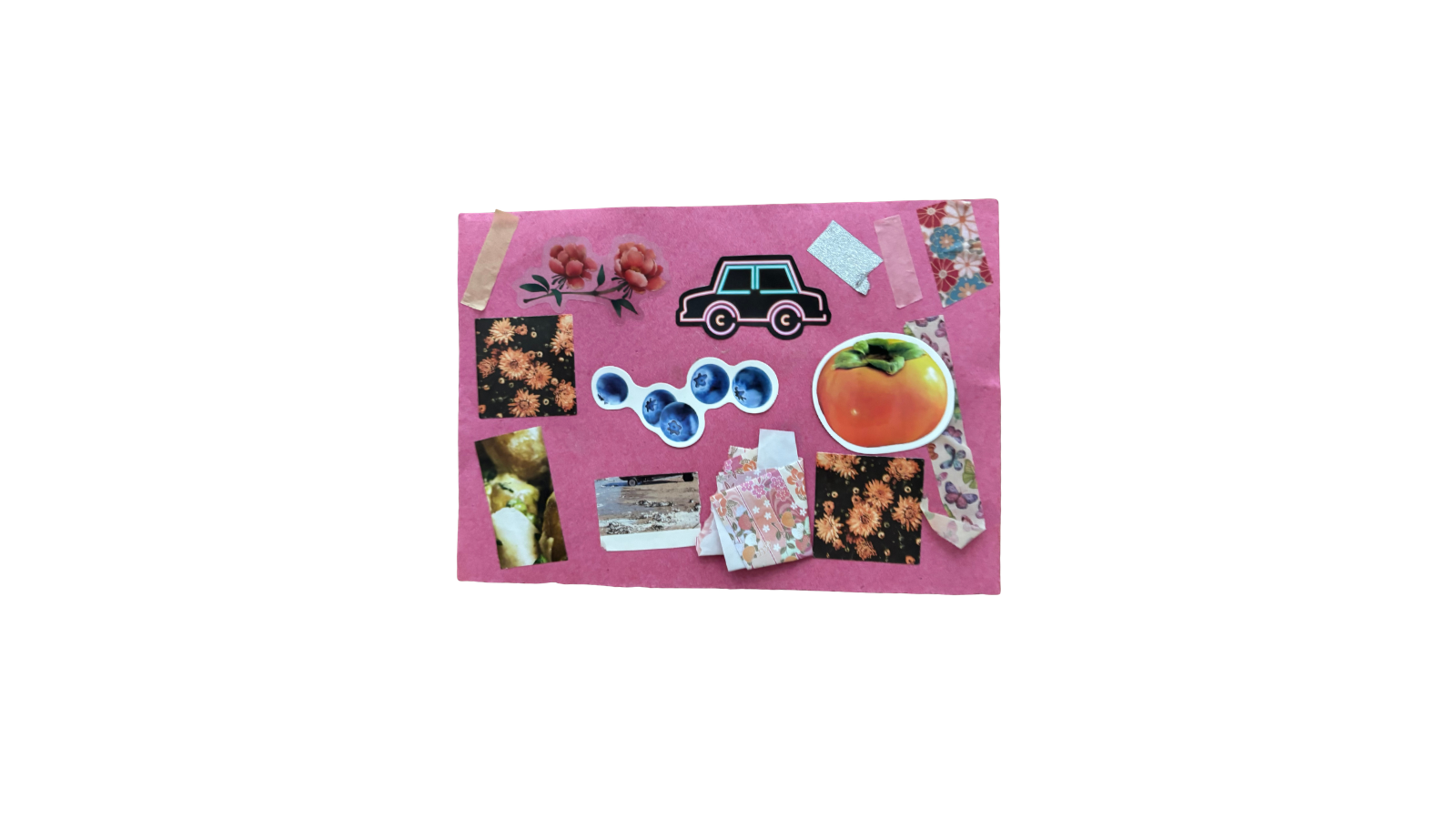
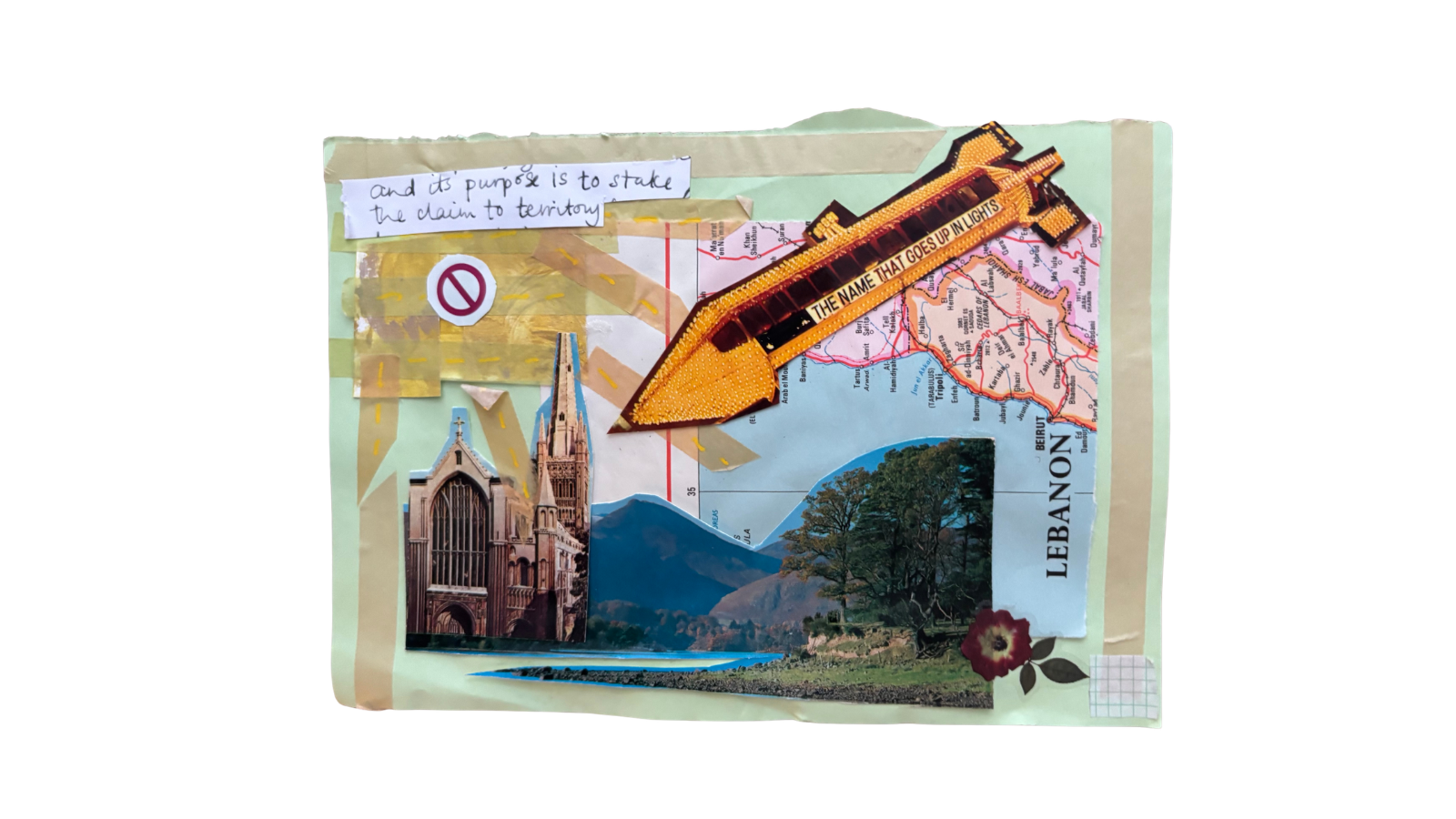
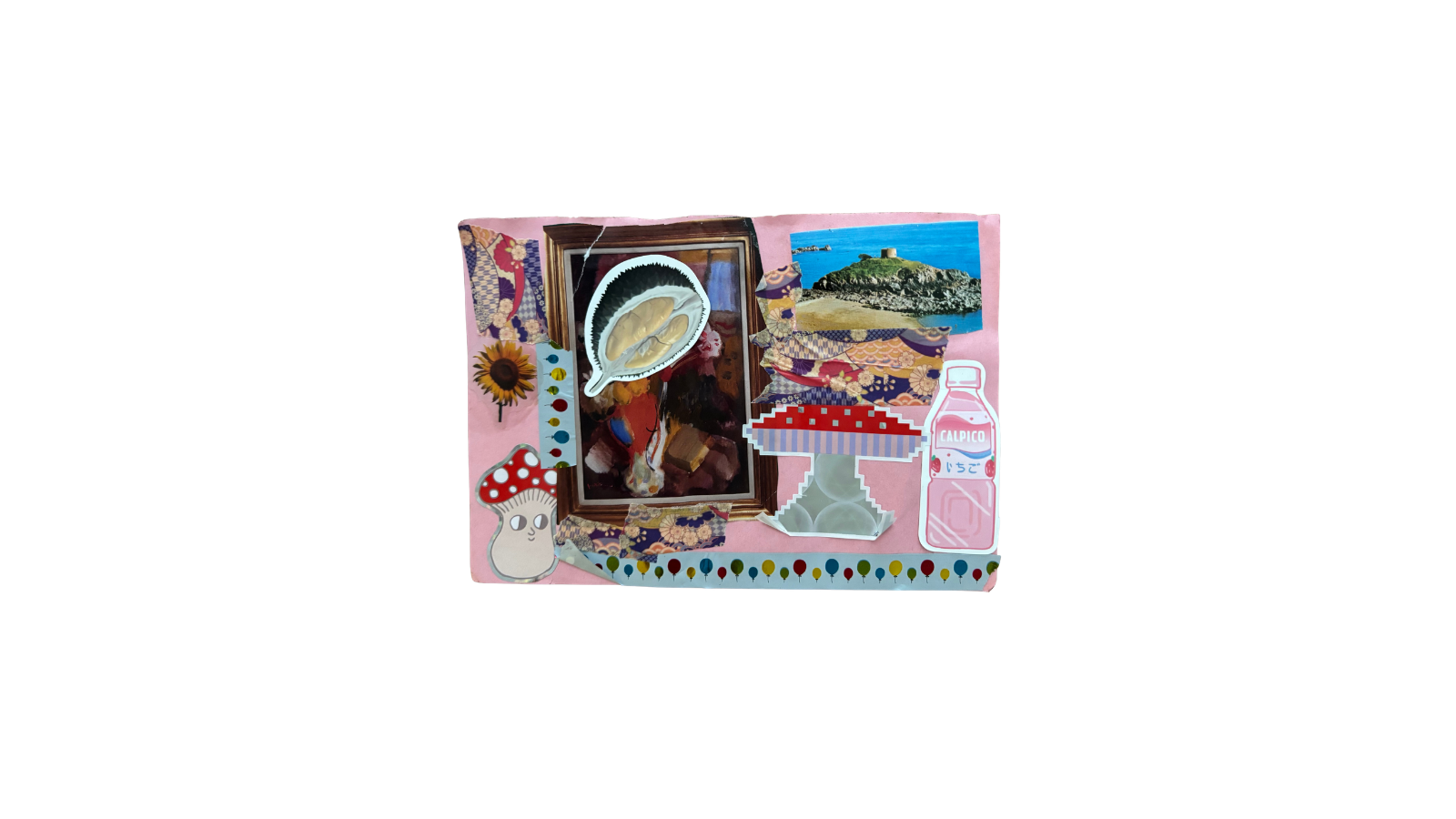
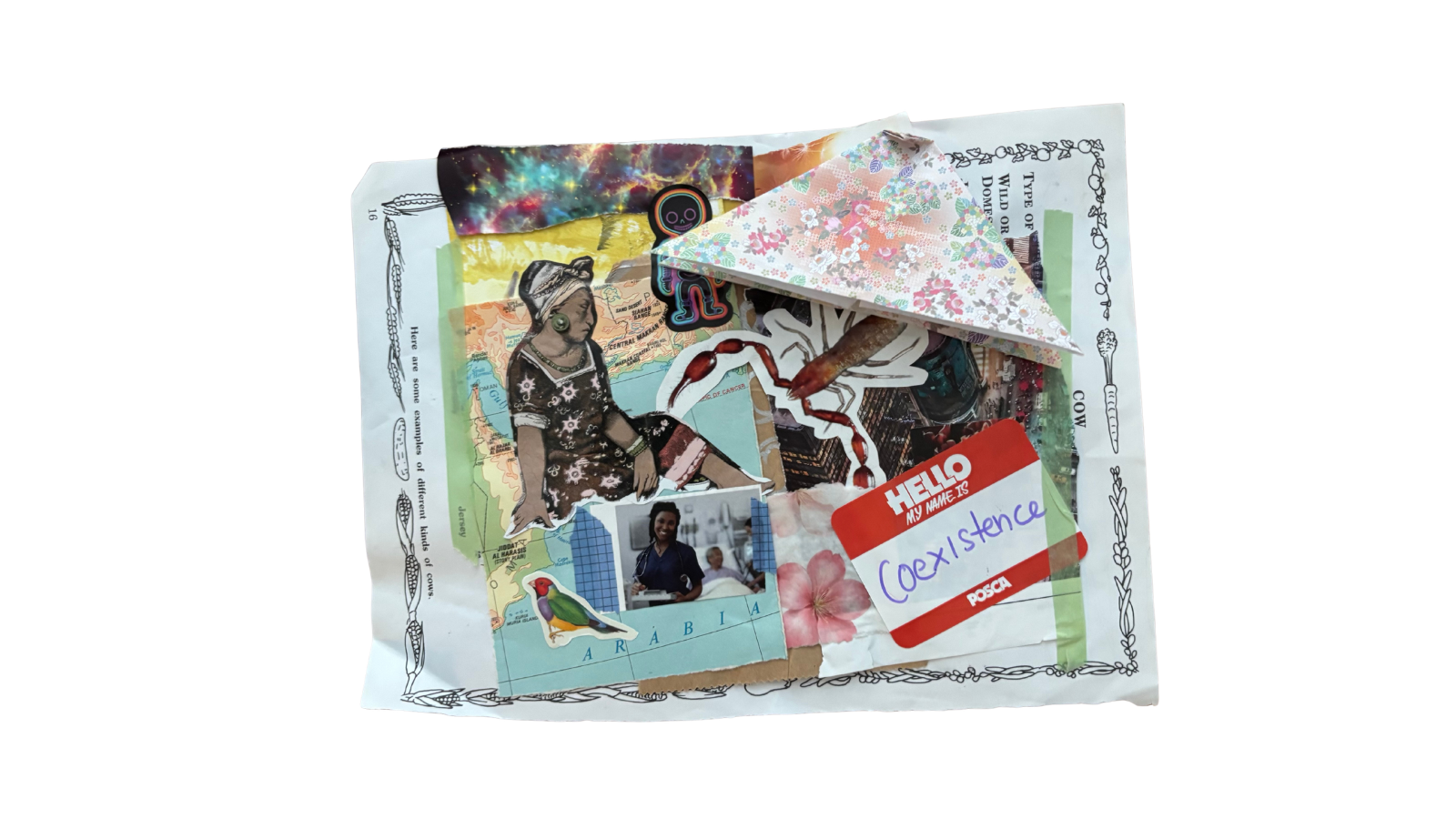
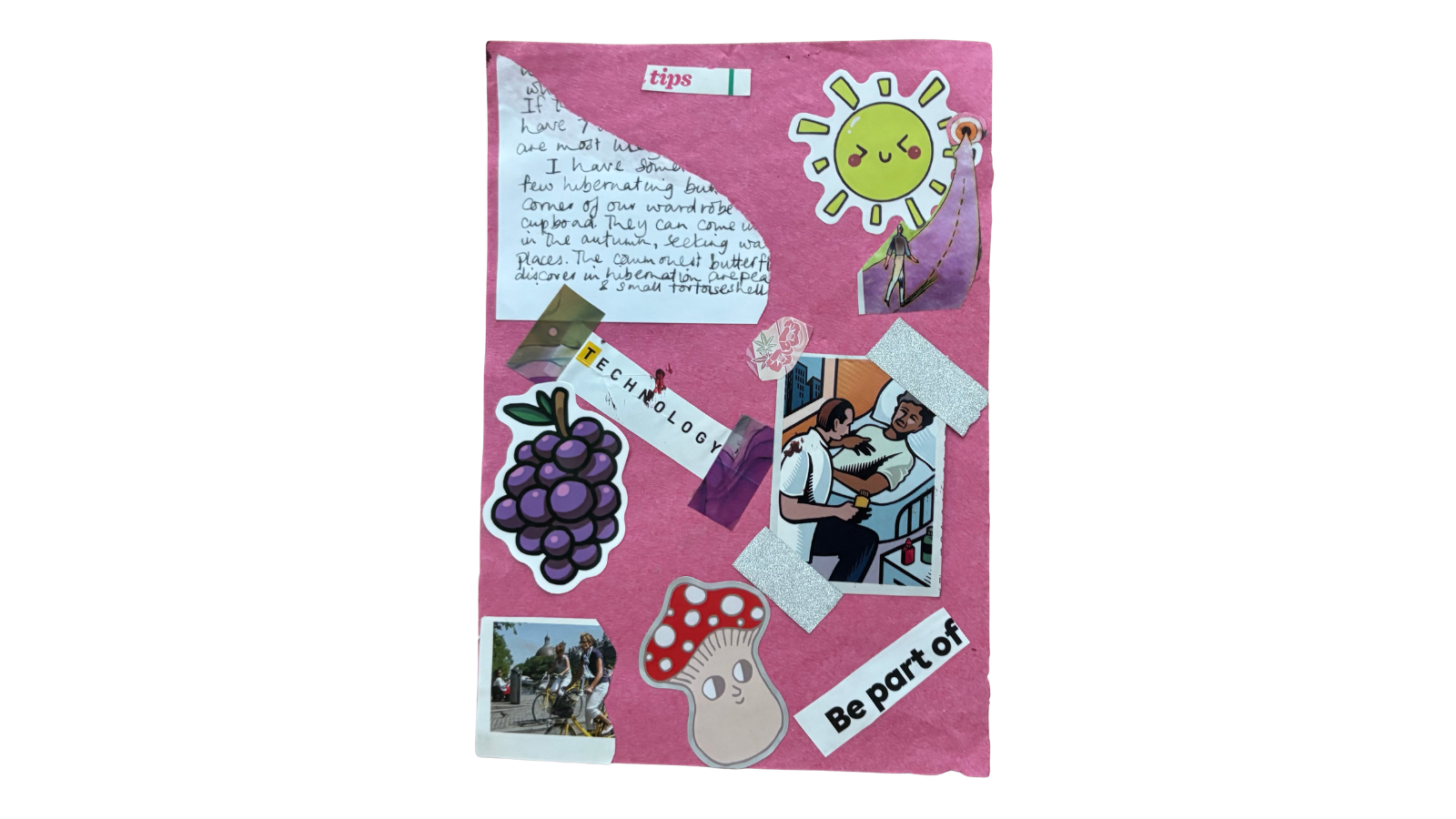
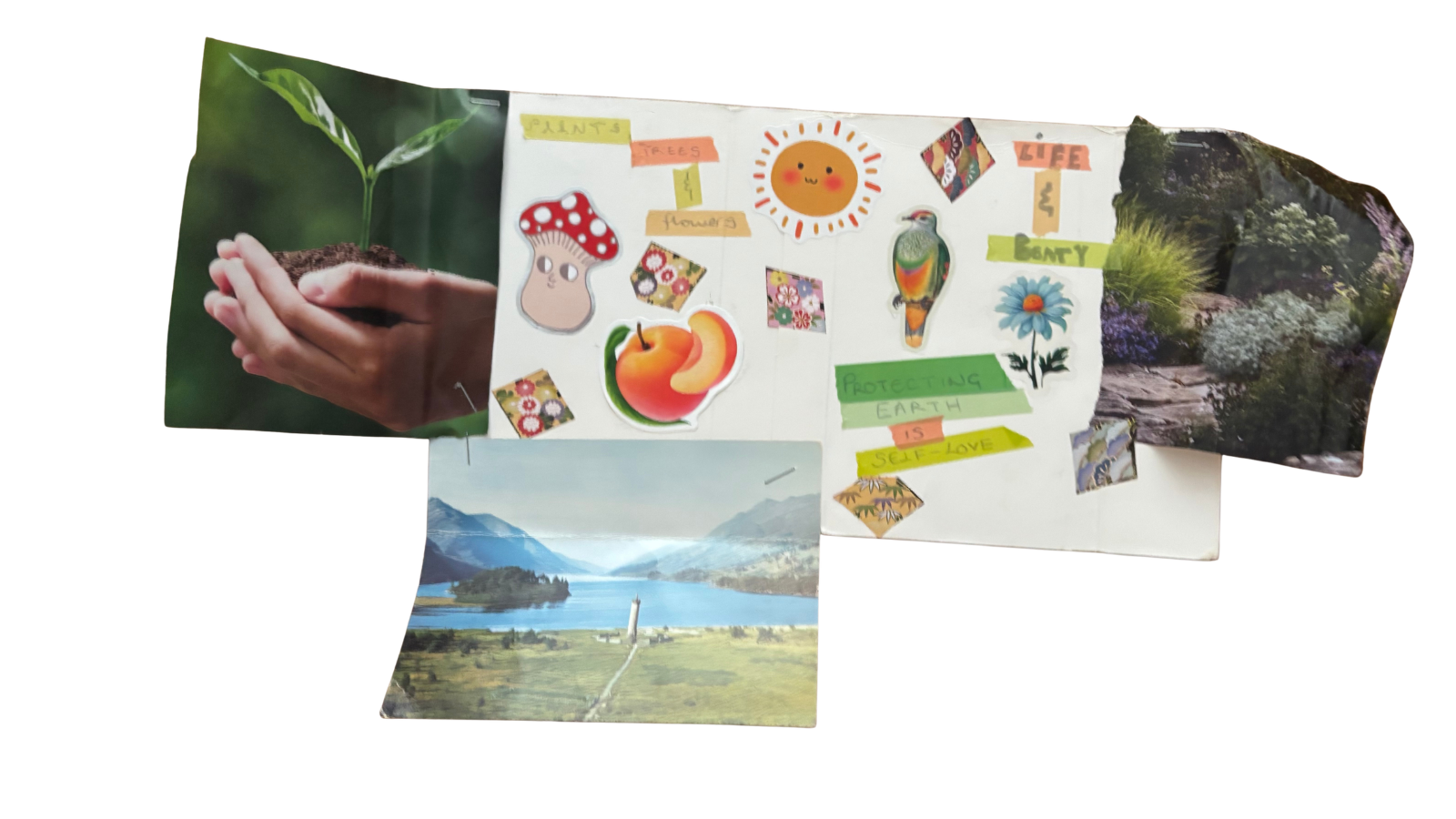
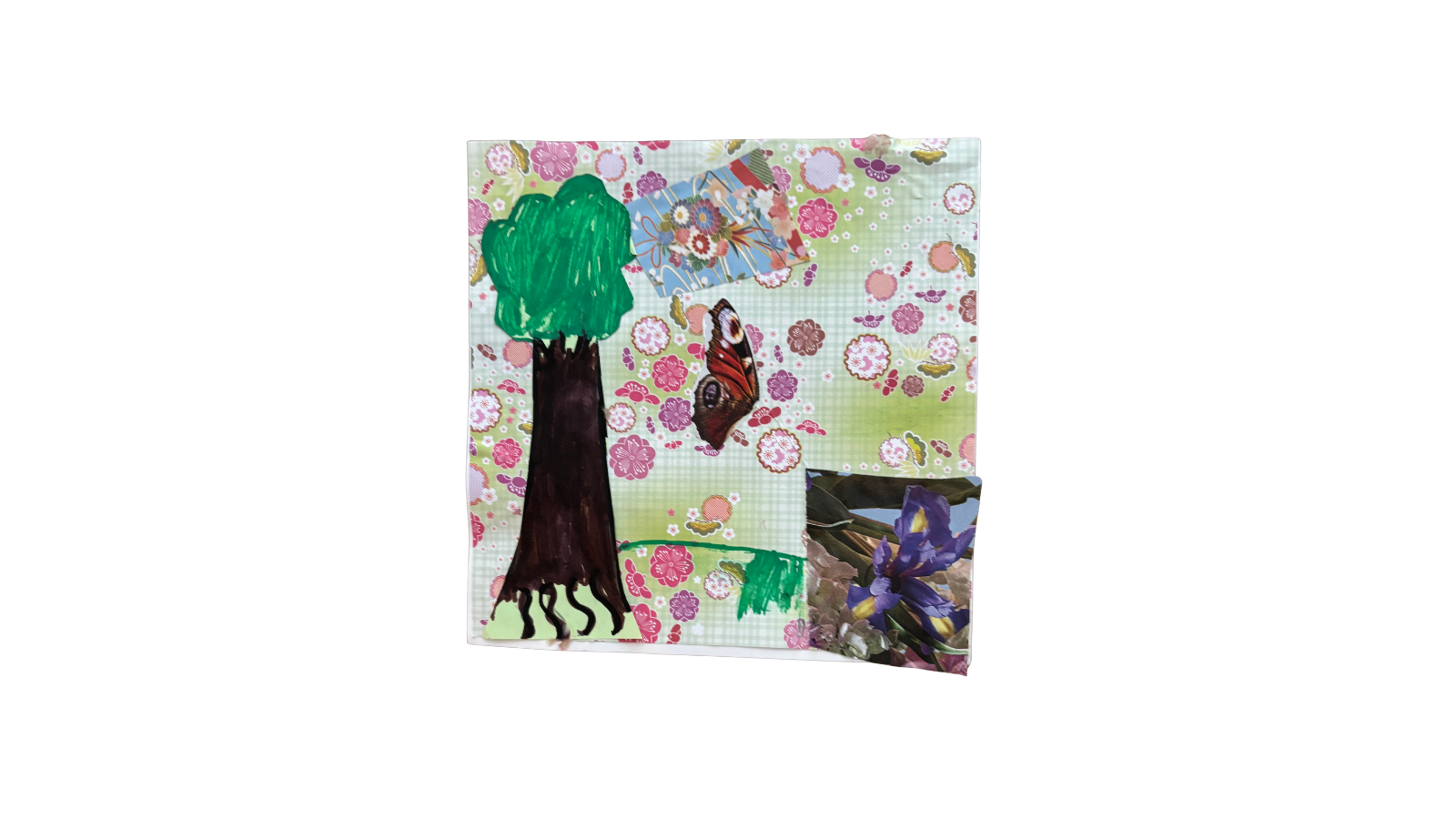
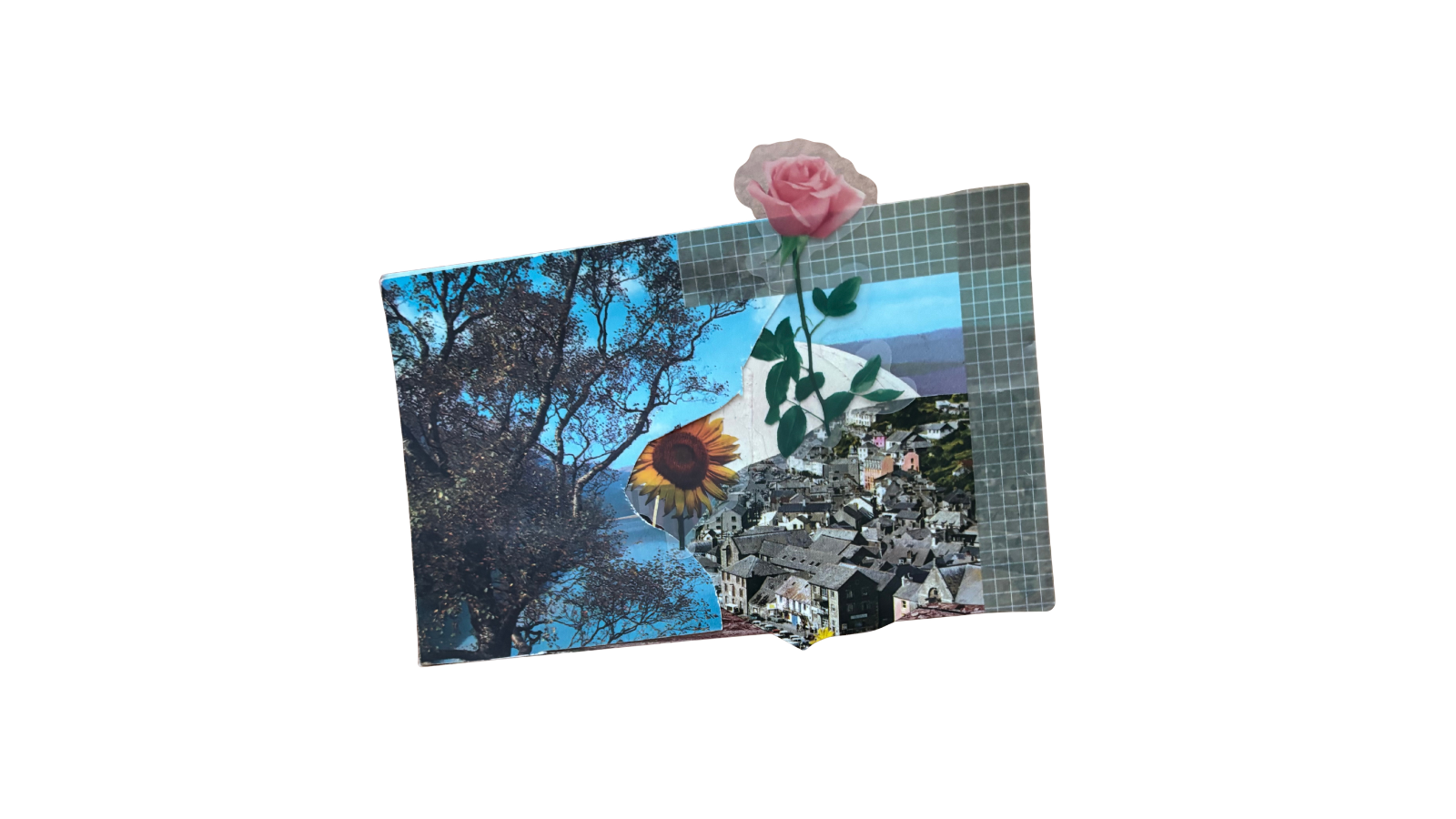
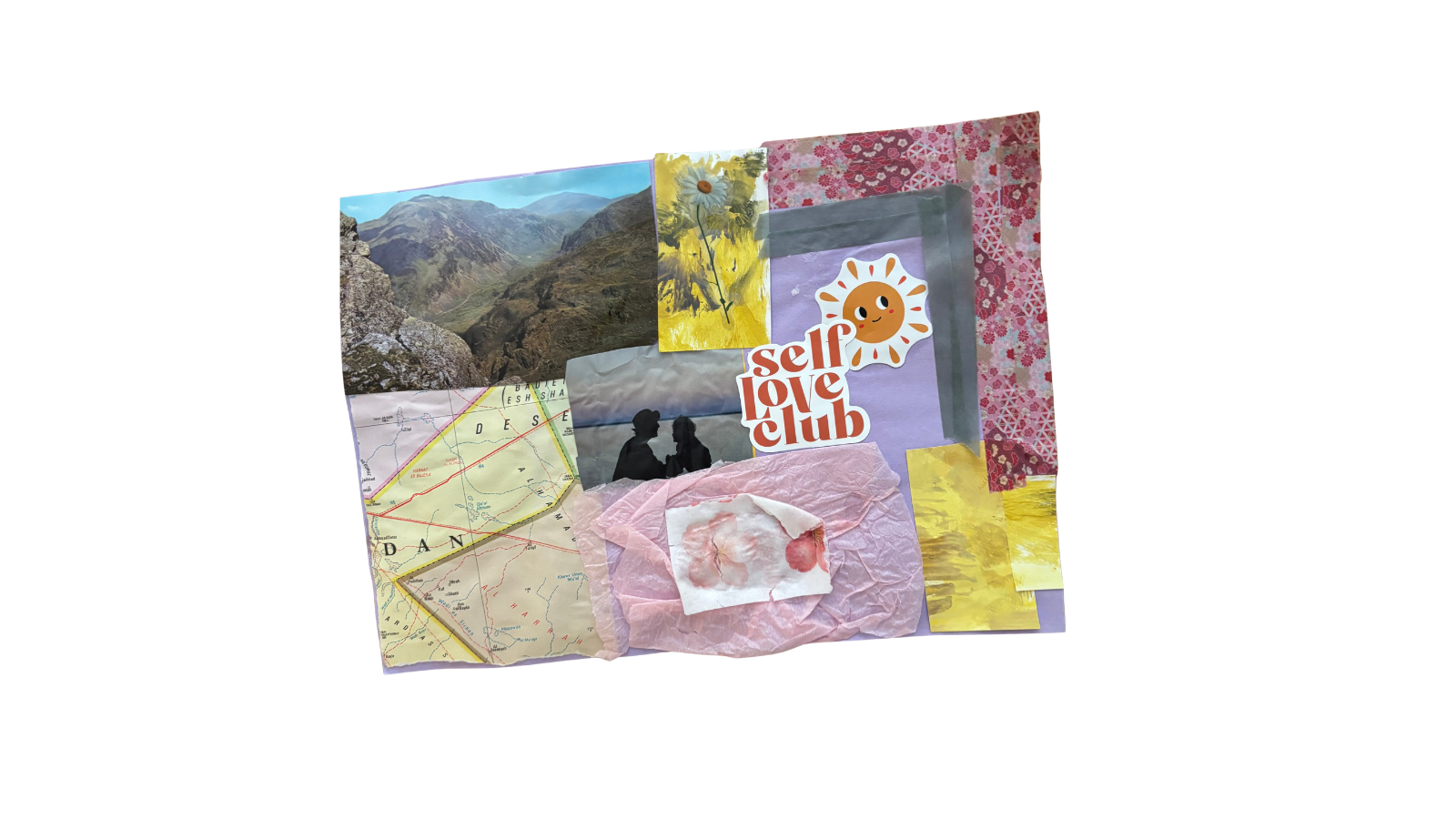
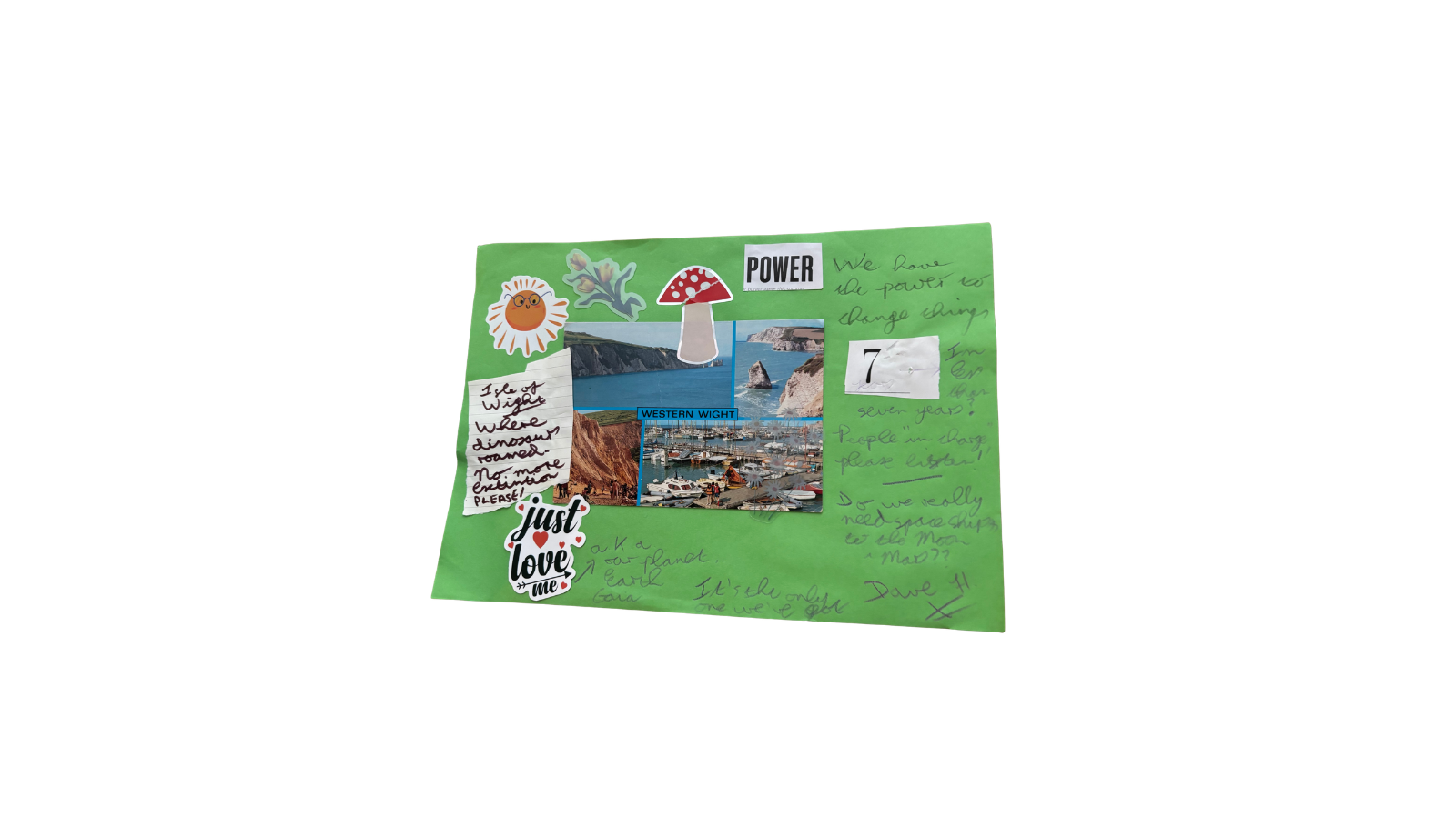
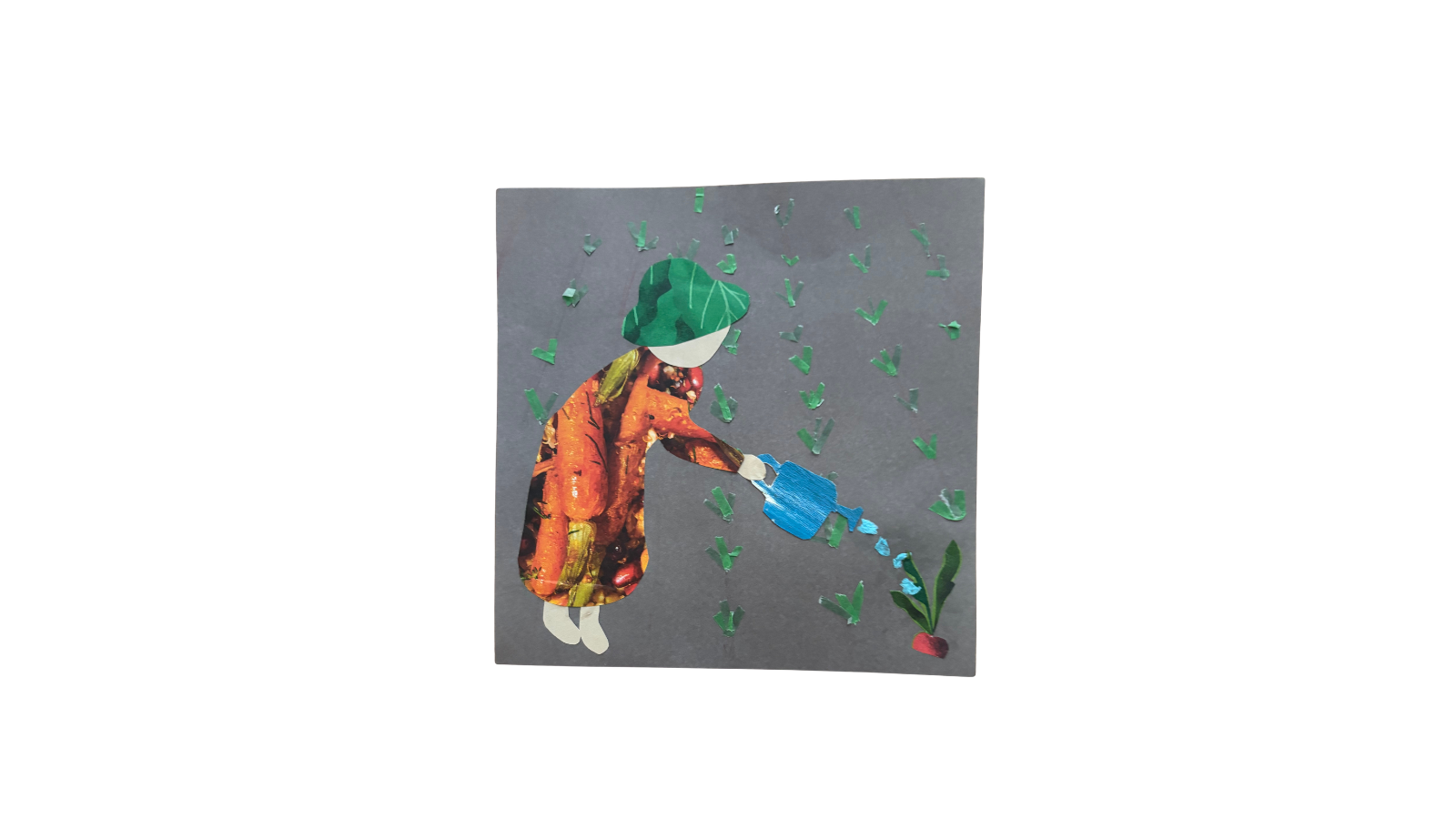
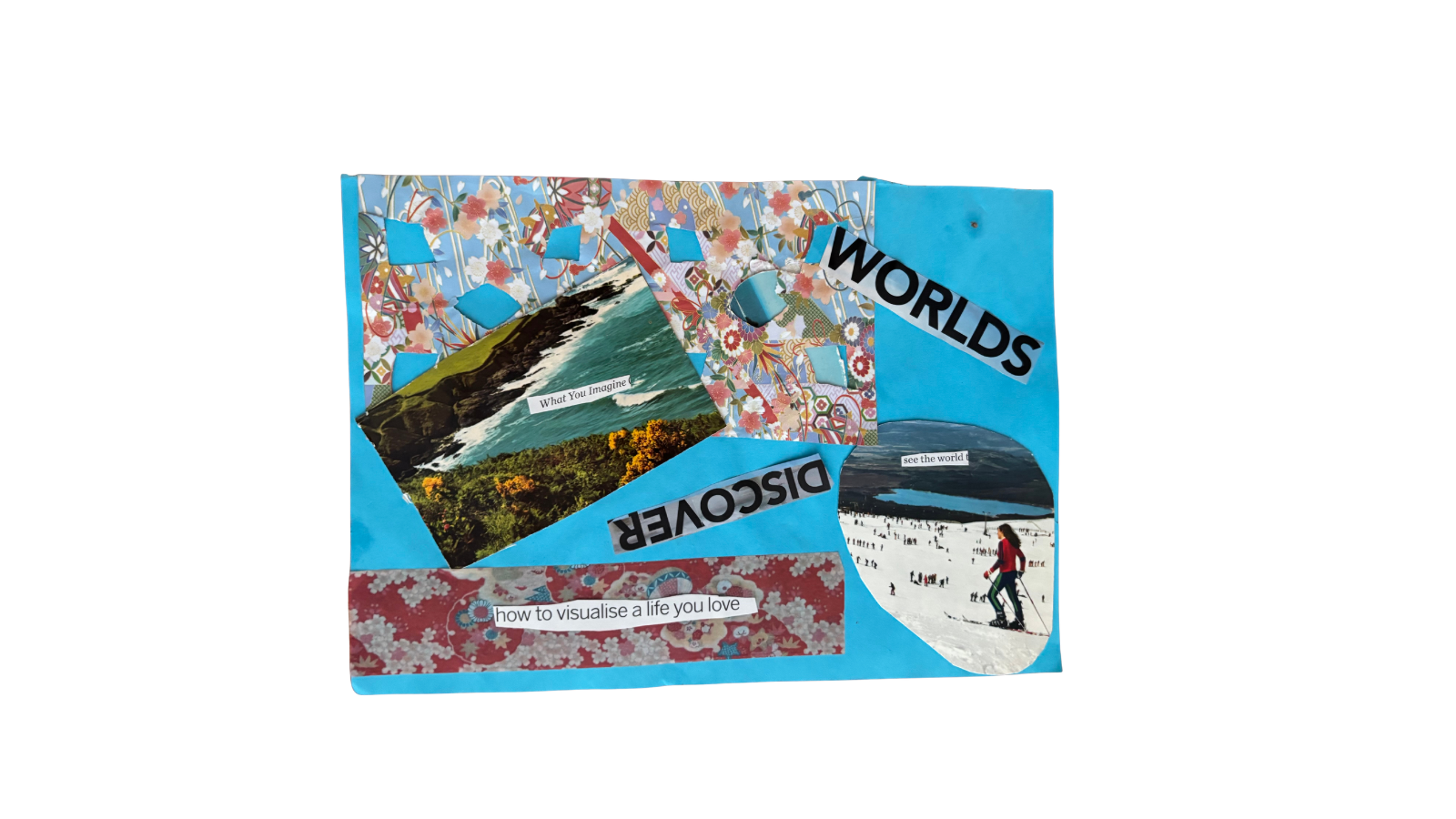
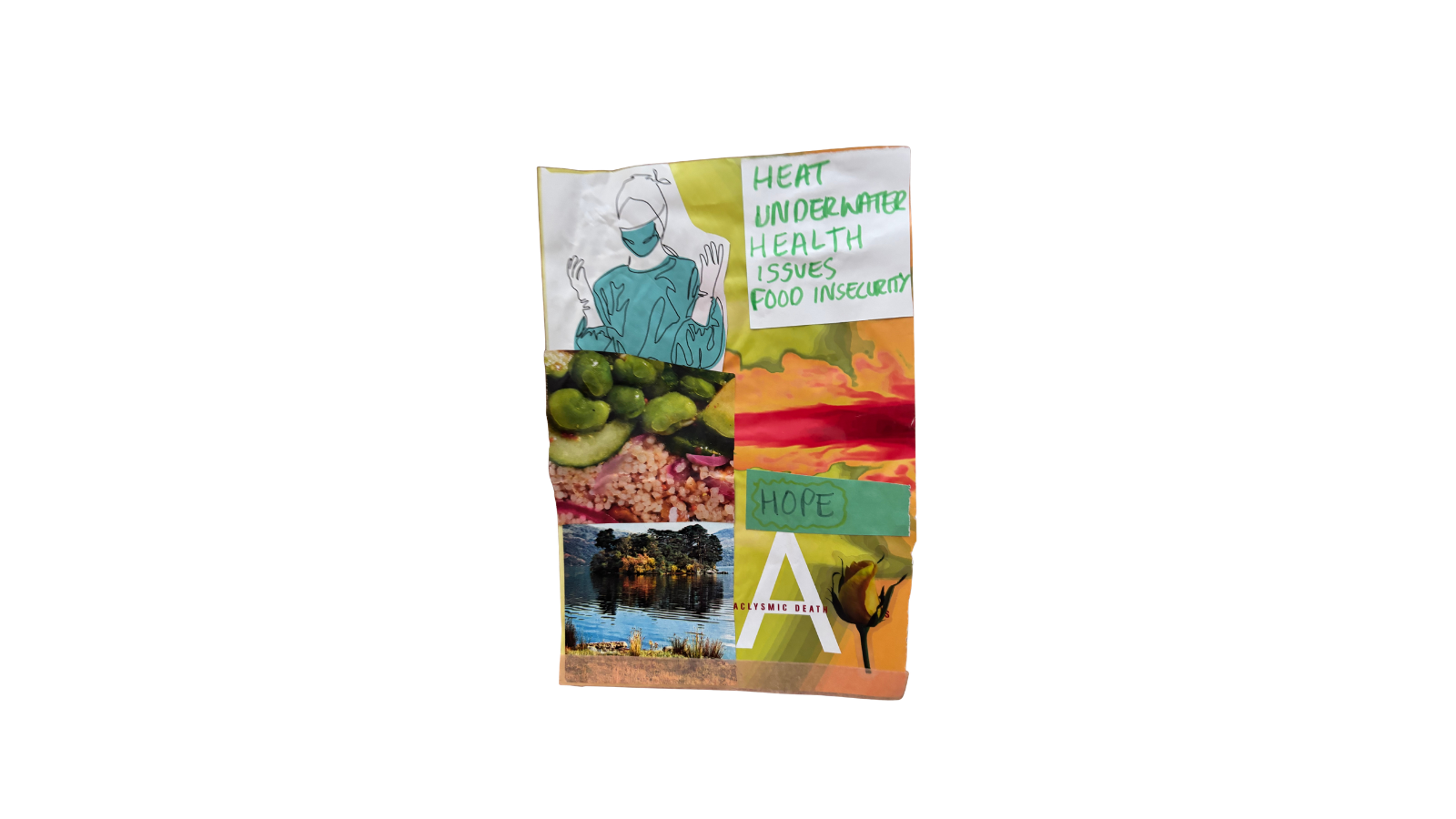
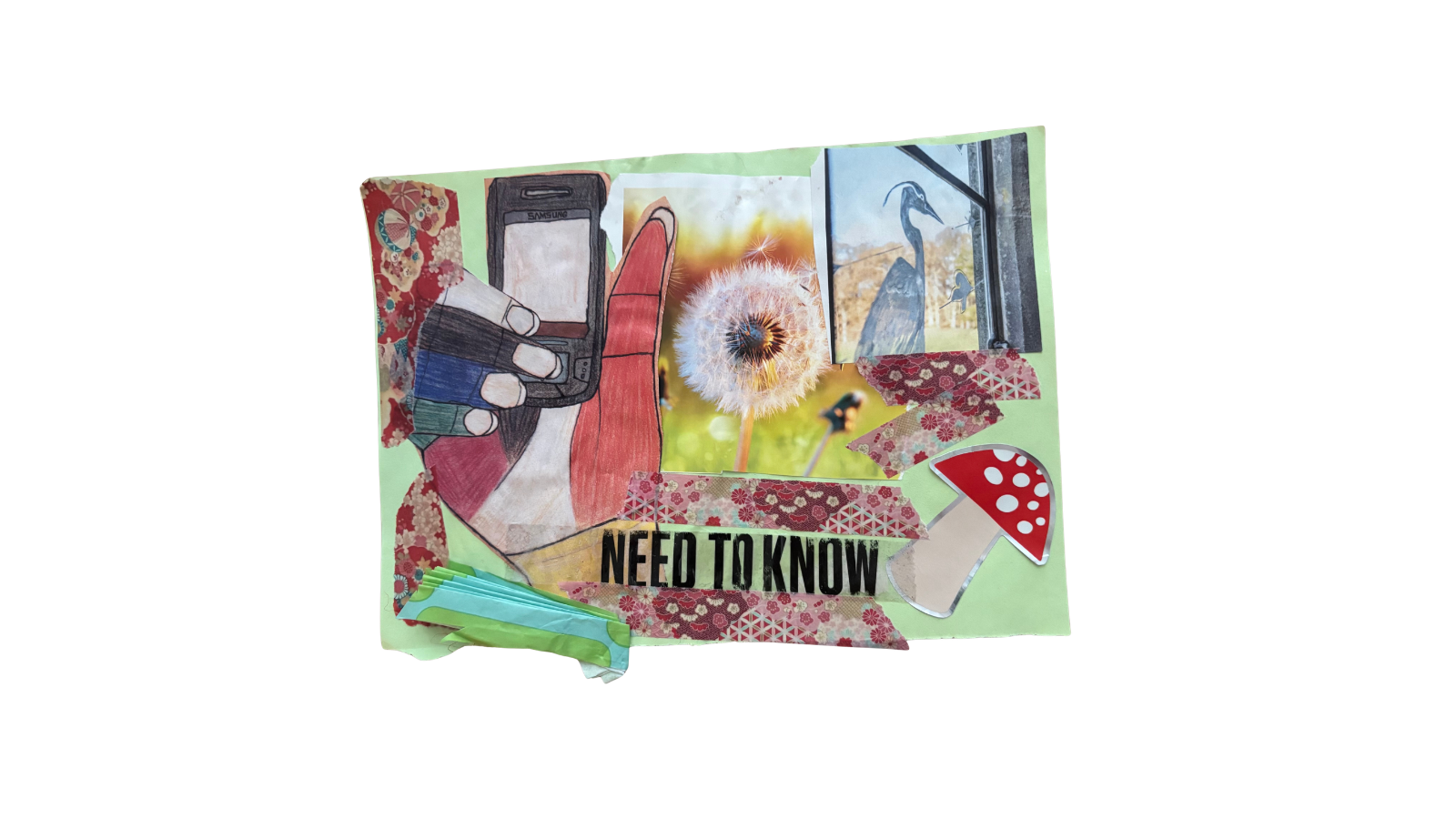
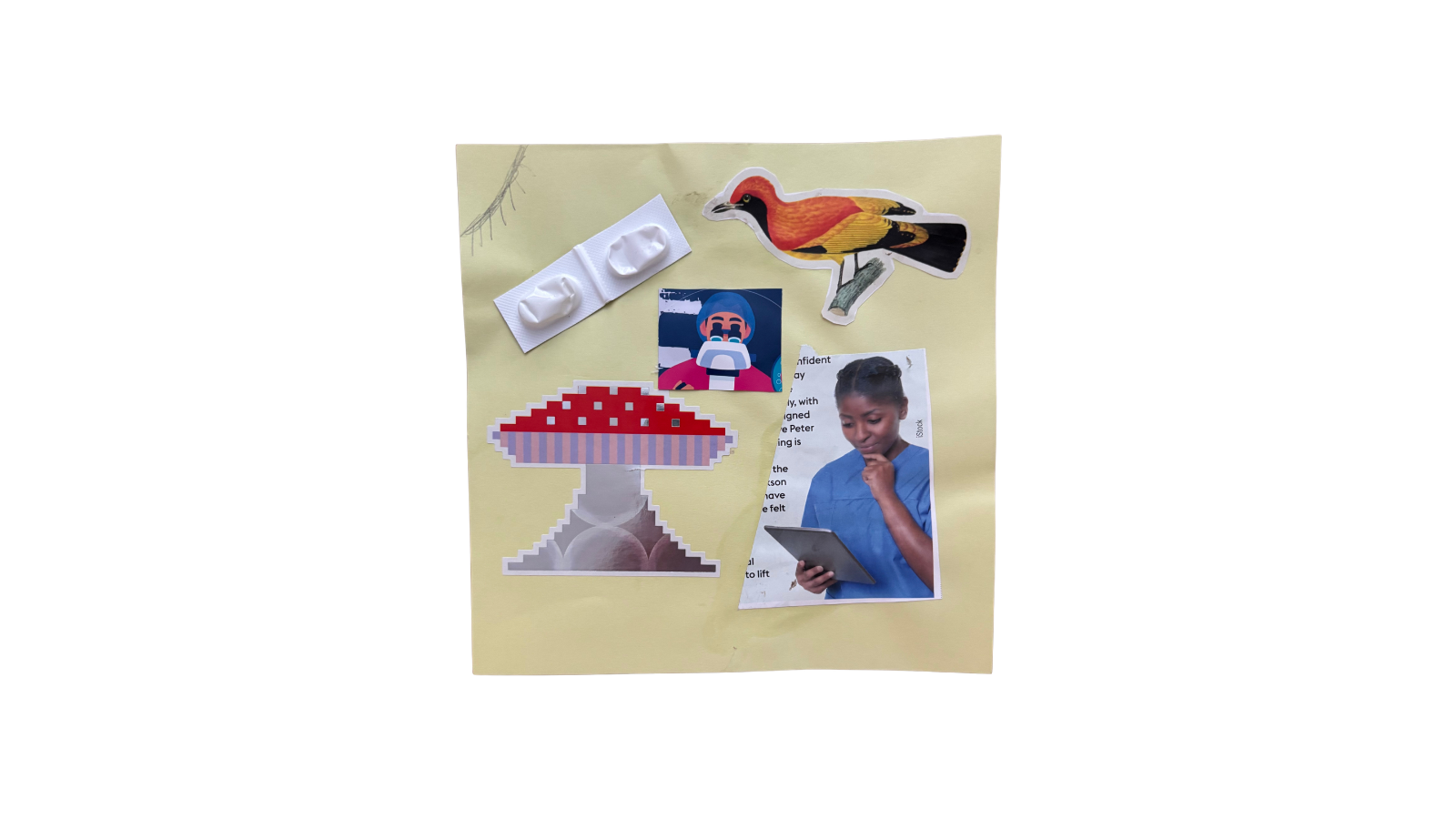
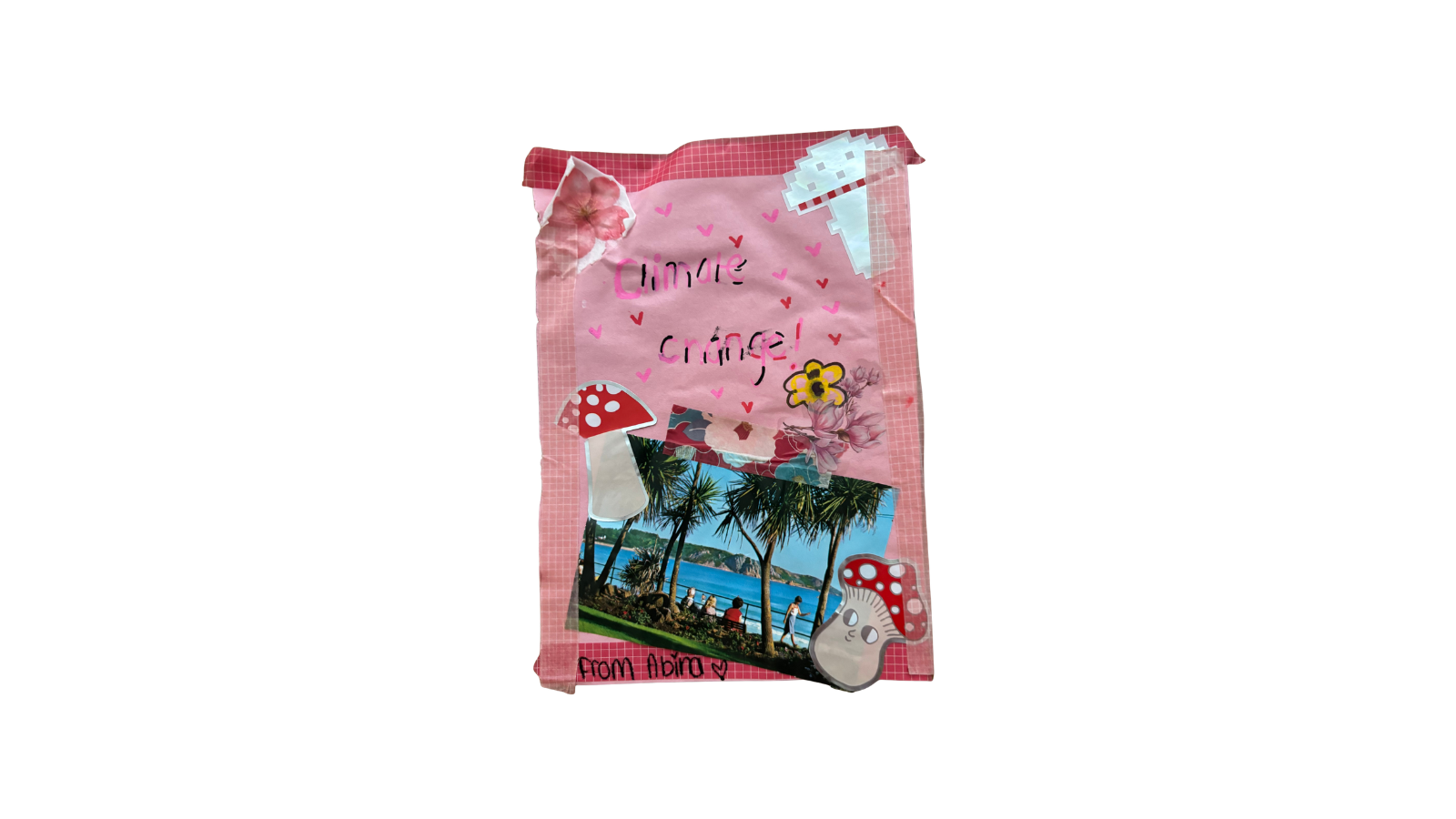
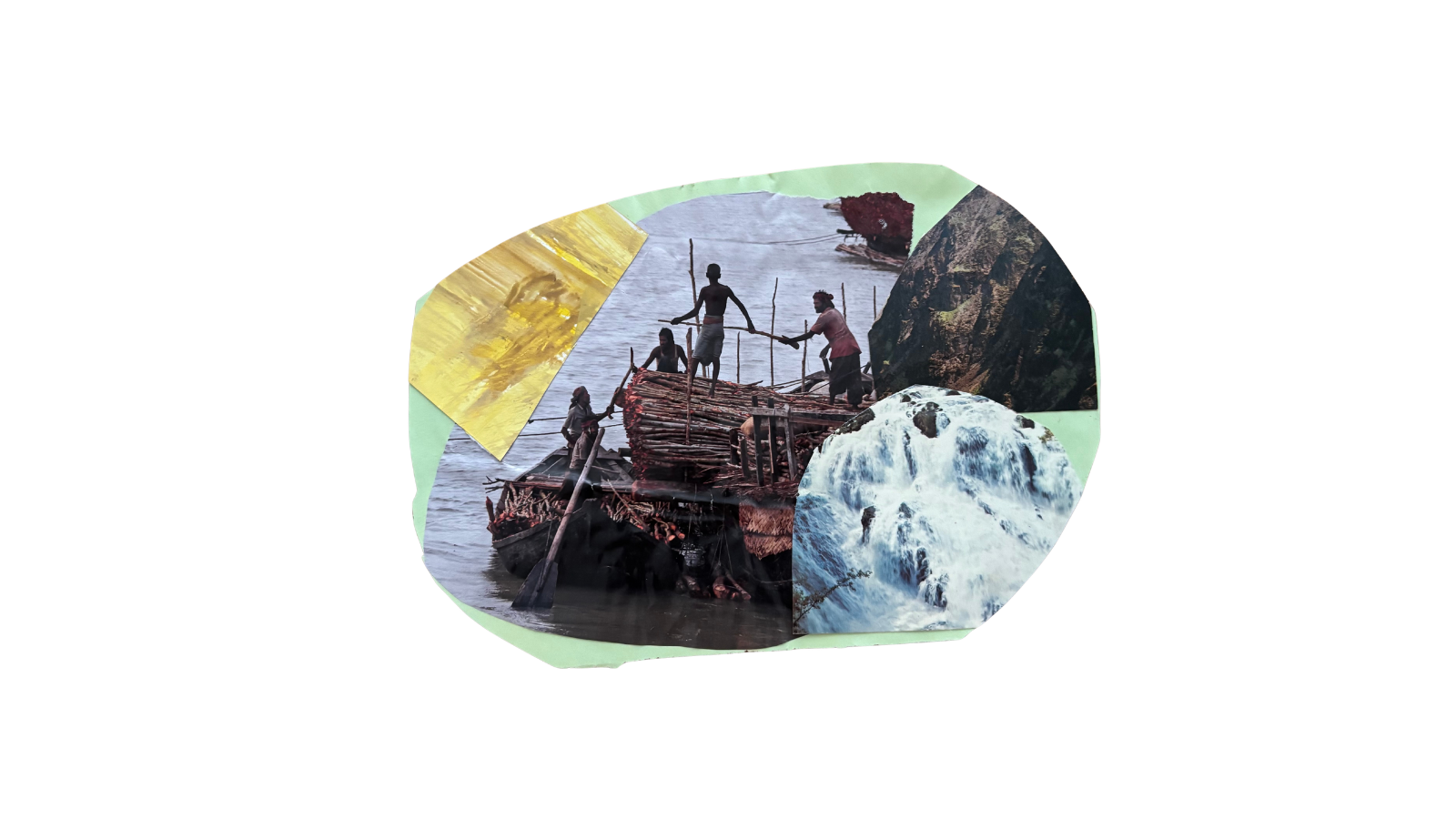
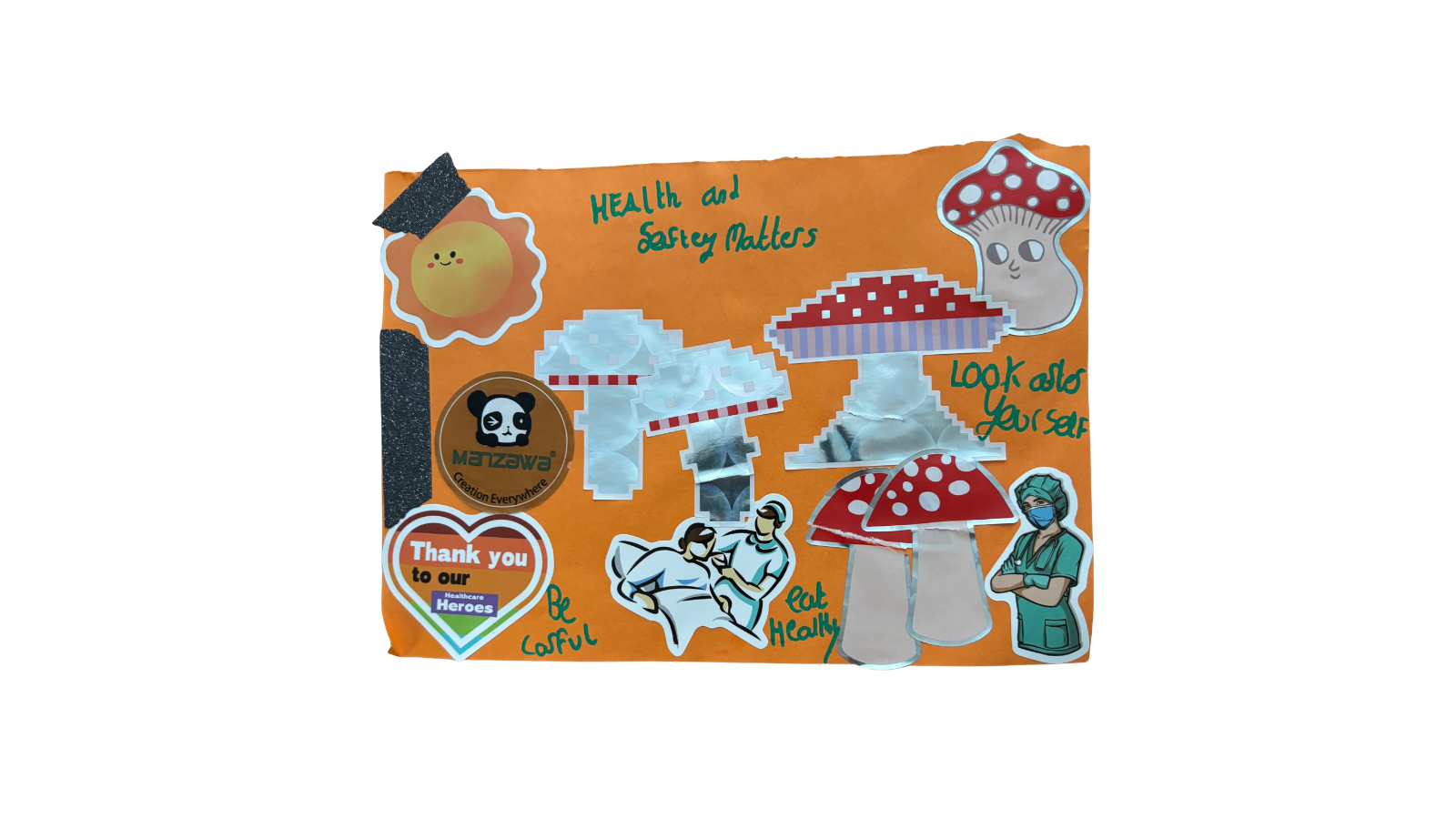
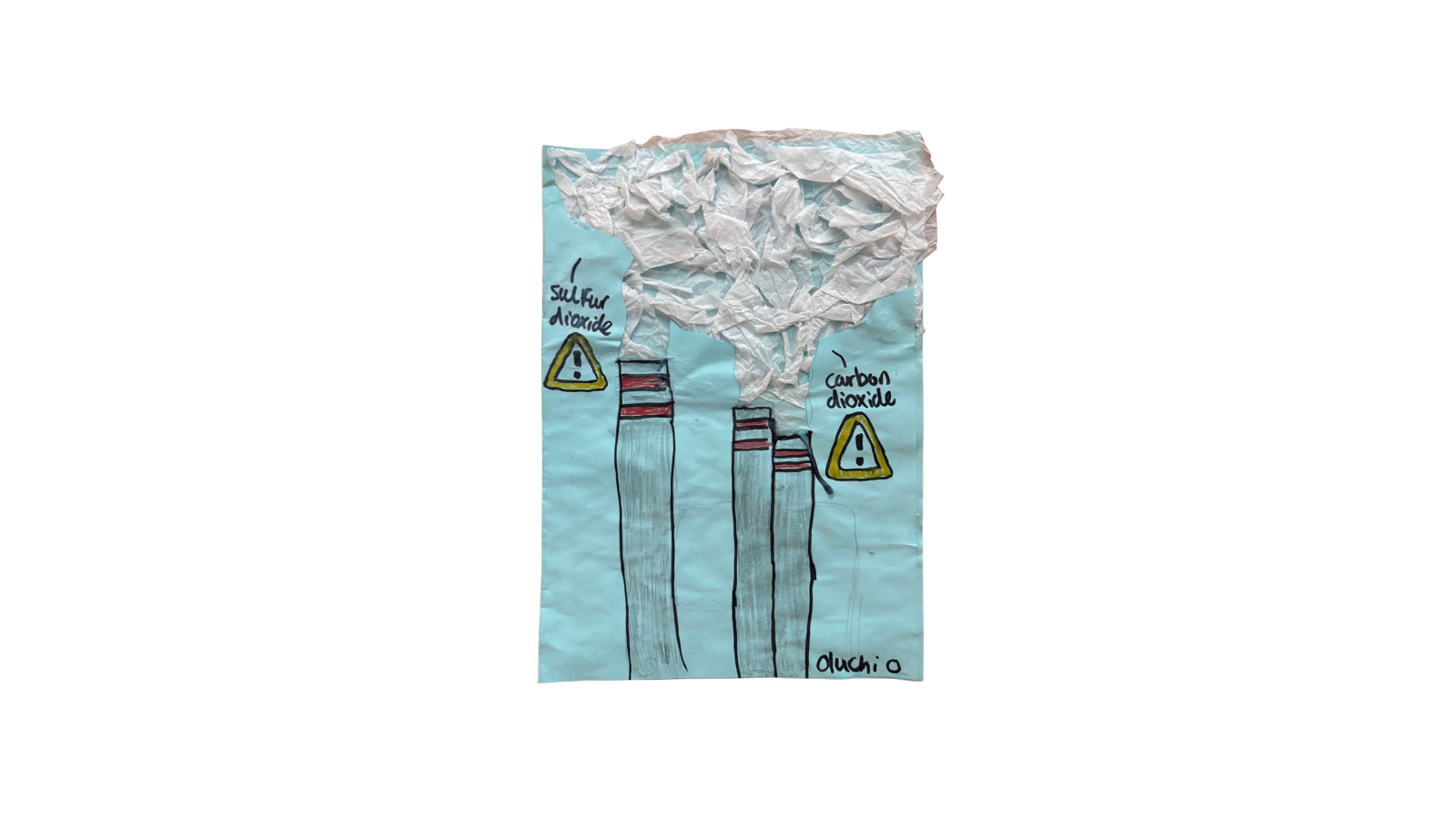
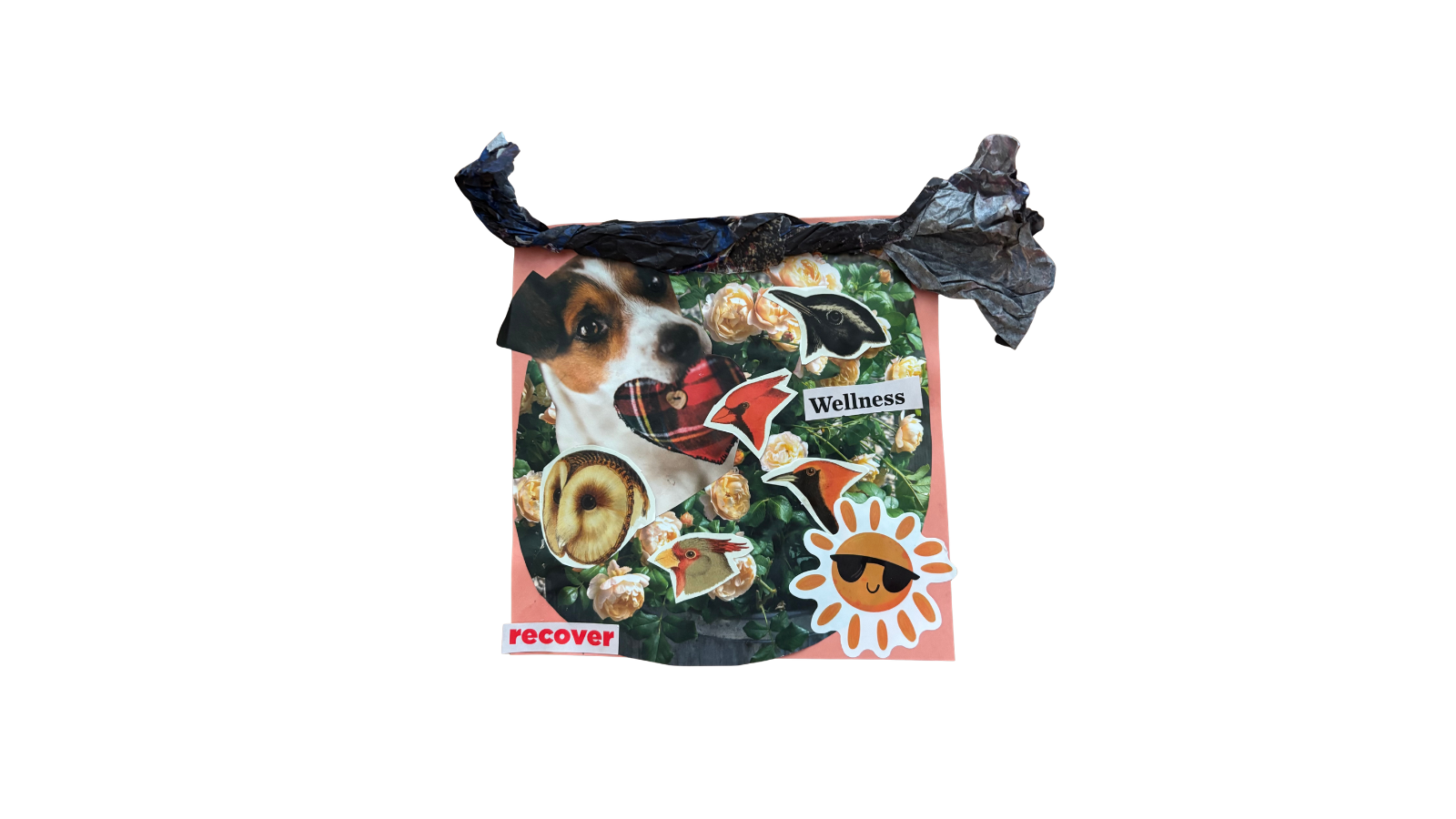
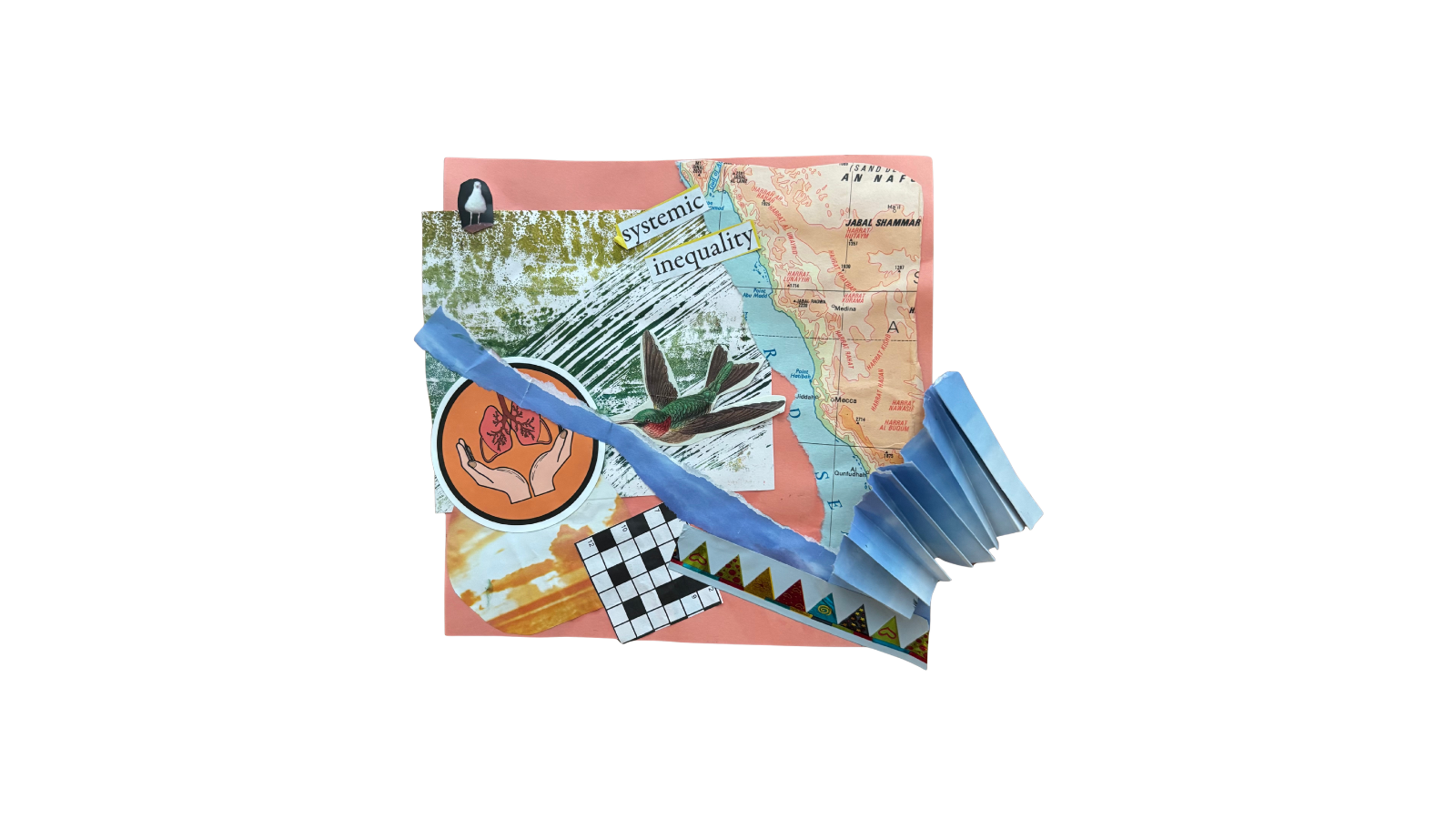
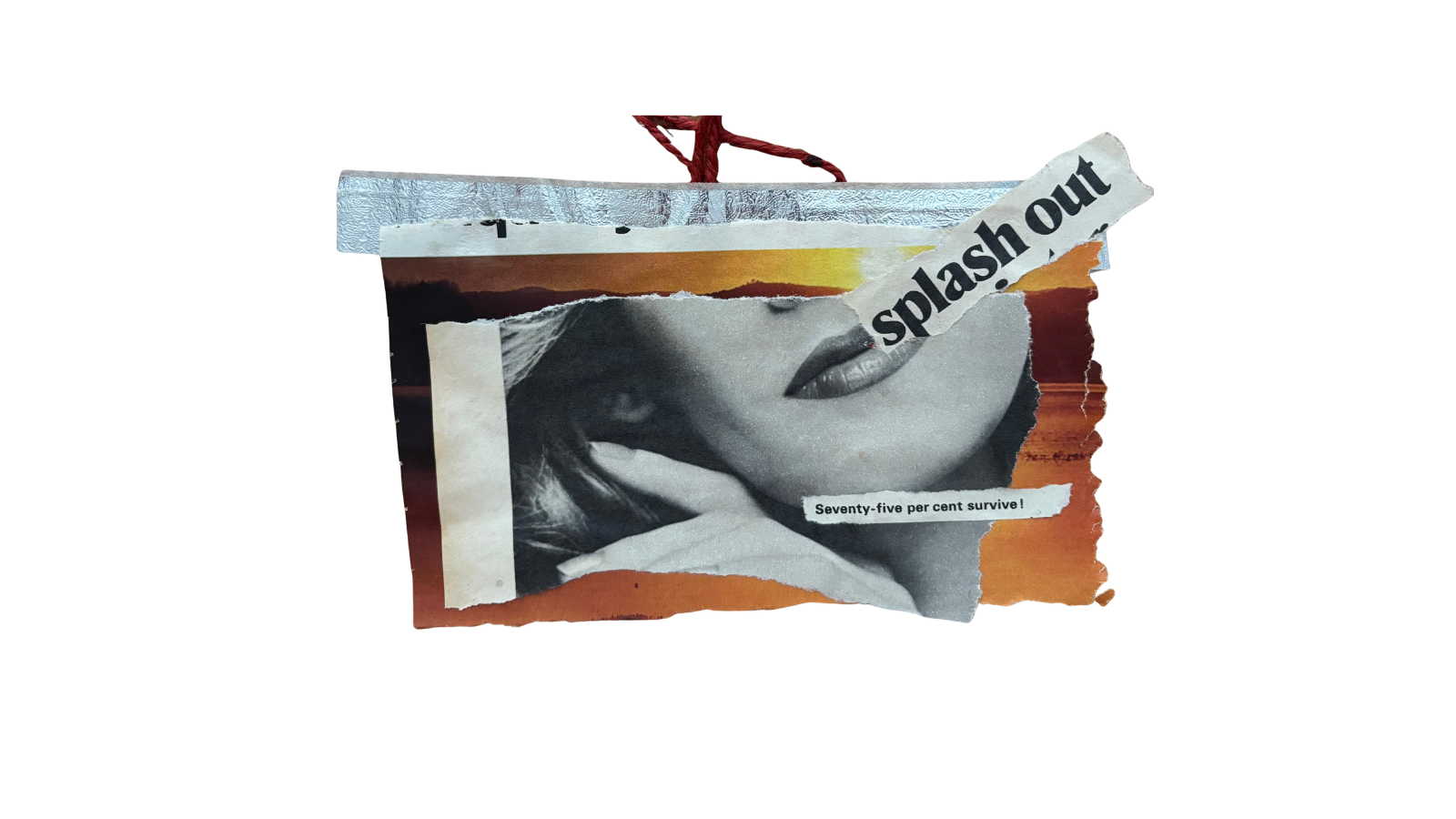
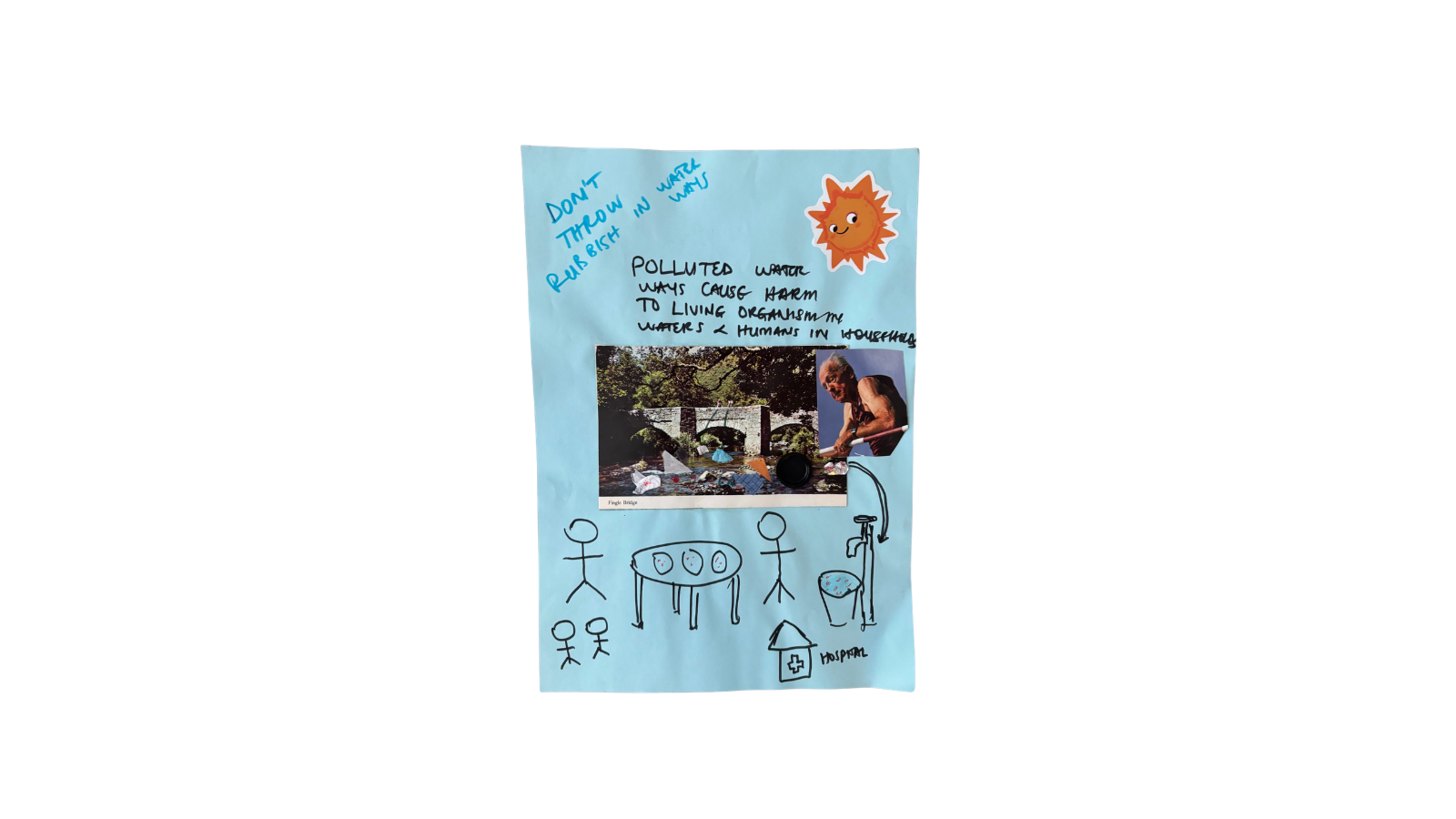
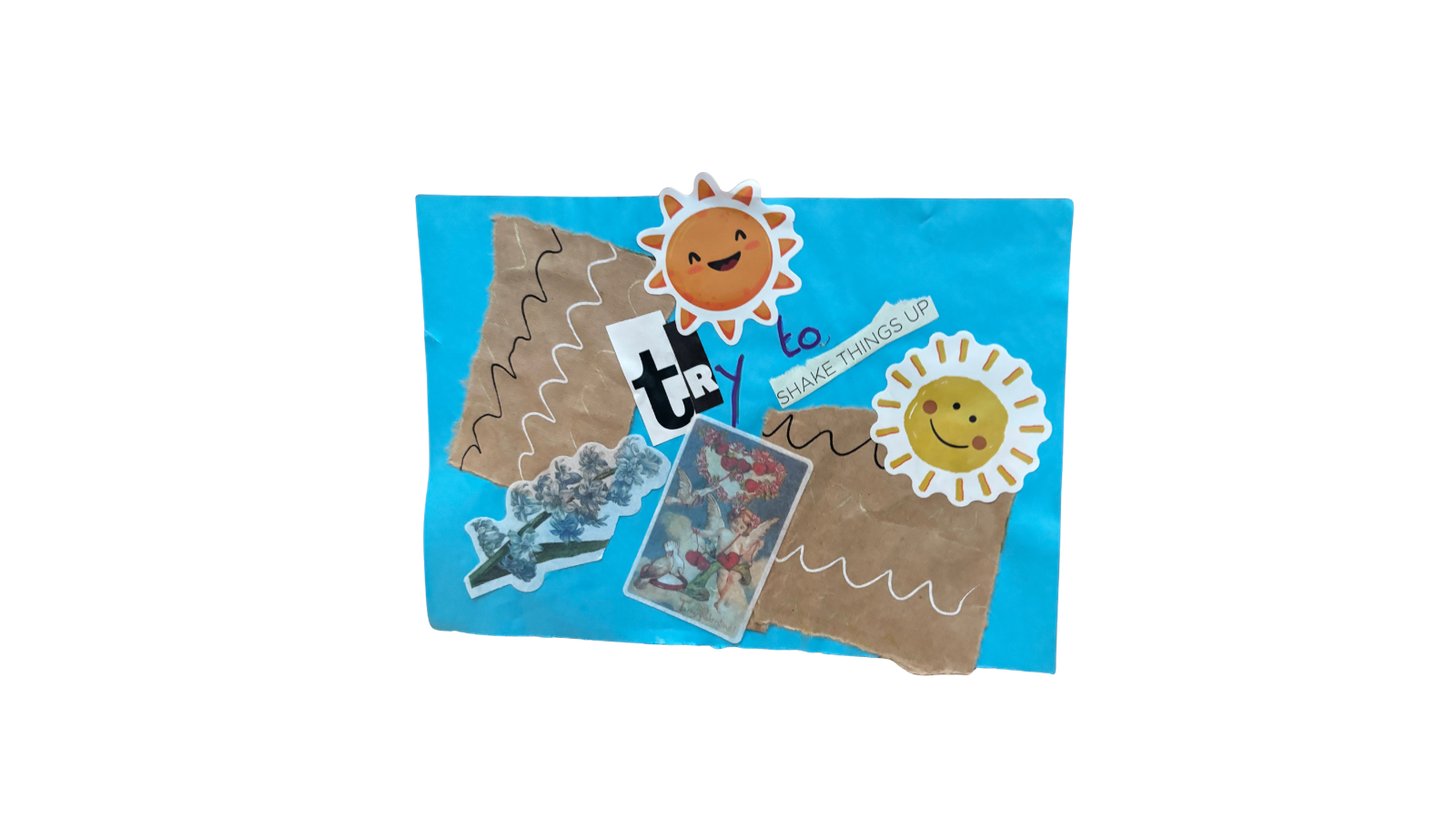
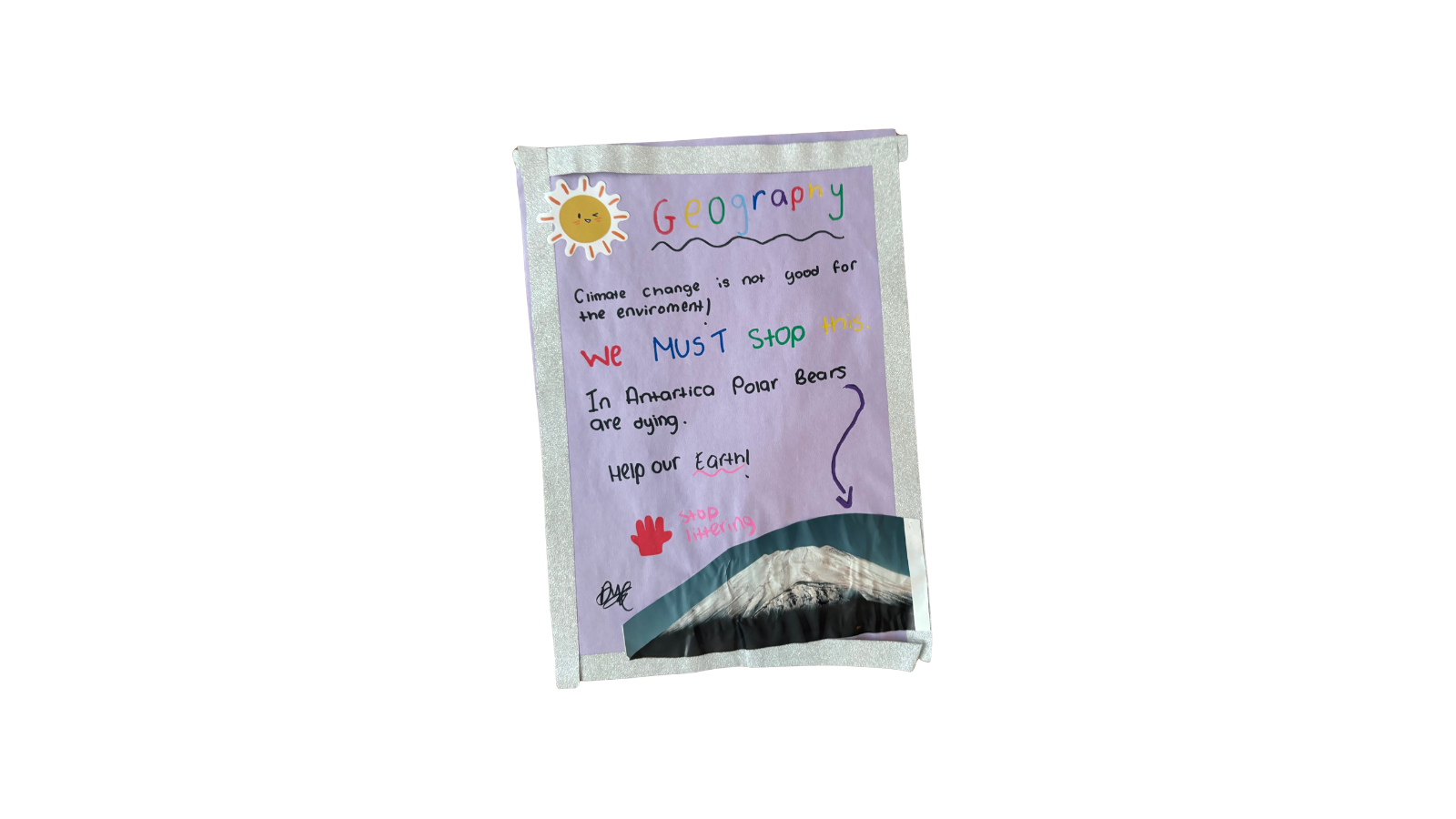
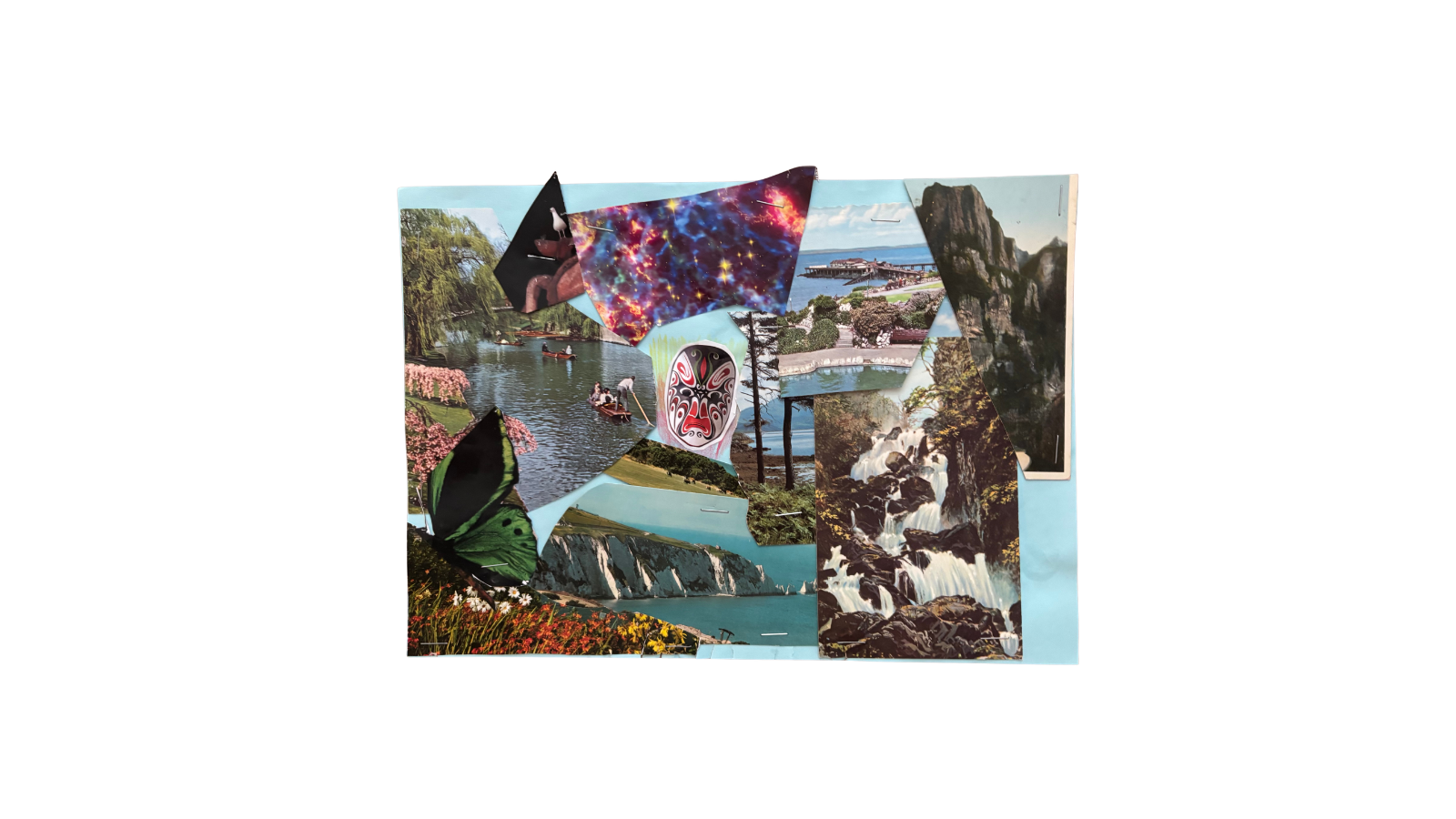
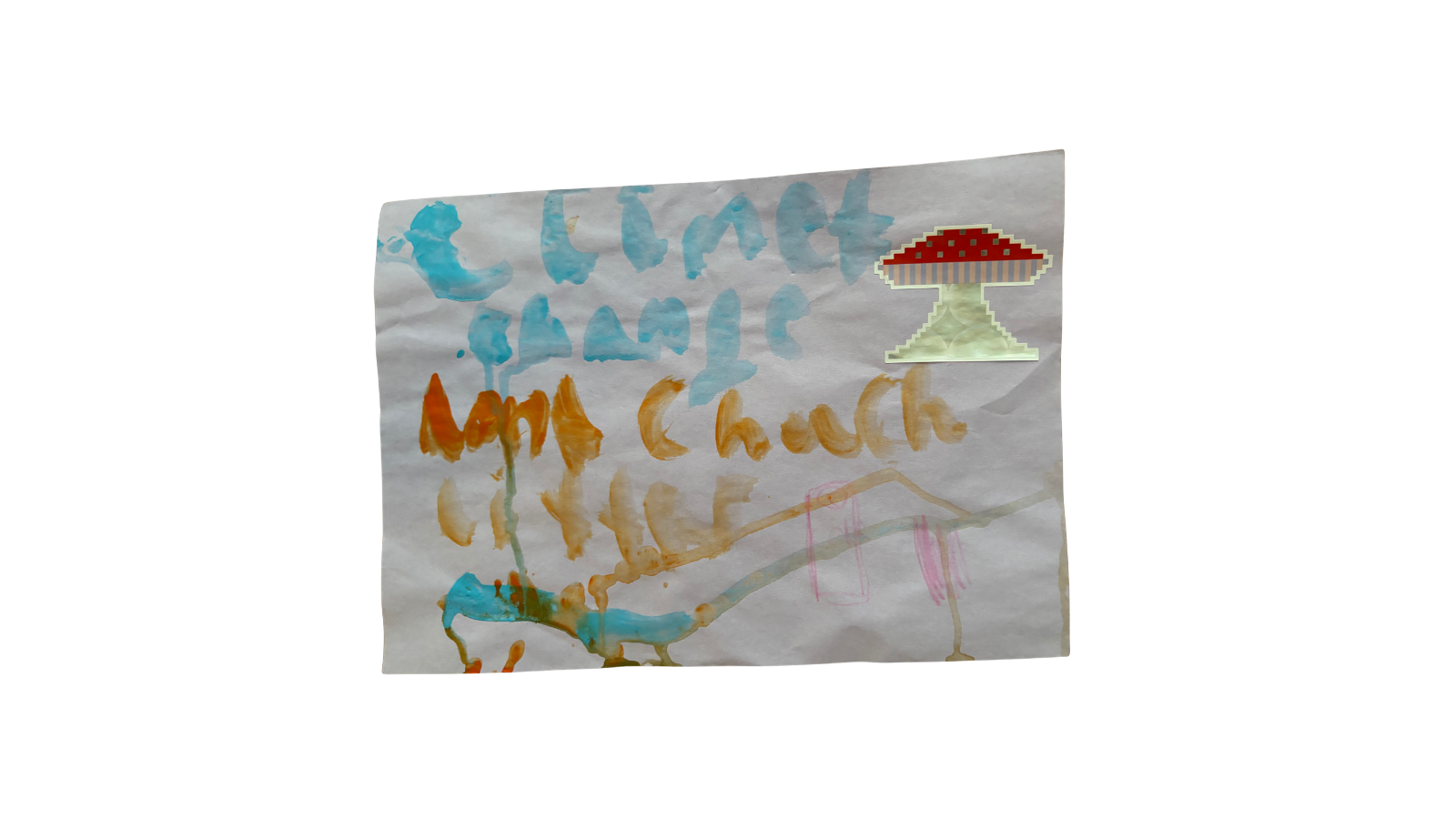
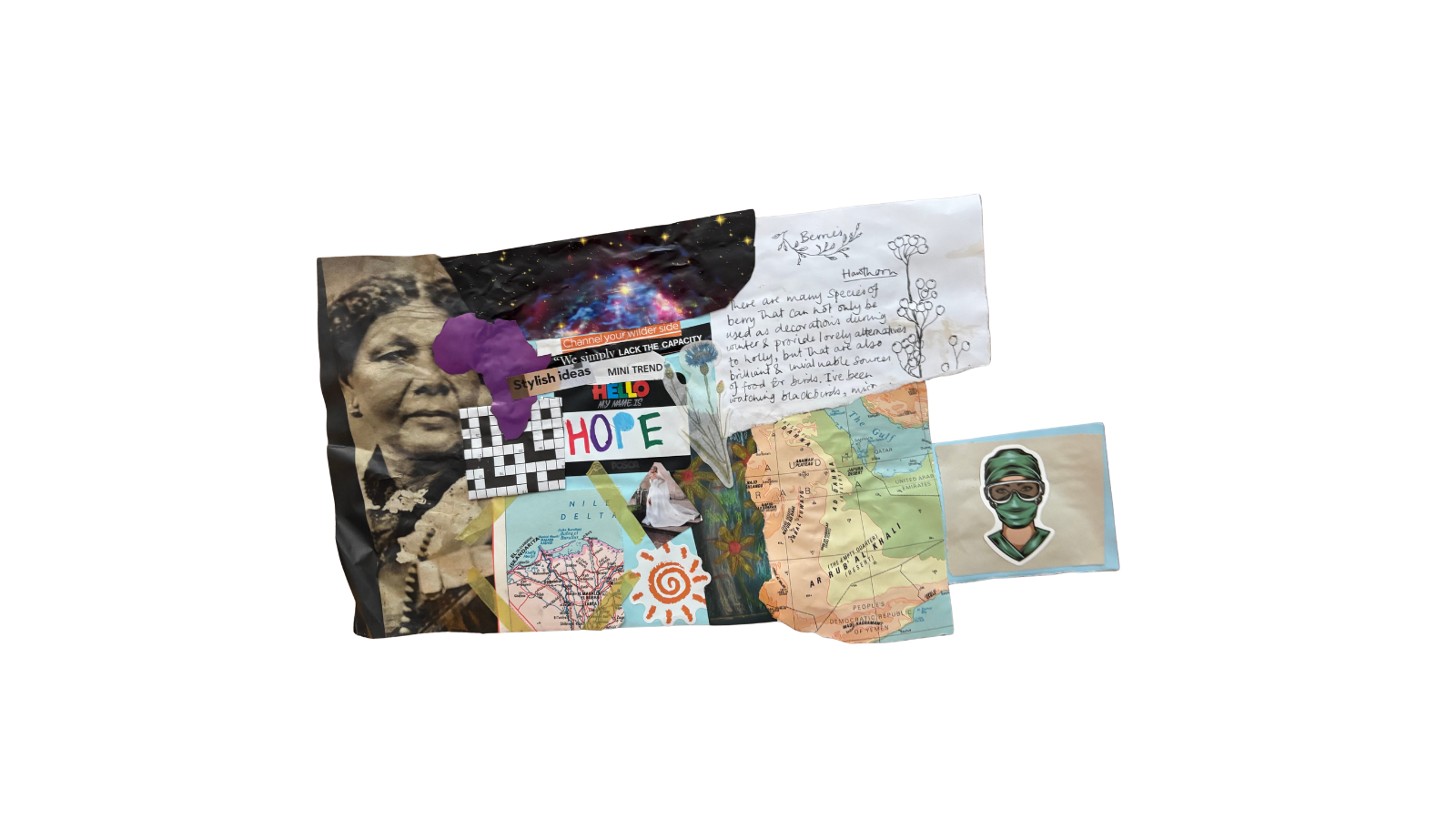
We hope you enjoy the art that was created, just as much as we enjoyed the conversations with everyone we met. We wish a huge thanks to all our artists.