
Visualising the impact of aid cuts on health systems in fragile and conflict-affected settings
During 2026, a group of health systems researchers worked as a collective to craft collage art on the effects of aid cuts. This is part of a larger project facilitated by the Thematic Working Group on Fragile and Conflict-Affected Settings within Health Systems Global. The artists were guided by results raised in a simultaneous process of policy brief development. They also drew on their own experiences of how the consequences of changes in geopolitical priorities affected their research work and the communities they are closest to.
The Collage Collective is made up of researchers from a range of positions and backgrounds based in Myanmar, the UK, Sierra Leone, India, Lebanon and Thailand. Pamoja Communications was responsible for facilitating the process of learning about collage and for convening the group. But the rest of the work was conducted communally.
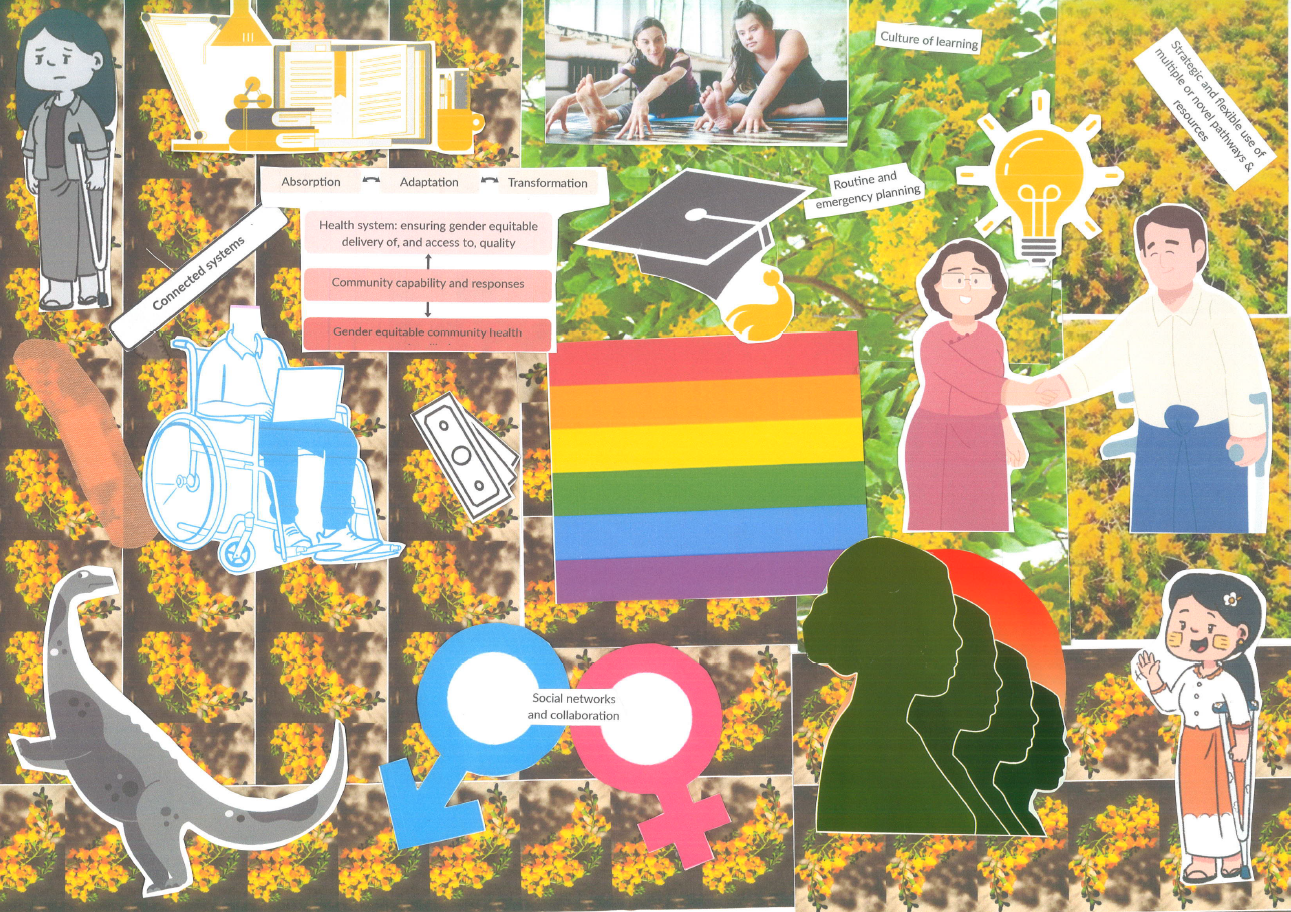
Together, if not now then when?
By Thazin La, Myanmar
This collage reflects on gender and intersectionality in aid cuts from the perspective of disability inclusion. The information presented in this collage is drawn from the findings of the Disability Inclusion at the Community Health System Project. Gender and disability inclusion are deeply interconnected with each other and with other social determinants. They coexist and should be addressed simultaneously, rather than one after another. Although the voices advocating for these issues are louder than before, many responses still focus on short-term or symptomatic solutions rather than long-term, sustainable change. These issues are not adequately considered in conversations about reductions in spending for health systems research. True inclusion requires deeper reflection, systemic action, and long-term commitment to addressing barriers and inequalities.
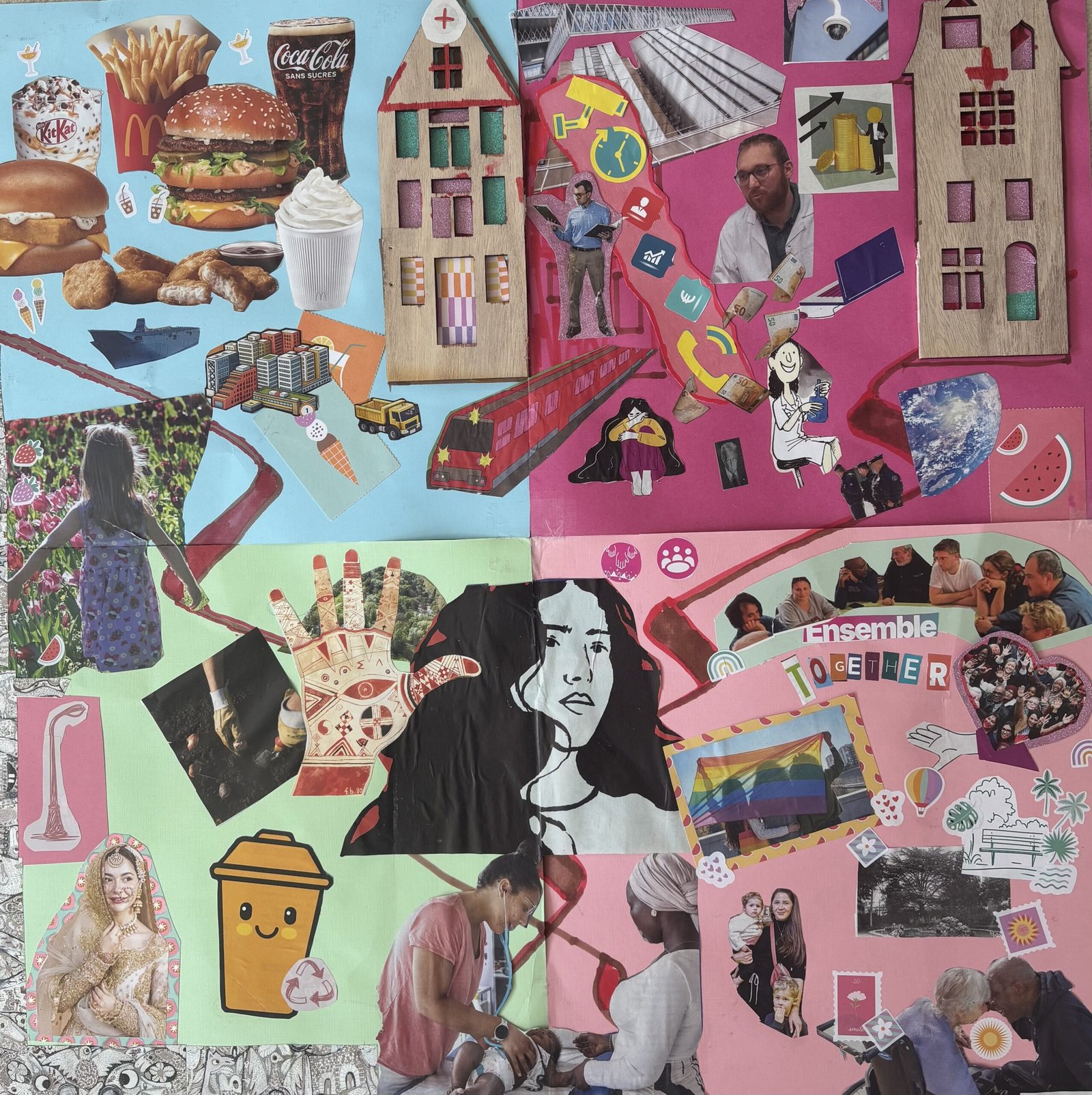
Health: Business or right?
By Rouham Yamout, Lebanon
I am currently displaced from my home, for the 7th time since 1980 when I first moved to South Lebanon. This displacement is particularly long and holds tough conditions. As an older person, I have lost the capacity to adapt that I once had. It has already been three months, and I do not know where I will be sleeping next week. I am now living with my adult son in Saint-Denis, near Paris, France, a leftist municipality populated mainly by a disfavored population, most of them, like us, originating from the Global South.
This collage was made from commercial flyers I found in my mailbox. I had in mind a different idea: a piece called “Dead Aid,” arguing for global social justice and against a concept of aid that reinforces certain privileged officers more than it reinforces communities. But junk mail in the leftist municipality of Saint-Denis doesn’t talk about financing, funding, contracts, agreements, or commercial projects. What it had plenty of was community life, largely promoted and distributed. So I changed the direction of my piece while making it.
What it became is a comparison of two versions of health. On the upper side of the collage: the corporate, industrial face of health. Uncontrolled fast food, hospitals and doctor-centered care, surveillance cameras, clocks, living in compounds, riding quick trains, depending on trucks, files, folders, reports, all of it ending with people left alone and crying. This is health turned into an industry, medicalized, standardized, and disconnected from the people it is supposed to serve.
On the other side: solidarity, the inclusion of youth, women, LGBT people, older people, and people of different generations and races together, a claim for the right to health, community involved in governance, building better health together. This is health rooted in community, in nature, in family, in prevention rather than treatment after the fact. It makes room for traditional and alternative medicine, and for cultural difference instead of erasing it. It is health as something people build and claim together, not something delivered to them.
The globe and the watermelon slice point outward, to Palestine and to climate change, sitting at the edge between the two versions of health. The corporate, industrial version fails social justice on the global scale, and the claim for the right to health includes the struggle for global causes like Palestine and global warming.
Aid cuts in an age of Ebola
By Kate Hawkins, UK
At the 2014 Global Symposium on Health Systems Research we were all rocked at the news of the Ebola outbreak in Sierra Leone. A breakout session was hastily arranged by the Thematic Working Group on Conflict-Affected and Fragile States and was packed with delegates keen to understand how they could lend their expertise and knowledge. I have a copy of the notes which I posted on a rather shaky WordPress blog which has unexpectedly survived to this day. Here we are, another outbreak, this time in Democratic Republic of Congo and during some of the worst cuts to global health financing we have seen. There are reports that health workers in Ebola clinics are not receiving their wages. Yet the response in the health systems research world is strangely muted. I wanted to reflect on that and also the history of outbreaks and wealth hoarding that underpins this moment.
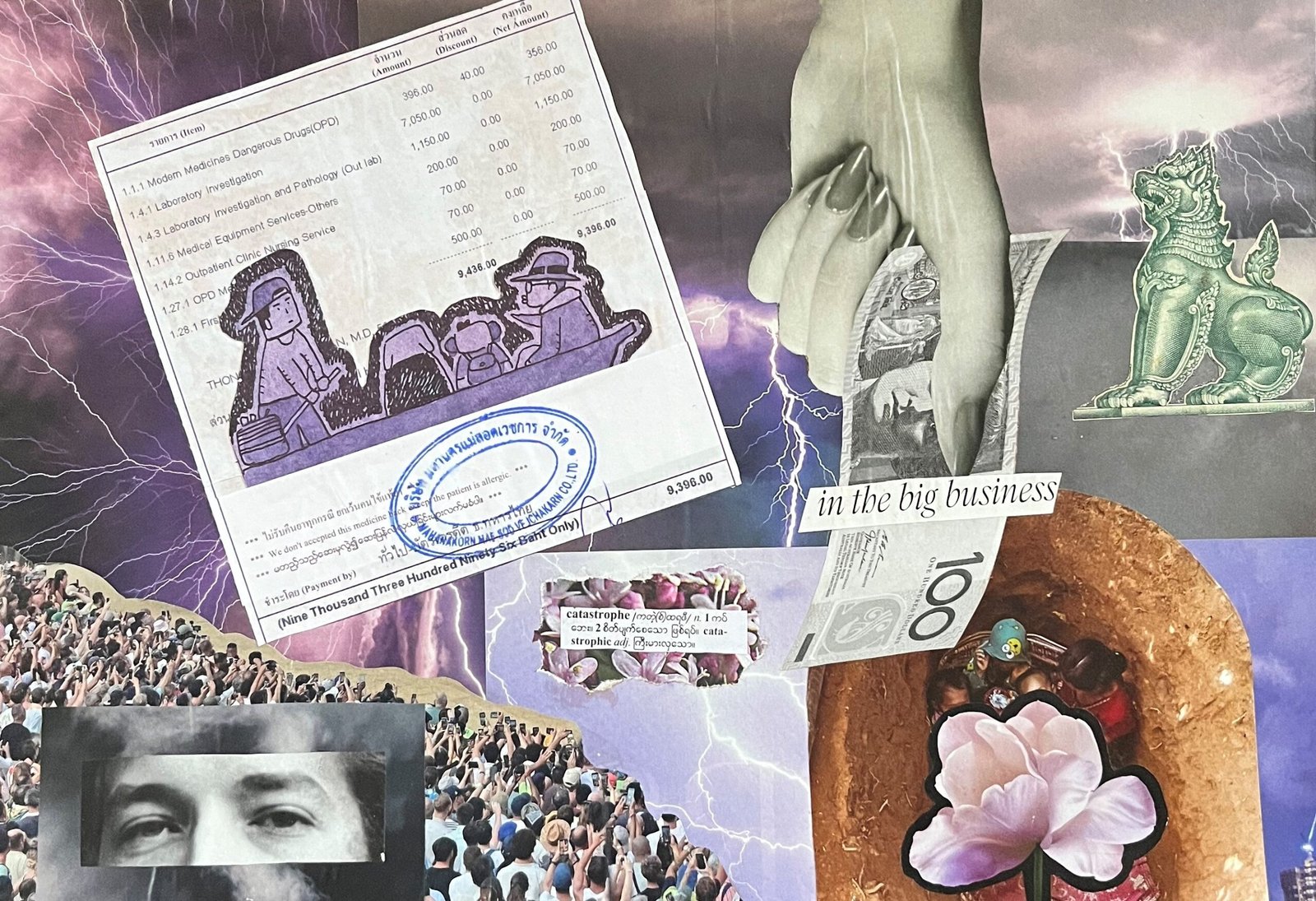
Weathering the storm
By Lydia DiStefano
In an area where political instability, chronic stressors, acute shocks and natural disasters have become the baseline operational context for health services, the widespread funding cuts are yet another storm for local populations to weather.
This collage explores the relationships between funders and recipients, cascading consequences and the optics of aid.
All materials in the collage were collected from Mae Sot, along the Thailand-Myanmar border, where migrants, refugees and displaced populations navigate non-state, cross-border health systems in conflict-affected and fragile contexts. Some of the images in the collage are taken from the annual reports of one of these organizations.
Convergence
By Halimatu Kamara, Sierra Leone
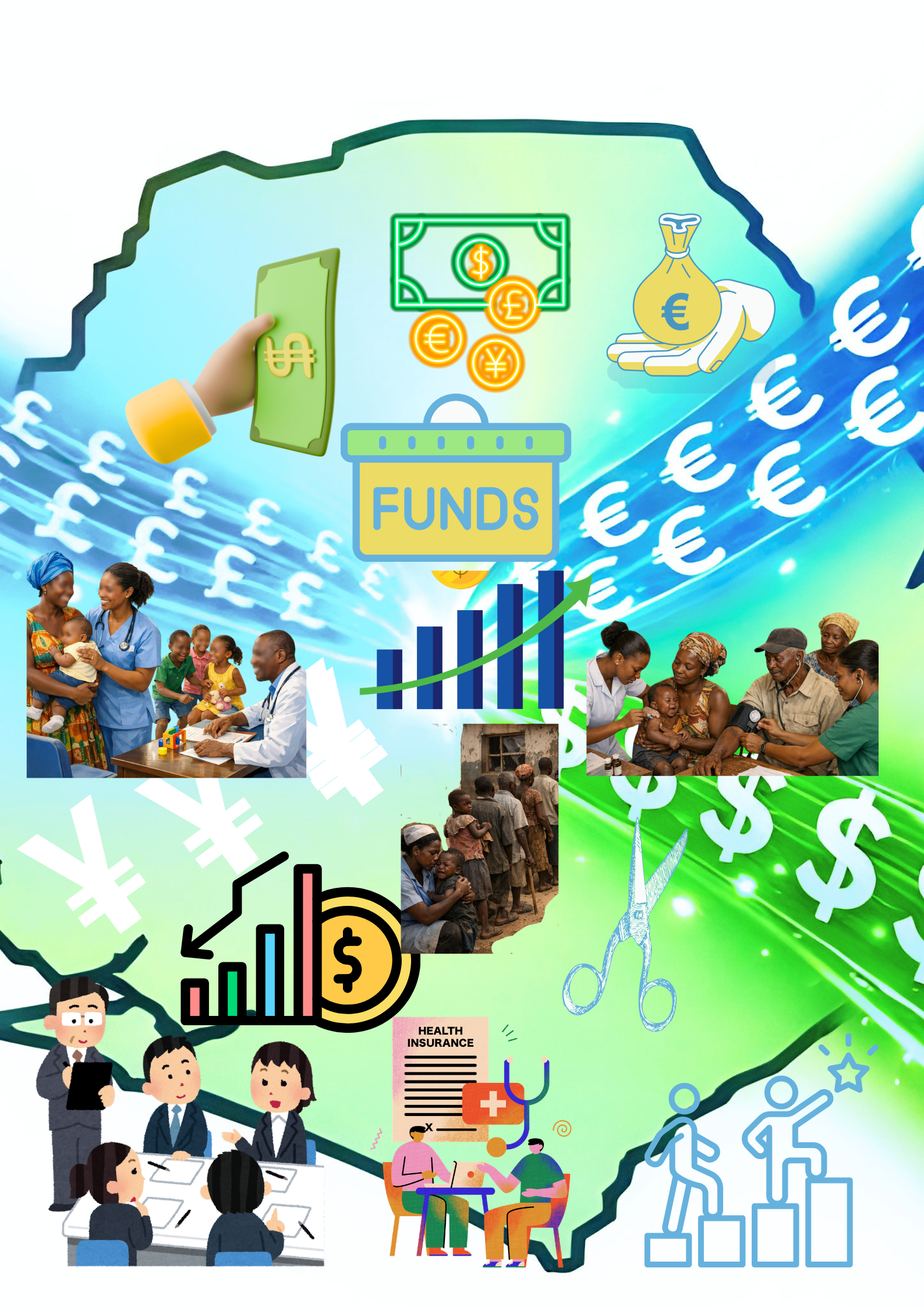
Sierra Leone has historically relied on external aid to support essential health services, particularly in reproductive, maternal, newborn, and child health, equity-focused programming, and pharmaceutical supply chains. However, the current decline in external aid presents significant risks to service delivery, household financial protection, and overall health system performance. This collage provides insight into the current status of the health system and is informed by a ReBUILD for Resilience research project.
Crocodile tears for the refugees
By Kate Hawkins, UK
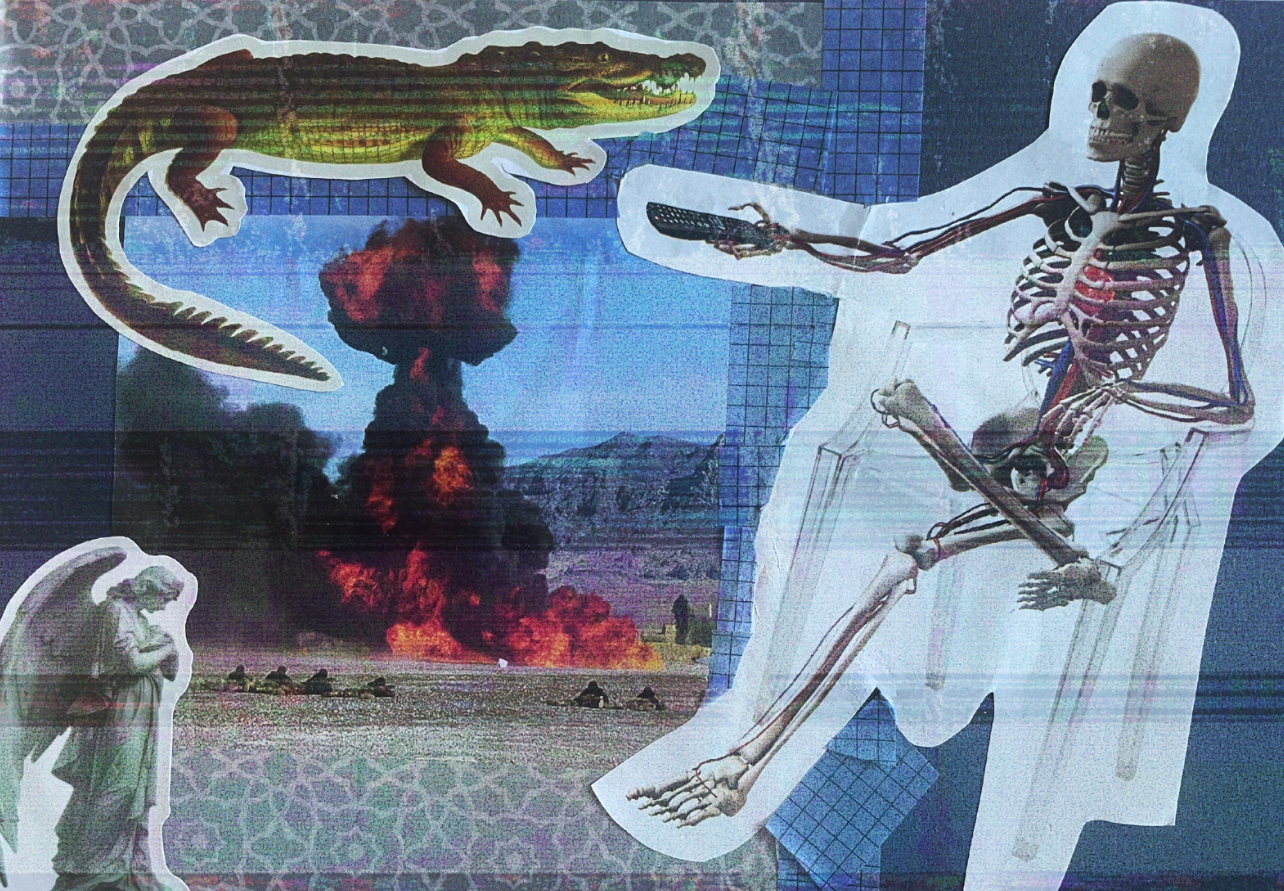
In making this collage, I was also influenced by Achille Mbebme’s theory of necropolitics. I wonder why there is so little contemplation of the politics of death in our work on health systems, and what is obscured as a result. This is particularly relevant to the recent cuts to development assistance and to health systems in conflict-affected settings. I am also aware that cuts in aid from my own country, the UK, are funding an increased war spend, something I find deeply disturbing, which is reflected in the collage.
This collage is also influenced by Martha Rosler and the series about America in Vietnam, Bringing the War Home.
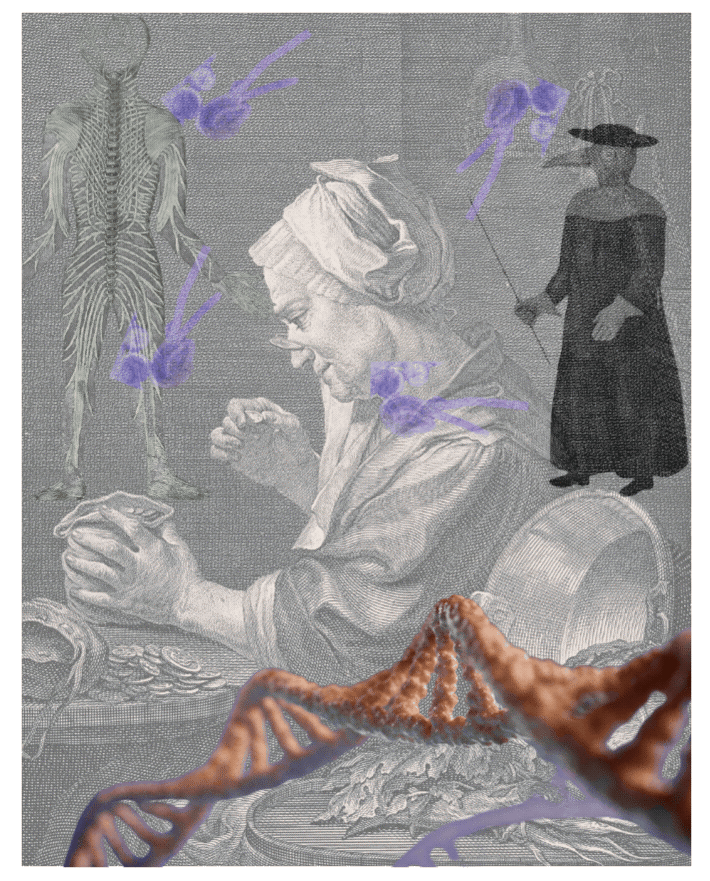
Health is wealth
By Joanna Khalil, Lebanon
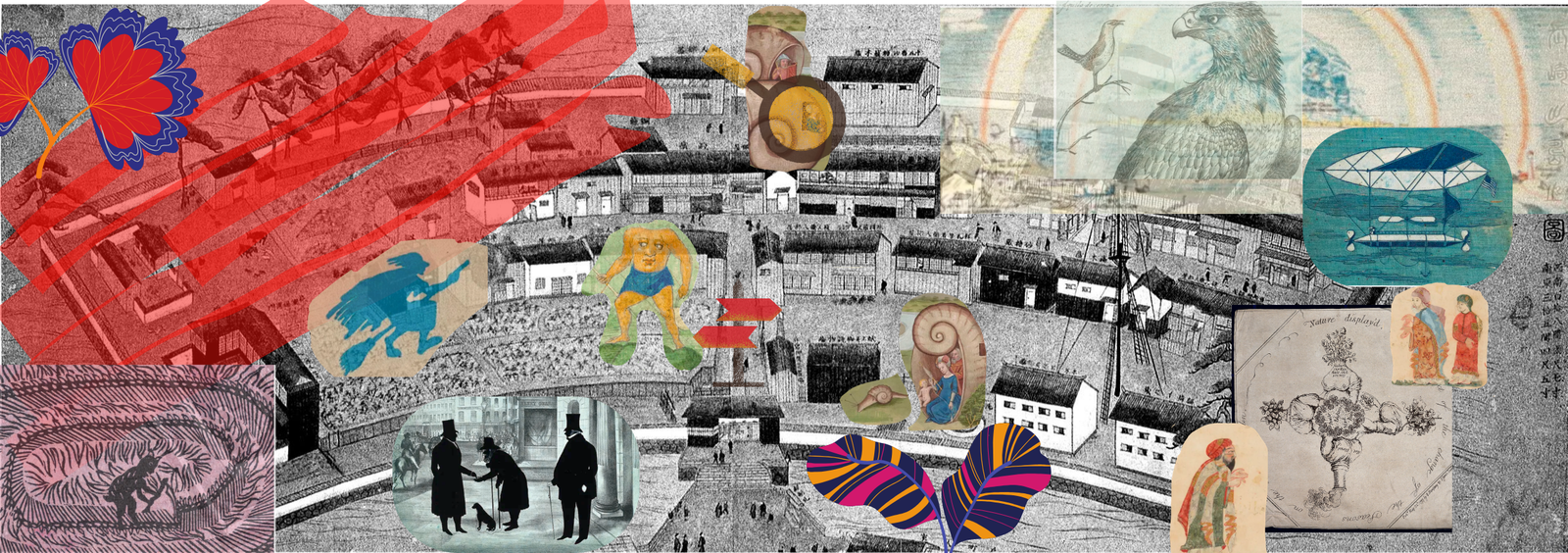
This collage lays out the intricacies of health systems, as spaces shaped by power, politics, inequities, and hierarchies, as well as the relationships among the health industry, providers, and beneficiaries. The collage layers historical illustrations, anatomical sketches, architecture, botanical elements, symbolic figures, and fragments of medical and cultural imagery to reveal how health systems are never purely technical structures but social and political landscapes. This collage was created using Canva and incorporates images sourced from a range of publicly available online resources. The use of classical imagery gives it a global and timeless quality, suggesting its relevance across different contexts and periods.
This collage was created during the war on Lebanon in April 2026, while the artist was living and working amid the uncertainty and emotional strain of the conflict. Although the piece reflects the complexities of health systems, it also became an unplanned visual diary of that period: the broad translucent red strokes across the collage were inspired by the digital warning maps and evacuation overlays issued before airstrikes on Lebanese neighbourhoods. In contrast, the flowers represent hope amidst all the injustice.
This piece reflects both an analytical understanding of health systems and the emotional realities of producing knowledge while living through conflict, demonstrating how personal and collective experiences shape the ways we see, interpret, and represent health.
Blame
By Katy Davis, UK
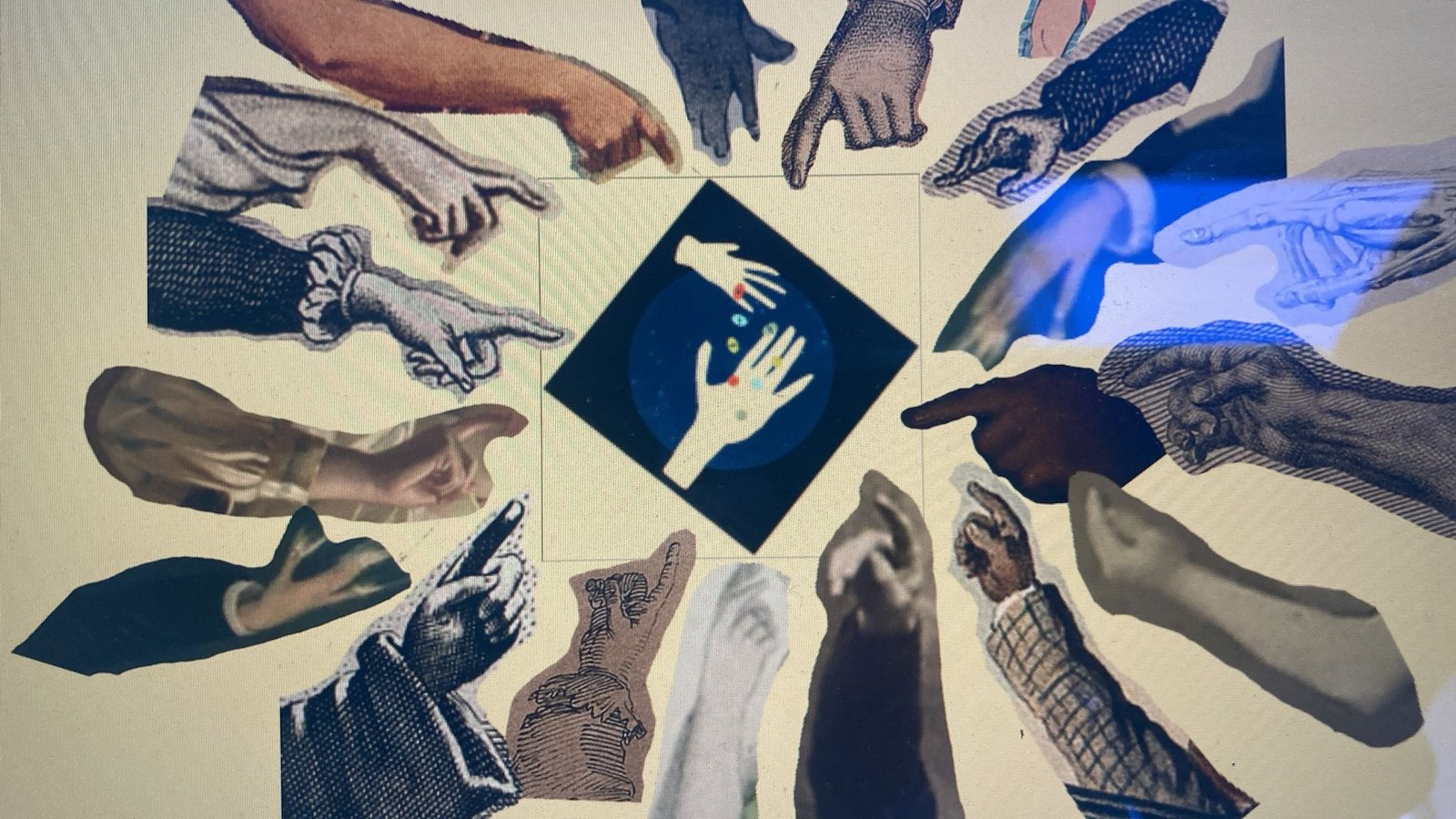
Infections that are resistant to antibiotics are a significant threat in the context of humanitarian crises, health service destruction and cuts to aid. Severe financial, logistical and social barriers can make it impossible for people to use antibiotics in specific recommended ways, and saving lives becomes more pressing. Here I wanted to capture the ways that policies and guidelines on antibiotic use in these contexts can place blame (directly or indirectly) on the people, communities and health workers at the centre of these crises for ‘misuse’ of antibiotics and may not reflect the complexity of the decisions that people must make.
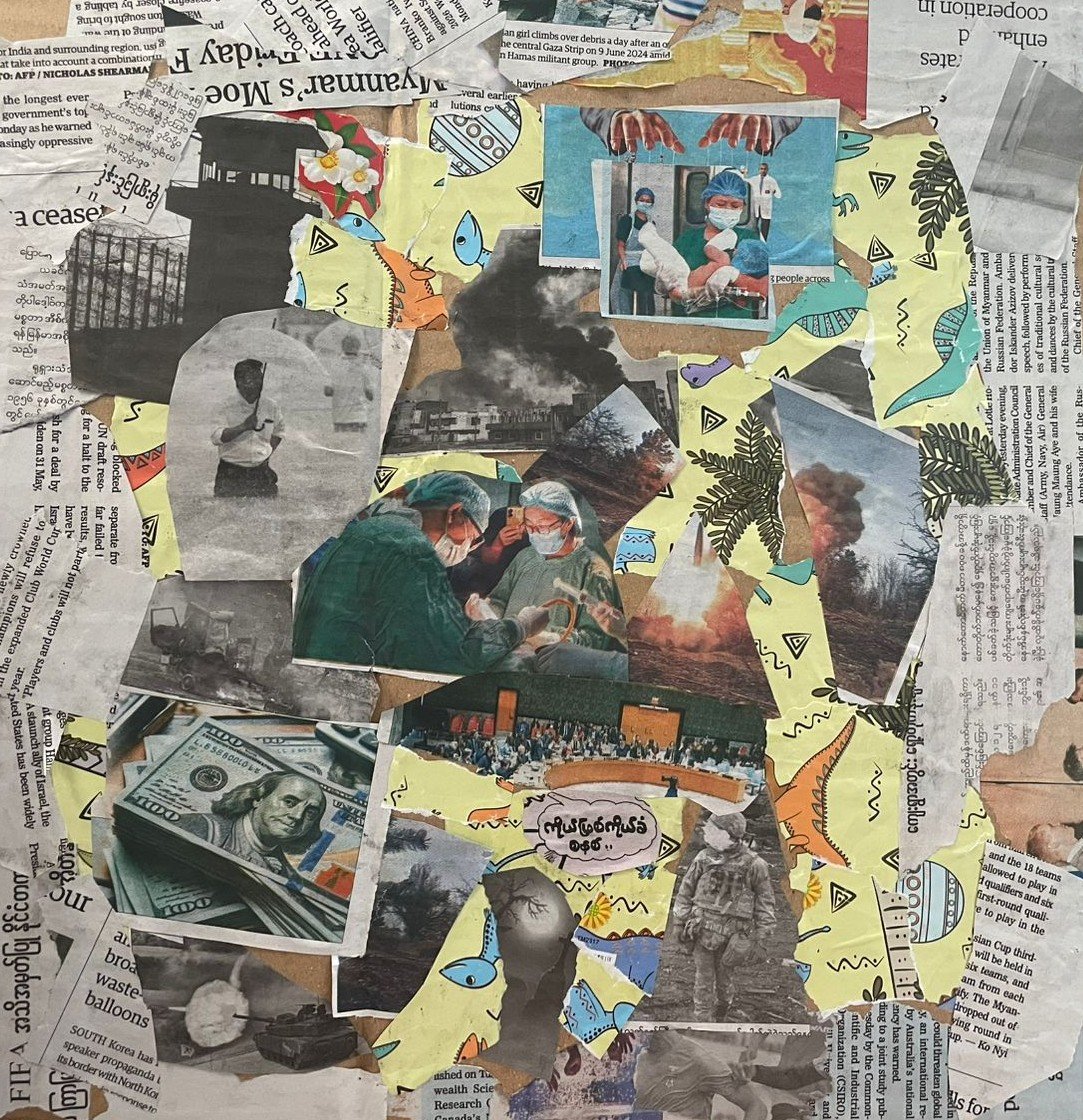
Crisis Within Crisis
By Aye Kyawt Paing, Myanmar
The ongoing instability and conflicts in Myanmar have led to population displacement towards highly endemic areas, contributing to the resurgence of communicable diseases. Myanmar’s health system is under immense strain due to the consequences of crises: escalating climate impacts, recurrent natural disasters, rising infectious diseases, on top of ongoing sociopolitical instability. Compounding these health challenges are diminishing foreign development assistance, primarily due to cuts in US aid and subsequent major global health disruptions. Additionally, the recent catastrophic earthquake measuring 7.7 in magnitude, which struck in March 2025, has severely damaged healthcare infrastructure and displaced communities. This has left many people vulnerable to disease outbreaks and lacking access to essential healthcare services. This instability has led to a fragile health system, threatening the health of people in Myanmar.
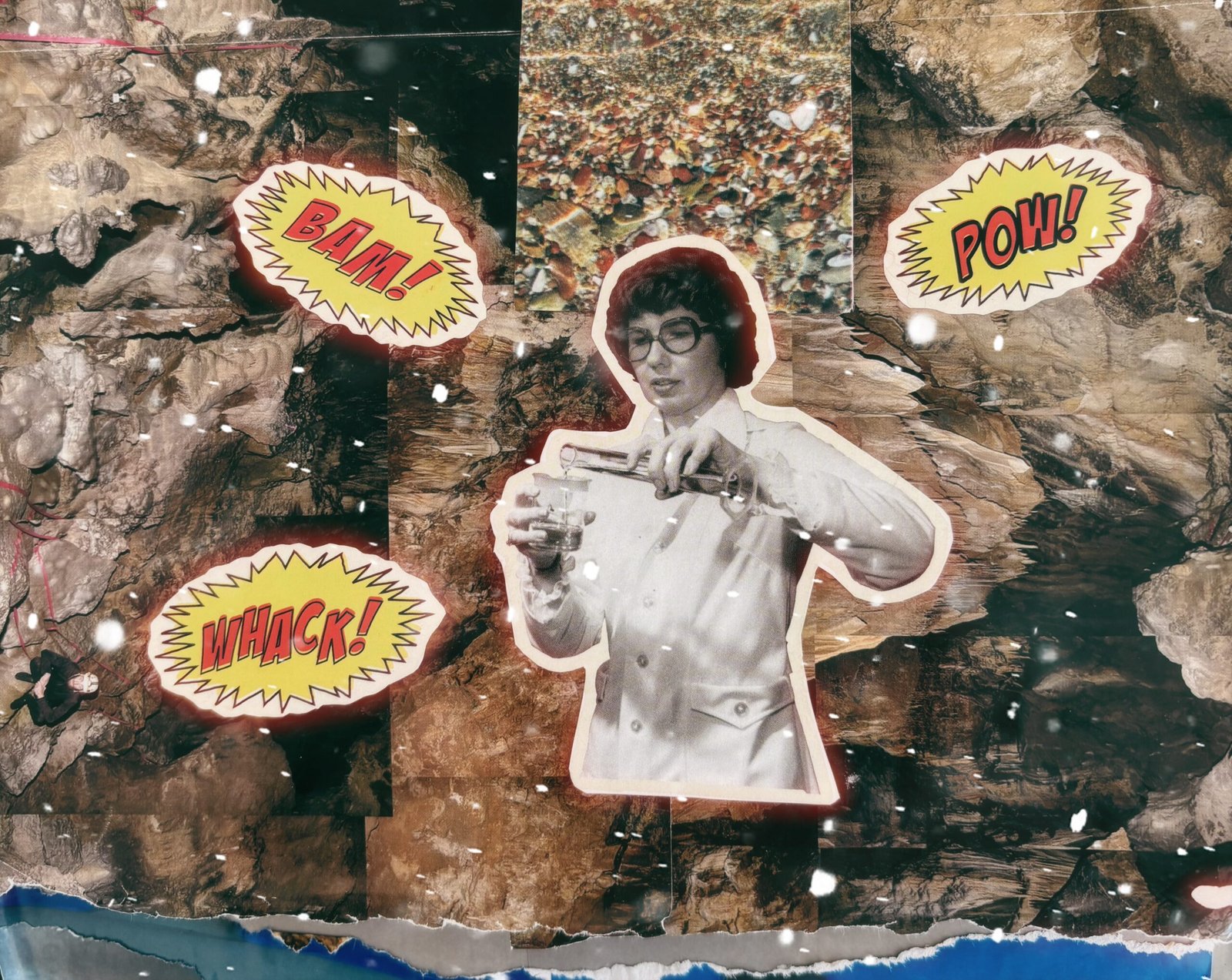
Between a rock and a hard place
By Kate Hawkins, UK
As aid cuts by the UK, US, Germany and others begin to bite, there has been an acknowledgement of the impact of slashed budgets on health systems research. Commentators point to the particular impact on scholars in low- and middle-income countries and those in fragile settings where research is already challenging. Less explored is the interaction between these cuts and the backlash against gender studies and diversity, equity and inclusion. These parallel pressures are shrinking the space for work on gender and equity within health systems and in our knowledge systems. They leave the scientists who focus on these issues caught between a rock and a hard place – continue your work and lose your job or renounce your interest in these topics to remain eligible for the funding that remains. Those researchers who are funded by the US are taking positions – such as the denial of the existence of trans people and the removal of power analysis from their methods and findings – that run counter to scientific norms and justice-oriented approaches.
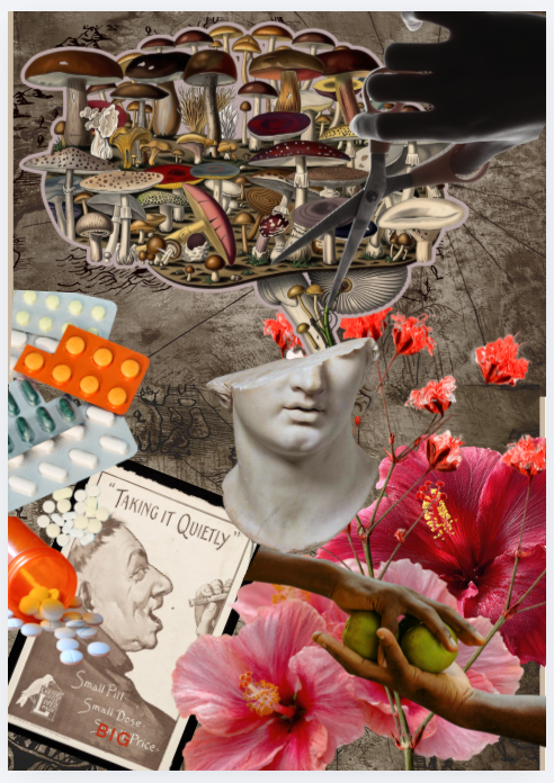
What blooms when care is cut?
Shahreen Chowdhury, UK
This collage explores the impact of aid cuts on global mental health, questioning how care is valued, funded and sustained. The imposing scissors represent political and financial decisions made at a distance, far from those who bear the consequences. The pill poster, “taking it quietly” reflects both the biomedicalization of mental distress and the silence and stigma surrounding it. People are expected to cope quietly, while the resources that make care possible are cut away. The “BIG price to pay” points to the human costs of disrupted services and support.
The map invokes colonial histories that continue to shape approaches to mental health and wellbeing, as well as the unequal distribution of power and resources.
The mushrooms carry several meanings. Visually, their folds resemble the brain while their place between decay and regeneration reflects both loss and the possibility of renewal. Their hidden mycelium networks symbolise the often unseen relationships of care that sustain people and communities. The flowers, branches, and hands represent solidarity and collective care.
Yet resilience should not be romanticised. Communities should not be left to carry the burden of political decisions. Perhaps the question is not what blooms when care is cut, but what could flourish if care is rooted in justice, equity and collective responsibility?
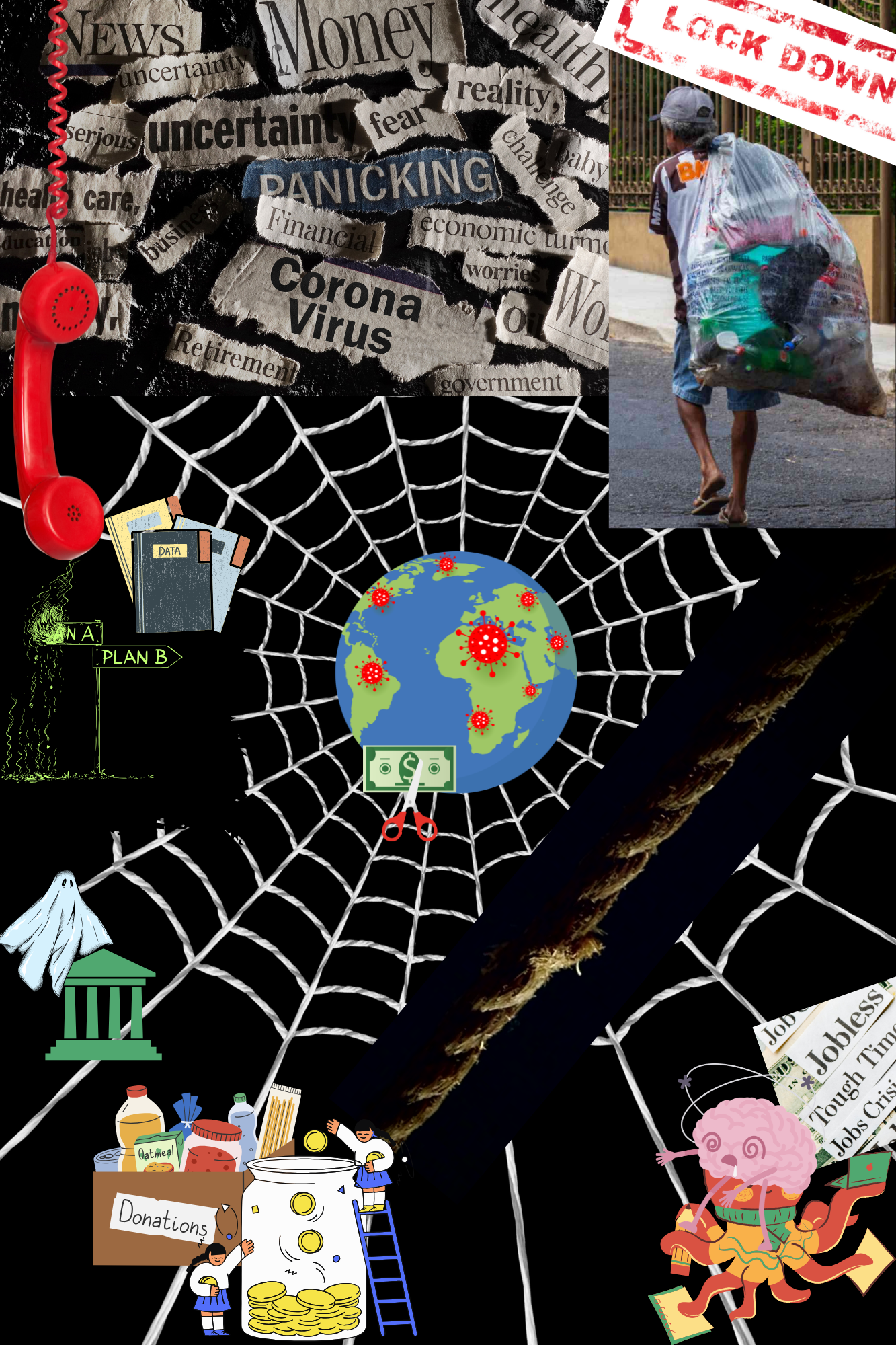
Caught in the Web
Shrutika Murthy, India
This collage captures what it felt like to be caught in the web of COVID-19, livelihood insecurity and funding cuts as a researcher on the Accountability for Informal Urban Equity hub (ARISE).
At its centre, a world caught in a spider’s web reflects how the crisis travelled across borders, connecting seemingly distant events. For informal waste pickers, lockdown meant losing access to the public spaces that sustained their livelihoods.
The ghost-like figure hovering over the institutions represents the latter’s absence when informal waste pickers were left without access to work or support.
Yet, where institutions receded, others stepped in: civil society, private donors and ordinary people piecing together emergency support. However, the fraying rope symbolises the limits of these alternative safety nets in the absence of structural support.
The phone, books and “Plan B” capture how our research had to be responsive to emerging challenges: participatory action research gave way to remote conversations with waste pickers about their needs and distress. The phone became our route back to the field.
Amidst funding cuts, job insecurity and multiple responsibilities, the distressed brain also represents my experience as an early-career researcher, trying to keep the project and myself afloat.
The collage is ultimately about interdependence within a web, and how quickly the threads holding us together can unravel.
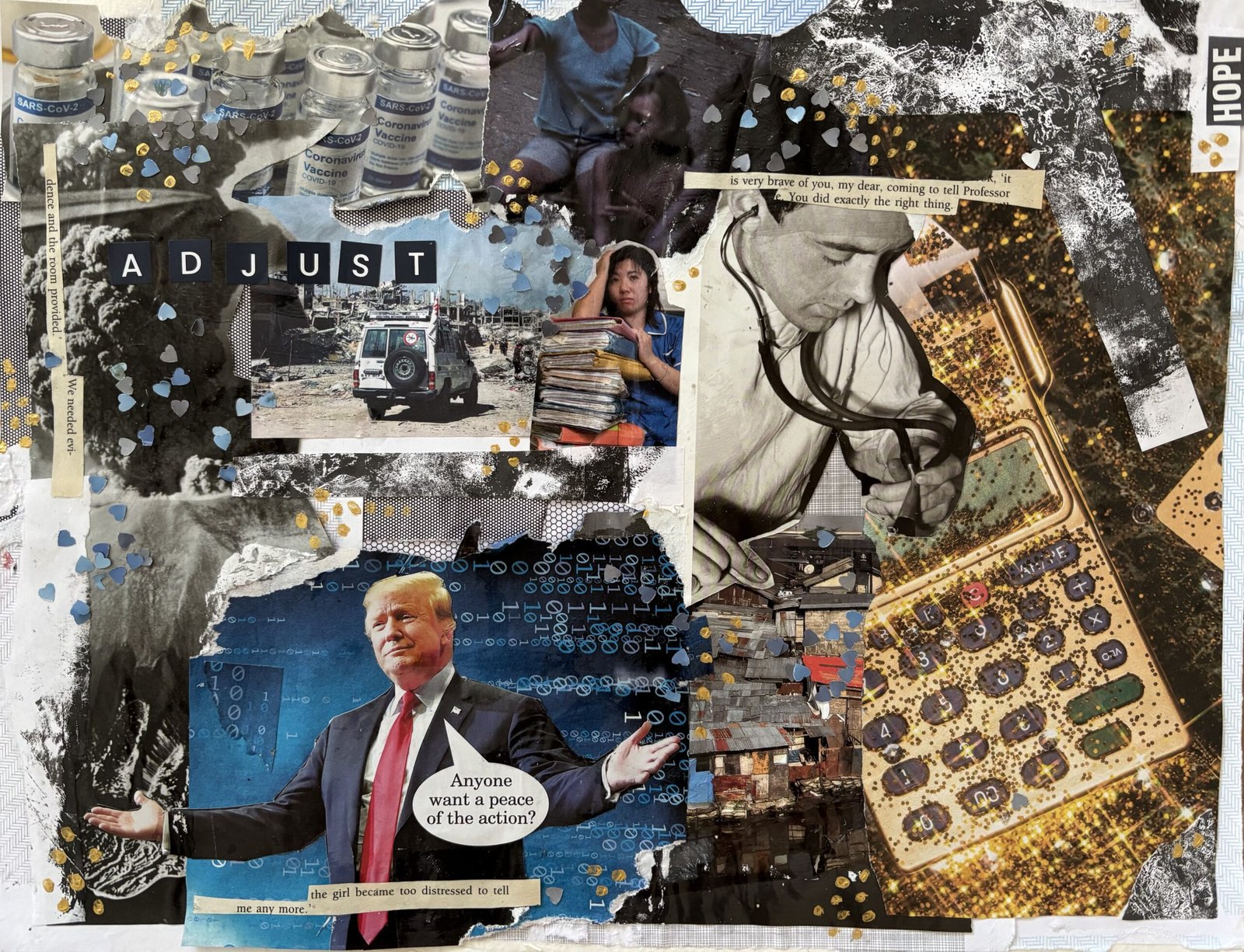
The data collectors
Kate Hawkins, UK
The background for this collage is made up of the envelopes that bills come in when they arrive through the post in the UK. The blue and black geometric patterns stop the envelopes from becoming see-through and hide your personal details from any would-be thieves. Bills remind me of the rising cost of living in many of the settings we work in, as well as the colleagues who have been made redundant or who labour on with precarious employment contracts. I have money on my mind (and also robbery).
The collage is called the data collectors as a nod to the academic community, but also because countries in the Global South are increasingly being told to agree to a new form of data collection. They are being explicitly ordered to make their health data freely available to receive funding from the US.
This new asymmetrical relationship (building on the foundations of all the other asymmetrical relationships that went before) makes them a data collector of a different order.
Simultaneously, in the UK the US AI company Palantir inveigles a well-paid place in the health system, swallowing up ex-politicians as special advisers, ingesting my own private health data. Chomp, chomp, chomp.
Data collection is an old extractive industry using new tools. We are all entangled within it as users of health services and through our engagement in global health.
For all its flaws, I do believe in the emancipatory power of research. But we need to forge a new model of collaboration and camaraderie and keep a critical lens in our engagement with new technology.
I hope to do this together with you.